Lumetra
Lumetra
Lumetra
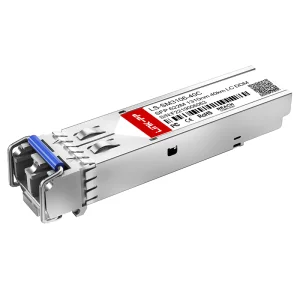
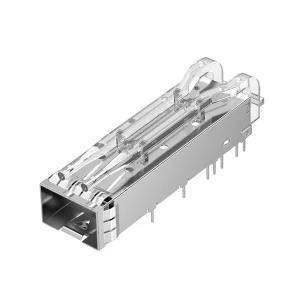
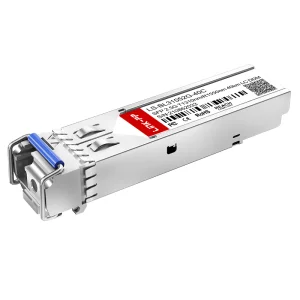
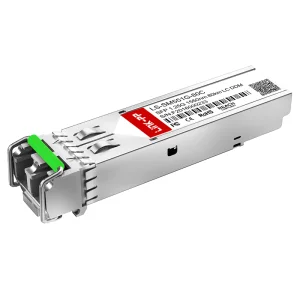
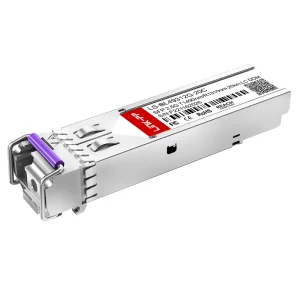
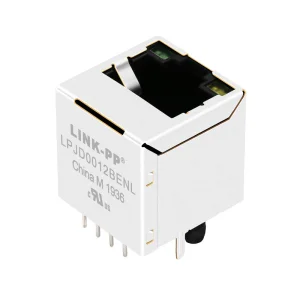
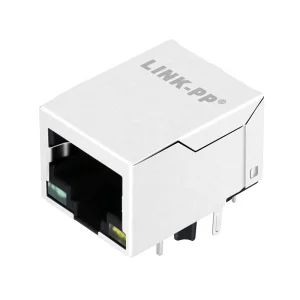
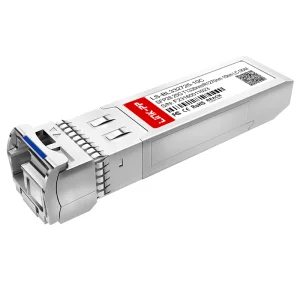
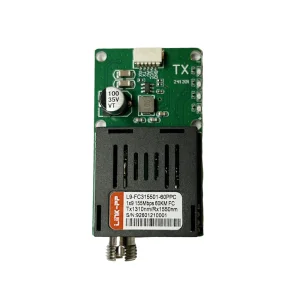
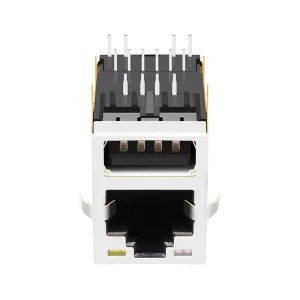
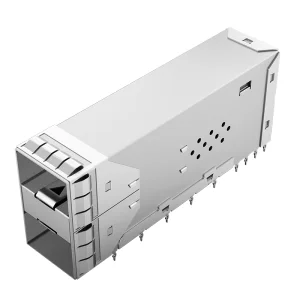
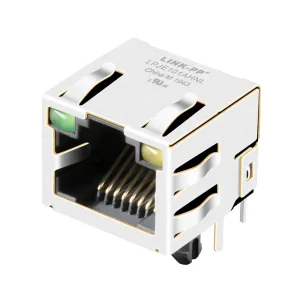
Explore our primary selection of optical transceivers, EMI shielded cages, and vertical RJ45 jacks designed to sustain network throughput in carrier-grade and cloud environments.
In modern industrial and enterprise networking contexts, the search term "RJ45 network hub manufacturers" has evolved beyond its legacy definition. While traditional collision-domain hubs have been phased out in favor of intelligent layer-2 switches, the physical infrastructure—often referenced structurally as multi-port RJ45 patch hubs, magnetic interface matrices, and fiber-to-copper media converter hubs—remains the backbone of international industrial networking. Enterprises globally require reliable, high-density physical interfaces that consolidate multiple copper and optical channels into unified racks.
This structural transformation is driven by the rapid expansion of Industrial IoT (IIoT), edge computing, and local virtualization nodes. Procurement agents do not merely look for passive connectors; they search for integrated sub-assemblies. This includes magnetic RJ45 connectors featuring integrated magnetics (MagJacks) to mitigate electromagnetic interference (EMI), alongside high-speed transceiver cages (SFP/SFP+/SFP28) that permit rapid fiber-to-copper aggregation on the same PCB. Lumetra Optoelectronics Technologies Co., Ltd. addresses this exact nexus, providing both copper interfaces and high-speed optical transceivers for comprehensive datacom, telecom, and cloud infrastructure applications.
Enterprise connectivity demands robust physical solutions tailored to specific industries. Modern network hubs and media converter chassis integrate several subsystems to guarantee zero packet loss in harsh environments. Below is a strategic breakdown of how hardware integrates into major industry domains:
Lumetra supports protocol compatibility, wavelength tuning, form factor adaptation, and power optimization to meet unique enterprise requirements.
Collaborating with over 1,200 supply chain partners ensures stable component sourcing and manufacturing efficiency, mitigating global component shortages.
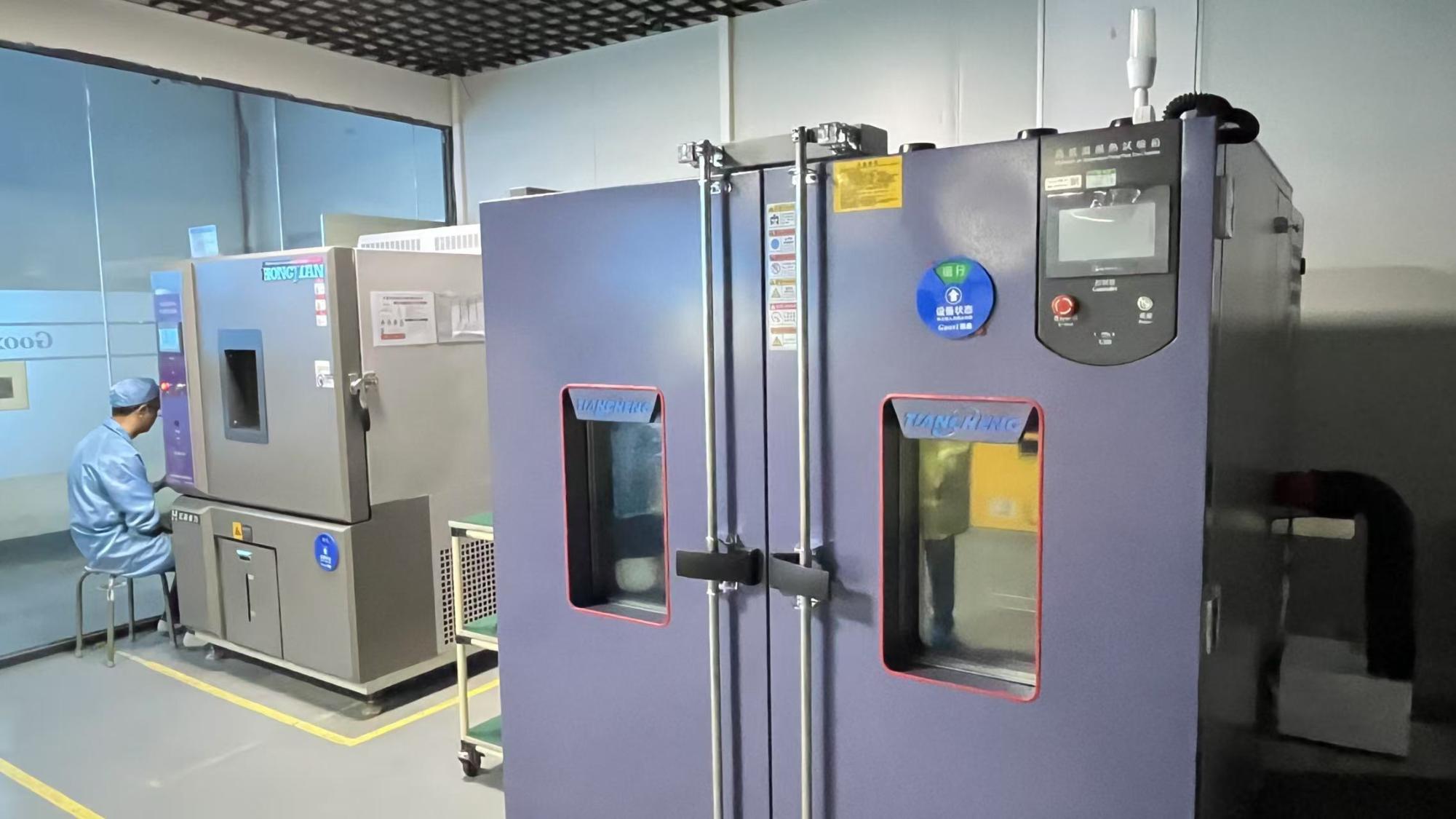
A specialized team of 48 QC inspectors performs automated optical testing, environmental stress screening, and manual verification of all components.
The networking roadmap points towards consolidation. As speed demands rise, copper (RJ45) and optical (SFP/QSFP) interfaces are migrating closer together on the physical switch or media hub. The emergence of PoE++ (IEEE 802.3bt) delivering up to 90W of power over standard Cat6A and Cat8 cables has transformed the design parameters of network jacks. Manufacturers must engineer integrated transformer modules capable of carrying high current without degrading high-frequency signal integrity or causing saturation in magnetic cores.
Simultaneously, the industry is witnessing the adoption of SFP28 interfaces running at 25Gbps per channel for short-reach switch-to-switch links, while RJ45 connections handle local distribution. This requires manufacturers to have deep expertise in both fields: physical-layer mechanical housing (cages, connectors) and optoelectronic active components (transceivers). Lumetra's R&D focus ensures that replacement cages like the Amphenol U77 series, alongside active optical modules, maintain strict EMI compliance and signal preservation at high transmission rates.
| Interface / Component Type | Typical Wavelength / Parameter | Data Rate Capacity | Max Transmission Distance | Primary Industrial Use Case |
|---|---|---|---|---|
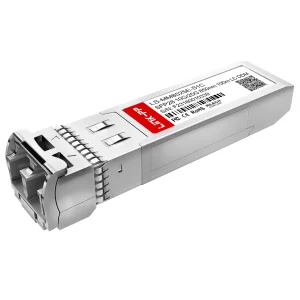
| Single Mode Duplex LC Transceiver | 1310nm / 1550nm | 622M to 2.5G | 40km - 80km | Carrier Backbone & Metro Ethernet Networks |
| SFP28 BiDi Optical Module | 1330nm-TX / 1270nm-RX | 25G | 10km | Next-Gen Datacenter Top-of-Rack Switch Interconnects |
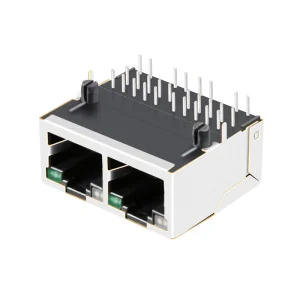
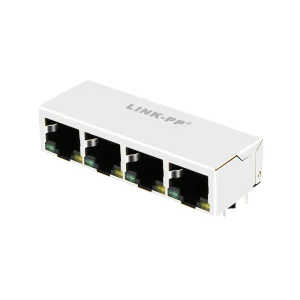
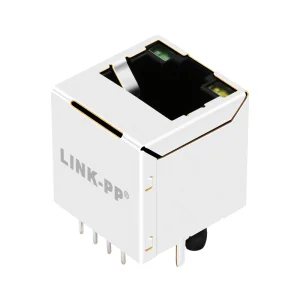
| Magnetic Vertical RJ45 Jack | Integrated Transformers & LEDs | 10/100/1000 Base-T | 100m (over copper) | Industrial Control Panels & Smart Machinery Systems |
| EMI Shielded SFP/SFP+ Cage | Press-Fit/THT Soldering, Lightpipe | Up to 10G/25G (Mechanical) | N/A (Interface Housing) | High-Density Switch PCBs & Network Hub Hubplates |
Navigating the global hardware procurement landscape demands strict adherence to international quality standards and stable logistics corridors. Lumetra operates with a diversified trade background, maintaining a strong presence in OEM and ODM markets across North America, Europe, Southeast Asia, and the Middle East. With 7 years of dedicated export experience and 11 years of overall industry expertise, Lumetra provides the documentation, certifications, and quality control metrics required by enterprise engineering teams.
Component failure in critical telecom or datacom environments leads to expensive downtime. Quality assurance at Lumetra is sustained through a combination of automated optical performance testing, environmental stress screening (to simulate operating conditions from -40°C to +85°C for industrial grade parts), and manual inspection. Supported by a network of over 1,200 partners, the company guarantees component availability and rapid product development cycles, introducing approximately 220 new products per year.
An RJ45 connector with magnetics (often called a MagJack) contains tiny isolation transformers, common-mode chokes, and resistors/capacitors inside its plastic housing. These components block high-voltage transient spikes, eliminate common-mode noise, and match impedance between the PHY chip and the twisted-pair cable. An RJ45 jack without magnetics is simply a physical metal-and-plastic housing; the design engineer must place the magnetic components separately on the system PCB.
SFP+ cages and RJ45 ports operate at high frequencies (ranging from 100MHz to over 10GHz). At these speeds, copper lines act as small antennas. Shielding (typically tin-plated brass or copper alloy shells with grounding tabs) prevents electromagnetic interference (EMI) from leaking out and disrupting nearby high-sensitivity circuits, while also blocking external noise from degrading the link's bit error rate (BER).
Bidirectional (BiDi) transceivers utilize Wavelength Division Multiplexing (WDM) to transmit and receive signals over a single strand of fiber (simplex). By using two different wavelengths—for instance, 1310nm for transmitting (TX) and 1550nm for receiving (RX) on one end, and vice versa on the other—signals pass through the same glass core without interference. This halves the amount of fiber cabling required.
Industrial and enterprise-grade RJ45 female connectors are typically designed to support at least 750 insertion and extraction cycles. This mechanical durability is achieved by applying 50 micro-inches (50u") of gold plating over nickel on the phosphor bronze contact pins, preventing oxidation and wear over years of deployment.
High-quality transceivers must undergo eye-diagram analysis to evaluate signal shape, optical power level measurements, bit error rate (BER) checks, and protocol compliance tests. In addition, environmental stress screening (cycling temperature variations) ensures components continue to perform under extreme operating conditions.
Browse our supplementary range of ethernet transformer modules, through-hole press-fit cages, and compatible dual-rate transceivers configured for deployment flexibility.
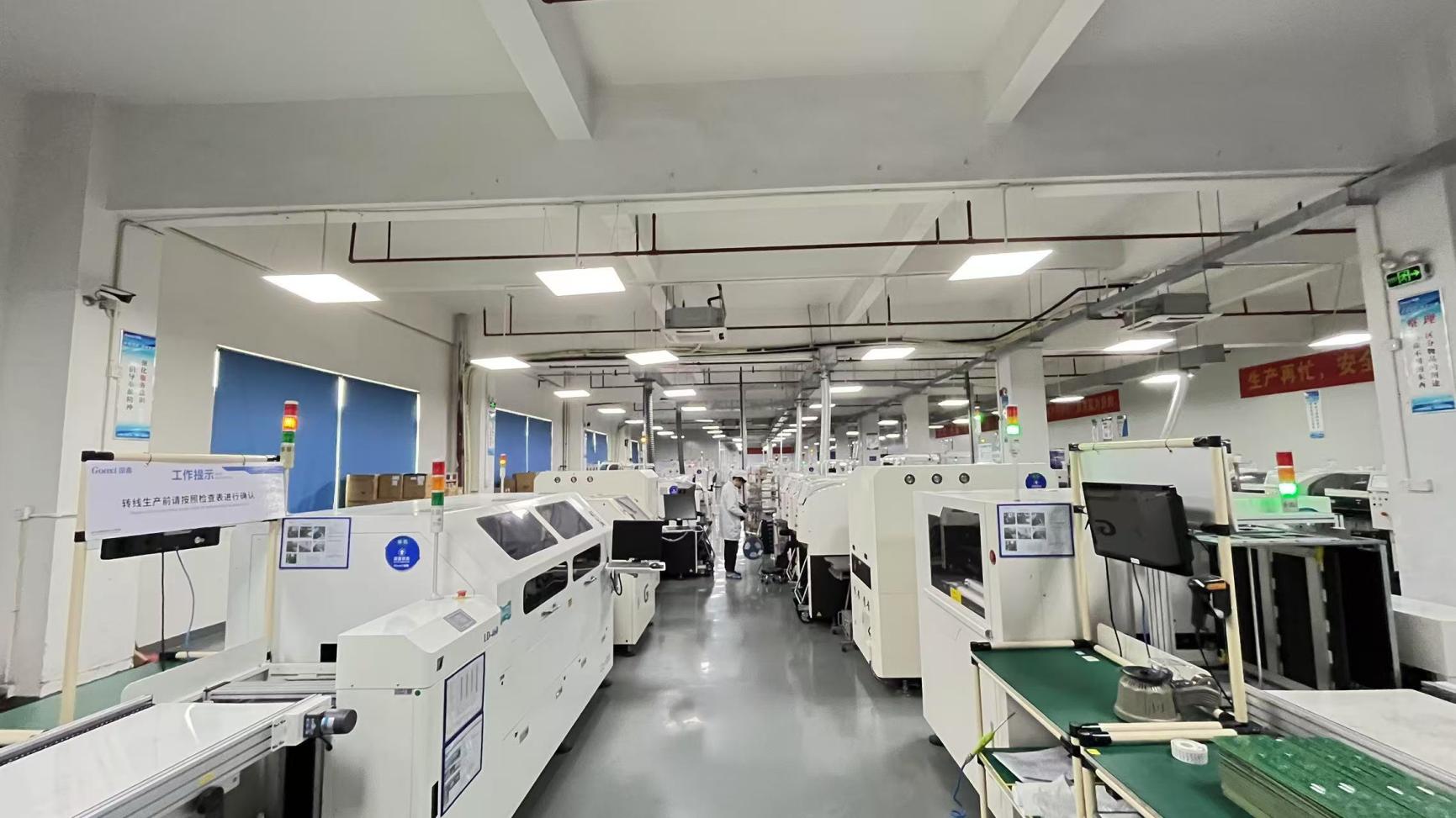
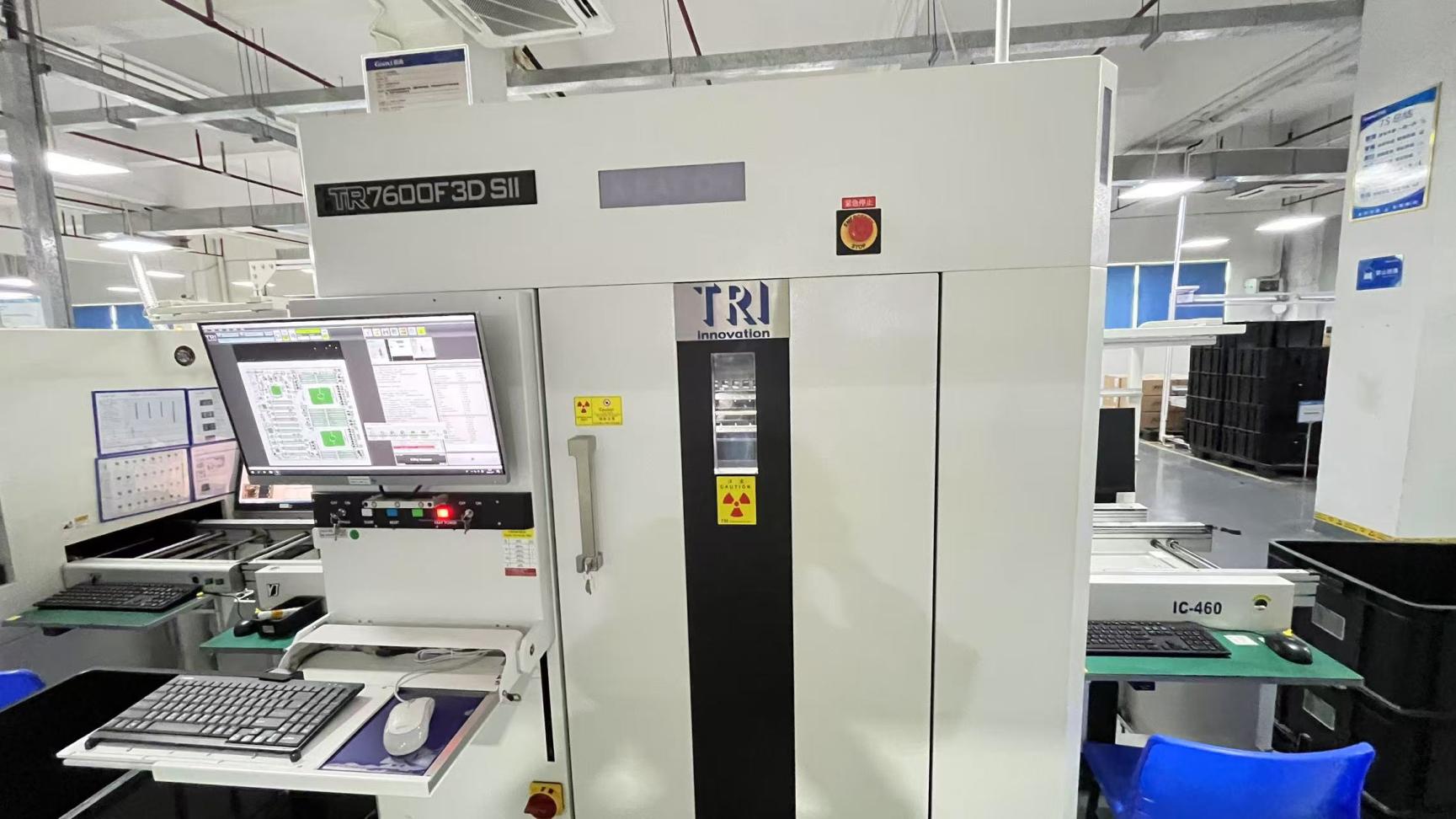
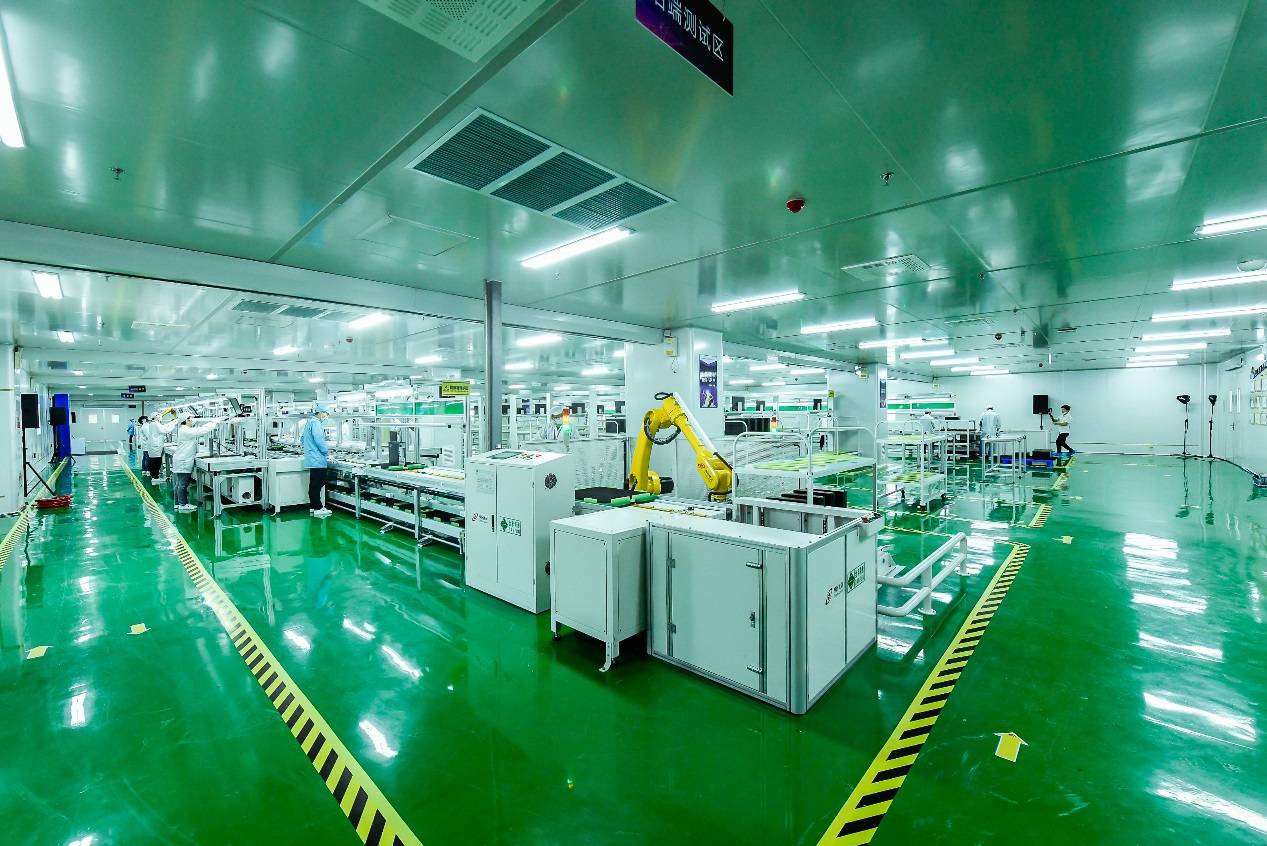
Ensuring reliable high-speed data transmission requires advanced machinery, high-grade clean rooms, and extensive testing apparatus. Take an inside look at our 8,500㎡ facility in action.