Lumetra
Lumetra
Lumetra
High-performance optical transceivers, EMI shielded cages, and RJ45 jacks designed for next-generation telecommunication hubs.
The global networking landscape is undergoing a massive shift. As data centers, telecom base stations, and industrial automation networks transition to higher frequencies and smaller form factors, the physical layer components—specifically RJ45 connectors and SFP cages—must keep pace. A Flex RJ45 Connector offers superior design adaptability over traditional rigid jacks, facilitating critical flexibility in high-vibration environments, space-constrained edge computing architectures, and complex motherboard configurations.
With 10GBASE-T, Cat6A, and Cat8 ethernet standards becoming mainstream, connectors must prevent attenuation, crosstalk, and return loss at high operating frequencies.
Integrated metallic cages and advanced EMI gaskets ensure signal protection from high-frequency electromagnetic interference common in dense server racks.
As Power-over-Ethernet (PoE+ & PoE++) protocols deliver up to 90W-100W, advanced thermal engineering prevents catastrophic connector meltdowns and signal degradation.
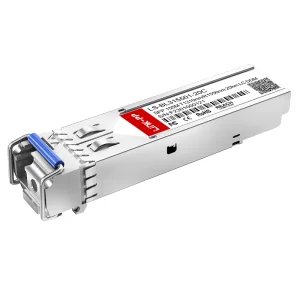
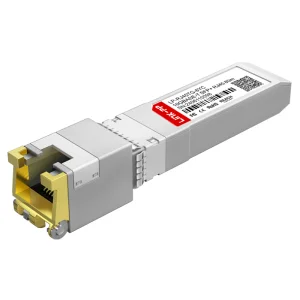
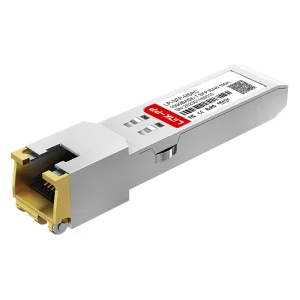
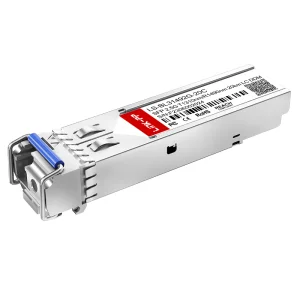
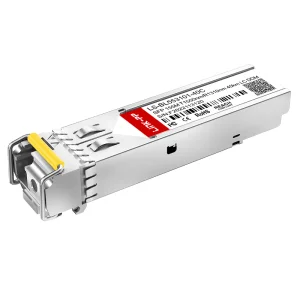
Originally, RJ45 ports served basic communication platforms. However, the rise of the IoT (Internet of Things) and AI hardware workloads demands high-speed, flexible connector designs that support hybrid fiber-to-copper operations. System integrators frequently utilize SFP to RJ45 transceiver modules (such as 10GBASE-T SFP+ copper modules) to bridge legacy copper cabling with high-speed optical transceivers. This combination leverages the flexibility of RJ45 with the bandwidth of fiber optics.
When sourcing optical connectivity and physical networking hardware from China, global procurement managers look beyond per-unit costs. The modern sourcing strategy relies on evaluating total cost of ownership (TCO), supplier manufacturing capability, and supply chain resilience. High-quality RJ45 and SFP transceivers must meet international safety and environmental compliance standards, including UL, CE, RoHS, and REACH.
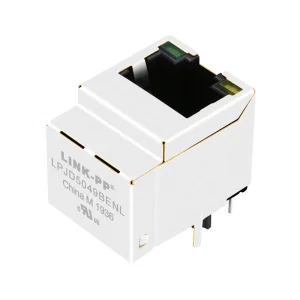
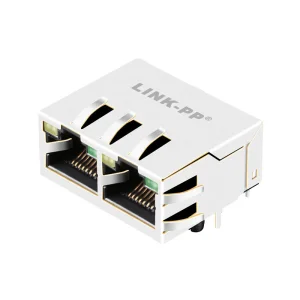
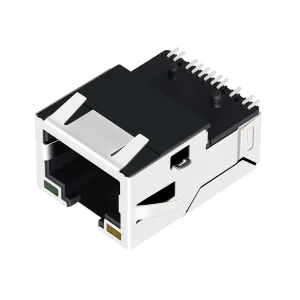
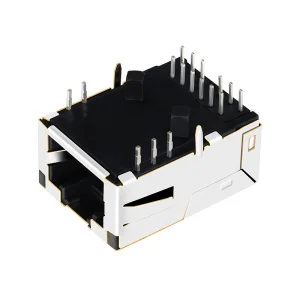
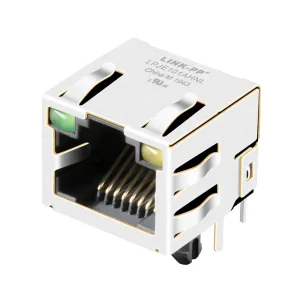
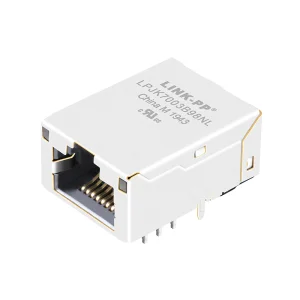
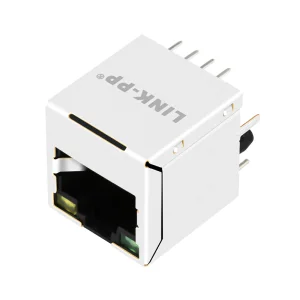
Furthermore, customized requirements are now standard. Large-scale server manufacturers require tailored port geometries (such as low profile SMT RJ45 jacks), specific LED configurations (bi-color, single-color green/yellow), and integrated magnetics (MagJacks) that combine filtering and surge protection into a single compact housing. This saves board space while boosting electrostatic discharge (ESD) protection.
China's component manufacturing sector has evolved from simple assembly lines into an automated, vertically-integrated ecosystem. Leading Chinese factories deploy advanced automation technologies that guarantee consistent quality, precise mechanical tolerances, and scale efficiency.
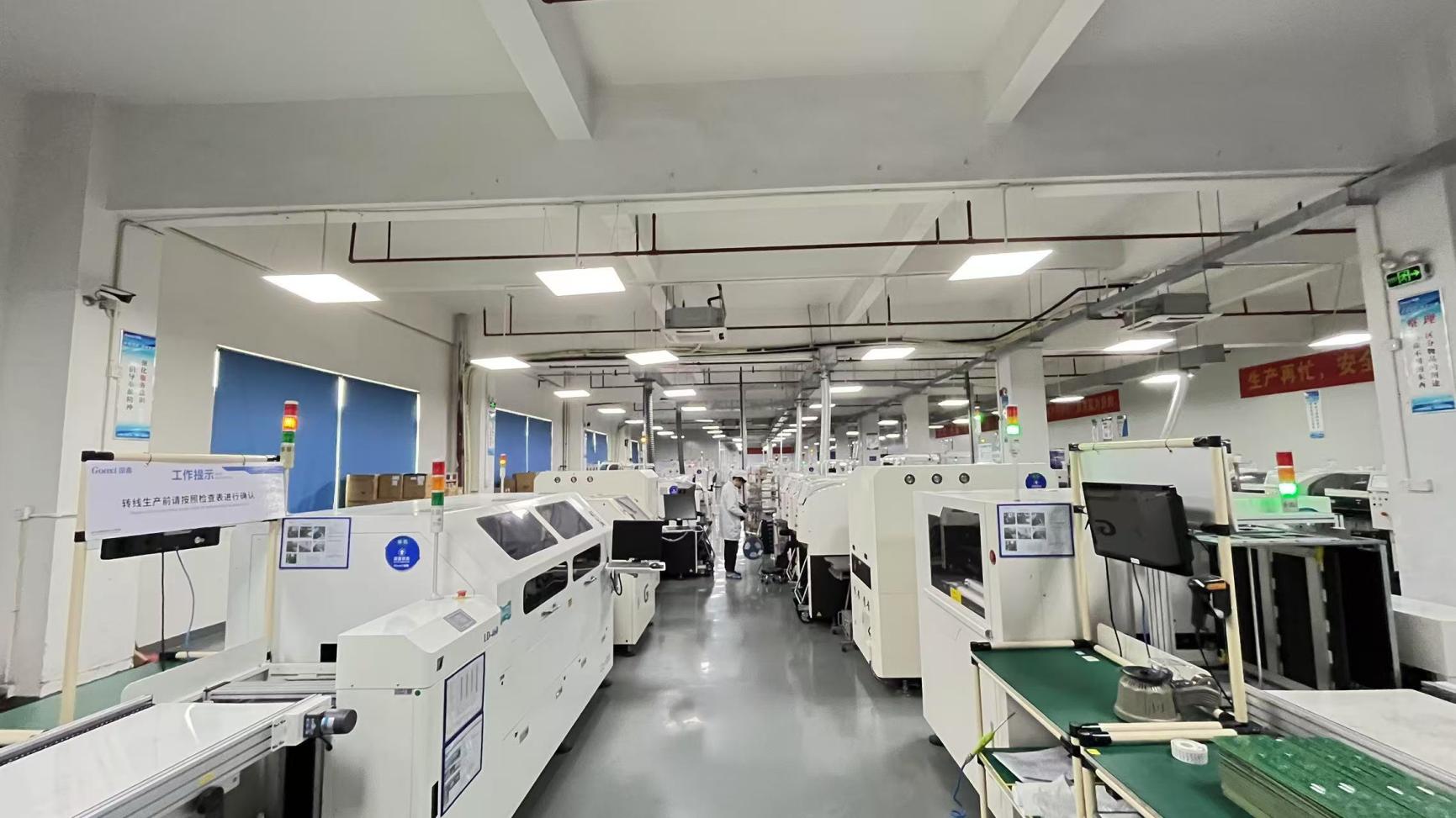
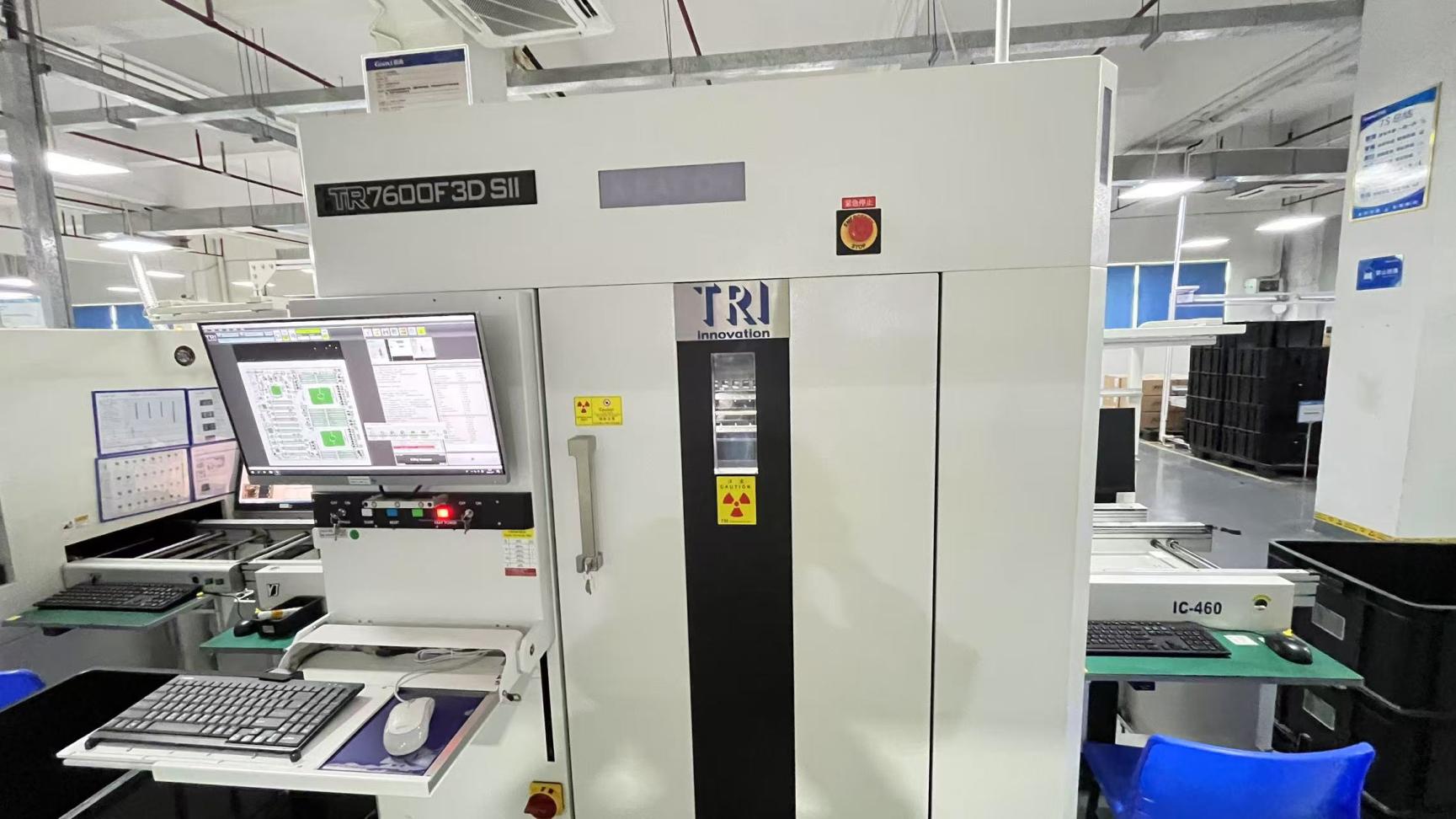
Modern RJ45 and SFP cage production relies on automated high-speed stamping presses capable of creating complex EMI shield structures with tolerances down to the micrometer level. Standard manual insertion is replaced by automated optical inspection (AOI) machines and robotic assembly systems. These systems verify terminal alignment, solder joint integrity, and housing dimensions in real time, virtually eliminating human error.
One of China’s major advantages is the concentration of the raw material supply chain. Phosphor bronze for terminal pins, high-temperature engineering plastics (LCP or Nylon 9T) for connector bodies, and nickel/gold electroplating facilities are often located in close proximity. This local concentration reduces turnaround times and shields the manufacturing process from global shipping shocks.
By integrating raw material sourcing, automated precision molding, continuous electroplating, and computerized functional testing within unified logistics zones, Chinese factories maintain unmatched cost efficiency and high manufacturing speeds. This structure ensures consistent quality even during high-volume production runs.
A premier manufacturer driving innovation in optical transceivers and high-speed fiber communication networks.
Lumetra Optoelectronics Technologies Co., Ltd. is a professional manufacturer specializing in high-speed optical transceivers and fiber optic communication solutions for datacom, telecom, and cloud infrastructure applications. Founded in 2016, the company has developed into a reliable supplier with strong engineering capabilities and global export experience.
The company operates a production facility covering approximately 8,500㎡, supporting efficient manufacturing and quality-controlled assembly processes. With annual export revenue reaching around USD 18 million, Lumetra has built stable international business channels and accumulated 7 years of export experience, backed by 11 years of overall industry expertise.
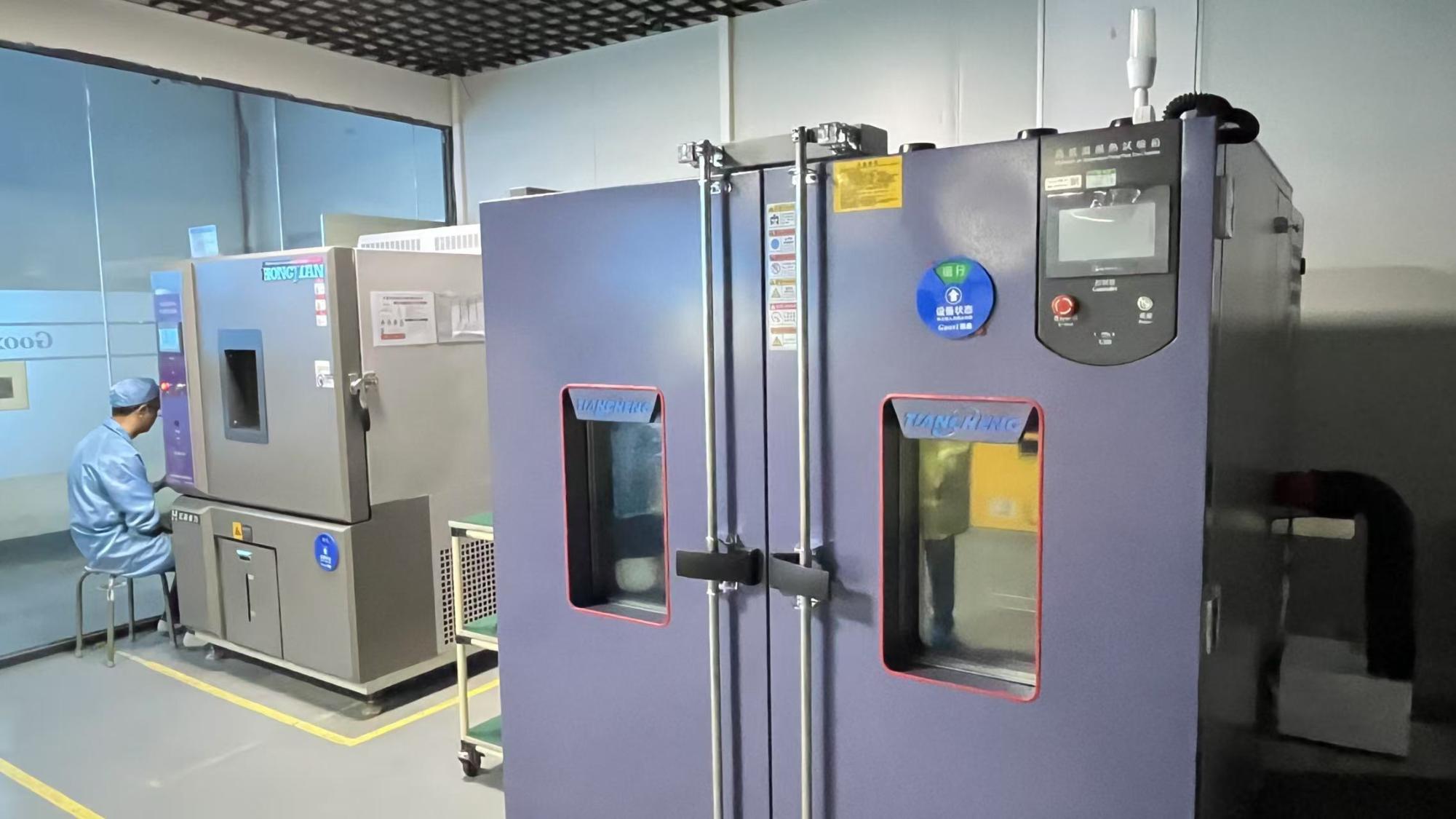
Quality assurance is maintained through a combination of automated optical performance testing, environmental stress screening, and manual inspection processes. The quality control team consists of 48 trained inspectors ensuring strict compliance with international standards.
Advanced Customization Capabilities: With a strong R&D capability, Lumetra supports advanced customization including protocol compatibility, wavelength tuning, form factor adaptation, and power optimization. The company employs 86 R&D engineers focused on optical design, hardware development, and signal integrity optimization. In the past year, Lumetra launched approximately 220 new products, reflecting its continuous innovation in high-speed optical communication technologies.
Lumetra maintains a diversified trade background with strong presence in OEM and ODM markets. Its primary markets include North America, Europe, Southeast Asia, and the Middle East, serving telecom operators, data center integrators, and network equipment distributors. The company collaborates with over 1,200 supply chain partners to ensure stable component sourcing and manufacturing efficiency. Its customer base mainly includes telecom carriers, hyperscale data centers, system integrators, and optical network equipment brands.

Networking hardware must be designed to withstand the physical and environmental stresses of its intended installation environment. Our range of RJ45 connectors, SFP transceivers, and SFP+ cages are deployed across key global industries:
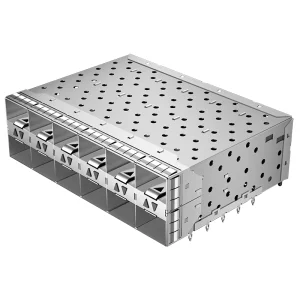
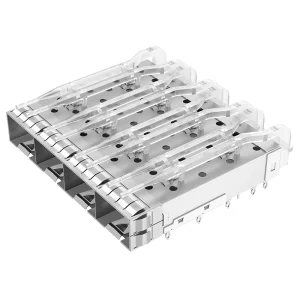
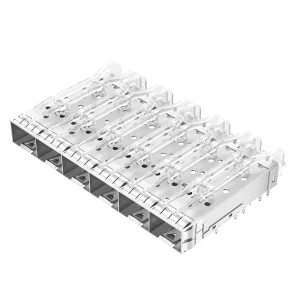
High-density stacked cages (such as SFP28 2x6 stacked ports) and low-profile RJ45 jacks maximize bandwidth per rack unit. Efficient SFP cages with light pipes provide real-time diagnostic visibility, reducing maintenance times in high-speed datacom arrays.
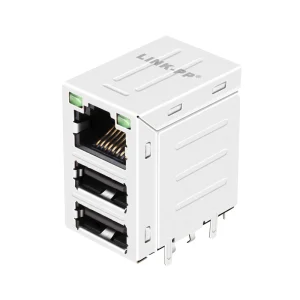
Outdoor telecommunication networks face thermal fluctuations and humidity. Vertical PoE/PoE+ RJ45 magnetic connectors deliver both electrical insulation and power injection to wireless transmitters and IP cameras under extreme weather conditions.
Smart factories require robust connections to prevent downtime. Vibration-resistant SMT ethernet connectors with integrated magnetics filter out high-frequency EMI generated by heavy machinery, maintaining reliable communications.
Technical clarifications on performance, sourcing, compatibility, and design configurations.
Discover our comprehensive collection of optical modules, high-density stacked cages, and robust RJ45 connections.