Lumetra
Lumetra
Lumetra
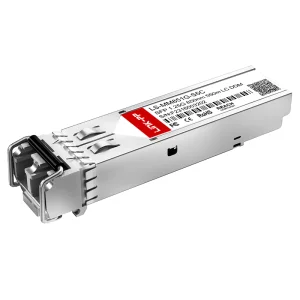
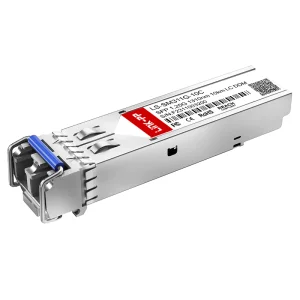
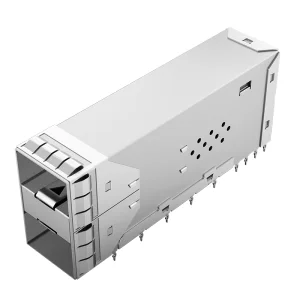
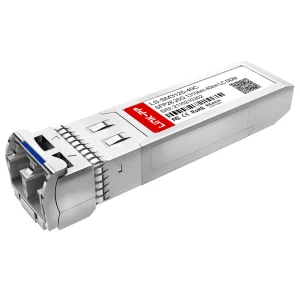
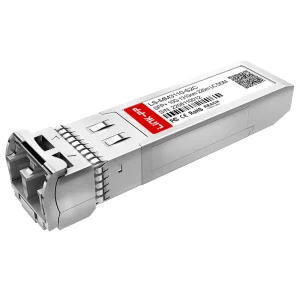
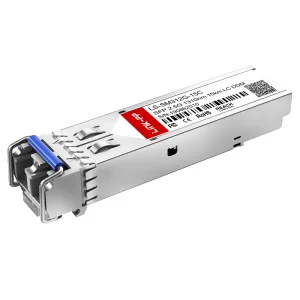
In modern networking environments, the SFP (Small Form-factor Pluggable) interface functions as the critical link between physical transceivers and host system printed circuit boards (PCBs). High-quality connectors are designed to minimize signal degradation, handle high thermal dissipation, and reduce electromagnetic interference (EMI).
At data rates reaching 25Gb/s (SFP28) and 56Gb/s (SFP56), maintaining a stable 100Ω differential impedance across the interface is necessary. Precise micro-machining and exact contact geometry reduce return loss and insertion loss, preventing signal degradation at high operating frequencies.
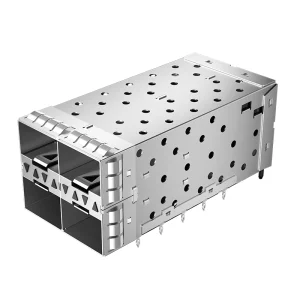
High-density system cards generate significant electromagnetic emissions. Utilizing multi-point grounding tabs and press-fit metal cages provides shielding against electromagnetic interference (EMI), helping the system meet FCC Part 15 and EN55022 Class B standards.
High-speed optical transceivers produce heat. Integrating custom heat sinks and open-airflow cage designs helps dissipate heat away from the optical components, extending the operational life of the transceivers.
Established in 2016, Lumetra Optoelectronics Technologies Co., Ltd. specializes in the manufacturing of high-speed optical transceivers and fiber optic communication components for datacom, telecom, and cloud infrastructure markets. Leveraging 11 years of industry experience and 7 years of export history, we deliver reliable connectivity hardware to system integrators, network equipment manufacturers, and global telecom providers.
Our manufacturing facility supports complete control over optical assembly, testing, and packaging. We maintain partnerships with over 1,200 supply chain companies, securing direct access to raw materials and electronic components. This integrated network helps ensure production stability and consistent delivery timelines, even during market disruptions.
Located in China’s optical communications manufacturing hub, Lumetra benefits from access to specialized raw materials, local precision tooling, and highly skilled engineering talent. These regional advantages allow us to maintain competitive production timelines and scale manufacturing output quickly.
Our engineering team supports product customization, including custom pin mapping, layout modifications, specific EEPROM coding for equipment compatibility, and optimized heat sink designs.
Every production batch undergoes automated electrical and optical testing. Using network analyzers, digital communication analyzers, and temperature chambers, we verify transmission rates and stability across varying conditions.
We provide direct shipping options, clear customs documentation, and responsive customer support to simplify logistics and facilitate integration into your local production lines.
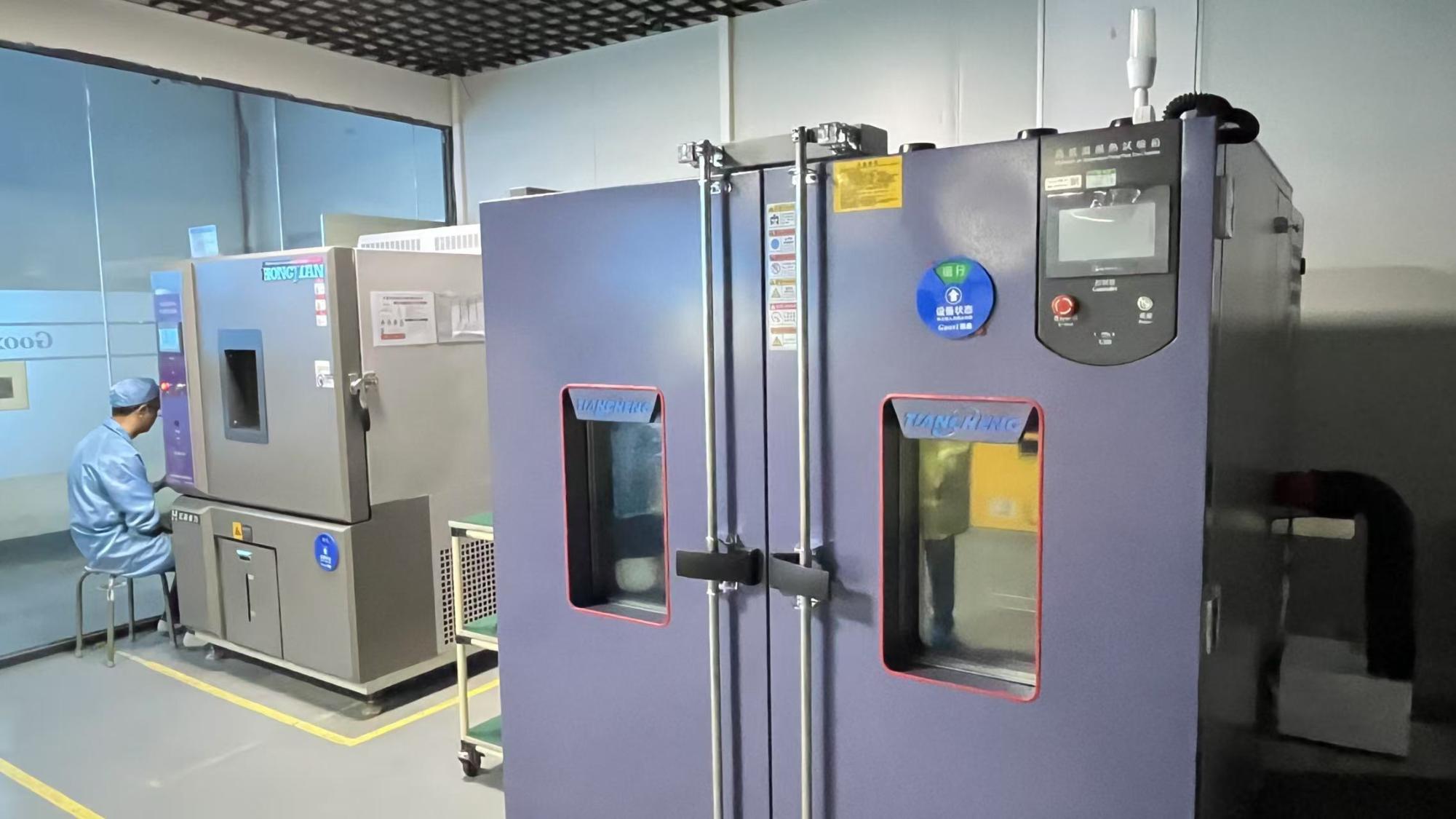
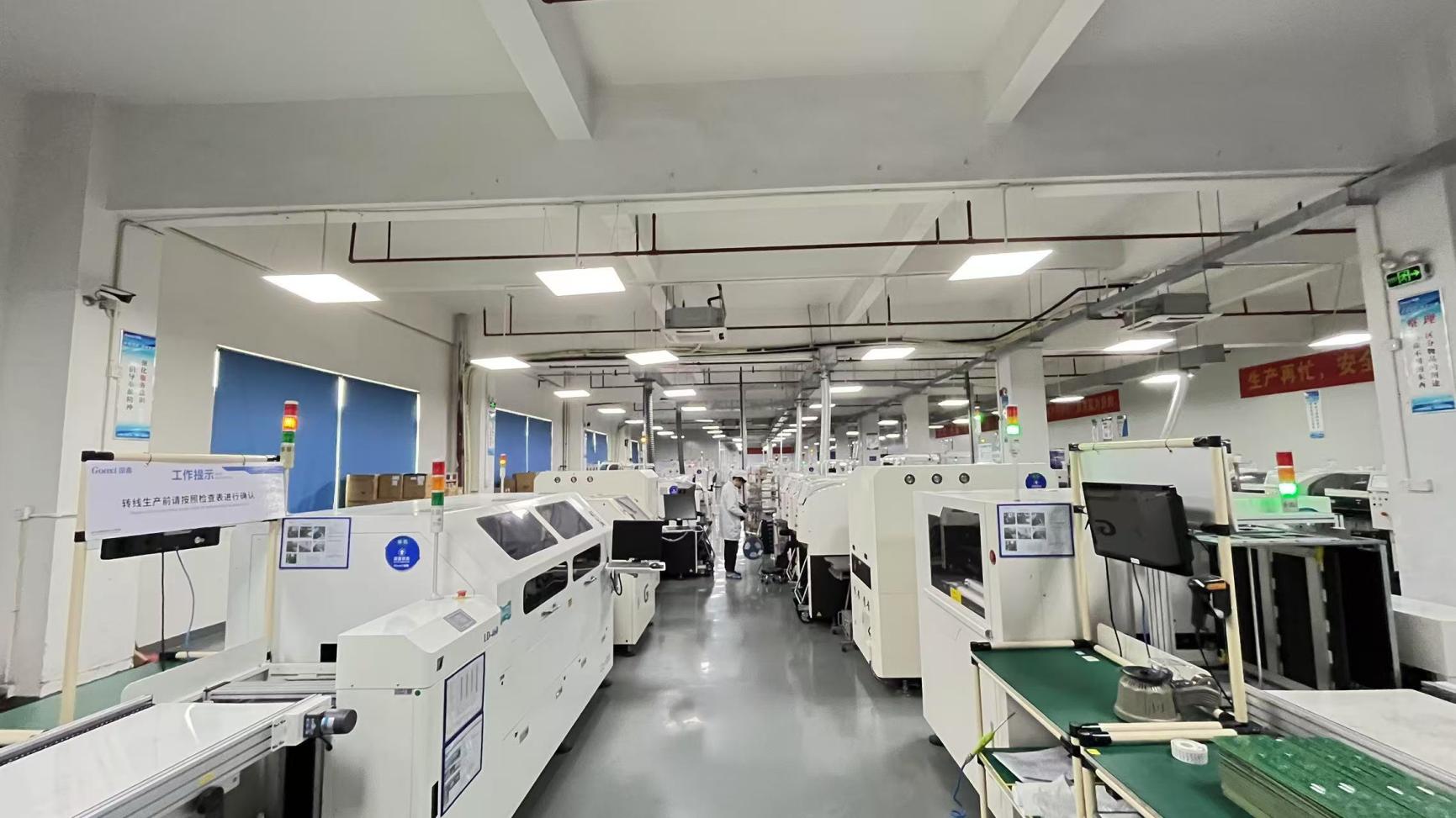
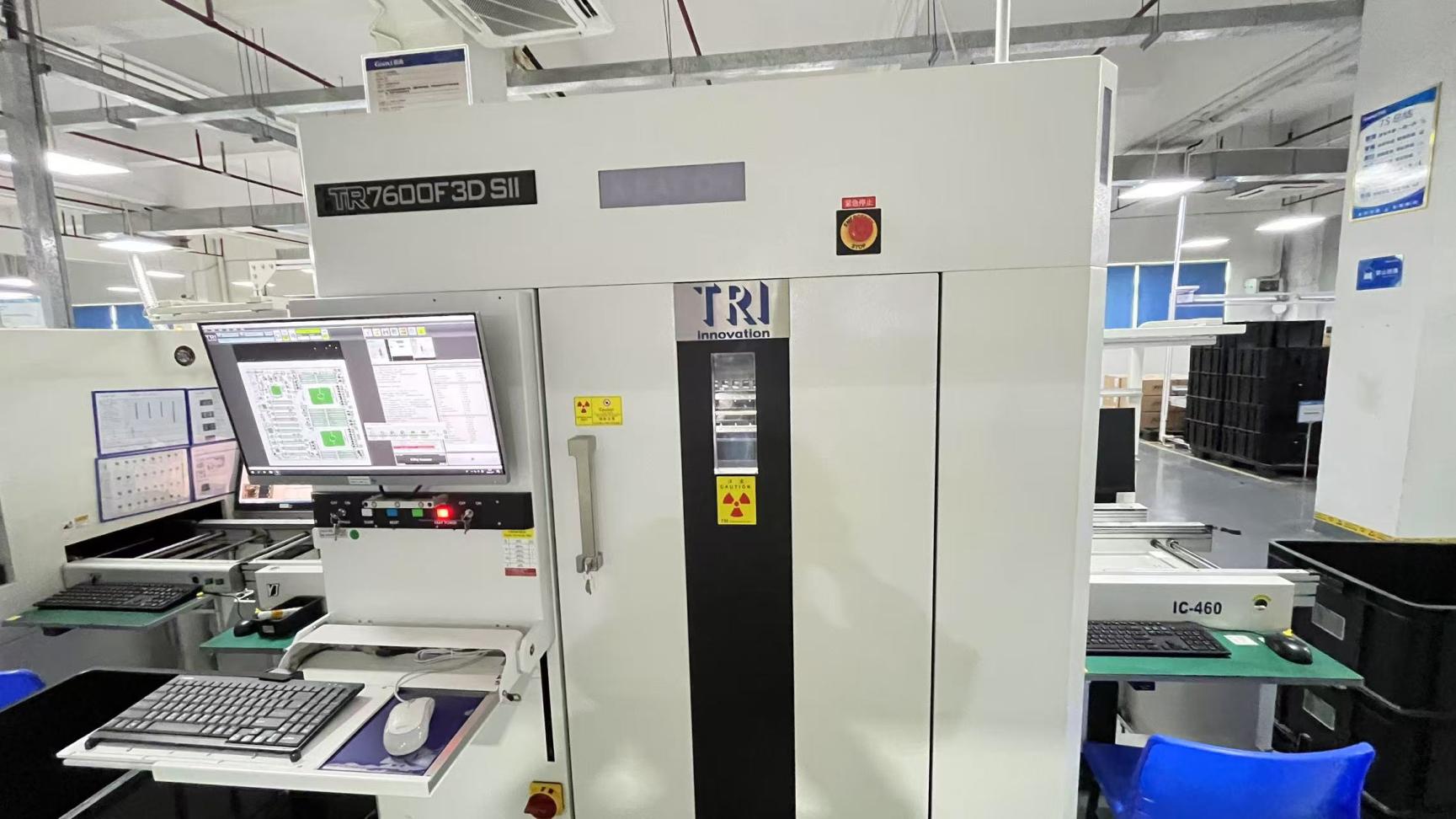

Our connectors and transceivers are used across telecom, datacom, and industrial environments worldwide.
| Application Scenario | Interface Requirement | Key Performance Parameter | Lumetra Recommended Solution |
|---|---|---|---|
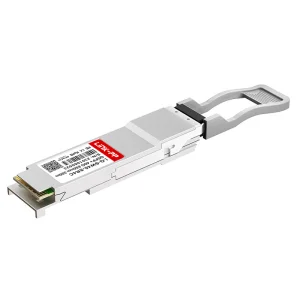
| Hyperscale Data Centers | High-density SFP28/QSFP28 cages | Low insertion loss, 25Gb/s+ per lane | 25G SFP28 ER 40km / TE Replacement Cages |
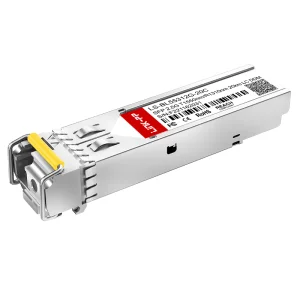
| 5G Fronthaul & Telecom | Outdoor industrial-grade cages | Operating Temp: -40°C to +85°C | Cisco GLC-LH-SMD Industrial Transceivers |
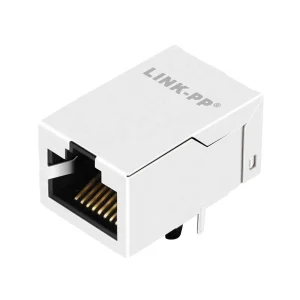
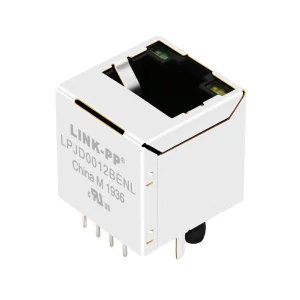
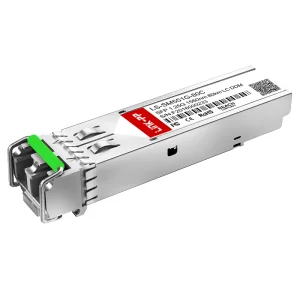
| Enterprise Networking | Standard SFP/SFP+ RJ45 and LC | Wide hardware compatibility (EEPROM) | J4858D HPE Aruba Compatible SFP / RJ45 Jacks |
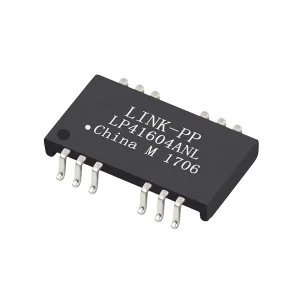
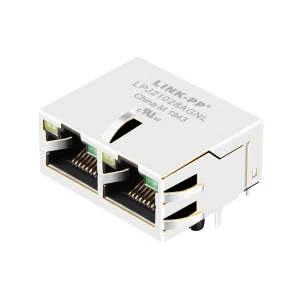
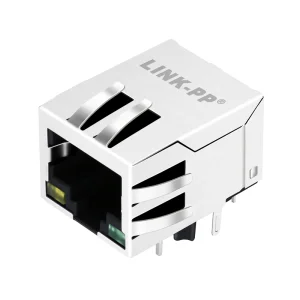
| Industrial IoT & Automation | Shielded modular jacks & filters | High EMI suppression, ESD protection | 1000Base-T SMT Modular Jacks & LAN Filters |
The growing demand for higher bandwidth in artificial intelligence (AI) clusters and cloud platforms is driving the evolution of physical connector interfaces. To support these higher speeds, connectors must handle tighter pin pitches, higher operating frequencies, and increased thermal loads.
While SFP28 (25G) and SFP56 (50G) remain common in enterprise networks, high-density applications are shifting toward PAM4-modulated 100G lanes. This transition requires tighter tolerance on mating interfaces to prevent crosstalk.
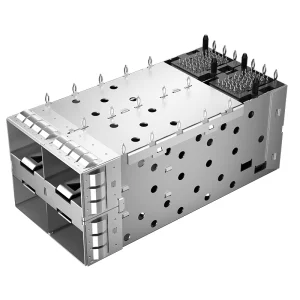
To maximize front-panel density, we produce stacked (2xN) and ganged (1xN) cages. These designs incorporate integrated light pipes, elastomeric gaskets, and EMI fingers to provide high port density while maintaining shielding performance.
Looking forward, co-packaged optics (CPO) will bring optical engines directly to the switch ASIC substrate. This shifts the connector's role toward blind-mate optical backplanes and high-density copper pluggable interfaces.
At Lumetra, quality control is integrated throughout our manufacturing processes. We operate under an ISO 9001:2015-certified management system. Our 48-inspector QA team manages strict inspection criteria across three distinct phases of production:
All incoming components—including optical sub-assemblies (TOSA/ROSA), PCBs, connectors, and cages—are inspected to ensure they meet raw material specifications before entering production.
We use automated visual inspection (AVI) and active alignment systems during assembly to monitor manufacturing quality and maintain consistent assembly tolerances.
Prior to shipping, every transceiver is tested for optical power, receiver sensitivity, and eye diagram compliance, and undergoes compatibility verification with major switch brands.
Our products are manufactured in compliance with international environmental and safety standards, including RoHS (Restriction of Hazardous Substances), REACH, and carry CE, FCC, and UL certifications where applicable.