Lumetra
Lumetra
Lumetra
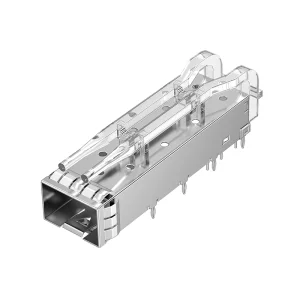
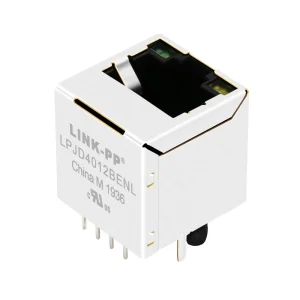
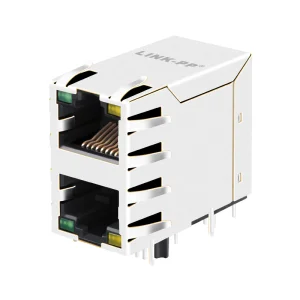
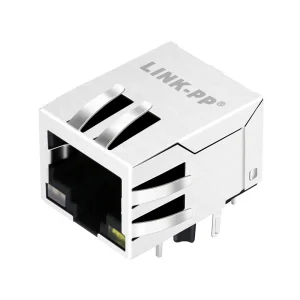
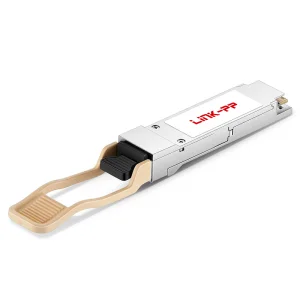
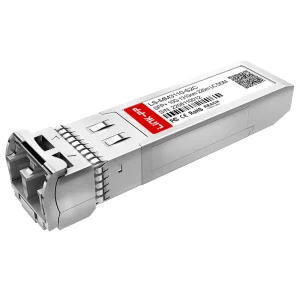
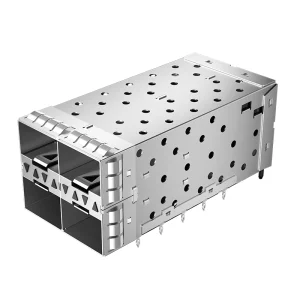
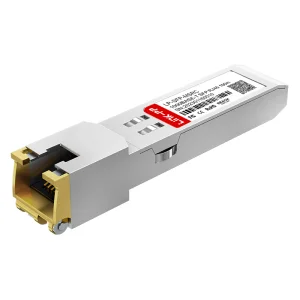
In an era defined by hyperscale data centers, edge computing architectures, and 5G/6G deployments, the physical layer remains the absolute foundation of network reliability. A single faulty copper patch cord or poorly terminated fiber optic link can trigger packet loss, latency spikes, and catastrophic network downtime. Modern network cable testing is no longer just about basic wire-map continuity; it requires validating complex transmission parameters under strict real-world conditions.
As a leading network validation partner, Lumetra Optoelectronics designs, manufactures, and exports critical components and diagnostic solutions that ensure seamless gigabit and multi-gigabit communications. By integrating advanced testing parameters—such as Return Loss, Near-End Crosstalk (NEXT), Insertion Loss, and Shielding Integrity—we empower telecommunication operators and infrastructure engineers to certify network installations with absolute confidence.
Standard enterprise infrastructures deploying Cat6A, Cat7, or Cat8 copper lines demand testers capable of certifying frequencies up to 2000 MHz. These devices must map propagation delay, delay skew, and DC loop resistance to ensure compatibility with Power over Ethernet (PoE++ IEEE 802.3bt) requirements.
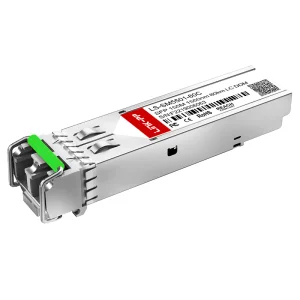
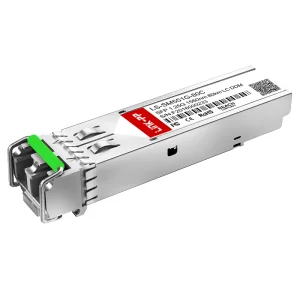
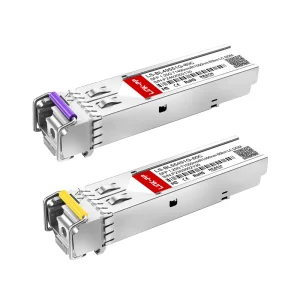
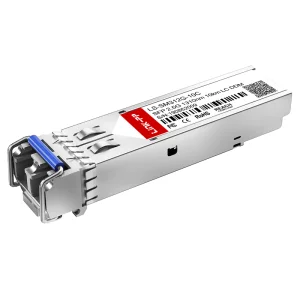
On the optical side, our transceivers and connector components undergo rigorous validation tests under extreme thermal and electromagnetic environments to prevent signal degradation. This comprehensive engineering approach guarantees that when a network cable tester or optical power meter audits a system built with Lumetra hardware, the system passes certified parameters effortlessly.
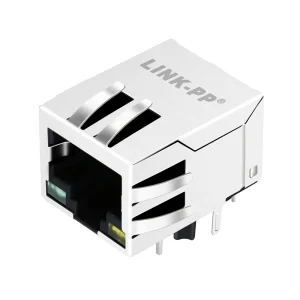
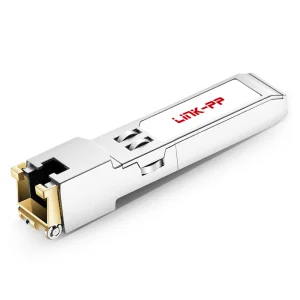
Lumetra Optoelectronics Technologies Co., Ltd. is a world-class professional manufacturer specializing in high-speed optical transceivers, copper interconnect systems, and comprehensive fiber optic communication solutions.
Different regional markets present unique technical challenges, climate variations, and compliance requirements. A generic testing or component configuration is insufficient for enterprise compliance.
In North America, hyperscale data centers require rapid deployments compliance-tested to ANSI/TIA-568 standards. Enterprise networks rely on automated optical transceivers and high-density copper panels. Lumetra's products provide the critical signal path integrity required to pass strict Fluke DSX-8000 validation testing, supporting high-throughput Ethernet configurations up to 200G and 400G.
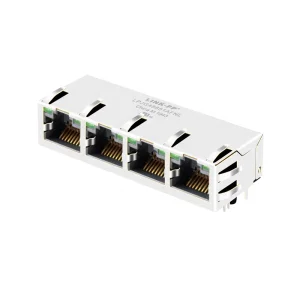
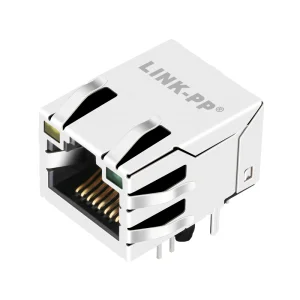
European deployments emphasize low smoke zero halogen (LSZH) cables and robust electromagnetic compatibility (EMC) standards defined by EN 50173. Testing focus shifts toward screening integrity and shield resistance. Our EMI-shielded cages and high-performance magnetic connectors are specifically engineered to satisfy strict CE and RoHS directives in European telecom hubs.
APAC features high-density urban smart infrastructure and harsh industrial automation zones. Environmental noise and high ambient temperatures require components with exceptional heat dissipation and noise resistance. Lumetra's connectors and high-speed transceivers are optimized for industrial Ethernet protocols, guaranteeing high performance in automated environments.
Under the guidance of our 86 R&D engineers, Lumetra maintains an active innovation roadmap to support future telecom, datacom, and enterprise installations. As speeds migrate from 100G/200G to 400G, 800G, and 1.6T, physical testing standards must evolve accordingly.
Our optical and copper designs focus on minimizing signal distortion, optimizing insertion loss, and enhancing heat dissipation. The introduction of 220 new products in the past year proves our commitment to active technological innovation.
Our core technical areas focus on:
As fiber-deep deployments extend Closer to the Edge (FTTE), optical networks and high-frequency copper loops must be ready for automated, continuous, self-testing mechanisms. The integration of diagnostic sensors within the physical connectors is one of our active R&D pursuits.
Lumetra's vision includes manufacturing transceivers that do not merely transmit data but act as passive network probes, providing signal degradation alerts directly to centralized network management systems. This reduces dependence on manual testing and speeds up troubleshooting.
Over 70% of network failures are caused by physical layer components. Using pre-tested, certified SFP modules and RJ45 magnetic connectors reduces initial deployment test failures by 40%.
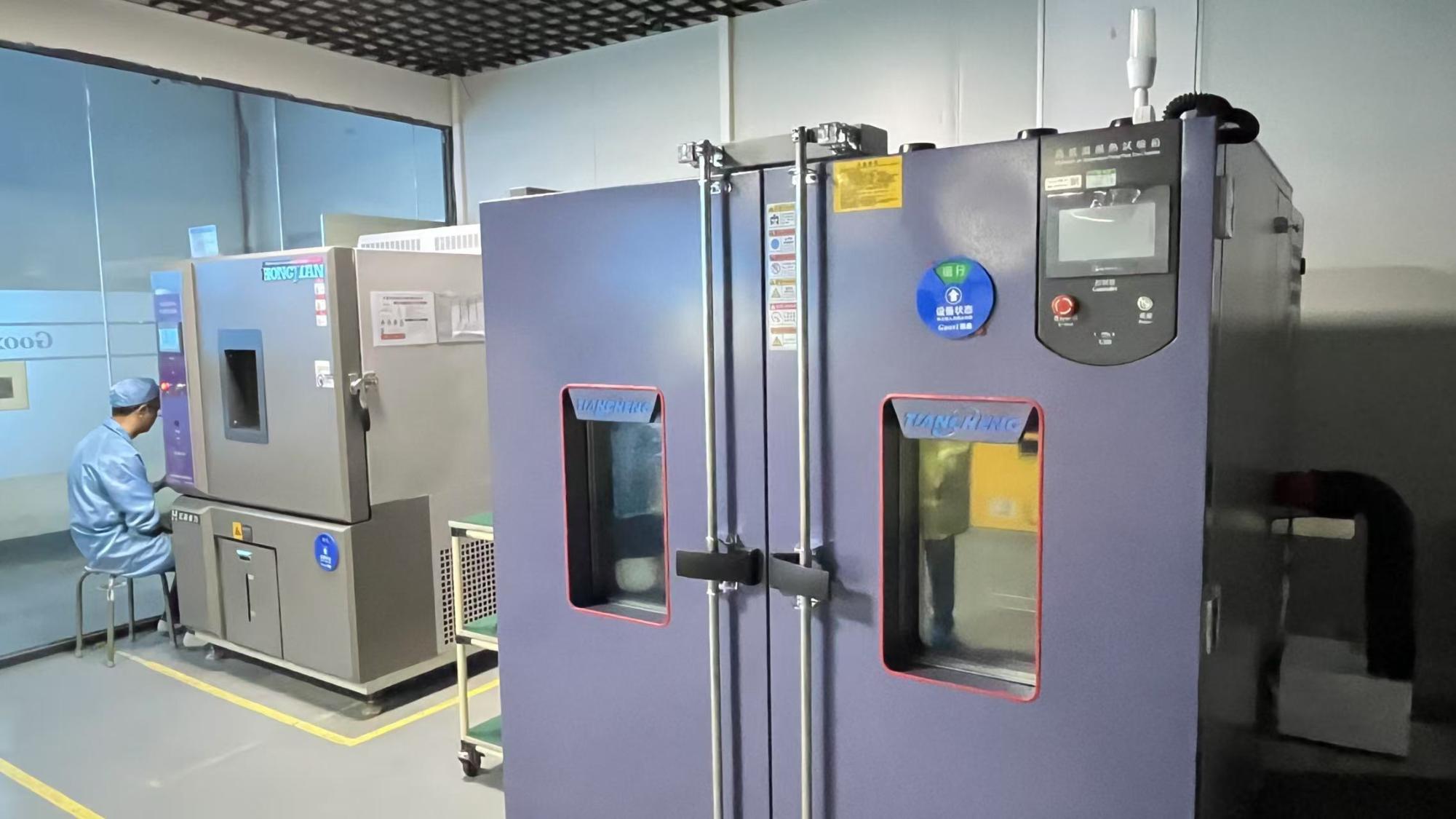
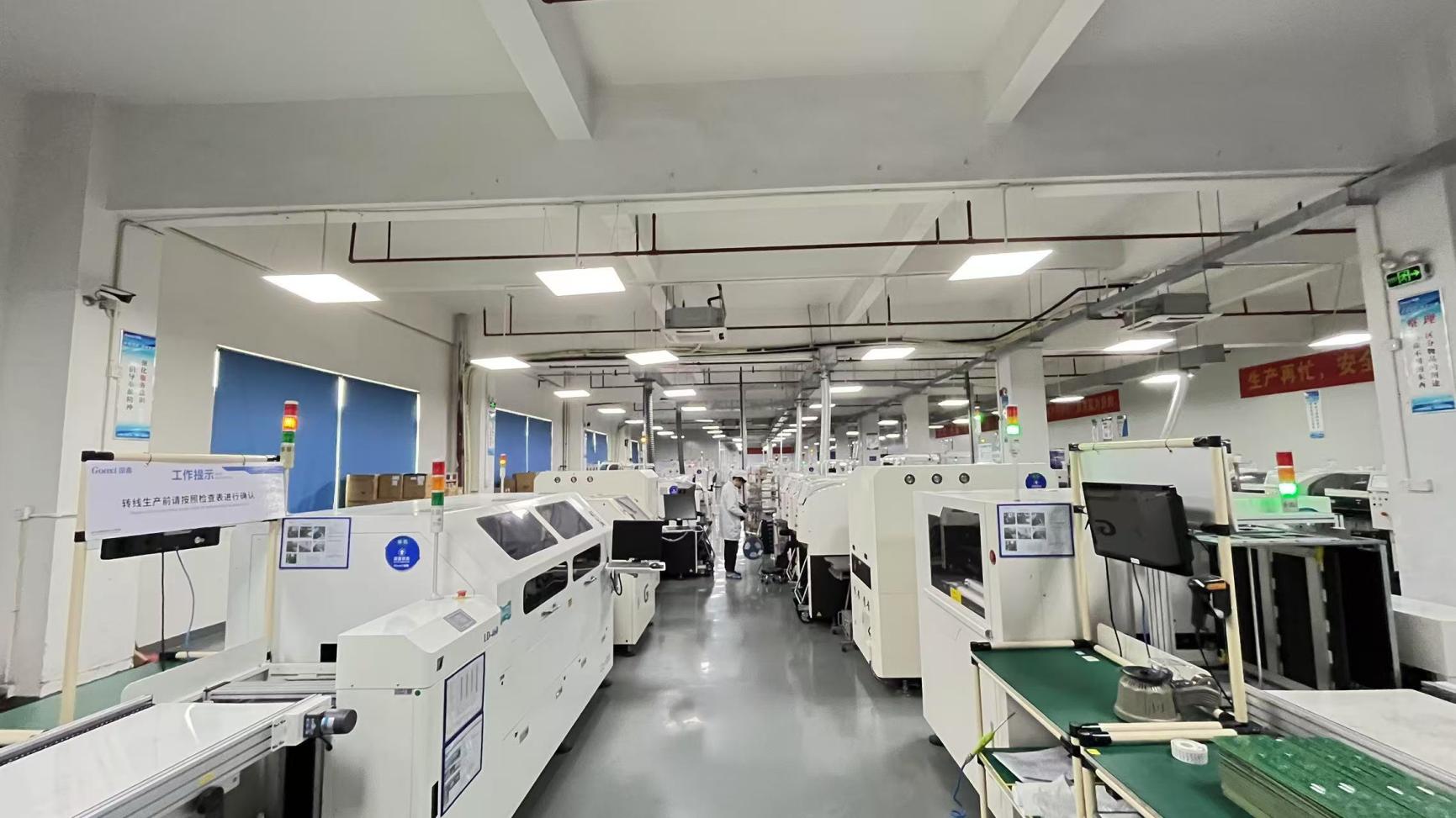
Our ISO 9001:2015 certified 8,500㎡ facility combines automated optical alignment systems, advanced environmental chambers, and highly trained manual QA inspections to guarantee consistent quality.


Operating from the center of global electronics manufacturing, Lumetra leverages a network of over 1,200 trusted supply chain partners. This robust infrastructure ensures consistent material sourcing, component abundance, and manufacturing continuity, even during sudden market fluctuations.
By sourcing raw components directly from certified manufacturers, we reduce production cycles and offer highly competitive pricing. We maintain critical raw materials in reserve, shielding our global clients from supply chain disruptions.
Our global supply network serves clients across North America, Europe, Southeast Asia, and the Middle East. With 7 years of export experience and an annual export value of USD 18 million, our team manages customs clearance, logistics channels, and regional certifications smoothly.
Quality is not a final step; it is embedded throughout our entire assembly line. Lumetra employs 48 trained quality inspectors who verify every production stage using high-precision testing instruments.
We use Automated Optical Inspection (AOI) systems to check solder joint integrity, component alignment, and micro-dimensional precision across all RJ45 and SFP+ connector designs, preventing assembly errors.
Every high-speed transceiver batch undergoes Environmental Stress Screening (ESS). This includes thermal cycling and humidity aging tests to ensure long-term stability in harsh environmental conditions.
We run high-frequency Bit Error Rate Testing (BERT) and eye diagram evaluations to verify jitter margins, optical output power, and receiver sensitivity, ensuring complete standards compliance.