Lumetra
Lumetra
Lumetra
Explore our top-performing components designed for high-density configurations, robust electro-magnetic shielding, and multi-gigabit routing verification.
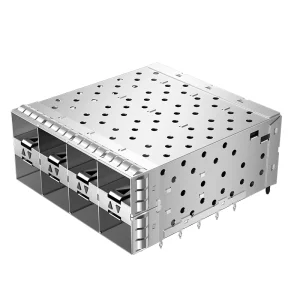
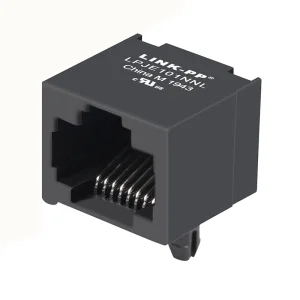
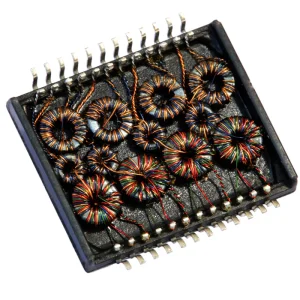
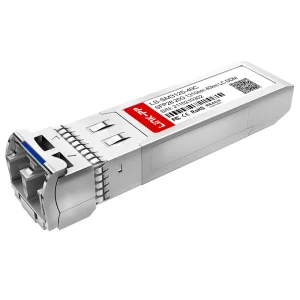
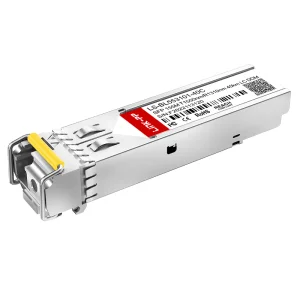
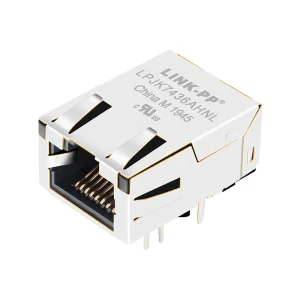
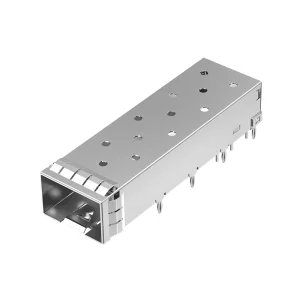
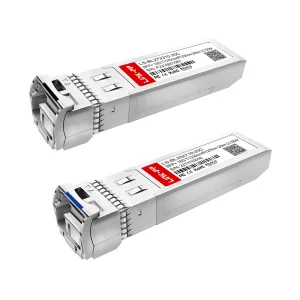
In the contemporary landscape of multi-gigabit networking, industrial internet-of-things (IIoT), and hyperscale data centers, structural physical integrity stands as the baseline of digital performance. The RJ45 interface, along with high-speed transceiver interfaces such as SFP, SFP28, and QSFP, serves as the fundamental conduit for high-bandwidth telemetry. However, as link speeds escalate from 1Gbps to 25Gbps and beyond, copper and optical ports become highly susceptible to insertion attenuation, return loss variations, near-end crosstalk (NEXT), and electromagnetic interference (EMI).
This reality has driven the need for advanced diagnostic and physical validation tools. The demand for RJ45 connector testers and related verification systems has evolved from basic electrical continuity checks to complex high-frequency network analysis. Modern factories, telecommunication carriers, and system integrators cannot afford micro-second interruptions. Consequently, verifying the mechanical, electrical, and shielding specifications of each component prior to deployment is a critical requirement for maintaining service level agreements (SLAs).
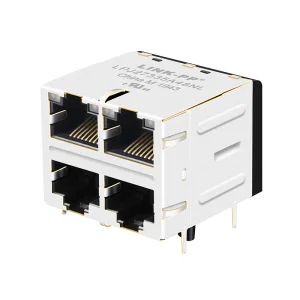
When deploying stacked cages, network transformers, and modular female jacks (such as the RJHSE-5085 series), physical anomalies like micro-cracks in gold plating, incorrect pin alignments, or insufficient shielding contacts can introduce impedance mismatches. These issues degrade signals and increase bit-error rates (BER).
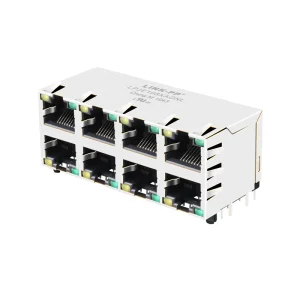
Global procurement teams must partner with trusted manufacturers who offer not just components, but integrated verification ecosystems. Physical-layer diagnostics ensure that multi-port configurations (such as 2x2 or 2x4 integrated magnetics) maintain cross-port isolation and comply with IEEE 802.3 Ethernet standards, preventing costly field failures.
How tier-one system integrators and telecommunication providers qualify manufacturers and secure hardware components for infrastructure rollouts.
System architects require absolute protection against ground loops and power surges. Integrated magnetic modules and RJ45 connector testers must verify dielectric breakdown voltage limits up to 1500V AC, matching IEEE safety configurations.
High-density stacked SFP and RJ45 ports (e.g., 2x4 and 2x2 press-fit assemblies) must have optimal spring-finger ground contact points to block high-frequency radiation. Testing these shielding characteristics prevents packet degradation.
With multi-market deployments spanning North America, Europe, and Asia, operators require partners with direct raw material access, comprehensive test report traceability, and flexible OEM/ODM manufacturing processes.
Established in 2016, Lumetra Optoelectronics Technologies Co., Ltd. is a leading manufacturer specializing in high-speed optical transceivers, SFP cages, and advanced copper interconnects. Our products support high-density datacom, telecom, and cloud infrastructure operations. Drawing on over 11 years of industry experience and 7 years of export history, we produce network interfaces that integrate with global networks.
Operating an 8,500㎡ state-of-the-art production facility, Lumetra maintains strict quality control at every stage of assembly. Our quality assurance team, comprising 48 inspectors, utilizes automated optical performance testing, environmental stress screening (ESS), and manual inspection methods. This systematic approach ensures all products comply with RoHS, CE, and Telcordia specifications.
Supported by 86 R&D engineers, we specialize in customizing protocols, tuning wavelengths, optimizing power consumption, and configuring mechanical form factors. Last year, we launched 220 new products, highlighting our commitment to meeting the evolving needs of the high-speed communications market.
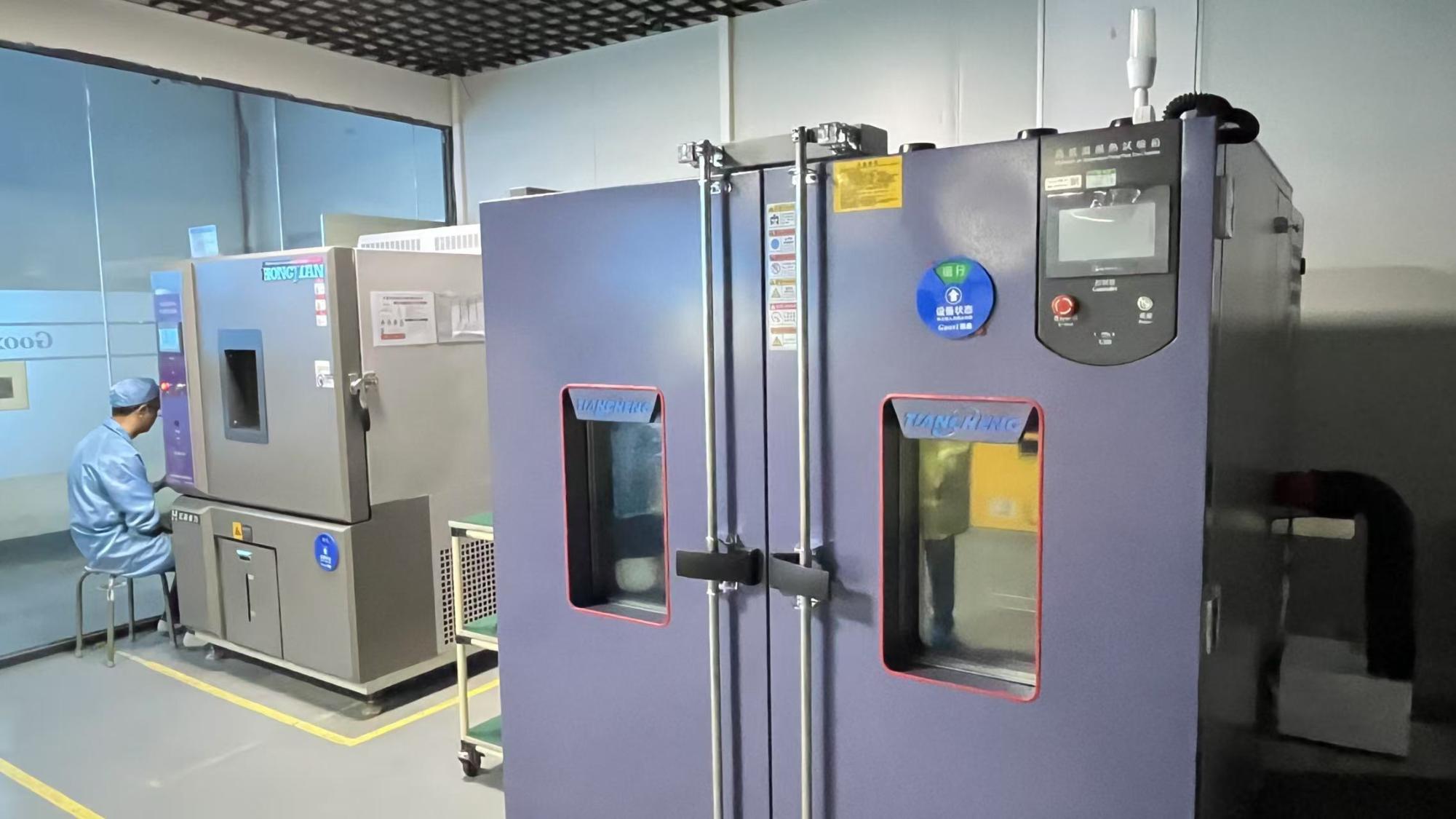
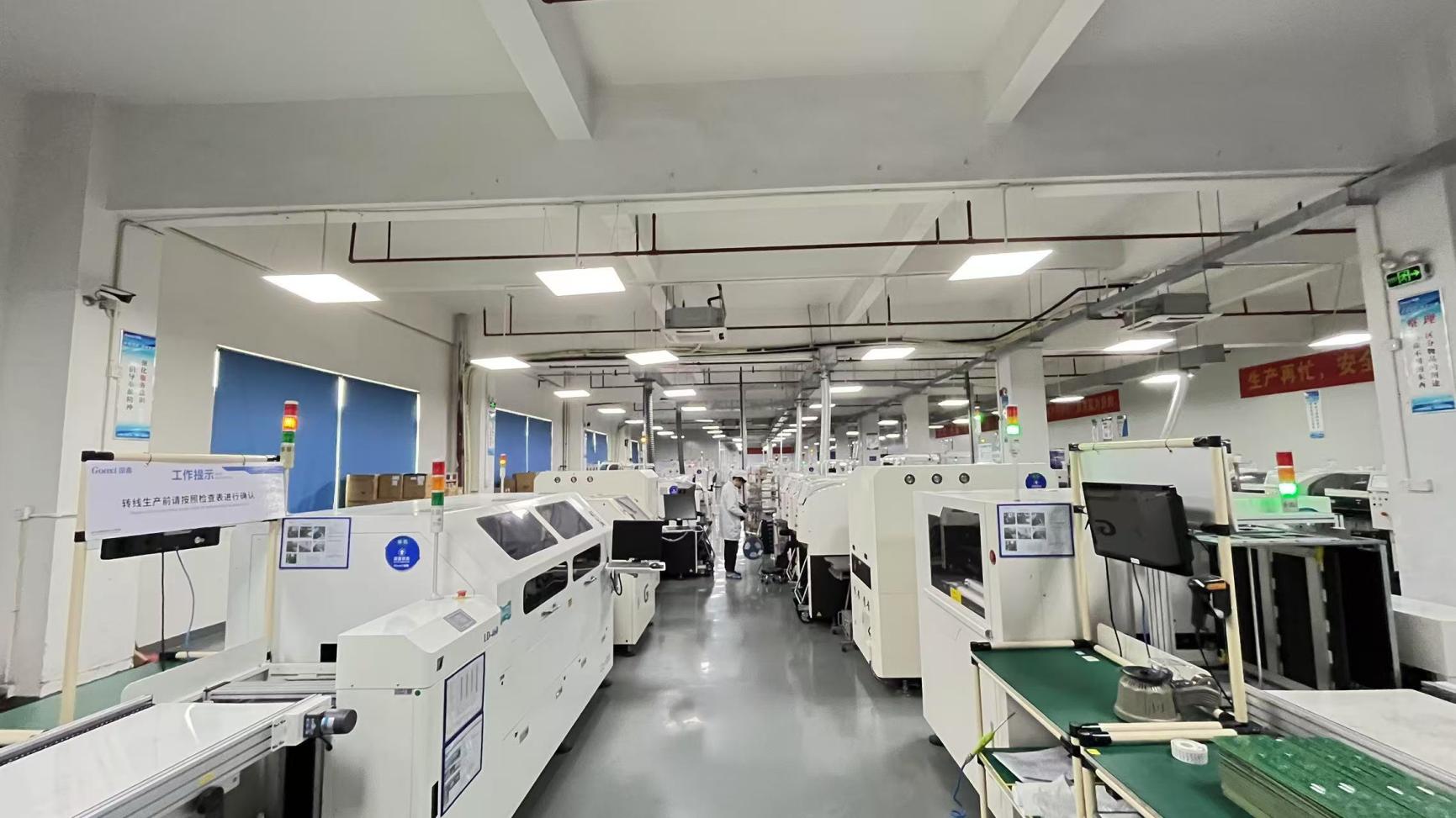
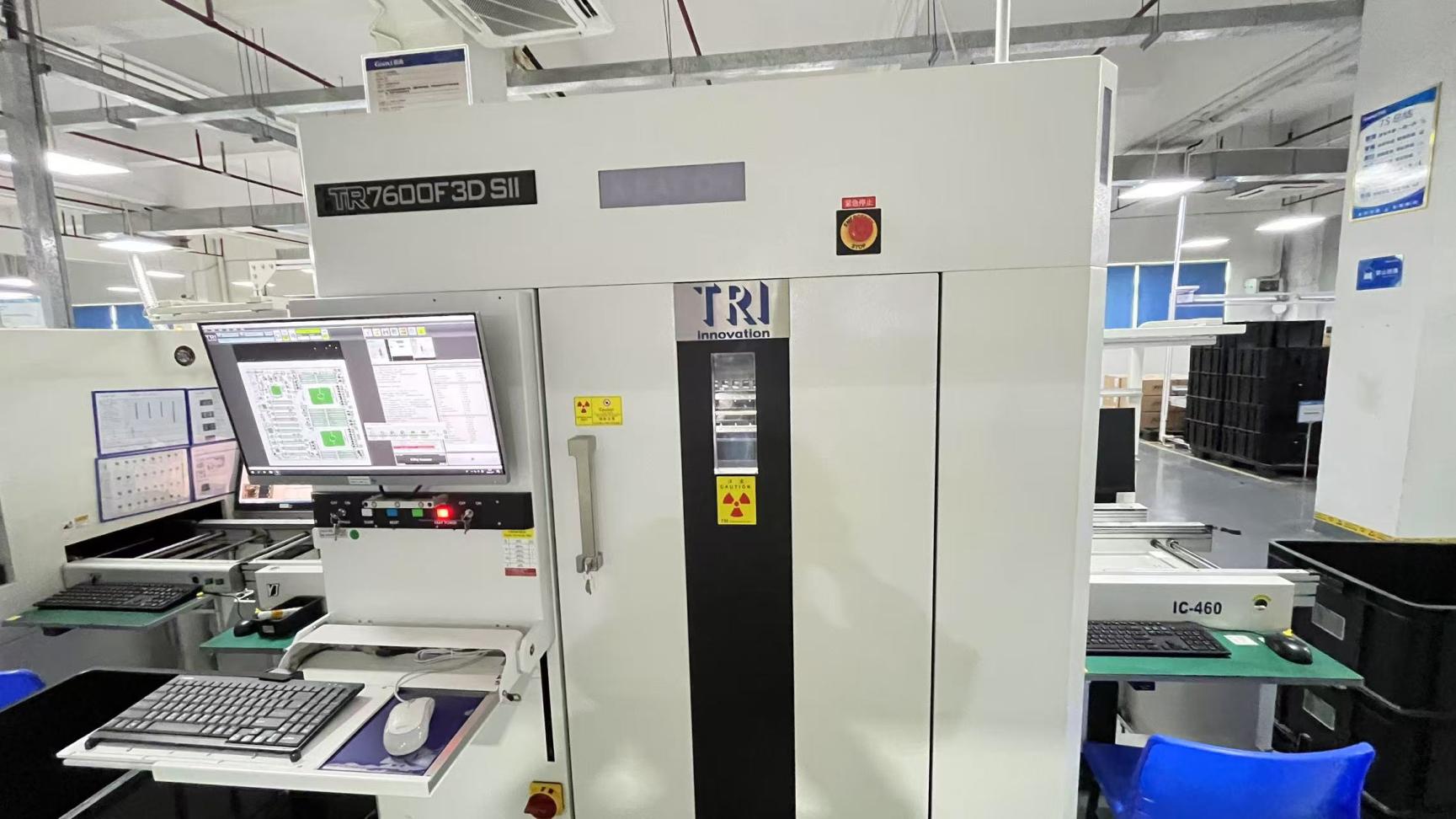

As Ethernet speeds transition from 10G to 100G and optical backplanes push past 800G, connectivity interfaces must adapt. Below is our R&D roadmap for testing and component production.
Deploying testing systems optimized for industrial Single-Pair Ethernet (IEEE 802.3cg). This focus includes minimizing connector footprint sizes and evaluating signal return-loss down to the component level for automotive and smart factory applications.
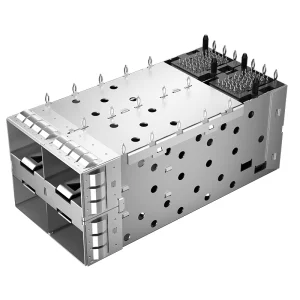
Integrating optical transceivers directly with switch silicon requires new SFP/QSFP cage configurations. Our R&D team is refining EMI press-fit cages to limit electromagnetic interference in high-power setups.
Integrating internal testing circuits within RJ45 and SFP modular jacks to monitor temperature, connection cycles, and signal attenuation in real-time, helping prevent unexpected system downtime.
From enterprise branch routing to carrier-grade transport networks, our hardware solutions are engineered for stability in demanding operating environments.
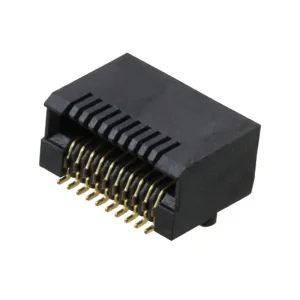
Data environments demand thermal efficiency and dense port layouts. Using press-fit multi-port cages (such as our 2x4 and 2x2 SFP+ versions) ensures reliable board retention and minimizes electromagnetic leakage.
Standard: Meets PCIe Gen 4 & Gen 5 thermal envelopes.
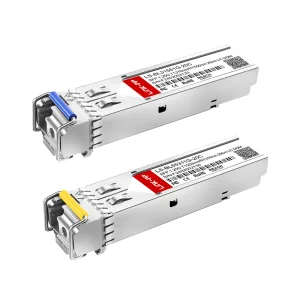
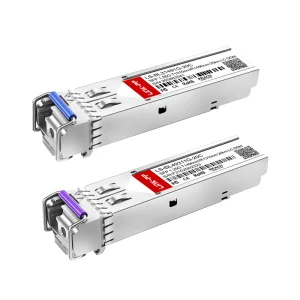
Reliability is key for telecom infrastructures. Utilizing long-reach optical transceivers (up to 40km BiDi LC modules) alongside shielded magnetic RJ45 connectors ensures stable signal paths even in older legacy installations.
Standard: Complies with Telcordia GR-468 core testing requirements.
Industrial environments expose cabling to dust, humidity, and vibration. Deploying low-profile RJ45 connectors with integrated LEDs and robust latches ensures stable physical connections and simplifies visual system checks.
Standard: Complies with IP20 mechanical protection standards.
Find answers to frequently asked technical questions regarding physical interface testing, connector specifications, and transceiver diagnostics.
At high frequencies (such as 250 MHz for Cat6 and 500 MHz for Cat6A), adjacent copper pairs inside an RJ45 connector run close together, which can cause electromagnetic energy to leak between channels. If NEXT levels exceed acceptable limits, receiver circuits can experience bit errors, leading to packet re-transmissions and decreased network throughput. Testing with specialized RJ45 connector testers validates that the physical termination and internal twisting of the wire pairs prevent crosstalk issues.
Press-fit cages feature elastic contact pins that establish mechanical connections directly through plated-through holes on the PCB. This eliminates the thermal stresses of soldering and creates a tighter, multi-point electrical ground. This configuration lowers grounding impedance and helps contain EMI emissions, which is essential for compliance with FCC Part 15 and EN 55022 radiation limits in high-density port layouts.
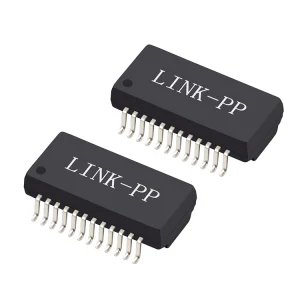
Integrating the transformer module directly into the RJ45 connector housing saves PCB space, shortens traces, and provides better protection against electromagnetic interference. The shielding enclosure isolates the magnetic coils, helping to reduce noise and protect transceiver chips from voltage surges, electrostatic discharge (ESD), and high-frequency common-mode noise.
DDM allows network administrators to monitor real-time parameters of optical modules, including laser temperature, supply voltage, transmitter bias current, transmit power, and receive power. Monitoring these metrics helps engineers identify link degradation early, simplify maintenance, and resolve connection issues before they lead to network downtime.
Gold is highly resistant to corrosion and maintains low contact resistance. Standard industry connectors use gold plating (such as 15u" or 50u") over nickel-barrier layers. Thicker gold plating withstands more insertion and extraction cycles without wearing down to the base metal, preventing contact oxidation and ensuring long-term link stability in harsh or humid conditions.
Complete your deployment with our range of optical transceivers, integrated RJ45 modular jacks, and high-frequency network transformers.