Lumetra
Lumetra
Lumetra
Premium fiber transceivers designed for strict latency demands in Eastern Massachusetts data centers and enterprise rings.
In the era of hyper-scale hyperscalers and 400G/800G coherent networking, the foundational layer of global telecommunications and industrial automation still depends heavily on the robust, energy-efficient, and highly reliable 1.25G SFP (Small Form-factor Pluggable) optical transceiver. Across global supply networks and specifically within the high-density innovation corridor of Boston, Massachusetts, the need for specialized 1.25G SFP module manufacturing and prompt distribution continues to grow. Legacy equipment stabilization, industrial IoT (IIoT) edge nodes, utility grid telemetry, and municipal metropolitan area networks (MANs) require persistent access to premium MSA-compliant hardware.
The Greater Boston area, spanning from the downtown financial core to the historic Route 128 technology beltway, stands as a premier center for hardware engineering, advanced robotics, life sciences, and defense industries. Industrial entities like Raytheon, General Dynamics, and MIT Lincoln Laboratory dictate strict quality thresholds for communication equipment used in tactical and industrial applications. 1.25G SFP modules deployed in these local environments are frequently subjected to harsh conditions, requiring industrial temperature ratings (-40°C to 85°C) and robust EMI shielding.
Furthermore, Boston's rapid development of biological laboratory facilities and intelligent buildings has driven a localized demand for optical transceivers to support dedicated local networks. These systems integrate cleanroom air handling equipment, automated manufacturing lines, and security backhauls. Deploying 1.25G SFP modules ensures seamless data transmission without the latency overhead or heating footprints typical of higher-speed coherent optics. Our engineering presence in Boston addresses these specialized applications by offering customized optical calibrations, local validation testing, and immediate hardware access for regional systems integrators.
Modern procurement executives faced with global networking mandates understand that optical modules represent a critical point of failure in enterprise backhauls. Global buyers face challenges including chip shortages, inconsistent manufacturing tolerances, and compatibility locks by OEM switch manufacturers. To mitigate these risks, procurement operations are shifting toward certified OEM/ODM manufacturers capable of supplying open-standard, multi-source agreement (MSA) compliant modules.
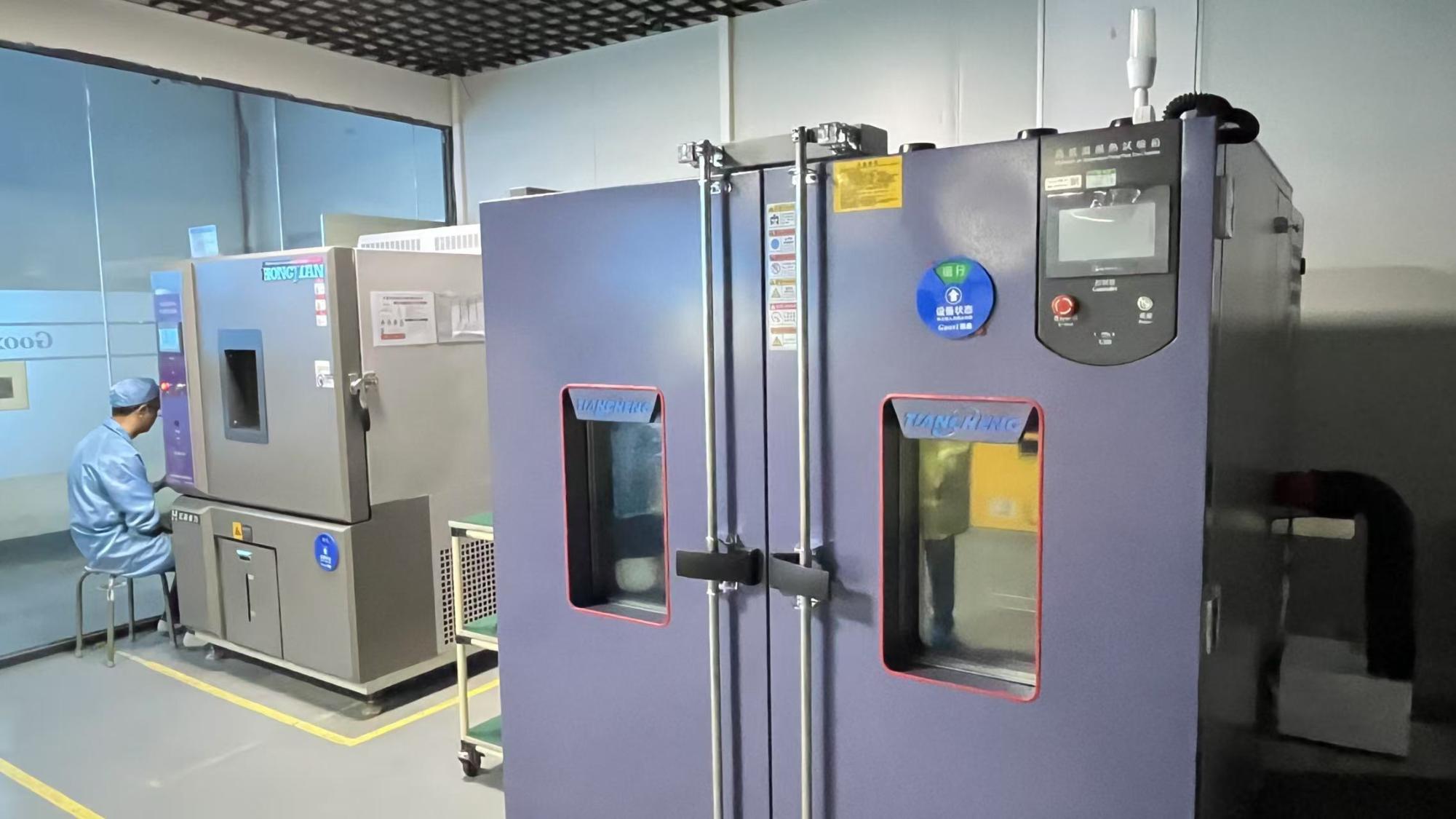
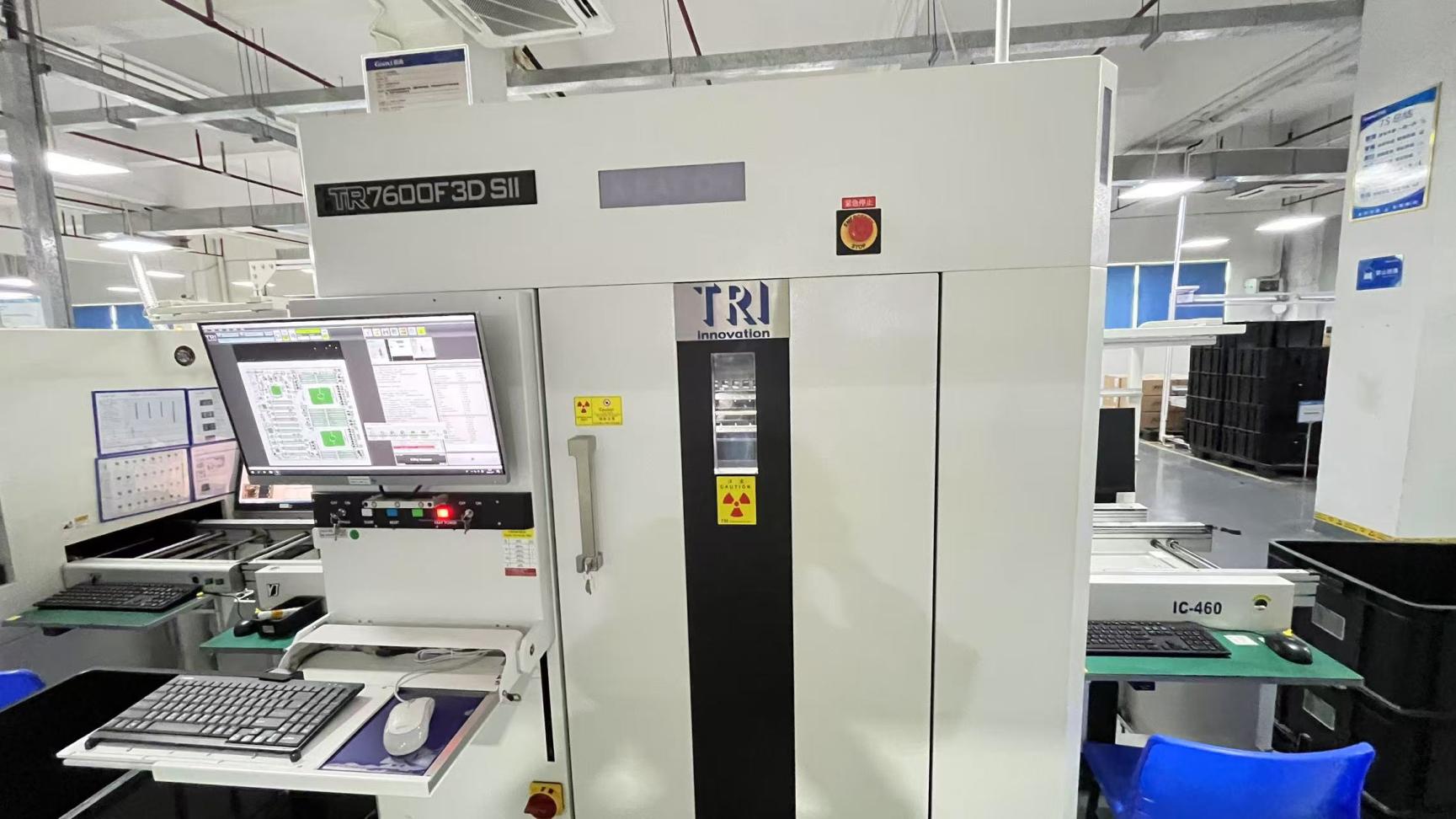
Lumetra Optoelectronics Technologies Co., Ltd. addresses this need with a diversified supply chain network comprising more than 1,200 partners. Our facility features advanced automated optical performance testing and environmental stress screening. With 48 dedicated quality inspectors ensuring zero-defect manufacturing, global buyers receive predictable, reliable deliveries. This enables enterprises to maintain their networks without risking downtime from uncertified third-party transceivers.
Across national scales, 1.25G SFP transceivers play a vital role in utilities and infrastructure. In Fiber-to-the-Home (FTTH) and Fiber-to-the-Business (FTTB) deployment models, gigabit-capable passive optical network (GPON) systems rely on 1.25G/2.5G optical standards to provide high-speed residential broadband. These systems require cost-effective, long-reach optics, such as 1490nm/1310nm BiDi configurations, to maximize fiber efficiency across expansive urban installations.
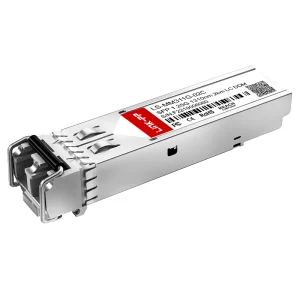
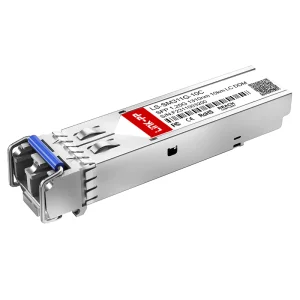
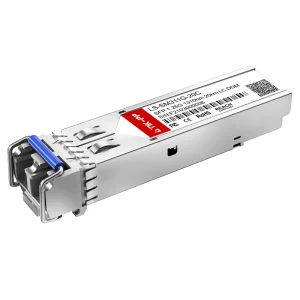
Similarly, electrical transmission utilities are modernizing their grids using fiber-optic substations. Standard SCADA (Supervisory Control and Data Acquisition) protocols communicate over fiber networks to protect control channels from electromagnetic interference (EMI) typical in high-voltage environments. By deploying single-mode duplex and simplex SFP modules capable of covering spans up to 120km or 160km (using 1000BASE-EZX/ZXC), utility networks can operate reliably across regional footprints without intermediate repeaters.
Developing dependable 1.25G SFP modules requires deep expertise in electro-optical physics. Modern networks rely on Digital Optical Monitoring (DOM) or Digital Diagnostics Monitoring (DDM) interfaces, standardized under SFF-8472. This technology provides network administrators with real-time access to key parameters, including:
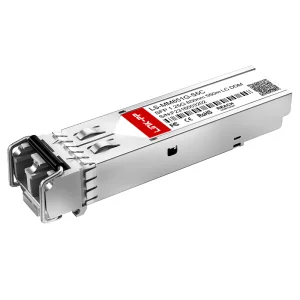
The laser technology used in these modules ranges from budget-friendly 850nm VCSEL (Vertical-Cavity Surface-Emitting Laser) arrays for multi-mode fiber runs under 550m, to Fabry-Perot (FP) and Distributed Feedback (DFB) lasers for single-mode fiber links spanning up to 160km. In long-reach applications, chromatic dispersion presents a major engineering challenge. Standard single-mode fibers have a dispersion minimum near 1310nm, making 1310nm optics optimal for medium-range links. For extended distances, 1550nm lasers are preferred due to lower glass attenuation (typically 0.2 dB/km vs. 0.35 dB/km at 1310nm), though they may require specialized dispersion compensation or narrow-linewidth DFB designs to prevent signal degradation over long runs.
For municipal, government, and military contractors operating within the Boston area, regulatory compliance is non-negotiable. Lumetra ensures all optical modules comply with international environmental and electrical safety standards. Our transceivers hold certifications for FCC Part 15 Class B, CE Mark, RoHS (Restriction of Hazardous Substances), and Laser Safety Class 1 (compliant with FDA 21 CFR 1040.10 and EN 60825-1). Compliance with these standards guarantees that our modules can be integrated into high-reliability applications, including defense communication channels, medical backbones, and municipal control centers.
Our localized support system ensures that when network issues arise, clients receive fast assistance from experienced applications engineers. Lumetra provides compatibility testing for over 150 legacy switch architectures, custom firmware coding to bypass proprietary locks, and specialized site surveys to design custom transceivers for demanding environments. This comprehensive support helps minimize downtime and ensures system compatibility.
Founded in 2016, Lumetra has grown into a reliable global manufacturer of high-speed transceivers and fiber optic communication systems. Our solutions support telecom networks, enterprise infrastructures, and cloud operations worldwide.
Operating from an 8,500㎡ facility, our engineering team manages advanced optical production, automated assembly, and strict testing protocols. With over 11 years of industry experience and $18 million in annual export revenue, we are a trusted partner for OEMs, distributors, and integrators.
We work with over 1,200 partners to maintain supply chain stability and source high-quality components. Our R&D team of 86 engineers continuously develops new solutions, introducing 220 new products in the past year to keep pace with evolving network demands.
Connect with an Engineer

Deep-dive guidance on SFP transceivers, compatibility, and fiber deployment dynamics.
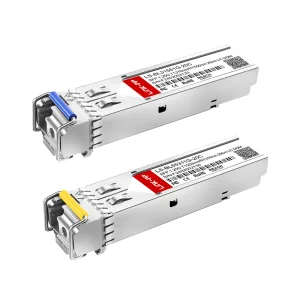
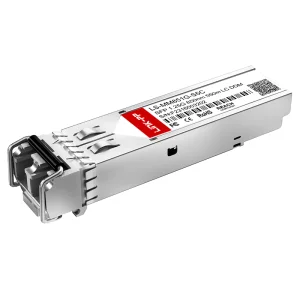
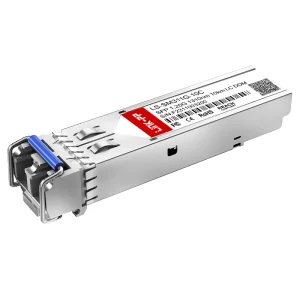
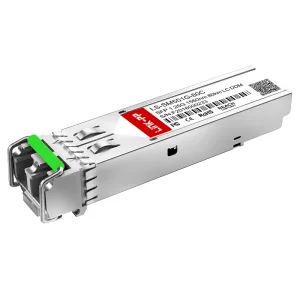
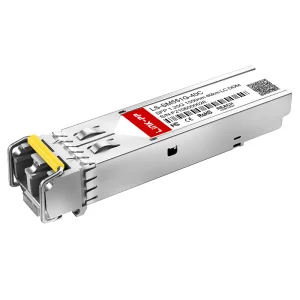
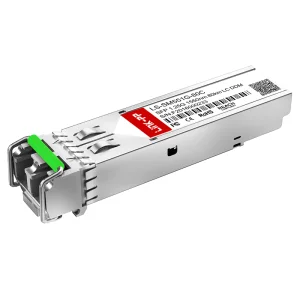
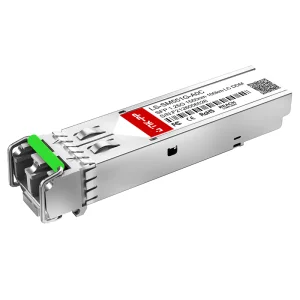
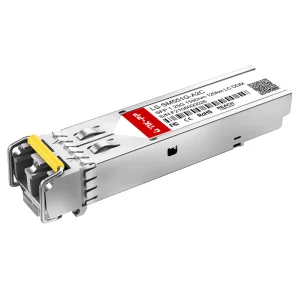
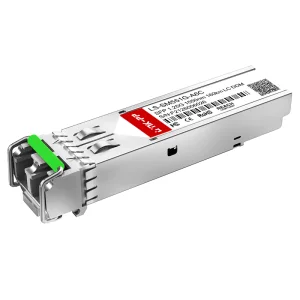
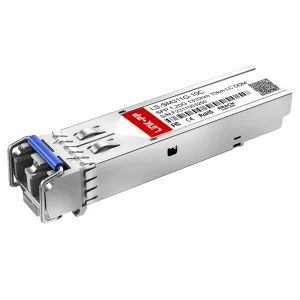
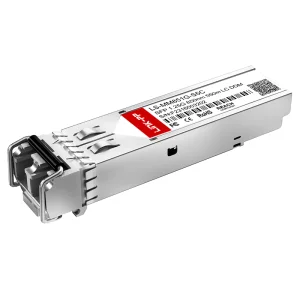
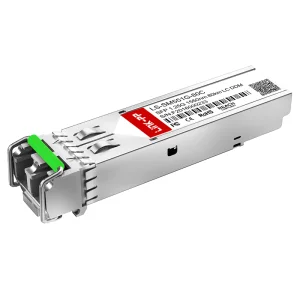
A comprehensive range of single-mode and multi-mode SFP transceivers, designed for long-distance municipal connections and rugged industrial layouts.