Lumetra
Lumetra
Lumetra
Argentina represents one of the most dynamic telecommunications landscapes in South America. Driven by the national digital transformation plan and the constant expansion of the Red Federal de Fibra Óptica (REFEFO) managed by ARSAT, the country is actively bridging the digital divide between large metropolitan hubs like Buenos Aires, Córdoba, and Rosario, and isolated regional municipalities. As the demand for stable, high-performance internet access scales, local Internet Service Providers (ISPs), public cooperatives (Cooperativas de Servicios Públicos), and municipal operators face the urgent need to expand their fiber-to-the-home (FTTH) and municipal networks.
In this context, 1.25G SFP optical transceivers remain the critical backbone of regional access networks. Often referred to as Mini-GBIC modules, these devices enable cost-effective, high-speed Gigabit Ethernet connections across thousands of kilometers of newly laid single-mode and multi-mode fiber. However, the Argentine market presents unique operational challenges that require a highly specialized manufacturing partner:
As network architects across Argentina lay the foundations for future smart cities and 5G backhaul networks, they must navigate the coexistence of current Gigabit Ethernet (1G/1.25G) networks with next-generation platforms. 1.25G SFP transceivers play a vital role in this roadmap, acting as the primary access interface for GPON ONTs, security aggregation switches, and rural point-to-point wireless link backhauls.
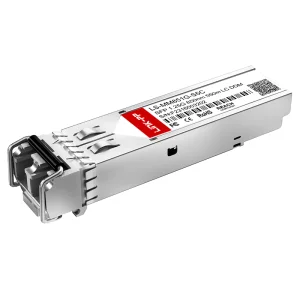
Phase 1 (Access Layer Optimization): Upgrading legacy copper infrastructure to fiber using 1000BASE-T RJ45 and 1000BASE-SX multi-mode modules for local loops, and duplex single-mode modules (10km/20km) for residential distribution.
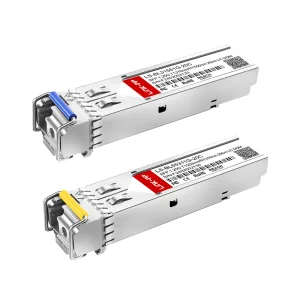
Phase 2 (Fiber Conservation via BiDi): Transitioning to Single-Mode Bidirectional (BiDi) SFP modules. By utilizing different wavelengths (e.g., 1310nm-TX/1550nm-RX and vice versa) over a single strand of fiber, operators double their capacity instantly, delaying the massive CAPEX associated with laying new physical cables.
Phase 3 (High-Bandwidth Aggregation): Aggregating 1.25G access rings into 10G SFP+ and 25G SFP28 links at the core metro level. Lumetra's transceiver lineup is engineered for backwards compatibility, allowing seamless transition from legacy SFP slots to newer high-density ports.
Selecting the correct optical window is vital for mitigating attenuation and dispersion, especially in long-haul links. For data center cabling under 550 meters, the 850nm wavelength over Multi-Mode Fiber (MMF) remains standard. For metropolitan connections spanning up to 20km, the 1310nm window on Single-Mode Fiber (SMF) balances cost and performance. For regional spans exceeding 40km up to a massive 160km, the 1550nm window is mandatory, as fiber attenuation drops to its lowest level (typically around 0.22 dB/km). Our long-distance modules utilize highly specialized DFB (Distributed Feedback) and EML (Electro-absorption Modulated) lasers paired with high-sensitivity APD (Avalanche Photodiode) receivers to ensure link margins remain robust over long, rural hops.
Different industries across Argentina demand distinct performance profiles. We provide customized configurations to meet these distinct needs:
Empowering local Cooperativas and municipal networks with DOM/DDMI (Digital Optical Monitoring) enabled 1.25G SFP transceivers, allowing real-time monitoring of optical power, temperature, and voltage to predict fiber faults before they interrupt customer service.
Supporting remote lithium mining operations in Catamarca and Jujuy, where altitude, dust, and temperature swings are severe. Our industrial-grade transceivers feature hardened packaging and rugged gold-plated connectors for continuous operation.
Enabling city-wide traffic management and surveillance networks in Buenos Aires and Córdoba. By deploying 1G copper SFP (1000BASE-T) modules, cities connect RJ45 IP cameras directly to optical switches, creating a seamless, high-speed fiber interface.
Connecting smart silos and meteorological telemetry nodes across the Pampas region. Reliable point-to-point fiber links ensure real-time agricultural yield data flows smoothly back to central management hubs.
Navigating the complex import and regulatory systems of Argentina is one of the most critical hurdles for local telecommunication companies and network integrators. Under the current import licensing framework and electrical safety regulations, hardware must meet stringent guidelines to clear customs efficiently and ensure long-term, legal operation inside the country.
Lumetra Optoelectronics Technologies Co., Ltd. is a premier manufacturer specializing in high-speed optical transceivers and fiber optic communication solutions. Founded in 2016, we have established ourselves as a reliable global partner, combining cutting-edge engineering with efficient manufacturing to supply operators worldwide.
Our production facility in China operates under strict Factory 4.0 standards, utilizing automated assembly, active optical alignment, and deep environmental stress testing. This level of quality control ensures that each transceiver shipped to Argentina will perform reliably for years to come.
To ensure uninterrupted supply chains under macroeconomic fluctuations, we collaborate with over 1,200 supply chain partners. This massive network secures a reliable supply of core raw materials, such as high-grade laser diodes (DFB/FP) and photo-detector chips, allowing us to keep lead times short and pricing stable even during global semiconductor shortages.
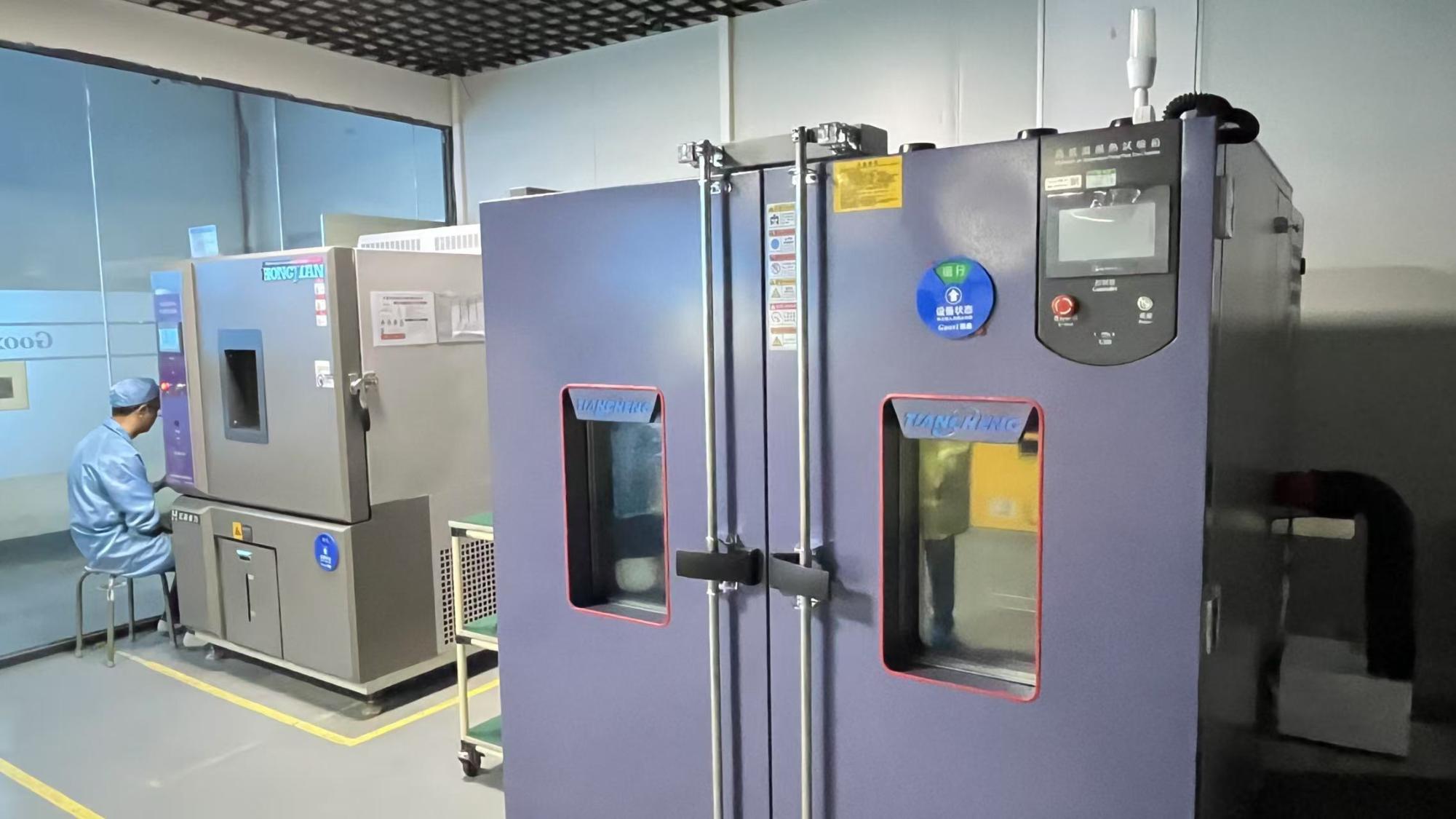

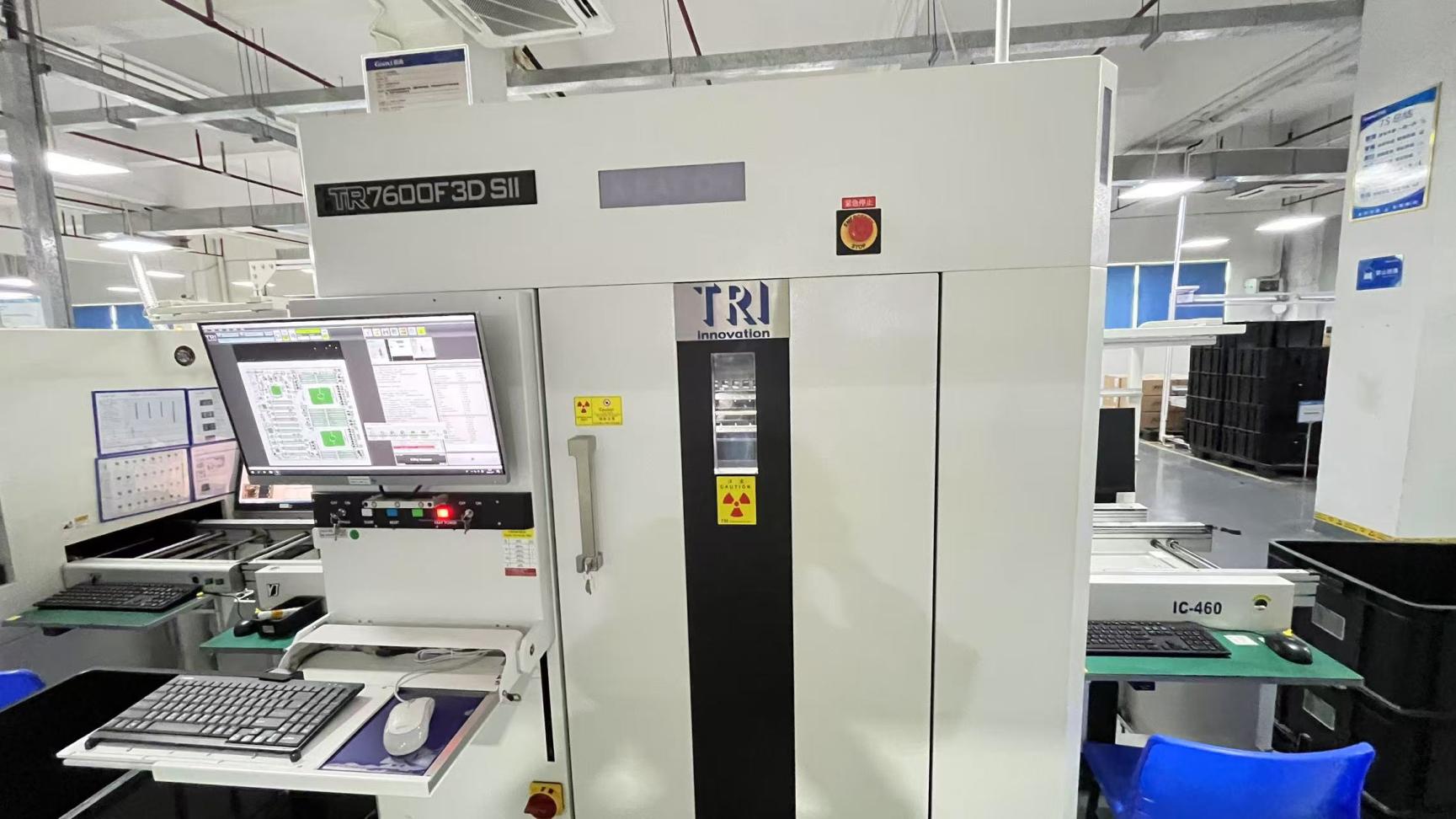

In the past year alone, our active R&D team successfully launched approximately 220 new products, demonstrating our agility and commitment to technological innovation.
Procuring optical transceivers at scale requires careful technical and commercial auditing. Use this quick reference guide to verify the compatibility and performance of your SFP modules before shipping to Argentina:
| Audit Parameter | Standard Requirement | Lumetra Quality Standard |
|---|---|---|
| MSA Compliance | Multi-Source Agreement Standards | 100% Compliant (SFF-8472 / INF-8074i) |
| Real-Time Diagnostics | Digital Optical Monitoring (DOM/DDMI) | Supported on all models (except 1000BASE-T) |
| Mean Time Between Failures | MTBF > 1,000,000 hours | Averaging 5,000,000+ hours (Telcordia GR-468) |
| Hardware Compatibility | Multi-vendor environment capability | Custom EEPROM mapping for Cisco, MikroTik, ZTE, etc. |
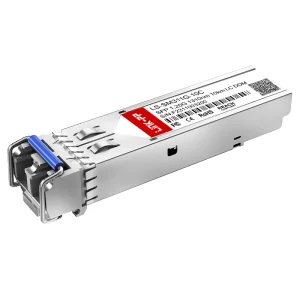
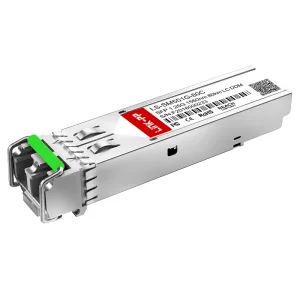
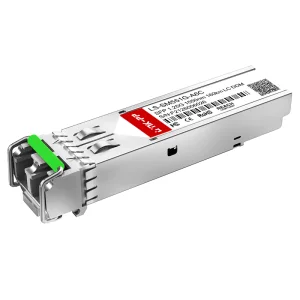
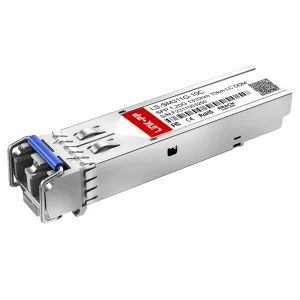
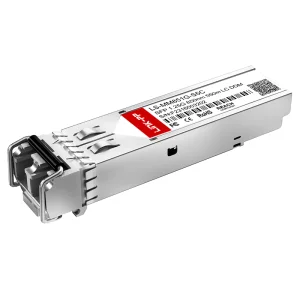
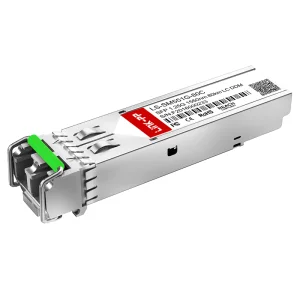
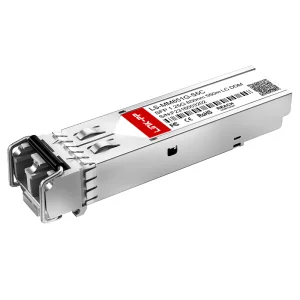
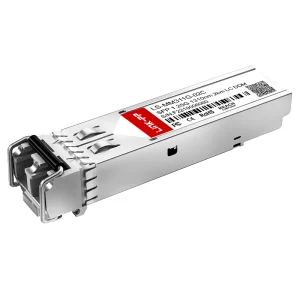
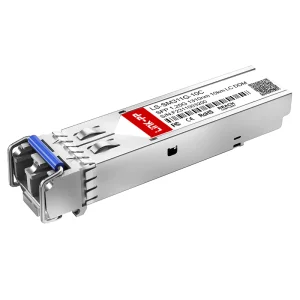
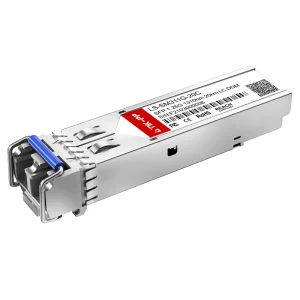
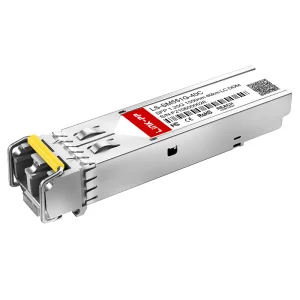
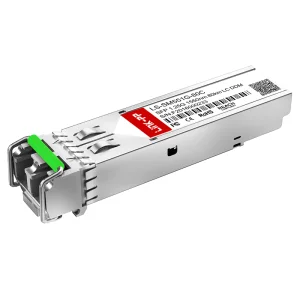
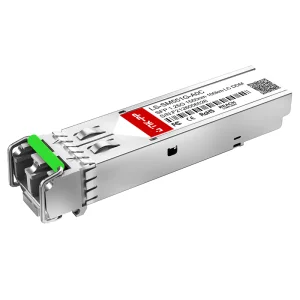
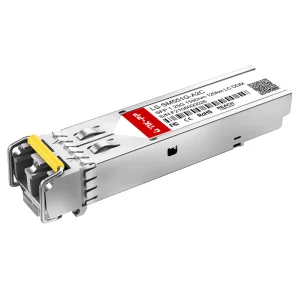
Browse our core lineup of high-reliability 1.25G SFP transceivers, designed to fit standard telecom chassis and local municipal fiber loops.
Direct answers to the most common technical and logistics questions raised by procurement managers and network engineers in Argentina.