Lumetra
Lumetra
Lumetra
Select options optimized for long-distance optical networks and urban telecommunication backbones.
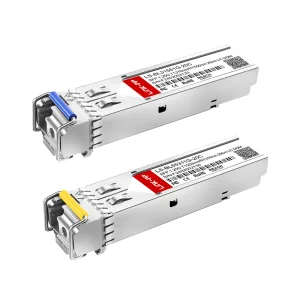
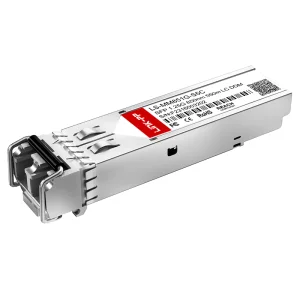
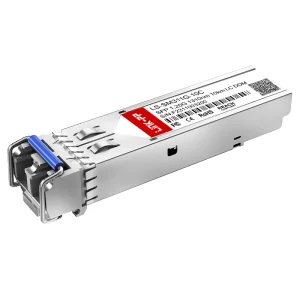
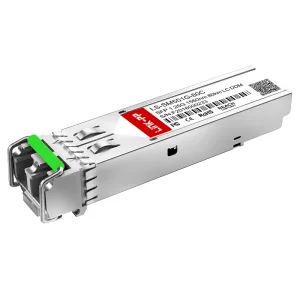
Kazakhstan, serving as the central land-bridge of the Eurasian continent and a critical terminal node under the "Digital Kazakhstan" national modernization blueprint, is executing a massive modernization of its telecommunication backbones. From metropolitan areas like Almaty, Nur-Sultan (Astana), and Shymkent to remote industrial towns in the Karaganda and Atyrau regions, the necessity for high-reliability optical communication interfaces has scaled exponentially.
While global technological attention focuses on 100G and 400G deployments, the 1.25G SFP (Small Form-factor Pluggable) optical transceiver remains the ultimate workhorse for regional distribution networks, industrial automation links, pipeline monitoring networks, and fiber-to-the-cabinet (FTTC) applications. In Kazakhstan's massive territories, optical fibers run thousands of kilometers across extreme temperature gradients. Deploying cost-effective, thermally hardened 1.25G modules provides the optimal balance between investment efficiency, low latency, and robust long-range transmission.
Industrial Temperature Resilience is Non-Negotiable: The temperature profile of Kazakhstan oscillates violently from -40°C in winter to +40°C in summer. Industrial field deployments—such as oilwell monitoring systems in the Caspian basin, railway signaling controllers across the steppes, and outdoor telecom cabinets—require industrial-grade (-40°C to +85°C) 1.25G SFP modules equipped with real-time Digital Optical Monitoring (DOM) to prevent premature module degradation.
Hardware procurement in Central Asia faces specific, strict criteria. Local enterprises and national operators, including Kazakhtelecom, Transtelecom, and regional internet service providers, demand SFP modules that offer multi-vendor compatibility. Network setups in Kazakhstan frequently consist of a heterogeneous combination of legacy European switches, modern Asian routers, and American enterprise firewalls. As an exporter, supplying transceivers with custom-coded EEPROM files configured for brands like Cisco, Huawei, MikroTik, HP, Juniper, and Edge-core is vital to bypassing vendor lock-ins and driving down capital expenditures (CAPEX).
Engineered to support standard Gigabit Ethernet and Fibre Channel protocols with low optical insertion loss.
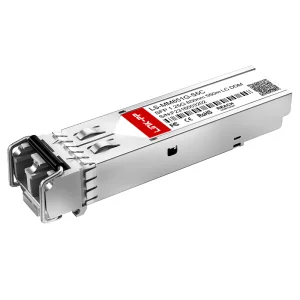
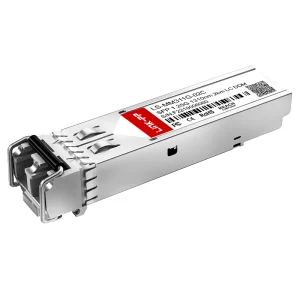
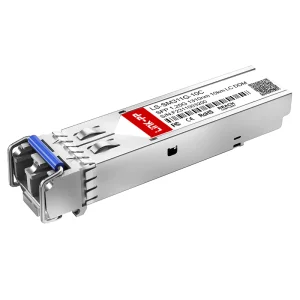
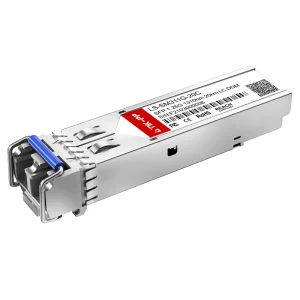
Understanding the physics and compatibility standards of Lumetra's 1.25G SFP product lineup.
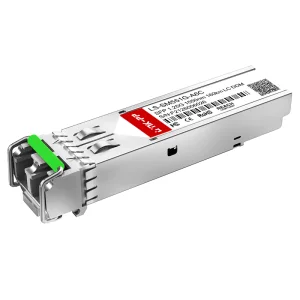
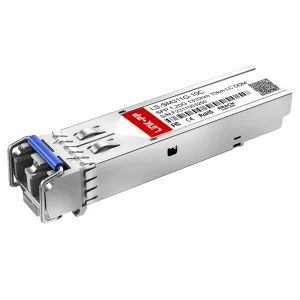
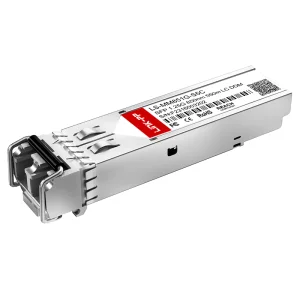
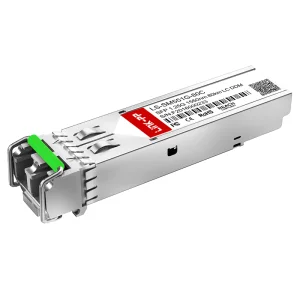
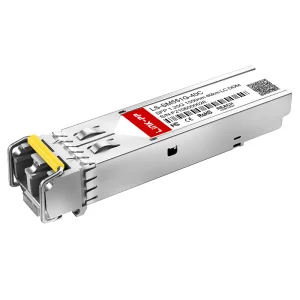
Depending on the deployment distance, our 1.25G SFP series utilizes various optical transmitters: short-wavelength 850nm VCSEL lasers for local server halls (up to 550m), medium-haul 1310nm Fabry-Perot (FP) lasers for metropolitan loops (10km to 20km), and long-reach 1550nm Distributed Feedback (DFB) lasers for trans-regional longhaul linkages (up to 160km). Ensuring adequate optical budget reserves prevents signal loss caused by splicing points and environmental fiber bending common in rugged Eurasian installations.
In accordance with the SFF-8472 industry standard, our SFP modules feature an internal calibration microcontroller. This subsystem allows remote network managers to monitor critical real-time parameters such as optical output power, receiver sensitivity, operating temperature, laser bias current, and transceiver supply voltage. In cold climates, identifying drops in receiver sensitivity before a link fails is vital for preventive maintenance.
Adheres strictly to the SFP Multi-Source Agreement to guarantee seamless cross-brand physical and electrical plug-and-play behavior.
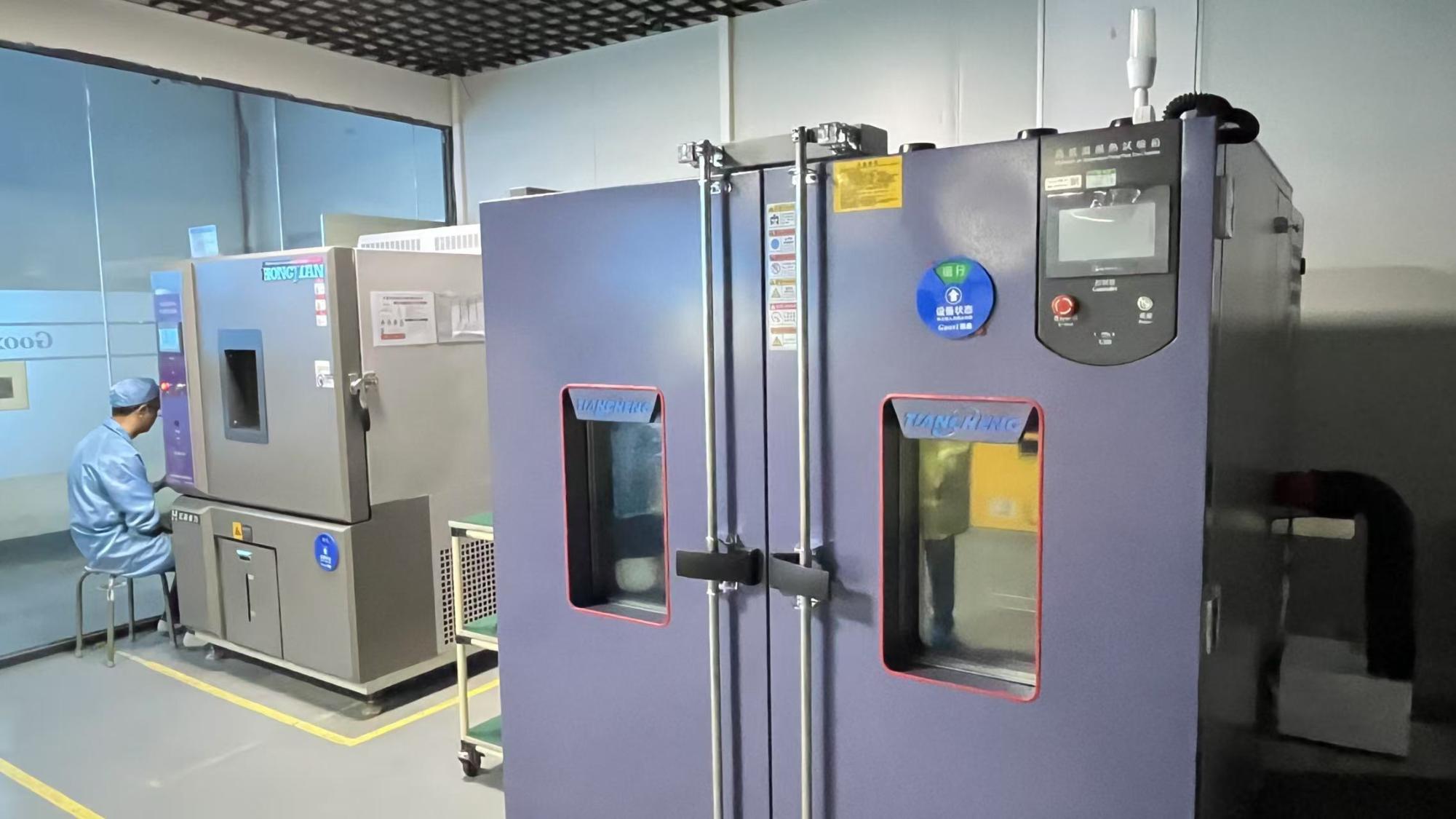
Modules go through rigorous environmental chamber testing to endure extreme seasonal temperatures ranging from -40°C up to +85°C.
Pre-programmed with switch-specific firmware configuration profiles to bypass port security lockouts on Cisco, Huawei, Juniper, and HP nodes.
Combining cutting-edge R&D with strict manufacturing standards for global network deployments.
Lumetra Optoelectronics Technologies Co., Ltd. is a professional manufacturer specializing in high-speed optical transceivers and fiber optic communication solutions for datacom, telecom, and cloud infrastructure applications. Founded in 2016, the company has developed into a reliable supplier with strong engineering capabilities and global export experience.
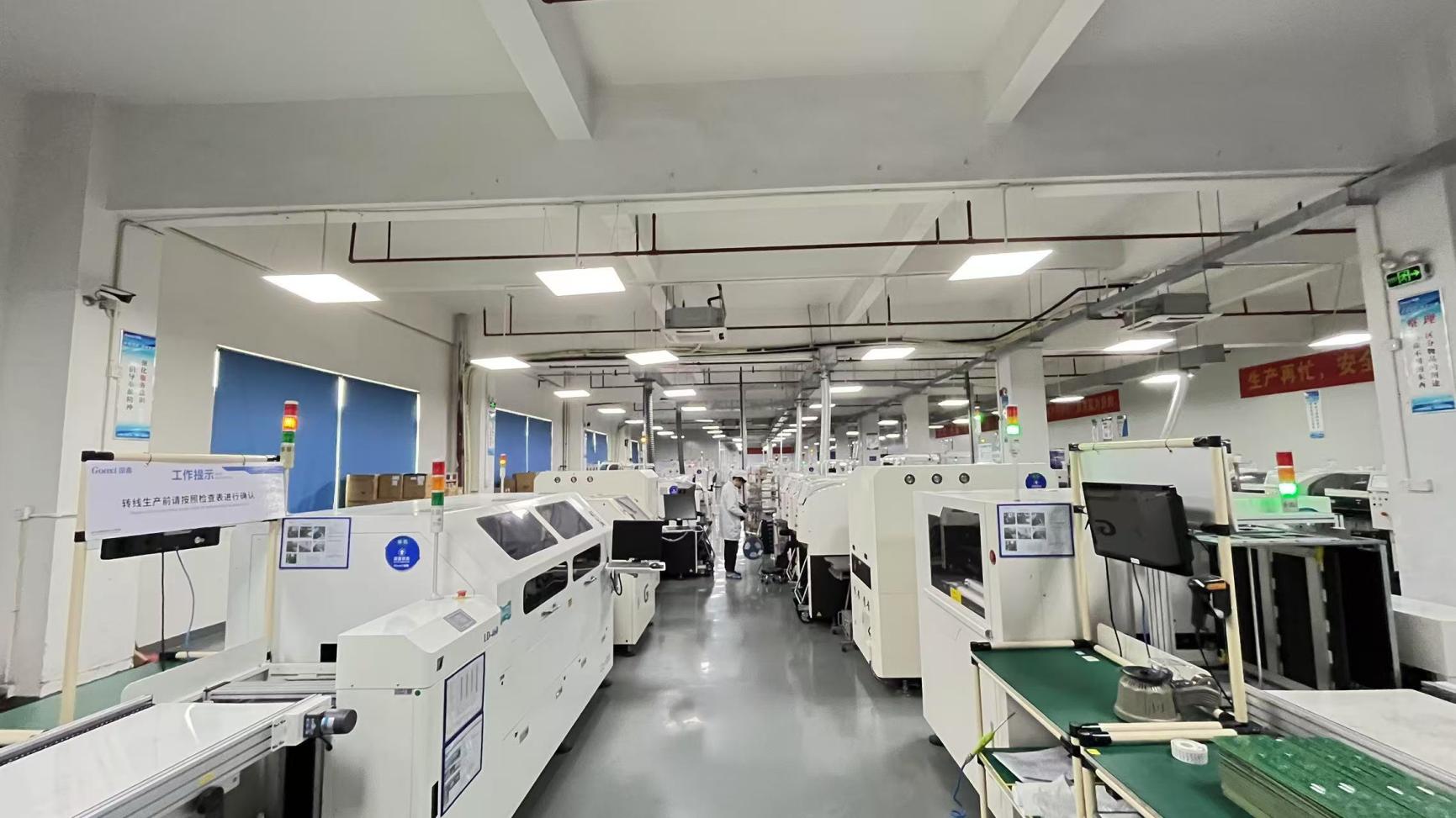
The company operates a production facility covering approximately 8,500㎡, supporting efficient manufacturing and quality-controlled assembly processes. With annual export revenue reaching around USD 18 million, Lumetra has built stable international business channels and accumulated 7 years of export experience, backed by 11 years of overall industry expertise.
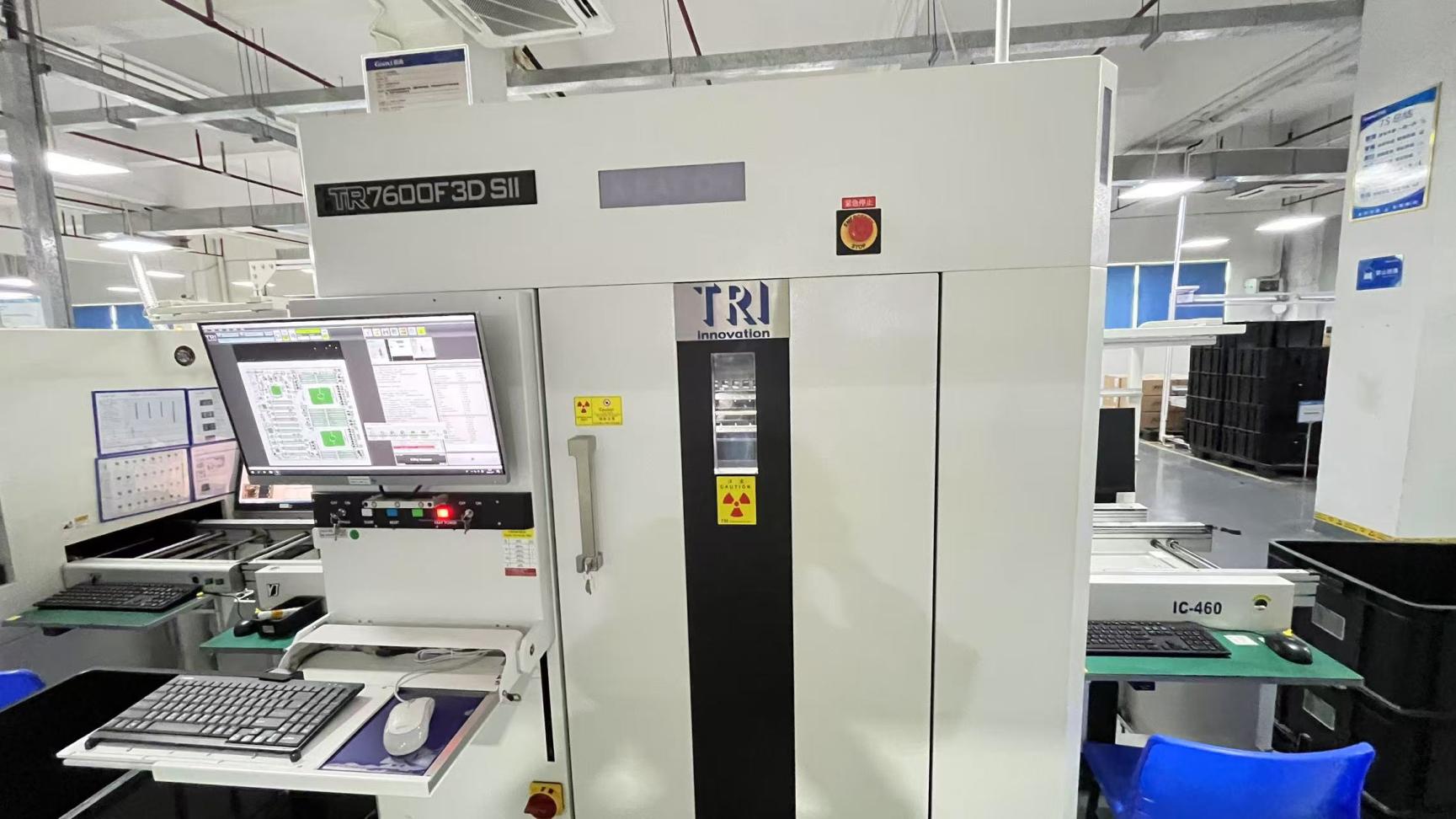
Quality assurance is maintained through a combination of automated optical performance testing, environmental stress screening, and manual inspection processes. The quality control team consists of 48 trained inspectors ensuring strict compliance with international standards. We maintain a diversified trade background with strong presence in OEM and ODM markets, serving telecom operators, data center integrators, and network equipment distributors worldwide.

Explore our full line of long-distance, multimode, singlemode, and bidirectional transceivers.
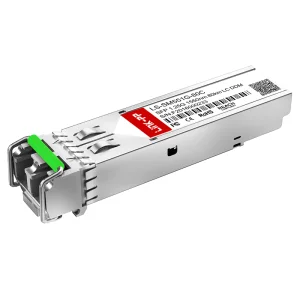
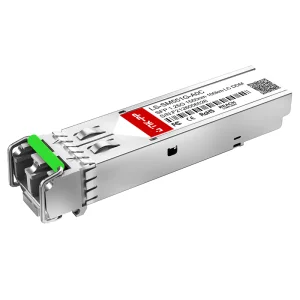
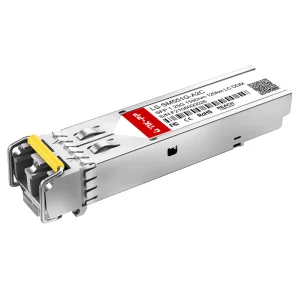
Exporting network components to landlocked regions like Kazakhstan requires specialized logistics solutions. Lumetra leverages established transport routes through the Horgos (Khorgos) and Alashankou land ports, facilitating streamlined customs clearance into the Almaty and Zhetysu administrative regions. This reduces land transit times to under 10–14 days, compared to ocean freight options that depend on circuitous rail routing.
Our export documentation is compliant with the Eurasian Economic Union (EAEU) standards, including EAC certification requirements, customs declarations, and technical documentation available in Russian/Kazakh templates. Every shipment is carefully packed in anti-static protective cases and rugged containers designed to withstand humidity and mechanical shocks during overland truck or rail transport across Central Asian transit corridors.
Answers to technical and commercial questions concerning international supply to Kazakhstan.