Lumetra
Lumetra
Lumetra
Plug-and-play compatible optical solutions deployed in German industrial automation pipelines, ensuring 100% interoperability under harsh environment standards.
In the era of Industrie 4.0, German manufacturing hubs (stretching across Baden-Württemberg, Bavaria, and North Rhine-Westphalia) demand extreme network integrity. While 10G, 40G, and 100G networks dominate hyperscale datacenters, the backbone of Germany's smart factories, grid control boxes, substation communications, and railway control networks (specifically GSM-R systems) still heavily relies on rock-solid 155M and 622M SFP optical transceivers.
The reasoning is strictly technical: Fast Ethernet (100Base) and STM-1/STM-4 (OC-3/OC-12) systems offer unmatched jitter performance, ultra-low power consumption, and long-distance transmission over legacy fiber optic plants without thermal overload issues. Our SFP modules act as the vital link, enabling direct drop-in upgrades without rewriting the PLC/SCADA configurations.
By complying strictly with the Multi-Source Agreement (MSA) standard, these modules are optimized to interface with standard European brand equipment such as Hirschmann switches, Moxa industrial terminals, and Siemens Ruggedcom platforms.

Exploring why 155M and 622M modules remain critical and how they are adapting to futuristic requirements.
German automotive assembly plants and offshore wind installations experience massive ambient temperature spikes. Standard commercial-grade SFPs fall short, leading to optical drift. Our industrial-grade transceivers support extended temperature ranges (-40°C to +85°C), providing uninterrupted packet transport.
Ethernet protocols such as Profinet, EtherCAT, and Modbus TCP require strict deterministic delivery. Real-time controls depend on optical links that are immune to high EMI (Electromagnetic Interference) fields common in power distribution grids. SFP transceivers offer physical isolation and noise immunity.
System integrators in cities like Frankfurt, Munich, and Berlin face challenges replacing legacy components. Standardizing on MSA-compliant transceivers allows direct field replacement, avoiding costly system re-certifications and guaranteeing drop-in operation with Moxa and Hirschmann.
Founded in 2016, Lumetra Optoelectronics Technologies Co., Ltd. has established itself as an authoritative global manufacturer of high-speed and legacy optical transceivers. Operating a state-of-the-art 8,500㎡ facility, we bridge the gap between heavy mass production and rigorous quality assurance.
For the German market, where procurement logistics have been impacted by global supply chains, our factory offers absolute stability. Backed by 11 years of industry expertise and 7 years of pure global export experience, we ship custom-engineered 155M/622M SFPs directly to major integration firms in Europe.
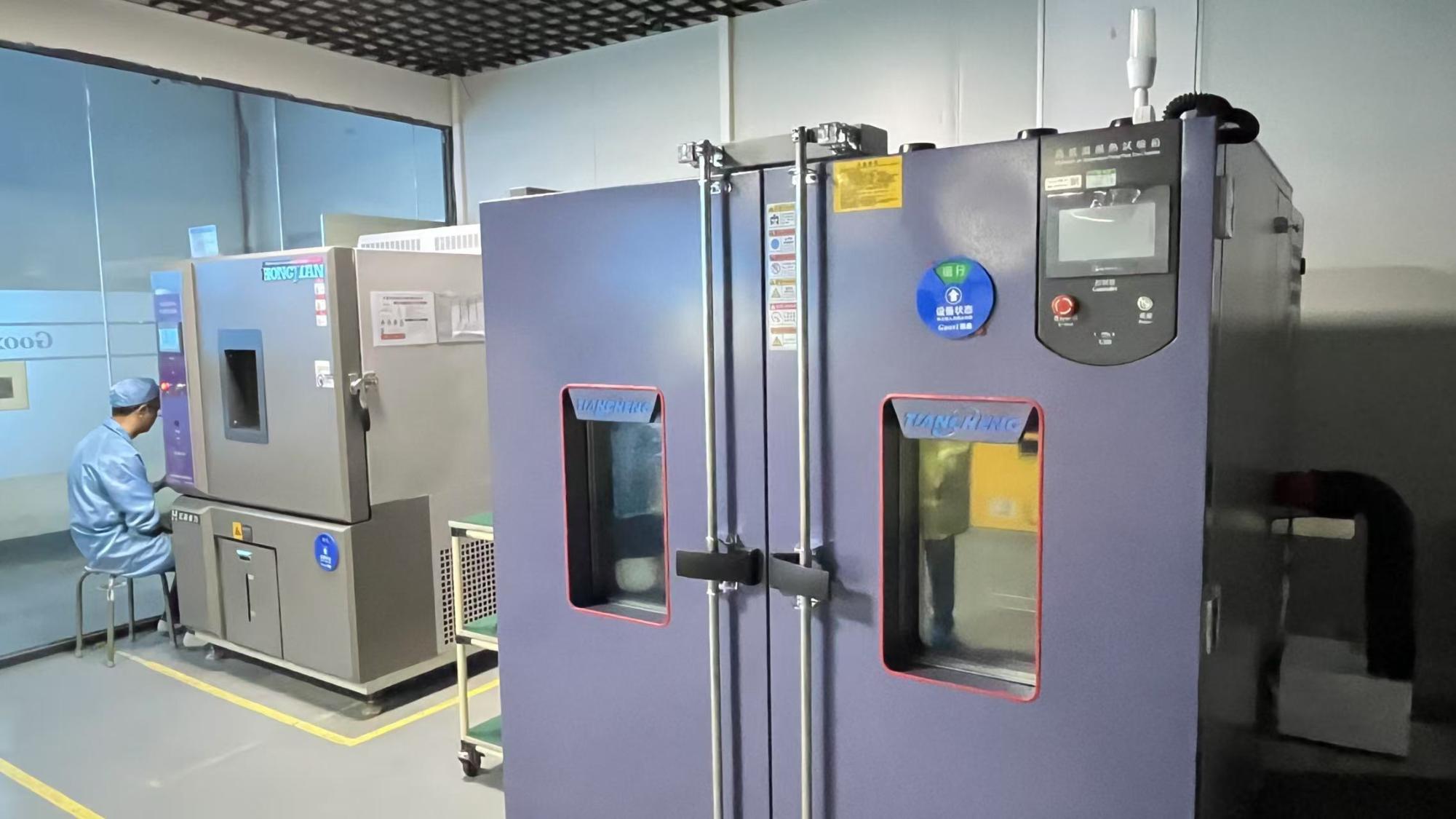
Our quality assurance is fully automated. Every SFP unit undergoes rigorous dynamic optical performance sweeps, environmental stress screenings, and deep compatibility tests against actual target brand switches (Hirschmann, Moxa, Cisco, etc.). A team of 48 professional quality control inspectors ensures that our defect rate remains consistently below the 0.05% mark, keeping your network operations uninterrupted.


Where Lumetra's 155M and 622M SFP transceivers are driving infrastructure efficiency.
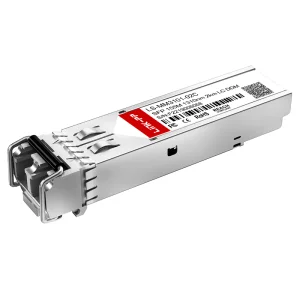
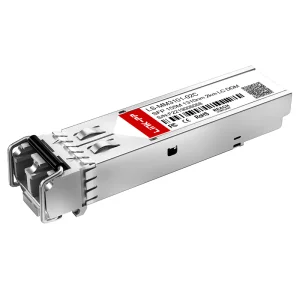
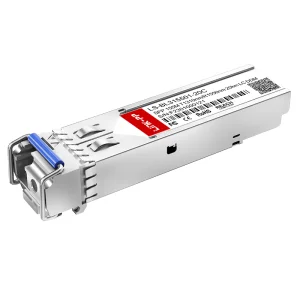
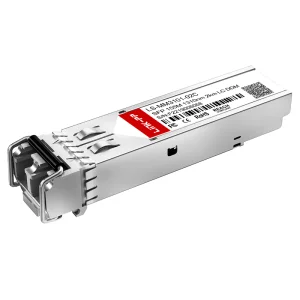
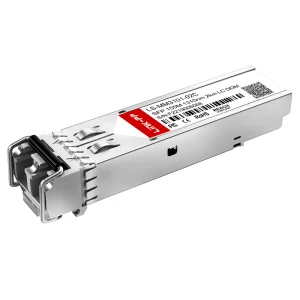
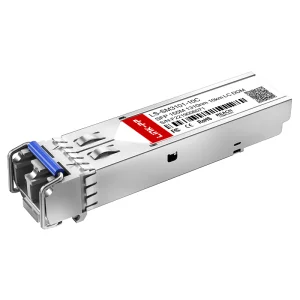
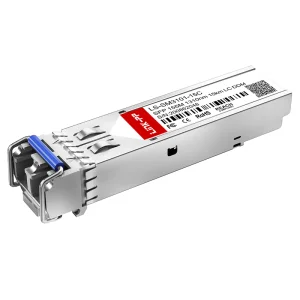
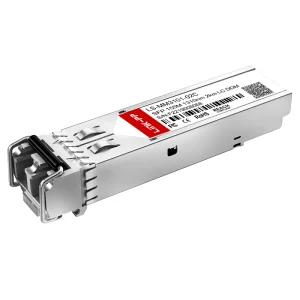
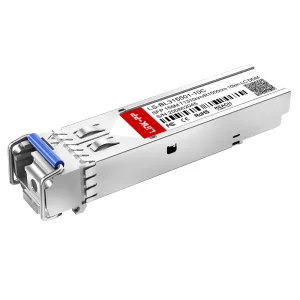
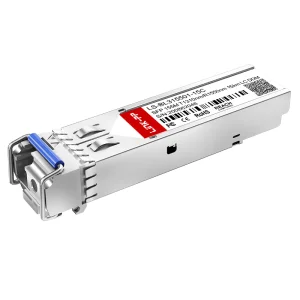
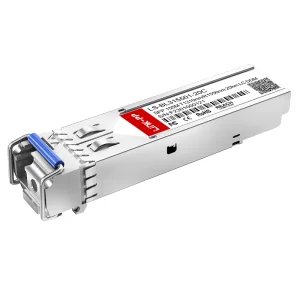
In municipal smart grids throughout Germany, switchgear and monitoring devices need to withstand high electromagnetic spikes. Our 1310nm 155M MMF and BiDi 20km SFPs offer reliable isolated links, ensuring real-time teleprotection signaling back to centralized SCADA systems.
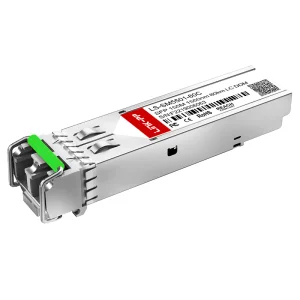
German rail corridors rely on fiber optic rings running parallel to the tracks. Distance modules, switch controls, and level crossing CCTV loops use legacy STM-1 / 155M networks. The 100BASE-ZX 80km SFP modules provide long-haul connectivity over single-mode fiber without mid-span repeaters.
Offshore wind farms in the North Sea operate under extreme humidity, salt spray, and vibration. Lumetra's industrial-grade SFP-FE-SX-MM1310 modules are deployed in wind turbine hub controllers, linking them back to the main submarine substation ring.
We supply bespoke SFP solutions tailored to precise engineering blueprints:
Fully compliant with IEEE 802.3u Fast Ethernet, ITU-T G.957 STM-1/STM-4 requirements. Hover to see specifications.
How Lumetra bridges technical compatibility and international supply chains.
Many legacy systems in Germany utilize firmware locks, requiring specific manufacturer keys to function. As a focused SFP module factory, Lumetra resolves this by flashing custom EEPROM codes onto our chips. Our transceivers present the exact host signature needed, bypassing firmware locks without hardware alterations.
Entering the European Union market requires strict regulatory adherence. All Lumetra transceivers are fully certified under CE, FCC, RoHS, and WEEE protocols. Our lead-free manufacturing processes meet the strict environmental demands of European enterprise procurement guidelines.
By bypassing multiple broker channels, Lumetra provides direct factory pricing combined with responsive engineering support. German engineering consultancies can coordinate directly with our 86 R&D professionals to build custom optical transceivers configured to exact network specifications.
In modern industrial facilities, predictive maintenance is key. Lumetra's 155M/622M SFP modules feature built-in Digital Diagnostic Monitoring (DDM). Through DDM, network operators can remotely check vital stats via SNMP:
Addressing the technical, logistics, and compatibility queries raised by European procurement managers.
Contact our applications engineering division to receive tailored datasheets, compatibility confirmation logs, and direct factory pricing.