Lumetra
Lumetra
Lumetra
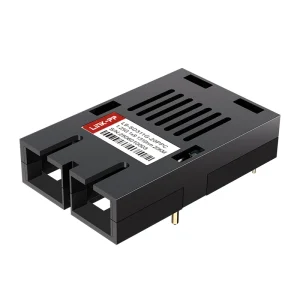
Under the framework of Oman Vision 2040, the Sultanate is driving major modernization campaigns across its infrastructure landscape. From the deep-water operations at the Port of Salalah and the burgeoning industrial engine of the Sohar Freezone, to remote telemetry terminals deep in the Al Hajar Mountains, reliable optical data communication is the backbone of this development. In these demanding environments, standard hot-pluggable optical modules often struggle. Dust storms, salt spray, extreme high-temperature fluctuations, and heavy mechanical vibration make traditional transceivers prone to alignment shift and connection loss.
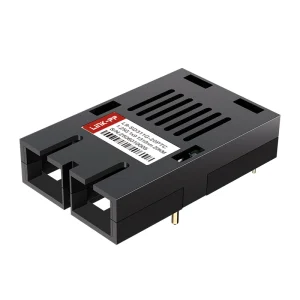
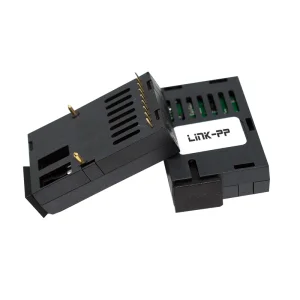
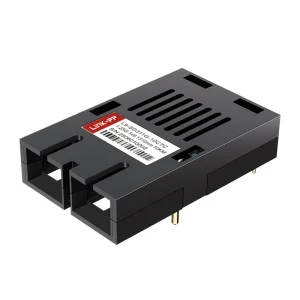
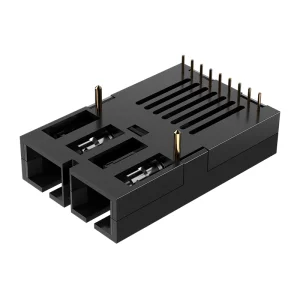
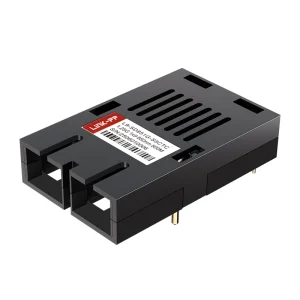
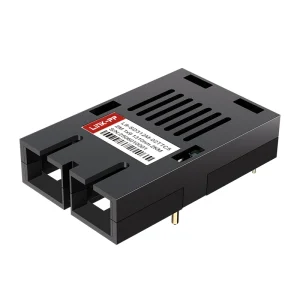
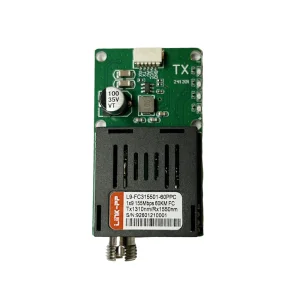
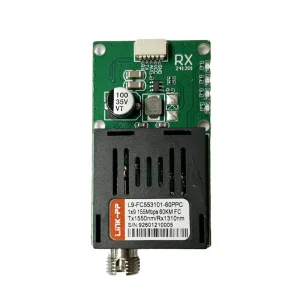
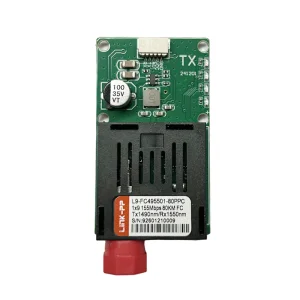
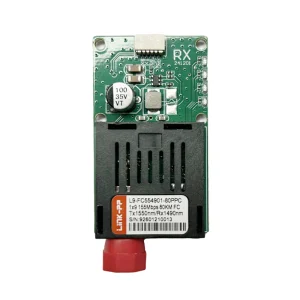
This is where the 1x9 optical transceiver remains irreplaceable. Soldered directly to the PCB host system board, the 1x9 form factor provides superior mechanical stability and signal integrity. It provides high thermal contact area, excellent electromagnetic interference (EMI) shielding, and an exceptionally long Mean Time Between Failures (MTBF). For system designers upgrading legacy SCADA infrastructures, power transmission lines managed by Nama Group, and upstream oil & gas facilities operated by Petroleum Development Oman (PDO), sourcing top-tier 1x9 modules is a fundamental engineering requirement.
Designed to operate flawlessly under Oman's harsh summer heat, maintaining optical link performance up to +85°C case temperature.
Eliminates contact oxidation issues caused by humid marine climates in Muscat, Sohar, and Salalah coastal installations.
Configurable in PECL or TTL signaling logic, duplex or simplex (BiDi) fiber connection, and SC/FC physical interfaces.
Designing transmission spans across Oman's terrain requires careful calculations of attenuation and dispersion. High solar irradiance causes temperature rises within local terminal cabinets, increasing laser threshold currents and accelerating wavelength shifts. Standard single-mode fiber links operate predominantly at 1310nm and 1550nm, and BiDi configurations use 1310nm/1550nm or 1490nm/1550nm split wavelengths to cut local fiber deployment expenses in half.
For industrial automation setups, Lumetra's 1.25G 1x9 transceivers maintain tight receiver sensitivity metrics (down to -23 dBm for 20km loops, and better than -32 dBm for long-haul 80km spans). Integrated with high-performance InGaAs PIN photodiodes and stable DFB/FP laser transmitters, these 1x9 devices deliver a wide optical budget, ensuring that despite splices, environmental degradation, and patch panel insertion losses, the system operates with zero packet drops.
Delivering end-to-end industrial optical connectivity with global engineering standards, advanced material science, and custom OEM support.
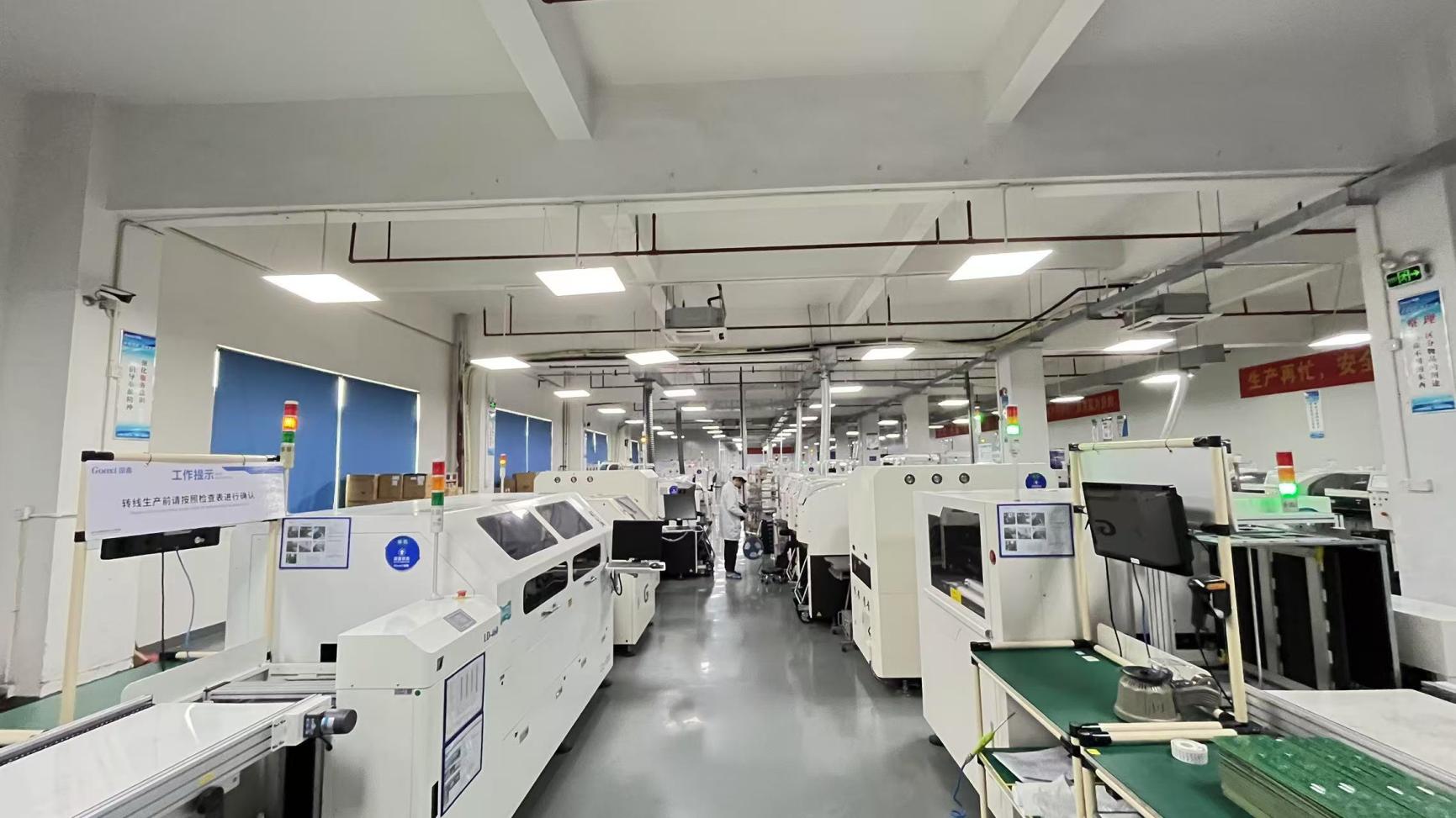
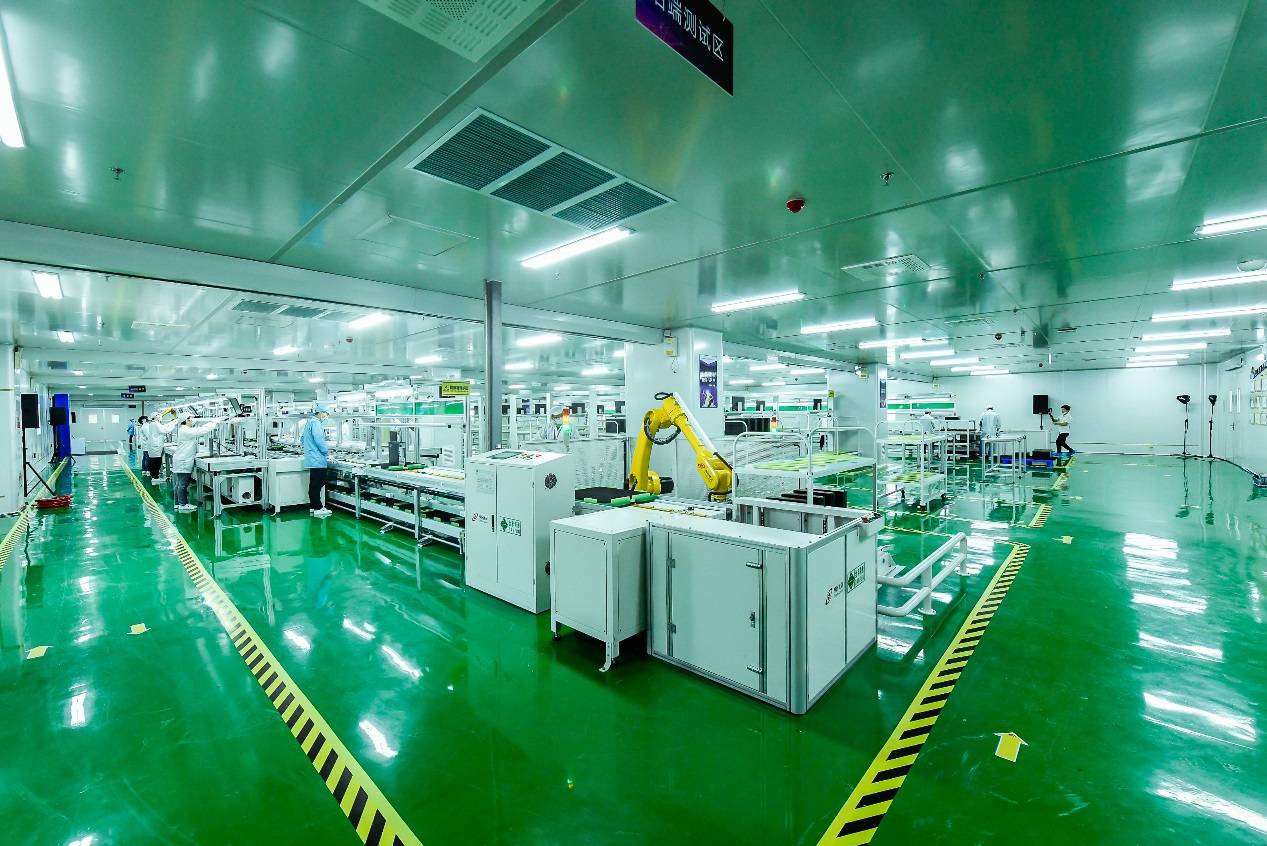
As standard pluggable form factors dominate the consumer market, finding reliable, high-quality, long-term supply paths for legacy 1x9 optoelectronics can be challenging. Many global manufacturers have phased out these configurations, leaving industrial operators vulnerable to component obsolescence. Lumetra has optimized its production lines specifically to address this issue. Our 8,500㎡ facility maintains dedicated assembly lines for 1x9 transceivers, ensuring consistent volume supply for critical networks.
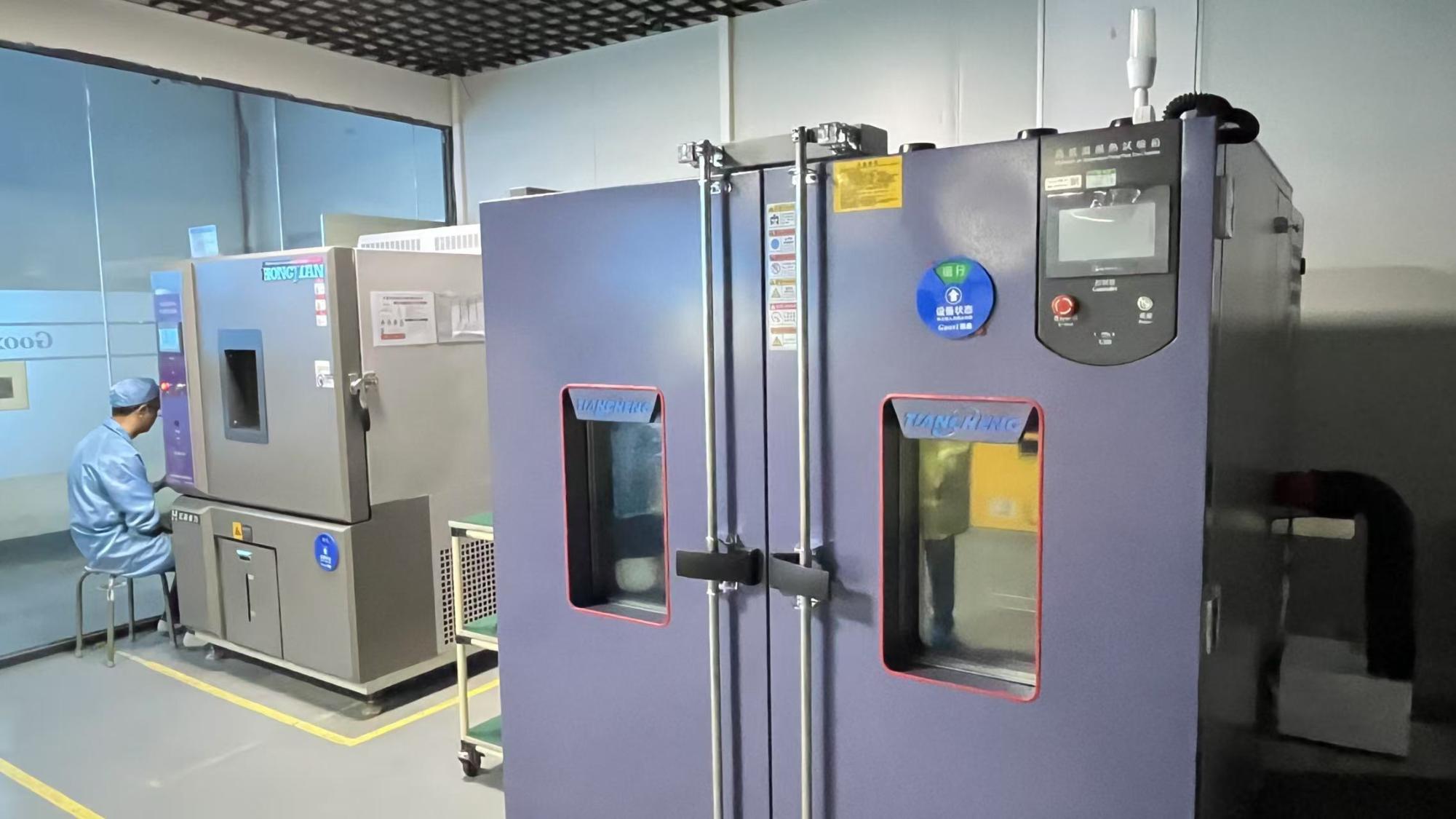
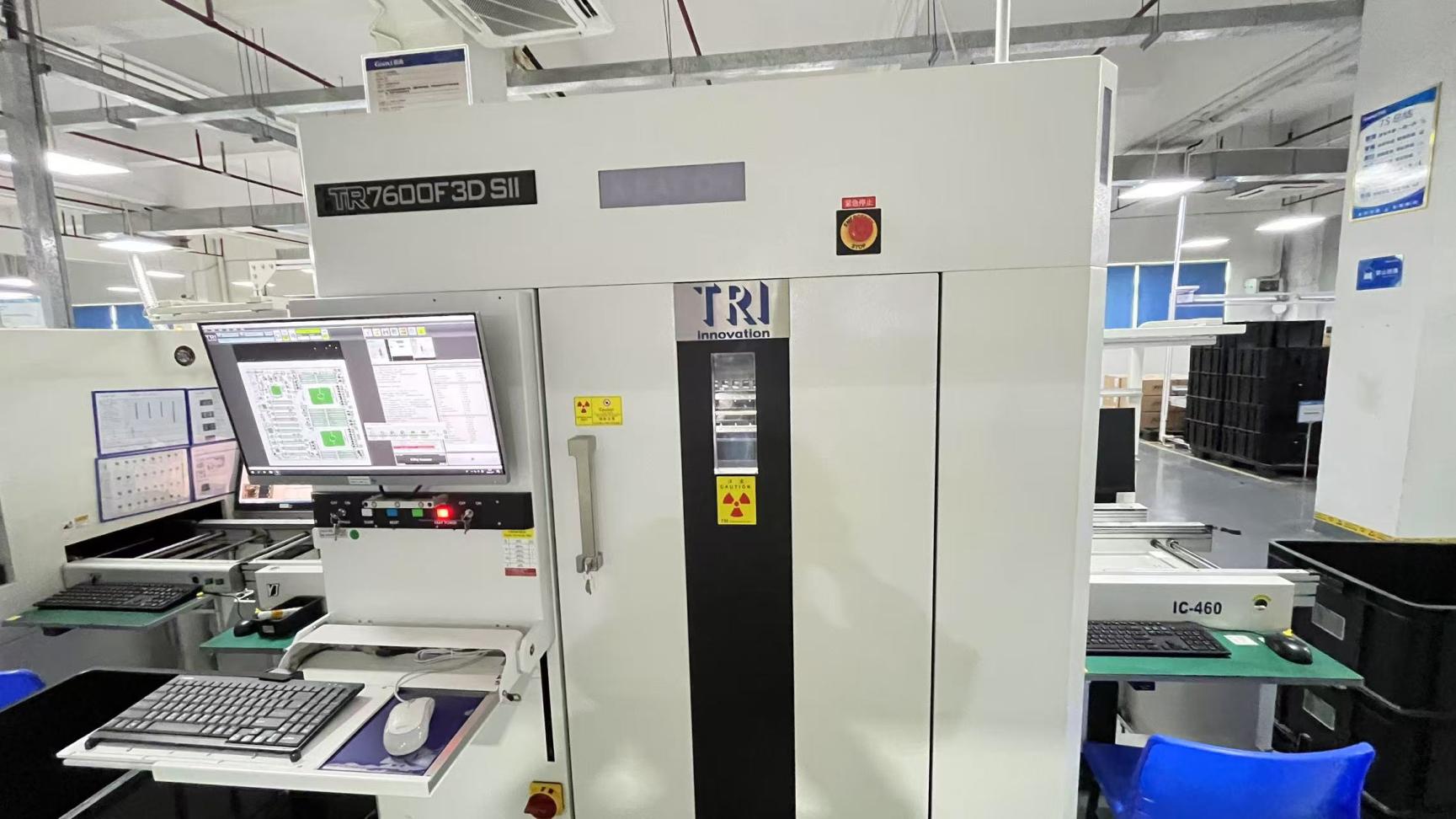
Our Quality 4.0 methodology combines automatic optoelectronic validation stations, multi-temperature environmental burn-in ovens, and detailed optical eye diagram analysis. Every single batch is validated for transceiver sensitivity, output optical power, jitter, and wave-shape parameters. With 48 QC inspectors overseeing our workflows, we track every component back to its wafer batch, maintaining high quality standards for municipal utilities, oil fields, and marine terminal operators across the Sultanate of Oman.
Importing precision network hardware into Oman requires strict adherence to local telecom and industrial standards. Our transceivers comply with international CE, FCC, and RoHS regulations, simplifying the clearance and certification process with the Telecommunications Regulatory Authority (TRA) of Oman. We coordinate logistics directly with terminal networks at Muscat International Airport, Port Sultan Qaboos, Port of Sohar, and Port of Salalah to ensure prompt delivery.
We recognize the high financial impact of system downtime in water desalination facilities, refinery systems, and power plants. Lumetra provides expedited customized packaging, priority custom clearance documents (CO, SASO, and local customs documentation), and fast-tracked engineering assistance to ensure your systems remain fully operational.
For system integrators in Muscat, Sohar, and Duqm, ensuring component availability over 10-to-15-year infrastructure cycles is a common challenge. Large-scale public utility deployments cannot afford sudden component phase-outs. When choosing a manufacturing partner for legacy and specialized industrial components like 1x9 transceivers, we recommend verifying the following critical procurement criteria: