Lumetra
Lumetra
Lumetra
Providing high-precision 2.5G single-mode and multi-mode SFP modules optimized for regional telecom backbones and corporate networks across Istanbul, Ankara, and Izmir.
A comprehensive analysis of Turkey's evolving digital backbone, highlighting why 2.5G to 6G optical architectures are vital for regional advancement.
Turkey occupies a unique geopolitical and economic position bridging Europe and Asia, establishing itself as a vital data transit hub. The Turkish Information Technologies and Communications Authority (BTK) has steadily pushed for aggressive broadband expansion. Major telecommunications operators, including Türk Telekom, Turkcell, and Vodafone Turkey, are actively expanding their Fiber-To-The-Home (FTTH) and Fiber-To-The-Building (FTTB) footprints.
As the country prepares for nationwide 5G commercialization and transitions from legacy GPON systems, the demand for 2.5G and 5G/6G optical transceivers has skyrocketed. These intermediate bandwidth modules provide the exact cost-to-performance sweet spot necessary for cellular backhaul, metropolitan distribution rings, and high-density industrial parks.
While 10G and 100G optics dominate primary core networks, the access and middle-mile layers in Turkey rely heavily on 2.5G and 6G form factors. These rates match the CPRI (Common Public Radio Interface) options 3 through 6 used in mobile fronthaul and backhaul base stations. For instance, CPRI Option 5 runs at 4.9 Gbps, making 5G/6G SFP transceivers absolutely essential for connecting Remote Radio Heads (RRH) to Baseband Units (BBU).
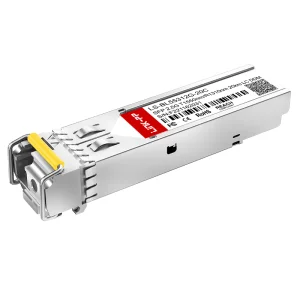
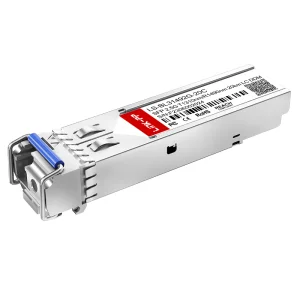
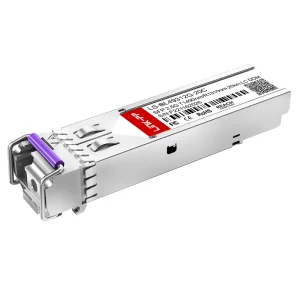
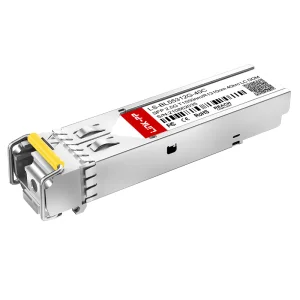
Moreover, single-fiber bidirectional (BiDi) SFP transceivers (using wavelength pairs such as 1310nm/1550nm and 1490nm/1310nm) are heavily sought after by Turkish network engineers. By allowing transmission and reception over a single optical fiber filament, operators can double their physical fiber capacity overnight without the massive capital expenditure of laying new underground cables through highly congested metropolitan areas like Istanbul.
How state-of-the-art automated manufacturing translates to predictable, highly compatible, and competitive sourcing for Turkish network integrators.
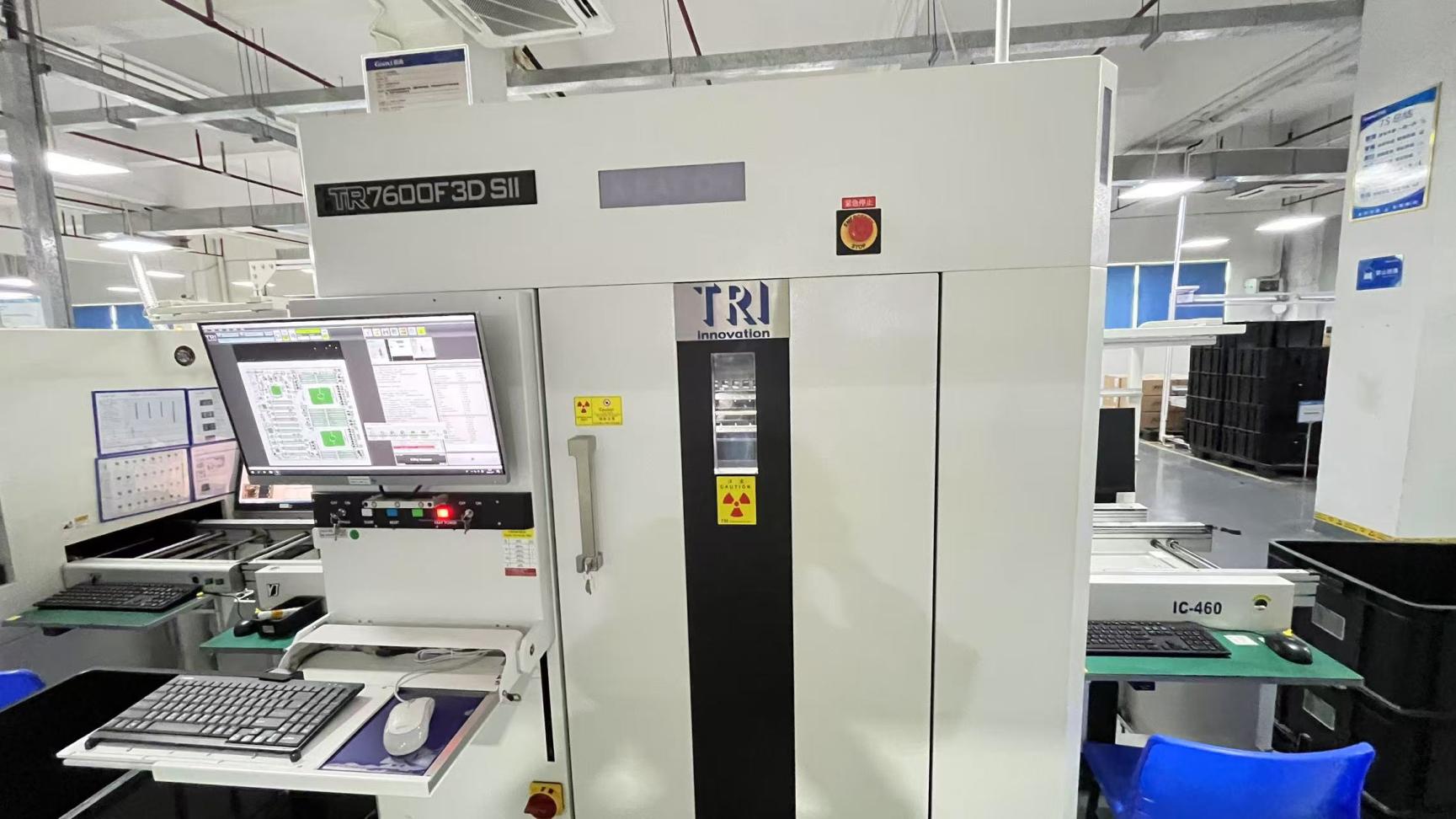
Every module undergoes rigorous automated testing, including Bit Error Rate (BER) analysis, optical eye diagram verification, and real-switch compatibility testing. This guarantees plug-and-play operation with Cisco, Huawei, MikroTik, and Juniper switches common in Turkish networks.
With an in-house engineering team of 86 R&D specialists and over 1,200 verified supply chain partners, Lumetra ensures customized EEPROM coding, wavelength tuning, and consistent component sourcing even during global chip shortages.
Supporting protocol-specific fine-tuning, DDM (Digital Diagnostic Monitoring) parameters adaptation, and mechanical casing modifications. Ready to meet the strict compliance requirements set by European and Middle Eastern import bodies.
Lumetra Optoelectronics Technologies Co., Ltd. is a professional manufacturer specializing in high-speed optical transceivers and fiber optic communication solutions for datacom, telecom, and cloud infrastructure applications. Founded in 2016, the company has developed into a reliable supplier with strong engineering capabilities and global export experience.
The company operates a production facility covering approximately 8,500㎡, supporting efficient manufacturing and quality-controlled assembly processes. With annual export revenue reaching around USD 18 million, Lumetra has built stable international business channels and accumulated 7 years of export experience, backed by 11 years of overall industry expertise.
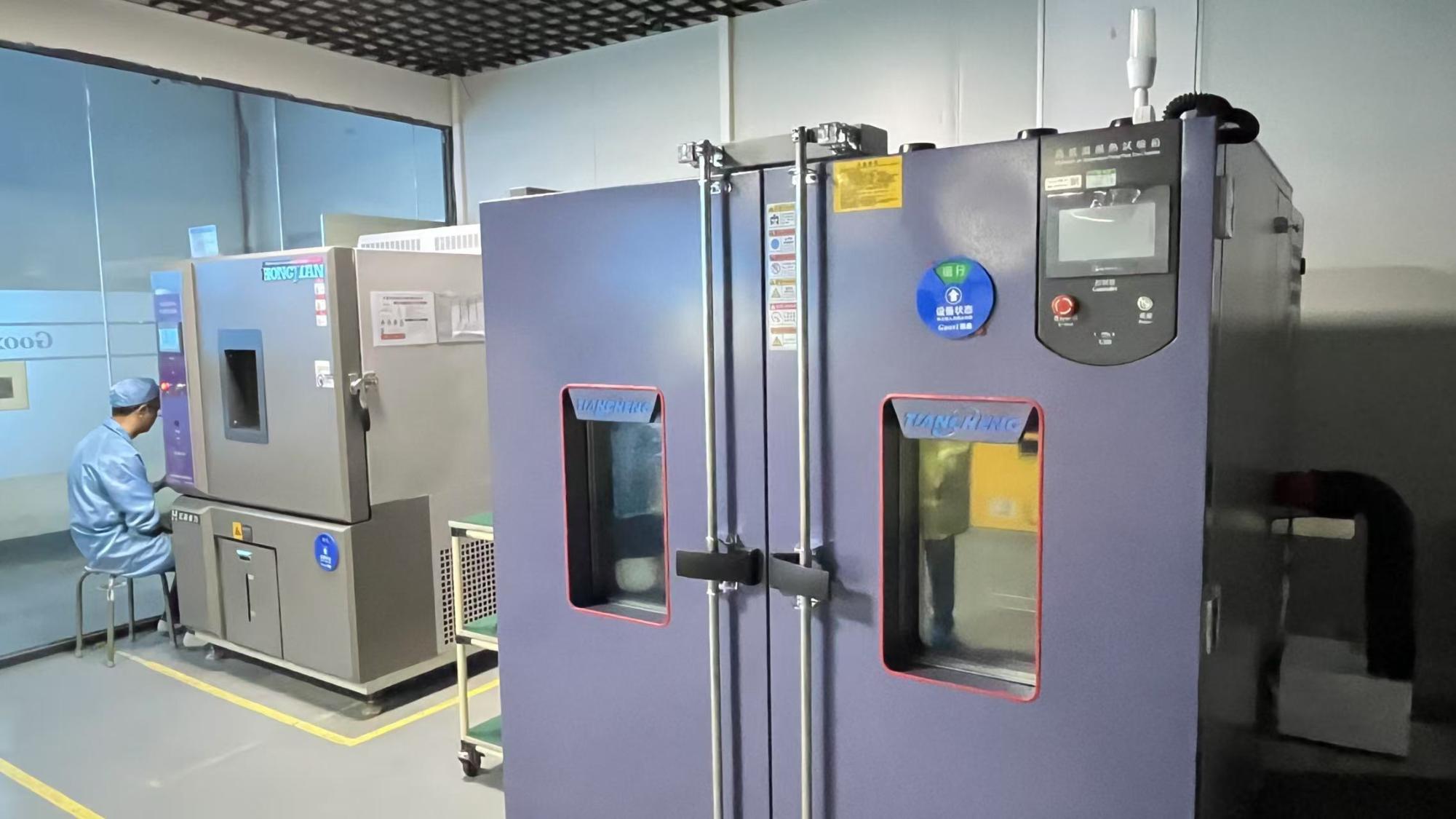
Quality assurance is maintained through a combination of automated optical performance testing, environmental stress screening, and manual inspection processes. The quality control team consists of 48 trained inspectors ensuring strict compliance with international standards.
Lumetra maintains a diversified trade background with strong presence in OEM and ODM markets. Its primary markets include North America, Europe, Southeast Asia, and the Middle East, serving telecom operators, data center integrators, and network equipment distributors.
The company collaborates with over 1,200 supply chain partners to ensure stable component sourcing and manufacturing efficiency. Its customer base mainly includes telecom carriers, hyperscale data centers, system integrators, and optical network equipment brands.
With strong R&D capability, Lumetra supports advanced customization including protocol compatibility, wavelength tuning, form factor adaptation, and power optimization. The company employs 86 R&D engineers focused on optical design, hardware development, and signal integrity optimization.
In the past year, Lumetra launched approximately 220 new products, reflecting its continuous innovation in high-speed optical communication technologies.


Exploring how Lumetra's 2.5G to 6G SFP transceivers solve operational challenges in key Turkish business sectors.
Challenge: Congested underground fiber conduits crossing the Bosphorus Strait, leading to extremely high costs for laying new optical cables.
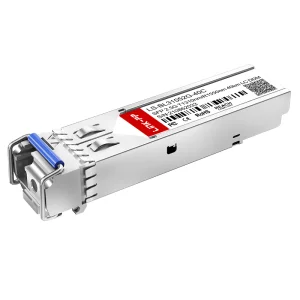
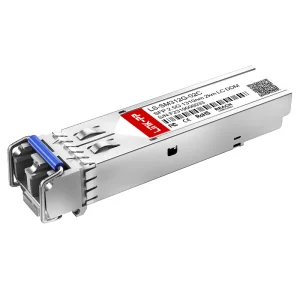
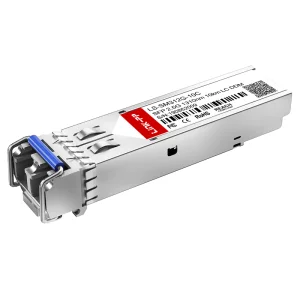
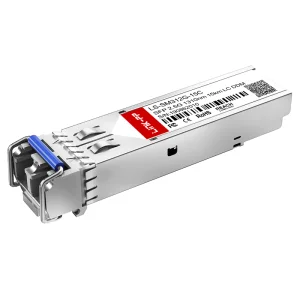
Solution: Implementation of Lumetra's 2.5G BiDi (Bidirectional) SFP Modules (such as the 1310nm/1550nm 20km and 40km variants). By transmitting and receiving on a single strand of fiber, network integrators double the capacity of existing trans-Bosphorus fiber channels, avoiding massive civil engineering costs.
Challenge: High electromagnetic interference (EMI) and extreme temperatures in large automotive and steel manufacturing facilities affecting industrial Ethernet links.
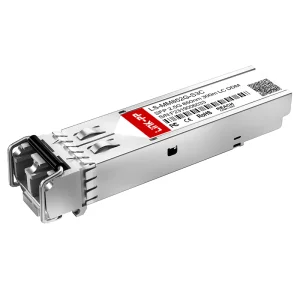
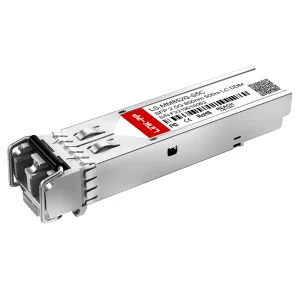
Solution: Standardizing on Lumetra's Industrial Temperature rated 2.5GBASE-SX Multimode 850nm SFPs. The fiber optic medium is immune to EMI, and the industrial-grade components withstand ambient temperatures ranging from -40°C to +85°C inside manufacturing plants.
Challenge: Connecting remote 4G LTE-Advanced and pilot 5G base stations scattered across the mountainous Anatolian landscape back to central routing offices.
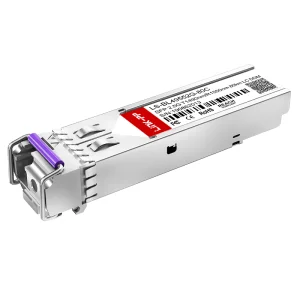
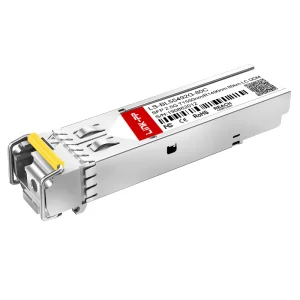
Solution: Deploying long-reach 2.5G/6G SFP modules supporting distances of up to 80km (such as our 1490nm/1550nm 80km Bidi LC modules) to ensure low latency and reliable data transmission across expansive rural carrier networks.
Explore our extensive inventory of high-performance transceivers, designed to meet the exact wavelength, distance, and media specifications of your regional network deployment.
Detailed answers regarding customization, system compatibility, customs, and shipping parameters for Turkish network importers.
Benefit from China's Industry 4.0 production efficiencies and our 11 years of specialized telecommunication expertise.