Lumetra
Lumetra
Lumetra
High-compatibility optical engines designed for core edge access and base station backhauls across East Africa.
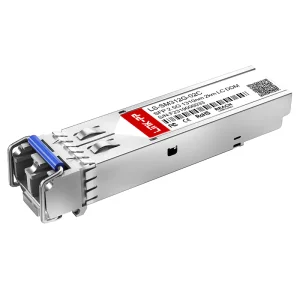
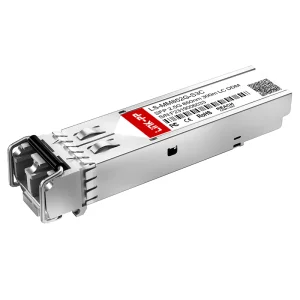
Ethiopia, home to the second-largest population in Africa, is undergoing a profound digital transformation. With the liberalization of the telecommunications sector and the aggressive network expansion of state-owned Ethio Telecom alongside the commercial entry of Safaricom Ethiopia, the nation's demand for high-speed, reliable optical transmission infrastructure has surged. This digital evolution is not limited to metropolitan fiber layouts but extends deep into rural mobile backhaul networks, industrial zones, and enterprise private rings.
The strategic blueprint under "Digital Ethiopia 2025" outlines the complete digitalization of the country's economic and public administration sectors. Accomplishing this requires a resilient optical network backbone. 2.5G~6G SFP (Small Form-factor Pluggable) transceivers serve as the critical connectivity nodes that link multi-service access nodes (MSANs), base station Baseband Units (BBUs) to Remote Radio Units (RRUs), and regional optical line terminals (OLTs) to transport switches. The deployment of 2.5G and 6G technologies provides the optimal balance of data throughput, optical budget, and capital expenditure efficiency for the Ethiopian market, enabling step-by-step bandwidth upgrades without rendering legacy hardware obsolete.
As 4G LTE coverage approaches universal rollout and 5G trial projects launch in Addis Ababa, CPRI/eCPRI interface transceivers (ranging from 2.45G to 6.14G) are vital for connection consistency across remote cellular towers.
Connecting regional DSLAMs and OLTs to metro switches using 2.5G SFP transceivers dramatically expands broadband bandwidth to homes and businesses without requiring immediate migrations to expensive 10G architectures.
Modern industrial hubs like the Hawassa Industrial Park, Bole Lemi, and Adama rely on dedicated fiber infrastructure where 2.5G to 6G dual-fiber and BiDi modules manage secure, high-speed OT systems.
Ethiopia presents a unique geographical landscape, featuring high-altitude plateaus (with Addis Ababa situated at over 2,300 meters above sea level) alongside high-temperature, low-altitude drylands such as the Danakil Depression. Designing and deploying optical transceivers for these conditions demands rigorous adherence to performance physics and thermal dynamics.
At high altitudes, the thinner air reduces convective heat dissipation capacity by up to 20-30%. Consequently, standard commercial-grade transceivers rated for 0°C to 70°C operating limits run the risk of laser degradation, wavelength drift, and premature hardware failure when enclosed in sealed outdoor street cabinets. As a specialized manufacturer, Lumetra Optoelectronics addresses this critical variable by supplying transceivers with extended operating temperature ranges (-20°C to 85°C) and true industrial-grade components (-40°C to 85°C).
Long-distance fiber optic trunks in Ethiopia running between regional capitals (e.g., from Addis Ababa to Dire Dawa or Bahir Dar) use Single Mode Fiber (ITU-T G.652). To counter optical dispersion over distances exceeding 40km, our 2.5G and 6G modules utilize high-performance Distributed Feedback (DFB) lasers. These lasers feature narrower spectral widths compared to standard Fabry-Perot (FP) configurations, effectively eliminating inter-symbol interference and maintaining a low bit-error rate (BER) over transmission spans up to 80km.
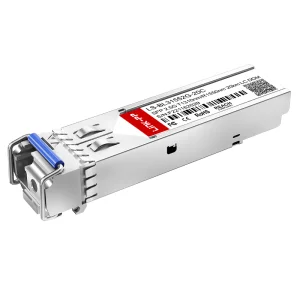
Fiber resources are costly and labor-intensive to lay across mountainous terrain. Bidirectional (BiDi) SFP transceivers solve this resource constraint. By deploying complementary wavelengths—such as 1310nm-TX/1550nm-RX and 1550nm-TX/1310nm-RX—over a single optical core, network integrators can instantly double system bandwidth. This technology bypasses the need for laying extra optical cabling, providing significant cost savings for long-distance transport projects throughout Ethiopia.
We combine automated optical engineering with end-to-end component sourcing to deliver highly reliable products worldwide.
Lumetra Optoelectronics Technologies Co., Ltd. is a leading manufacturer specializing in high-speed optical transceivers and advanced fiber optic communication systems. Since our founding in 2016, we have established ourselves as a premier global supplier, backed by over 11 years of deep industry expertise. Operating out of an 8,500 square meter facility, our production line integrates intelligent automation, high-speed optical test beds, and systematic burn-in processes.
Our commitment to quality control is reinforced by 48 specialized quality inspectors who monitor every stage of production, from wafer dicing and wire bonding to sub-assembly alignment and final calibration. To ensure reliable performance in the field, every single optical module undergoes automated bit-error rate (BER) testing, optical eye diagram verification, and temperature-controlled stress cycling.
Our engineering team of 86 R&D specialists focuses on high-speed hardware design, firmware optimization, and multi-vendor compatibility. This allows us to customize transceiver EEPROM coding to match dominant equipment architectures, such as Huawei, ZTE, Nokia, and Cisco systems. As a result, our modules integrate seamlessly into legacy networks in Ethiopia without generating interface compatibility errors.
By launching over 220 new specialized products annually, we consistently adapt to emerging industry requirements, including low-latency wireless backhauls and high-density fiber installations.
Shipping to Ethiopia requires navigating complex transport lanes. Lumetra optimizes delivery routes by coordinating with customs agents and utilizing air cargo channels to Addis Ababa Bole International Airport (ADD), as well as multi-modal transport via Djibouti Port and the Ethio-Djibouti Railway. This structured logistics network ensures steady supply lines and minimized transit times for critical infrastructure rollouts.
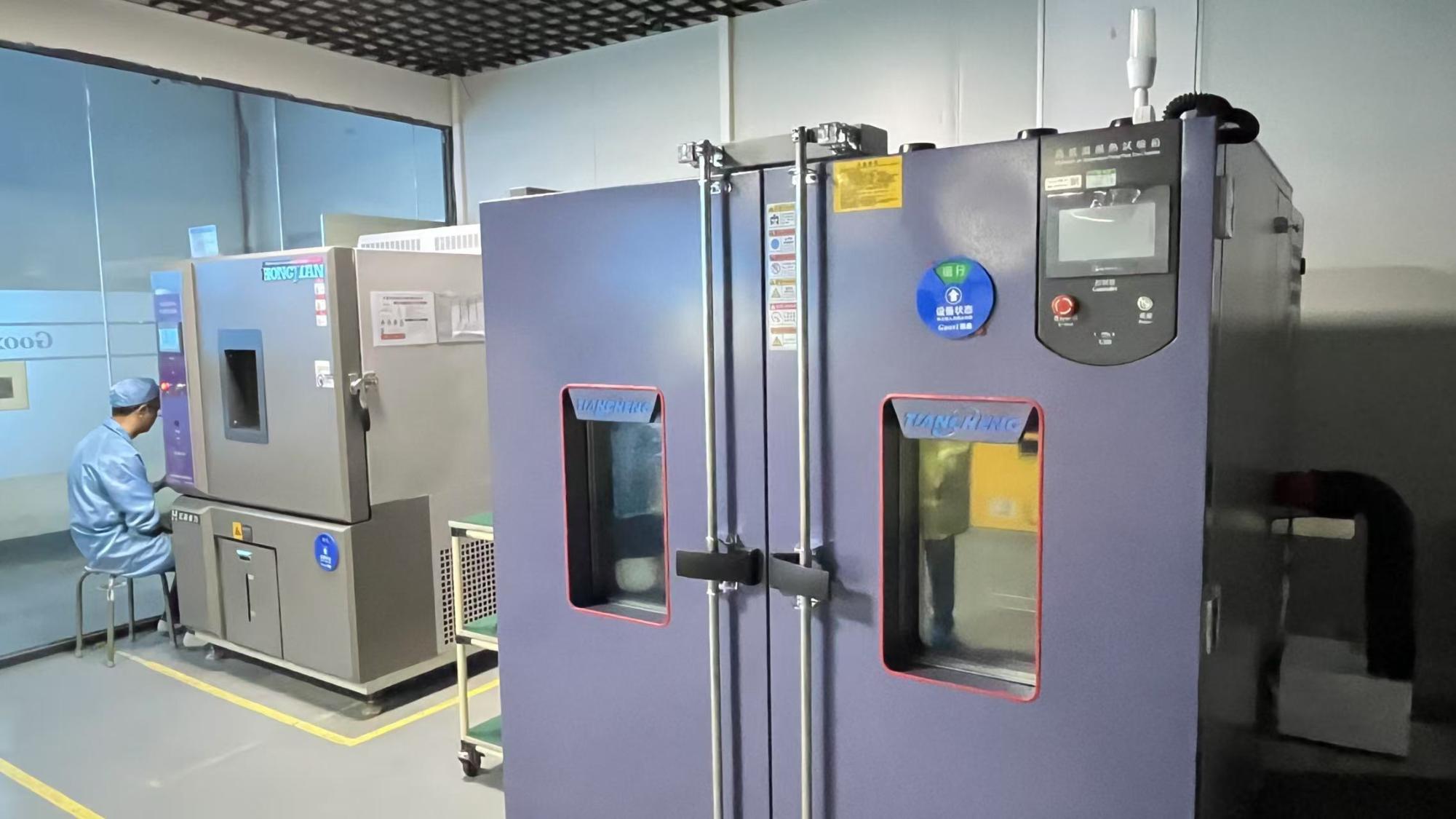

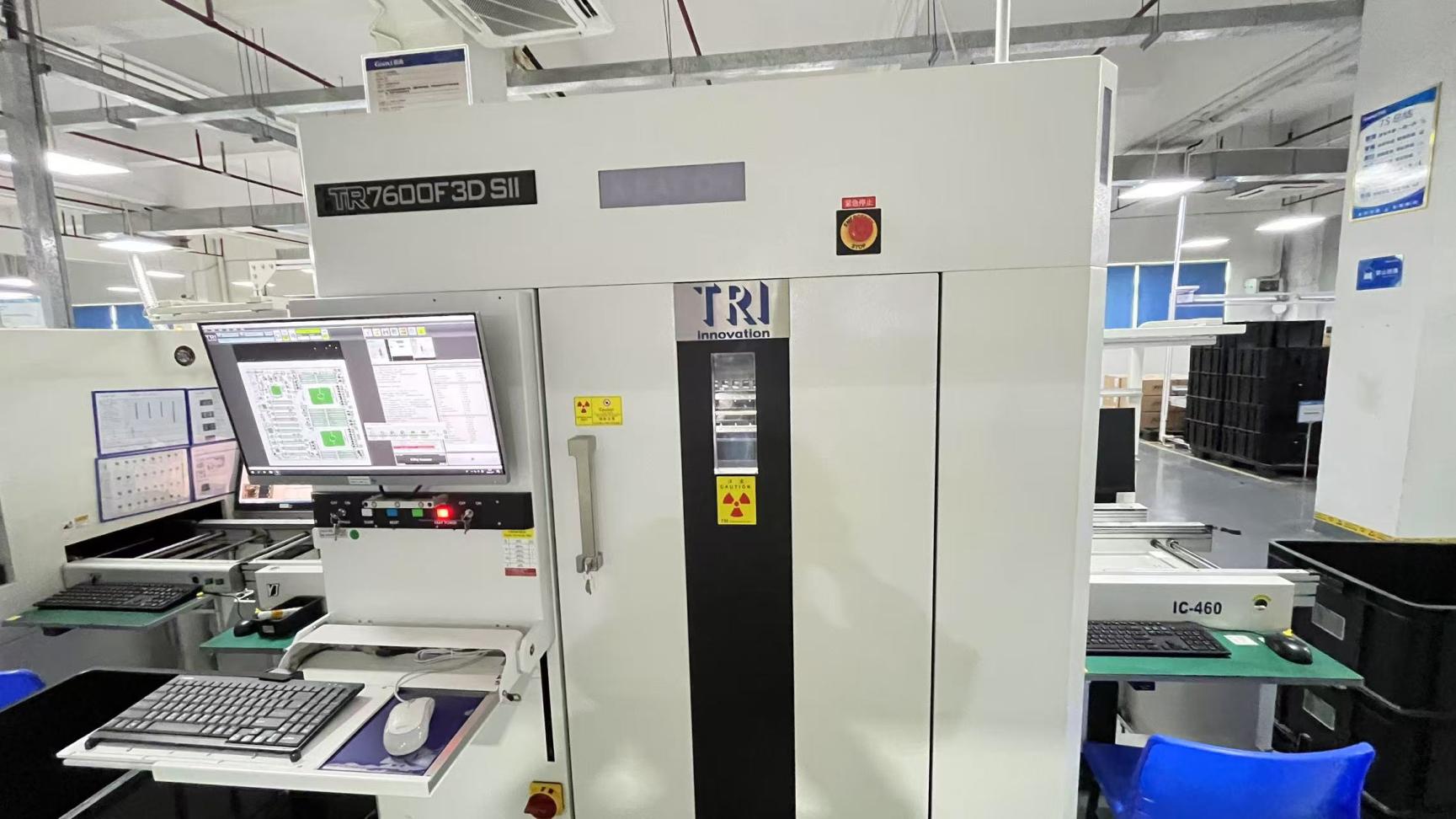

Deploying networking equipment in Ethiopia means working within specific geographic, commercial, and technical environments. Below are three key application scenarios where 2.5G to 6G optical transceivers are actively used to optimize performance and lower operational costs:
For mobile towers located outside urban centers like Adama or Awassa, remote base stations connect via CPRI links. Our 6.14G optical transceivers enable dual-link transmission between baseband units (BBUs) in central equipment rooms and remote radio units (RRUs) on towers. This provides the bandwidth stability needed to support multi-carrier LTE sectors without signal dropouts.
To meet the growing demand for high-speed fiber-to-the-home (FTTH) services in dense metropolitan areas, operators use GPON systems. Our 2.5G SFP modules provide the high-capacity uplink connection between local Optical Line Terminals (OLTs) and the core distribution switches, ensuring stable bandwidth for end users during peak usage hours.
Industrial parks require private, secure communication loops to link production facilities with central administrative offices. Using 2.5G BiDi transceivers over single-fiber rings allows factories to run low-latency networks for SCADA monitoring and security systems while halving the optical fiber cores needed for the network layout.
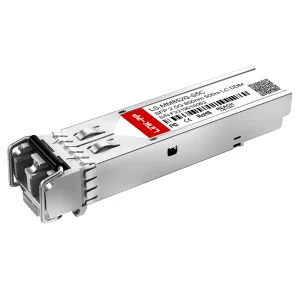
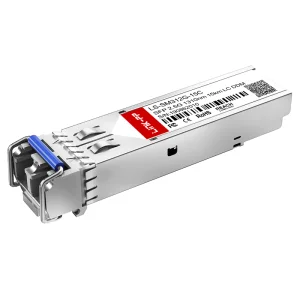
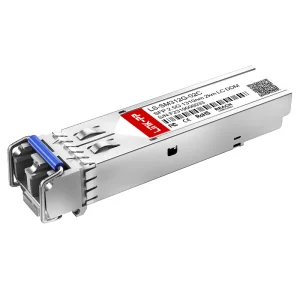
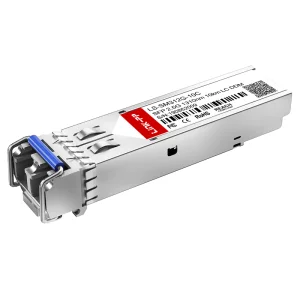
Explore our complete range of high-performance optical modules, featuring single-mode, multi-mode, and single-fiber bidirectional designs.
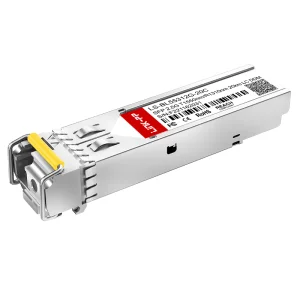
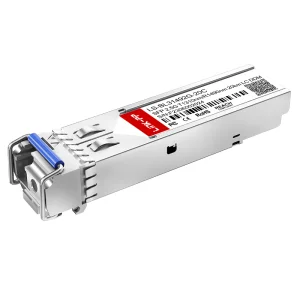
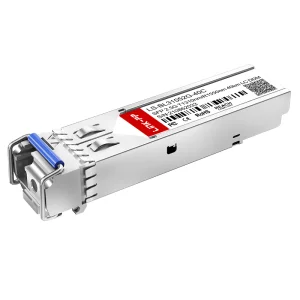
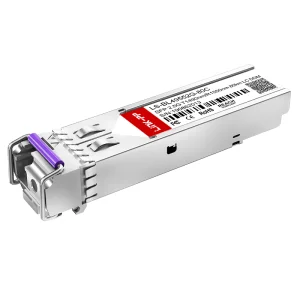
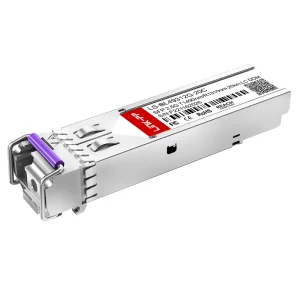
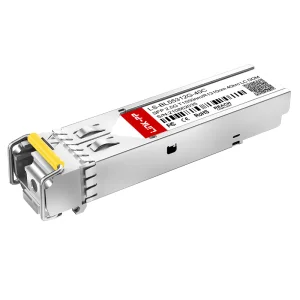
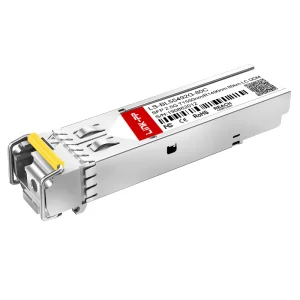
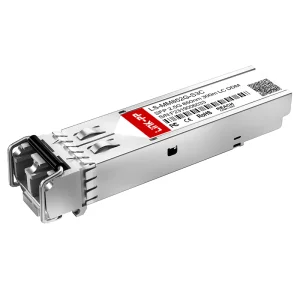
Essential technical and commercial information for engineers and procurement managers deploying networks in Ethiopia.
Secure your telecommunication infrastructure supply chain with Lumetra's carrier-grade optical modules. Get in touch with our engineering team today for custom compatibility testing, sample evaluation, and wholesale volume pricing.
Send Inquiry Now