Lumetra Lumetra

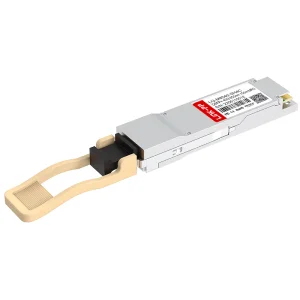
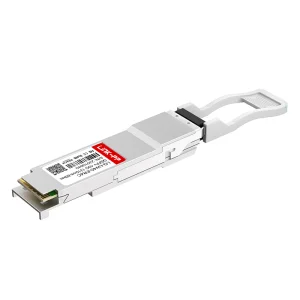
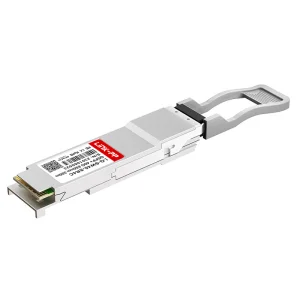
40G QSFP+ Module Factories & Exporters for the Mexico Market

High-Capacity Optical Interconnects Engineered for Tier-3 Data Centers, Querétaro Nearshoring Hubs, and Mexico National Telecom Network Integrations.

Send Inquiry Now

Industrial Whitepaper: Optical Infrastructure Upgrades in the Mexican Market

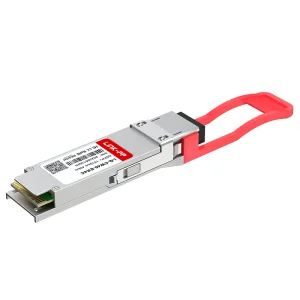
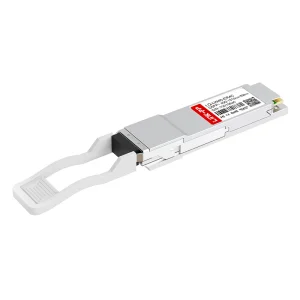
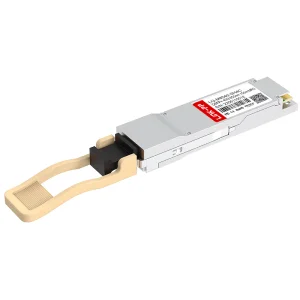
Mexico is witnessing a historical surge in digital infrastructure investment. Driven by rapid "nearshoring"—where global manufacturers establish production centers in Northern and Bajío regions such as Monterrey, Tijuana, and Querétaro—the requirement for low-latency, high-bandwidth data transmission has expanded exponentially. As enterprise networks scale from legacy Gigabit Ethernet, the 40G QSFP+ (Quad Small Form-factor Pluggable Plus) interface remains a vital backbone connector for Data Center Interconnects (DCI), local Area Networks (LANs), and campus core routing.

For network operators, procurement managers, and systems integrators in Mexico (such as those partnering with Telmex, Alestra, or Megacable), sourcing highly compatible optical transceivers from reliable manufacturers is essential. This paper analyzes technical alignment, international regulatory compliances, and supply-chain structures necessary for importing premium 40G QSFP+ transceivers from China into Mexico's expanding digital ecosystem.

Key Application Scenarios in Mexican Enterprise Networks

The implementation of 40G optical platforms spans several key technology sectors across Mexico:

  • The Querétaro Valley Data Center Clusters: Known as the digital cloud core of Mexico, Querétaro hosts hyperscale centers for international platforms and local carriers (KIO Networks, ODATA, Ascenty). 40G QSFP+ transceivers (particularly SR4 and BiDi variants) support leaf-spine structures, bridging access switches to high-density core routers.
  • Automated Manufacturing Hubs in Monterrey and Saltillo: Smart factories deploying Industrial IoT (IIoT) require stable fiber links. Distances ranging from 100m to 10km are bridged efficiently using QSFP+ MMF and SMF transceivers to resist high electromagnetic interference (EMI) typical in factory floors.
  • Carrier Backhaul Expansion: Initiatives targeting the "Red Compartida" and metropolitan network extensions rely on long-reach 40G transceivers (such as the 40GBASE-ER4 and ZR4 modules supporting 40km to 80km spans) to bypass expensive active repetition sites in rugged terrain.

Querétaro Datacenter Hub

Optimum support for ultra-low latency, high-density leaf-spine fiber layouts inside Mexico's premier cloud zones.

Nearshoring Automation

Reliable EMI-protected links to interconnect automotive and electronic factory campuses in Nuevo León.

Metropolitan Backbone

Cost-effective single-mode fiber links covering up to 80km for regional telecom infrastructure.

Mexican Regulatory Compliance & Technical Compatibility

Navigating the importing and local validation processes in Mexico requires strict attention to engineering and legal frameworks:

1. NOM Certifications (Normas Oficiales Mexicanas)

Electronic and telecommunications hardware entering Mexico must align with safety standards under NOM-019-SCFI (safety of data processing equipment) and NOM-208-SCFI (radio-communication systems and interface requirements). Top-tier exporters ensure their active transceivers undergo strict electrical testing to prevent field failures, reducing importation friction at Mexican customs entry ports like Manzanillo and Laredo.

2. Digital Diagnostic Monitoring (DDM / DOM)

Under local operational standards, proactive network maintenance is critical. Modules supplied for the Mexican market feature real-time Digital Diagnostic Monitoring (DDM), allowing engineers to monitor laser power, temperature, receiver sensitivity, and supply voltages remotely, minimizing costly field trips into hard-to-reach locations.

3. Complete Switch Interoperability

Network environments in Mexico are highly heterogeneous, mixing American, European, and Asian routing hardware. Excellent Chinese factory operations include multi-coded EEPROM custom programming, ensuring 100% compatibility with Cisco, Juniper, Huawei, Arista, HP, and Mikrotik devices without producing system warning codes.

Lumetra Capacity Indicators

8,500 ㎡
Modern Production Facility
86
Expert R&D Engineers
USD 18M
Annual Export Revenue
7+ Years
Global Exporting Experience
1,200+
Supply Chain Partners
220+
New Products Launched Annually
Request Engineering Specs

Direct Factory Advantages from China to Mexico

Why systemic OEM/ODM services from established manufacturers provide the optimal TCO for Mexican integrators.

Purchasing components from specialized optic factories like Lumetra Optoelectronics Technologies Co., Ltd. allows buyers to optimize network cost frameworks while securing high reliability. With an annual export footprint of 18 million USD and a professional history spanning over a decade, Lumetra offers robust solutions designed to fit Mexico's logistical requirements:

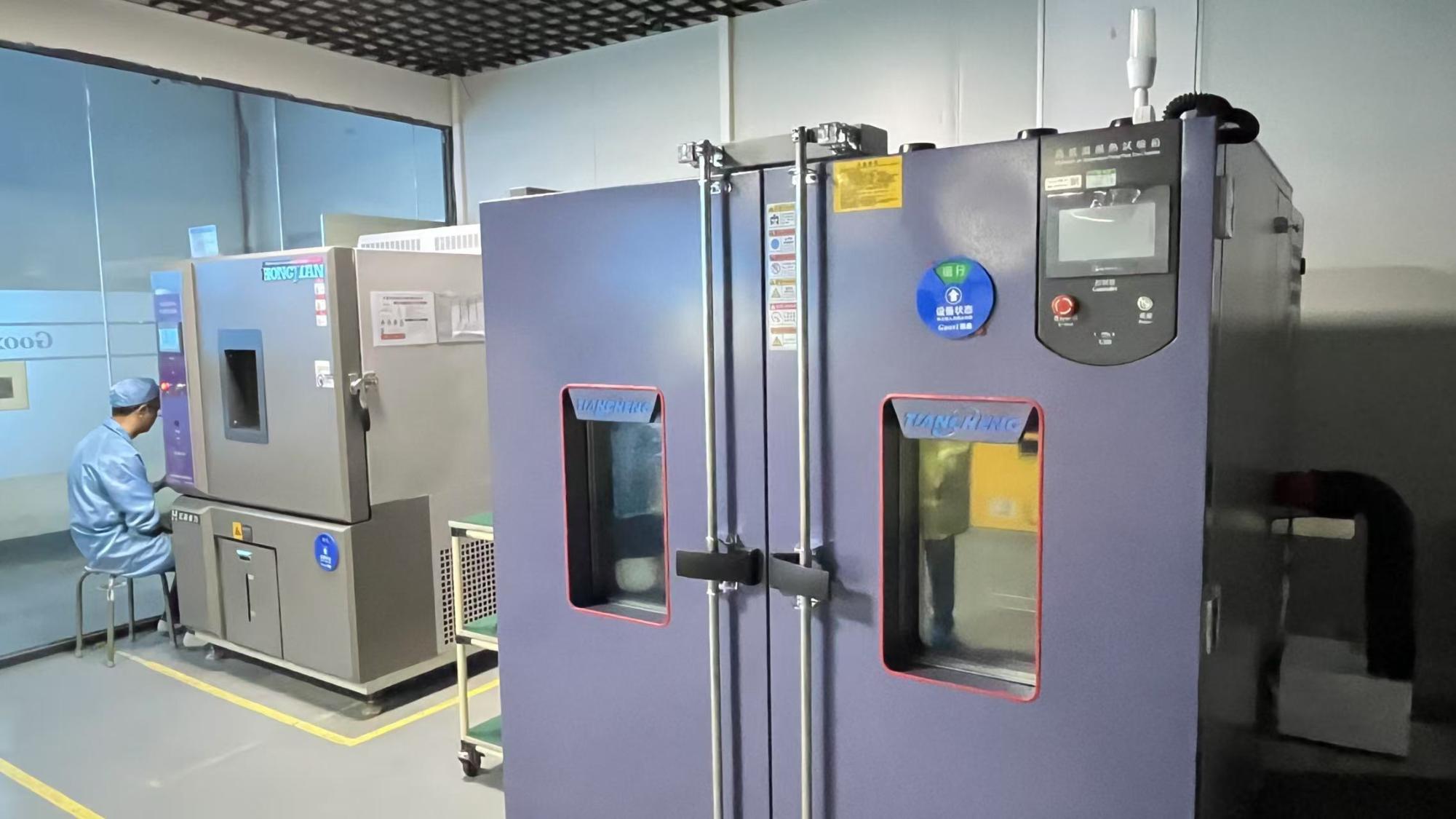
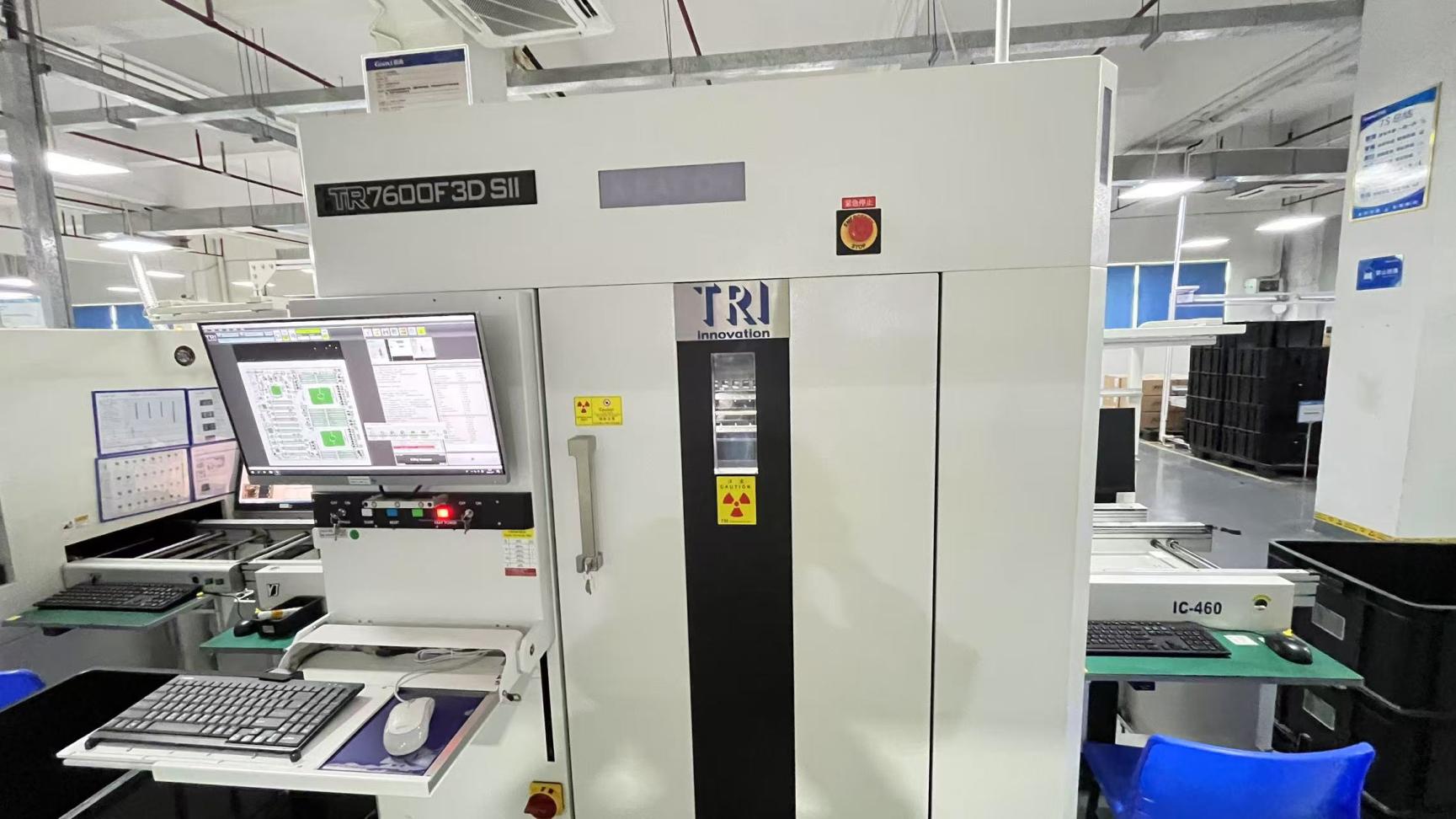
  • Rigorous Testing Protocols: Every single module undergoes strict automated optical performance testing, environmental stress screening, and manual inspection processes managed by a dedicated team of 48 QC inspectors. This guarantees zero-defect deliveries at the port of arrival.
  • Direct Engineering Collaboration: Backed by 86 expert R&D engineers, we support advanced customization requests including specific wavelength tuning (CWDM/DWDM), custom protocol configurations, EEPROM coding, and specialized heat dissipation designs tailored for the hot climates of Northern Mexico.
  • Supply Chain Stability: Collaboration with over 1,200 verified supply chain partners prevents delays in component procurement, allowing us to maintain predictable manufacturing lead times even during global silicon shortages.

Need Customized EEPROM Programming for Telmex or Alestra Compatibility?

Talk directly with our R&D engineering department. We specialize in configuring our 40G QSFP+ transceivers to run flawlessly on legacy and modern switches alike.

Connect With An Engineer

Frequently Asked Questions

Technical insights on deploying 40G QSFP+ transceivers inside Mexico networks.
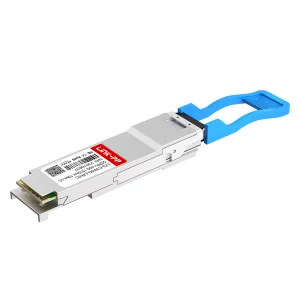
Q1: What are the primary differences between QSFP+ SR4, LR4, and ER4 modules?
These designations represent the optical reach and transmission medium. SR4 (Short Range) works over Multimode Fiber (MMF) up to 150m using 850nm wavelengths over MPO connectors. LR4 (Long Range) leverages Single Mode Fiber (SMF) up to 10km utilizing WDM technologies over duplex LC connectors. ER4 (Extended Range) operates on SMF covering up to 40km, while ZR4 provides ultra-long-haul capacity covering up to 80km using specialized APD receivers.
Q2: How are compatibility problems avoided on Cisco and Huawei switches in Mexico?
We use specialized EEPROM writers to flash custom programming signatures matching the OEM manufacturer's configuration. In addition, our 86 R&D engineers keep verification switches in our testing lab to physically replicate the hardware environments of Mexican carriers like Telmex and Megacable.
Q3: What compliance certificates are needed to import transceivers into Mexico?
Importation requires compliance with NOM safety guidelines (such as NOM-019-SCFI or NOM-208-SCFI). Our modules hold international CE, FCC, RoHS, and UL certificates, which serve as foundational compliance benchmarks that simplify the approval process for Mexican customs brokers.
Q4: Can we use 40G QSFP+ BiDi transceivers to reduce structural fiber costs?
Yes. 40GBASE-SR BiDi transceivers allow the transmission of 40G over existing duplex LC multimode fiber structures (originally used for 10G). This avoids the need to run new MPO-12 cabling systems, saving significant money on passive plant infrastructure in brownfield data centers.
Q5: What is the typical lead time from your factory to major Mexican ports?
Standard production lead time is 1-2 weeks thanks to our large component inventory. Air shipping via DHL/FedEx to Mexico City (AICM) or Guadalajara Airport takes 4-7 business days, while ocean freight routes to Manzanillo or Lázaro Cárdenas ports require approximately 20-30 days.