Lumetra
Lumetra
Lumetra
Designed for high-throughput operational technology networks, assembly automation, and carrier edge hubs throughout the Chukyo Industrial Zone.
As the primary industrial engine of Central Japan, the Greater Nagoya area—comprising Aichi, Gifu, and Mie prefectures—represents a manufacturing ecosystem undergoing deep digital evolution. Widely celebrated for its automotive engineering, precision machine tooling, and aerospace manufacturing plants, Nagoya is currently transitioning from legacy physical control protocols to hyper-connected cyber-physical systems (CPS) and Industrial Internet of Things (IIoT) platforms. This high-density industrial environment demands data communication backbones that are reliable, low-latency, and resistant to electromagnetic interference (EMI).
Optical interconnects, especially 40G QSFP+ transceivers, play an irreplaceable role in this technological upgrade. While massive cloud-hosting data centers in Tokyo and Osaka are deploying 100G, 400G, and even 800G optical lines, the industrial manufacturing floor and localized enterprise storage nodes throughout Nagoya rely heavily on 40G systems. These setups offer the ideal ratio of processing power to infrastructure cost, enabling real-time telemetry from automated factory lines, advanced machine vision systems, and high-performance engineering simulations to run without packet loss or structural bottlenecks.
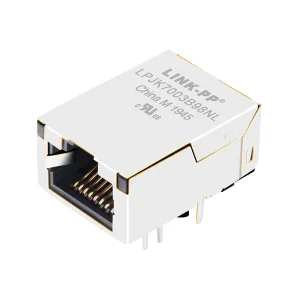
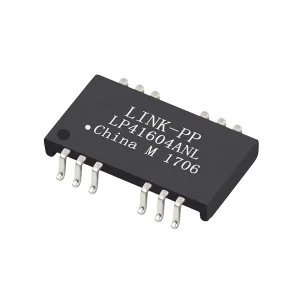
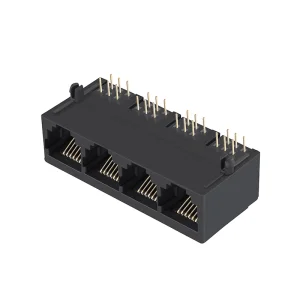
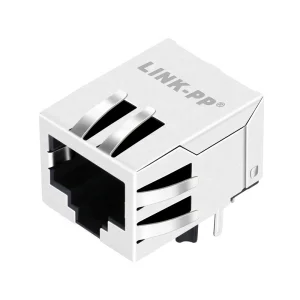
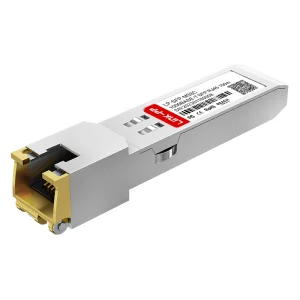
Essential physical layer equipment, modular copper links, and diagnostic components supporting the hybrid optical-to-copper topologies found in Nagoya factories.
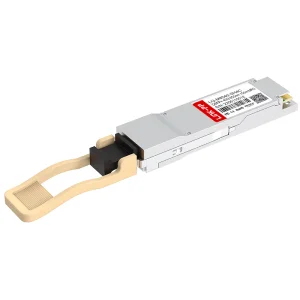
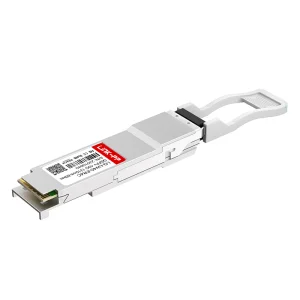
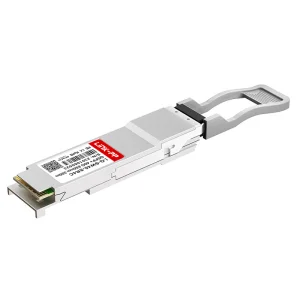
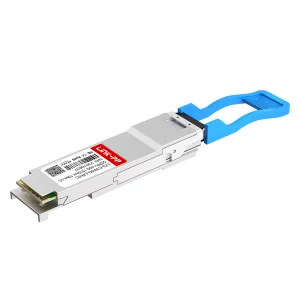
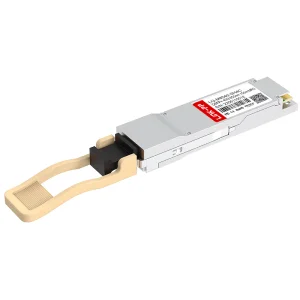
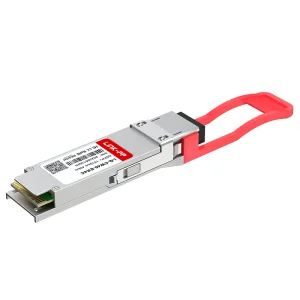
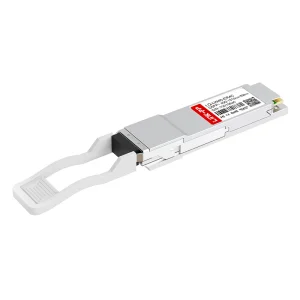
The 40G QSFP+ (Quad Small Form-factor Pluggable Plus) is a high-density, hot-pluggable optical transceiver system designed to deliver 40 Gigabit per second Ethernet speeds. It is specified under the SFF-8436 multi-source agreement (MSA) and operates using four independent transmit and receive channels. Each channel is capable of carrying data rates up to 10.3 Gbps (or 11.2 Gbps for OTU3 operations), yielding an aggregate bandwidth of 40 Gbps. This unique 4-lane parallel structure provides network architects in Nagoya with exceptional flexibility in connection options: it can be utilized as a solid 40G link or broken out into four independent 10G interfaces using MPO/MTP to LC breakout cables.
Depending on the required physical layout and fiber infrastructure, different transceivers must be deployed to match power budgets, attenuation parameters, and media types:
Founded in 2016, Lumetra Optoelectronics Technologies Co., Ltd. is a leading manufacturer specializing in high-speed optical transceivers and advanced fiber optic communication solutions. With over 11 years of overall industry expertise and 7 years of specialized global export experience, we design, test, and manufacture products that consistently meet the strict operational requirements of enterprise networks, telecom networks, and cloud infrastructures worldwide.
Operating a state-of-the-art production facility of approximately 8,500 square meters, we achieve an annual export revenue of roughly USD 18 million. Lumetra's manufacturing processes incorporate automated optical alignment, rigorous environmental stress screenings, and comprehensive signal integrity validation. We maintain a reliable supply network of over 1,200 partners to guarantee consistent component availability and cost stability—benefits we pass directly to our customers.
Innovation is at the core of our business model. Led by an experienced team of 86 R&D engineers focused on optical physics, high-speed electrical layouts, and firmware compatibility, we introduced approximately 220 new products over the past year. Whether your network requires unique protocol configurations, customized wavelength profiles, variable power ranges, or specific form-factor adjustments, our R&D team can tailor solutions to meet your engineering specifications.
Strict Quality Assurance Standards: Our dedicated quality assurance team consists of 48 trained inspectors who oversee a multi-stage quality control process. Every single transceiver is tested in-house on targeted switch hardware to guarantee 100% compatibility and zero-out-of-box failures before shipping to Japan.
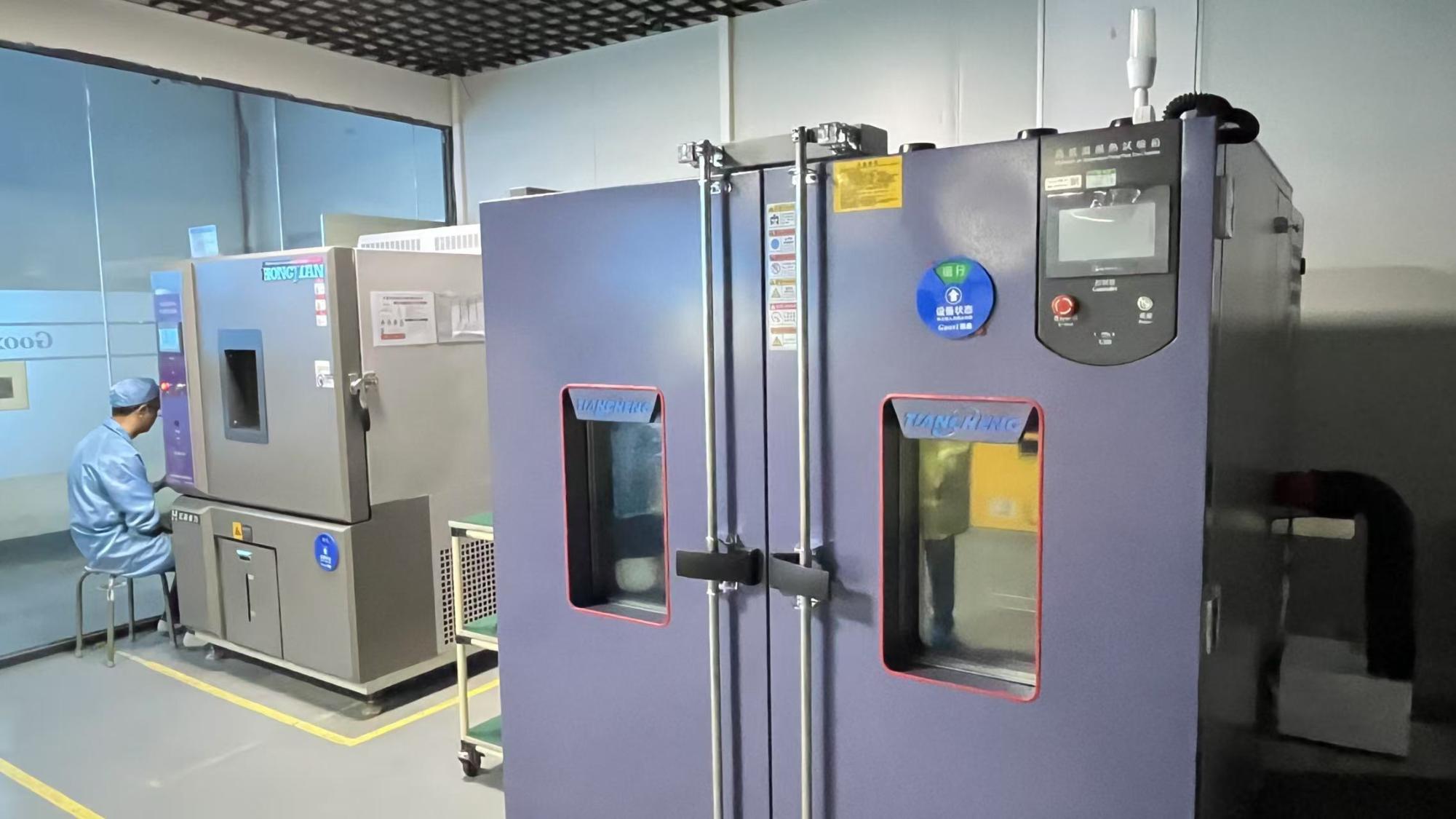
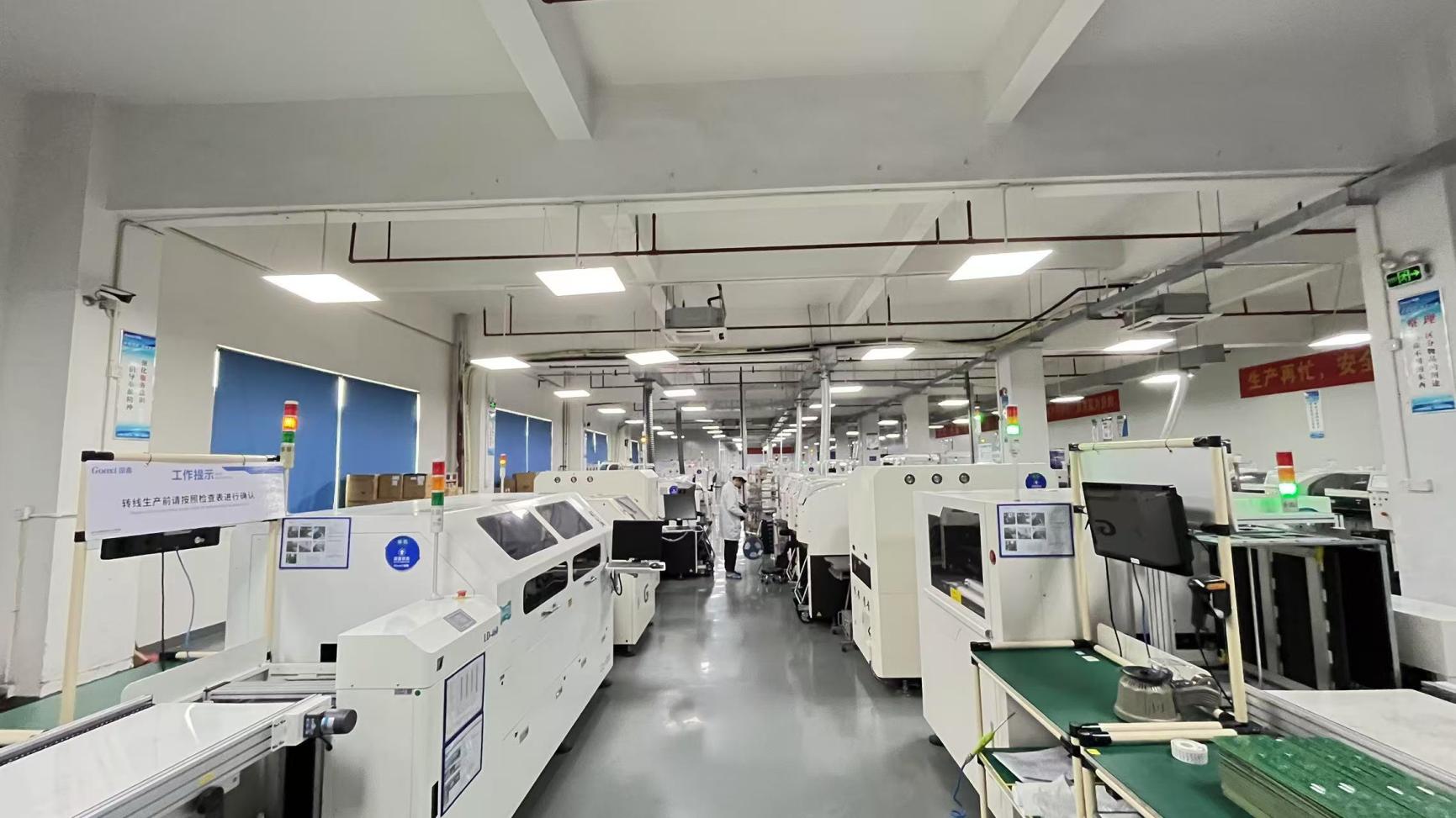
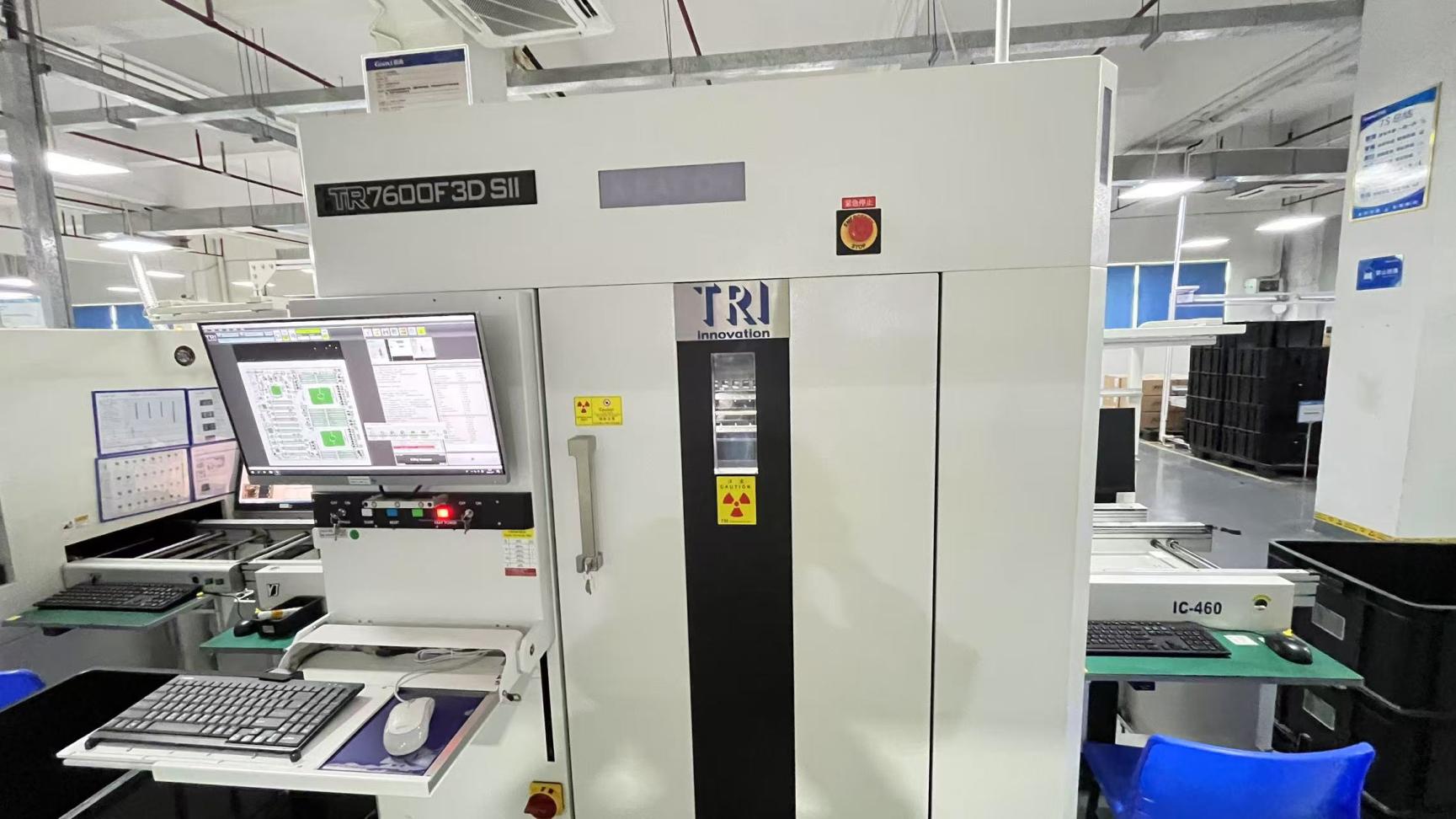

Deploying high-speed optical transceivers in Nagoya requires an understanding of the region's specific commercial applications. The Chukyo metropolitan area does not just demand standard datacenter equipment; it requires specialized, hardened interconnect solutions tailored to several key industries:
In massive automotive assembly complexes, robotic control units, vision-guided sorting systems, and welding lines generate massive volumes of telemetry and control data. Traditional copper cabling (such as Cat6a) is highly vulnerable to electromagnetic interference (EMI) generated by welding arcs and heavy electric motors. Deploying 40G QSFP+ multi-mode fibers (using 40GBASE-SR4 or BiDi transceivers) creates an optical connection that is immune to electric noise, guaranteeing real-time control loop execution and zero-latency data transmission.
With major aerospace contractors operating in Nagoya and neighboring Oyamada, the development of high-altitude systems and composite fuselage sections involves high-fidelity simulation workloads. These computations require clusters of high-performance servers exchanging vast datasets. Inter-rack communication using 40G links provides the throughput needed to prevent data bottlenecks between computing clusters and unified storage fabrics.
As Japan's largest port by total cargo throughput, the Port of Nagoya relies heavily on automated logistics systems, automated guided vehicles (AGVs), and container tracking networks. Linking remote terminal sensors and camera arrays to central security operations requires reliable optical networks. Standard 40GBASE-LR4 links easily traverse the physical distances between container terminals and administrative offices, providing a unified network backbone capable of carrying real-time 4K video feeds and telemetry.
In today's complex supply chain environment, Japanese enterprise procurers and system integrators face several operational challenges. High domestic markups, long lead times from legacy suppliers, and rigid packaging standards often slow down infrastructure development. Partnering with a manufacturer like Lumetra offers a strategic solution to these challenges:
By bypassing multiple layers of distributors, we ship directly from our production cleanrooms to Nagoya. Our shipping partnerships ensure fast customs clearance at major Japanese entry ports, minimizing transit times. We keep standard 40G QSFP+ SR4, LR4, and BiDi modules in stock, allowing us to fill urgent orders within days rather than the weeks required by traditional channels.
Many industrial networks run proprietary equipment with custom firmware profiles that refuse third-party transceivers. Lumetra's R&D department solves this by offering customized compatibility coding. We analyze the target host system and write the precise EEPROM values needed to ensure seamless plug-and-play operation in systems from Cisco, Juniper, Ubiquiti, Allied Telesis, and other major brands.
We ensure all products conform to environmental regulations and optical safety standards, including RoHS, CE, FCC, and laser safety guidelines. This guarantees that Lumetra transceivers can be integrated into public-sector, municipal, and international enterprise network systems across Japan without regulatory complications.
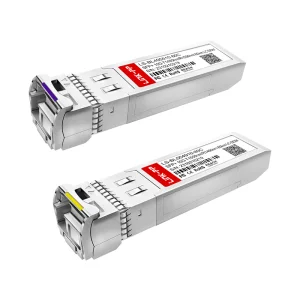
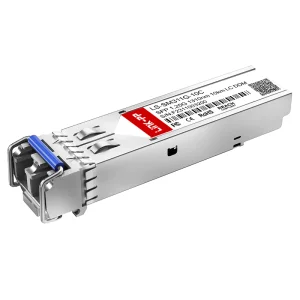
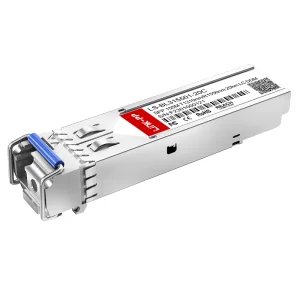
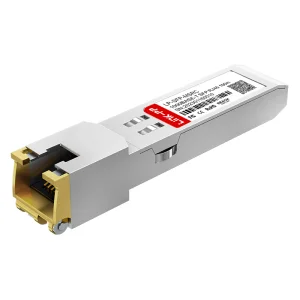
Additional transceiver designs, industrial network interfaces, and copper SFP configurations supporting your hybrid hardware environments.
Contact our sales engineers for custom compatibility options, wholesale pricing structures, and quick delivery options to Japan.
Send Inquiry Now