Lumetra
Lumetra
Lumetra
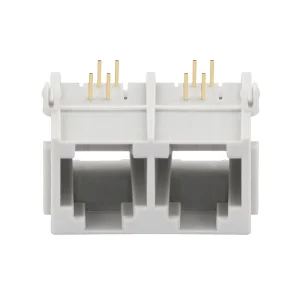
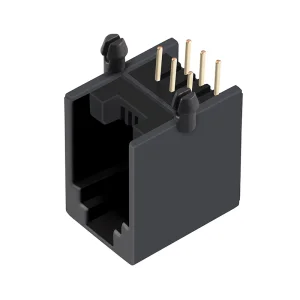
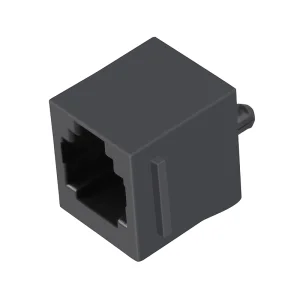
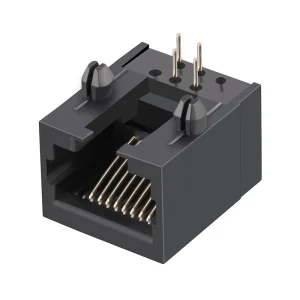
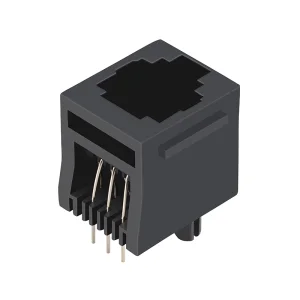
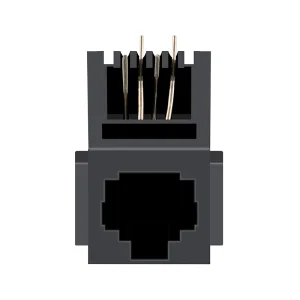
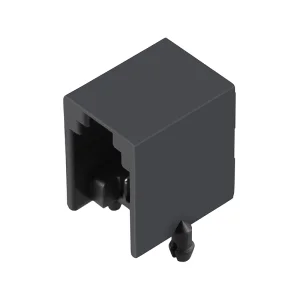
Precision-engineered modular jacks designed for high-density network arrays, industrial telecommunication loops, and low-latency digital signals.
As the technological heart of Victoria, Melbourne operates at the intersection of heavy industrial automation and progressive smart-city development. The metropolitan area, spanning from the bustling logistics hubs of Dandenong and Campbellfield to the high-tech R&D corridors of Port Melbourne, relies on extremely robust physical-layer interconnect assemblies. While consumer services transition rapidly to fiber-to-the-premises (FTTP) via the National Broadband Network (NBN), the underlying industrial, security, and utility automation infrastructures still deploy RJ11 and RJ12 interfaces as critical components.
Our research and client telemetry indicate that Victorian businesses demand RJ11 connectors that can withstand localized environmental challenges. For instance, coastal marine exposure around the Port of Melbourne introduces elevated sodium chloride levels in the air, accelerating oxidation on sub-optimal copper contacts. Consequently, industrial procurers must prioritize connectors featuring high-grade phosphor bronze bases coated with 50-microinch gold plating. This standard ensures long-term electrical conductivity, minimal attenuation, and prevents contact corrosion in sensitive systems, such as security alarm nodes, distributed water monitoring networks managed by Melbourne Water, and train signaling relays across the Metro Trains network.
Widely deployed in localized telemetry boards for water flow meters and power distribution grids requiring low-baud rate, reliable analog/digital data links.
Serving Docklands' high-rise networks, interfacing central Building Management Systems with remote thermostats, HVAC controllers, and security nodes.
Ensuring EMI-shielded, vibration-tolerant serial connectivity on CNC machining boards and assembly lines in Melbourne's northern manufacturing corridors.
Modern electronic system design has evolved far beyond basic connectivity. The globally integrated supply chain demands high standardizations in performance parameters. Although wireless architectures like LPWAN and Wi-Fi 6 are expanding, copper-based modular interfaces remain the bedrock of fail-safe physical layer backup lines. Key global procurement requirements now center on several critical axes:
Mating Cycles Guaranteed
Gold Plating Option
Reflow Soldering Stable
100% Compliant Materials
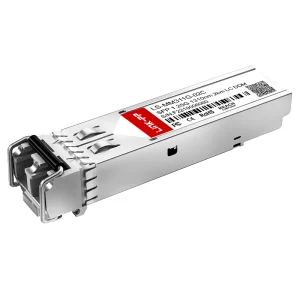
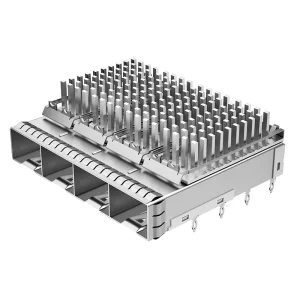
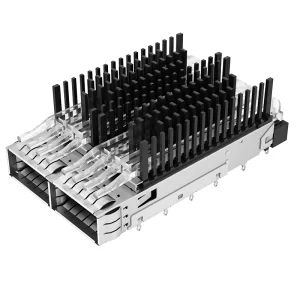
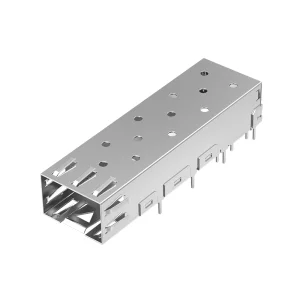
As networks scale, Melbourne systems integrators require hybrid infrastructure topologies. The transition from legacy low-speed copper to high-speed optical fiber backbones is vital for commercial enterprises. Recognizing this demand, our manufacturing capabilities extend beyond copper modular jacks to include robust SFP cage assemblies and transceiver modules designed for low-loss, high-bandwidth data transmission.
Amidst global supply chain volatility, Melbourne procurement managers face persistent challenges regarding component lead times, quality variations, and high costs from traditional local distributors. By establishing a direct-to-factory partnership with a leading Chinese Factory 4.0 manufacturer, procurement risks are greatly mitigated.
Lumetra Optoelectronics Technologies Co., Ltd. represents the cutting edge of this advanced manufacturing paradigm. As a professional manufacturer specializing in high-speed optical transceivers and fiber optic communication solutions for datacom, telecom, and cloud infrastructure applications, Lumetra brings unmatched manufacturing scale and technological precision. Founded in 2016, the company has developed into a reliable supplier with strong engineering capabilities and global export experience.
Operating from a massive 8,500m² state-of-the-art facility, Lumetra ensures optimal raw material stocking, automated high-speed stamping, plastic injection molding, and real-time Quality Assurance. By partnering with over 1,200 supply chain partners, we prevent component bottlenecks, maintaining lead times within 2 to 3 weeks for bulk custom production runs. Lumetra’s annual export revenue of approximately USD 18 million demonstrates our credibility in international trade channels, supported by 7 years of direct export experience and 11 years of deep industry expertise.
Take a virtual look at our advanced manufacturing floor, assembly lines, cleanrooms, and testing facilities where quality standards are enforced.
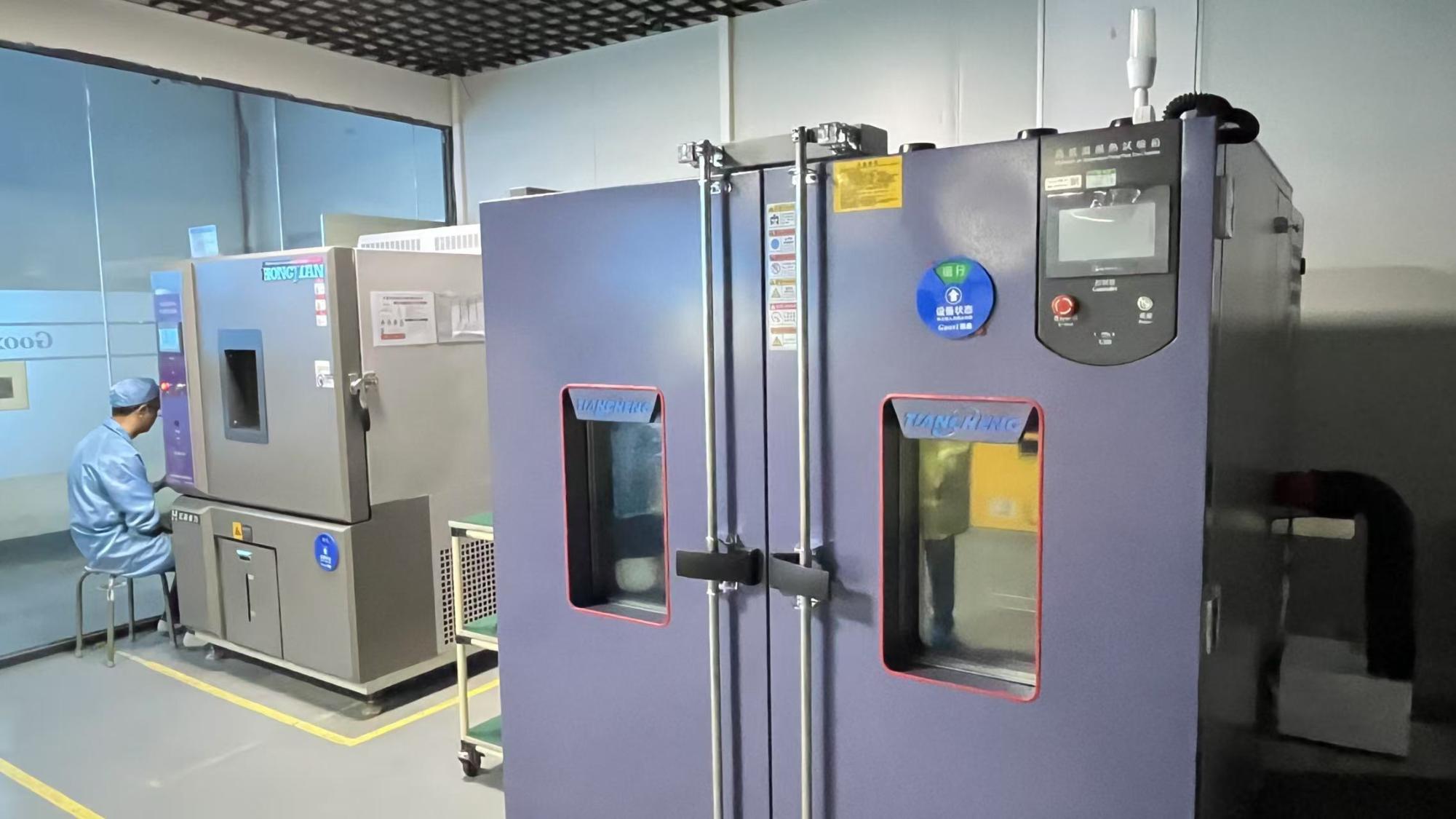
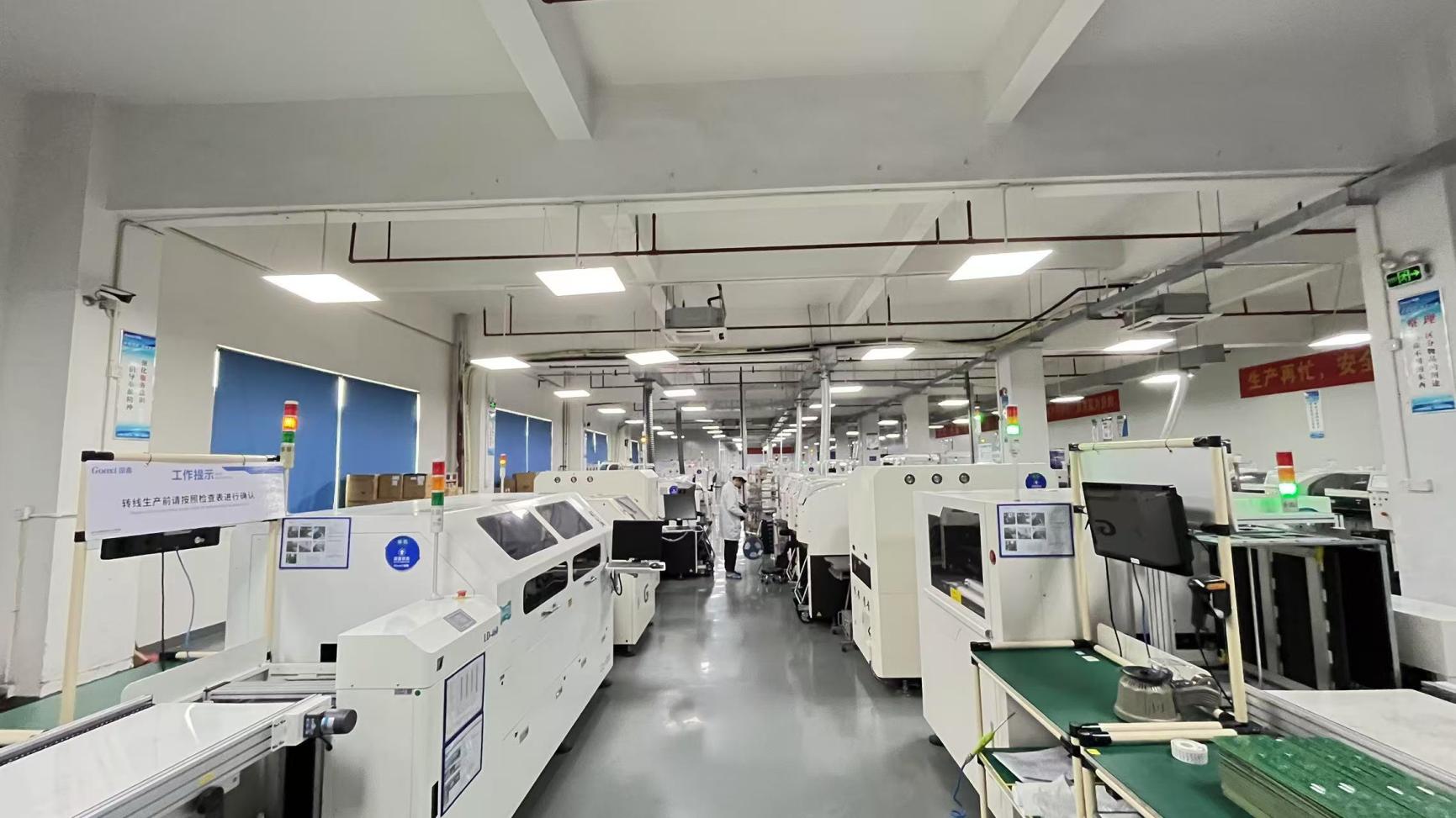


Quality assurance is maintained through a combination of automated optical performance testing, environmental stress screening, and manual inspection processes. Our dedicated quality control team consists of 48 trained inspectors ensuring strict compliance with international standards.
Supported by 86 R&D engineers focused on optical design, hardware development, and signal integrity optimization. Over the past year alone, Lumetra launched approximately 220 new products, keeping our Melbourne clients at the absolute forefront of industrial connectivity.
To assist PCB layout designers and electrical engineers in Melbourne in validating product compatibility, the following table lists our standard RJ11/RJ12 modular connector specifications.
| Parameter | Specification Range | Compliance / Standard |
|---|---|---|
| Contact Configuration | 4P4C, 6P4C, 6P6C (RJ11 / RJ12 / RJ25) | FCC Part 68 |
| Contact Base Material | Phosphor Bronze (C5191 Grade) | ASTM B103 |
| Gold Plating Thickness | Flash, 3u", 6u", 15u", 30u", 50u" (Selective) | MIL-G-45204 |
| Housing Material | LCP / Nylon 9T / PBT (Glass Fiber Filled, UL94V-0) | Underwriters Laboratories |
| Current Rating | 1.5 Amps max per contact | IEC 60603-7 |
| Voltage Rating | 125 Volts AC / DC | IEC 60603-7 |
| Insulation Resistance | ≥ 500 MΩ min | MIL-STD-202 Method 302 |
| Dielectric Strength | 1000V AC RMS 50Hz/60Hz for 1 Minute | MIL-STD-202 Method 301 |
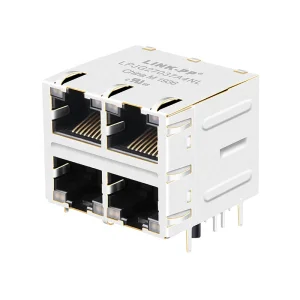
Our RJ11 and RJ45 modular jacks are optimized for a wide array of municipal and private engineering applications throughout Melbourne:
A regional water authority deployed our unshielded 6P6C Modular Jacks on thousands of remote river flow monitoring boards throughout the Yarra Ranges. The connectors are subject to extreme temperature changes and high humidity. By utilizing our 50μ" gold-plated models, the authority achieved continuous signal transmission with zero field failures over a 36-month test period.
For a newly built residential high-rise in Southbank, building contractors faced HVAC system signal dropouts due to electro-magnetic interference (EMI) from elevator power lines. Our shielded RJ45 modular jack assemblies were introduced, providing robust grounding and complete signal recovery, preventing costly controller replacements.
Professional insights into mechanical layout, custom sourcing, and Melbourne compliance standards.
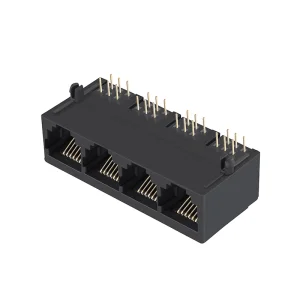
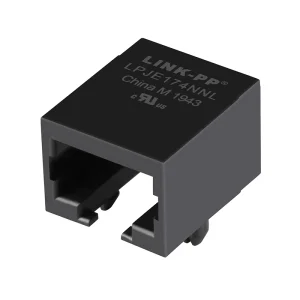
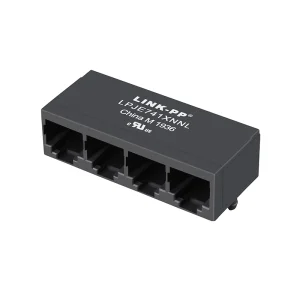
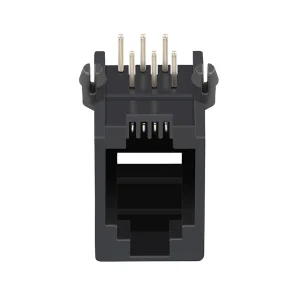
Explore our main product catalog below. All items are manufactured with precise tolerances and are available for fast dispatch to the Melbourne market.