Lumetra
Lumetra
Lumetra
High-performance modules fully compliant with global CE, RoHS, and FCC standards
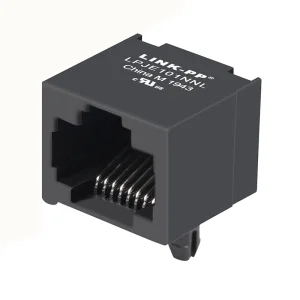
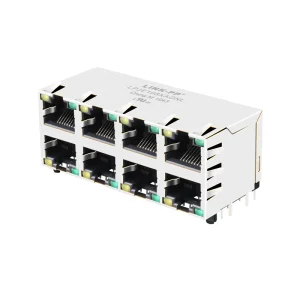
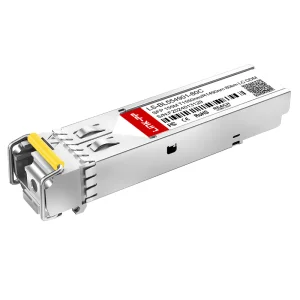
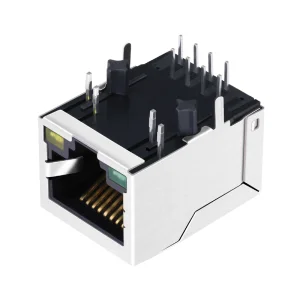
Decoupling commercial limitations from ruggedized, high-availability deployments
Modern industrial networks demand data transmission hardware capable of operating far beyond the parameters of climate-controlled enterprise server rooms. Industrial module transceivers serve as critical optical-to-electrical translation nodes in environments plagued by electromagnetic interference (EMI), extreme temperature fluctuations (typically ranging from -40°C to 85°C), high relative humidity, and mechanical stress.
Unlike standard commercial-grade optics designed for predictable data center environments, industrial-grade transceivers incorporate hardened optoelectronics, specialized circuit layout optimizations, and advanced Digital Diagnostics Monitoring (DDM / DOM). These features permit real-time polling of critical operating telemetry—such as laser bias current, optical output power, receiver sensitivity, and temperature profiles. This ensures that field operators can prevent network downtime through predictive maintenance cycles rather than waiting for hard link failures.
By utilizing advanced semiconductor laser diodes (such as DFB and VCSEL technologies) coupled with highly robust transimpedance amplifiers, industrial-grade transceivers maintain signal integrity across long distances (up to 80km for BiDi single-mode systems) even under severe environmental fluctuations. Compliance with the CE (Conformité Européenne) mark guarantees adherence to strict electromagnetic safety, emissions, and low-voltage standards.
Equipped with specialized chipsets optimized for extreme temperatures (-40°C to +85°C) to prevent thermal degradation and spectral drift of the laser.
Robust internal metallic shielding and optimized grounding designs protect sensitive transceivers from surges common in industrial plant floors.
Real-time status monitoring allows operators to track optical power levels, voltage fluctuations, and temperature curves remotely.
11 years of industry expertise powering international data networks
Established in 2016, Lumetra Optoelectronics Technologies Co., Ltd. has evolved into a premier designer, manufacturer, and global exporter of high-speed optical transceivers, network transformers, and advanced connector systems. With over 11 years of deep-rooted industry expertise and 7 years of direct international export experience, Lumetra has built a reputational foundation centered on technical precision and supply chain reliability.
Operating out of a state-of-the-art 8,500㎡ manufacturing facility, Lumetra integrates automated optical alignment stations, high-vacuum optical thin-film deposition tools, environmental testing chambers, and advanced digital signal verification labs. Supported by an ecosystem of over 1,200 trusted supply chain partners, Lumetra ensures continuous raw material access, ensuring consistent delivery timelines even during global logistics bottlenecks.
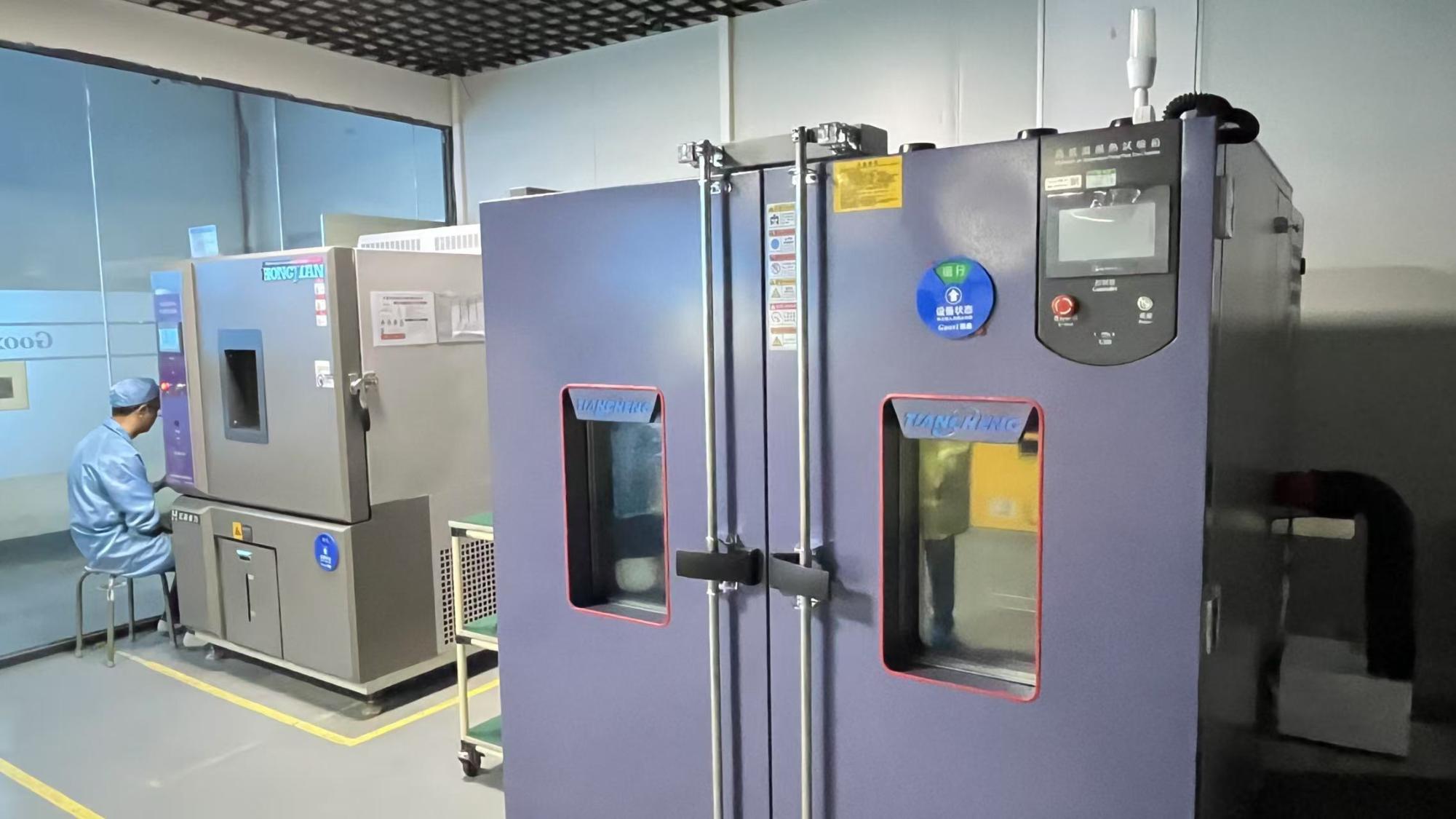
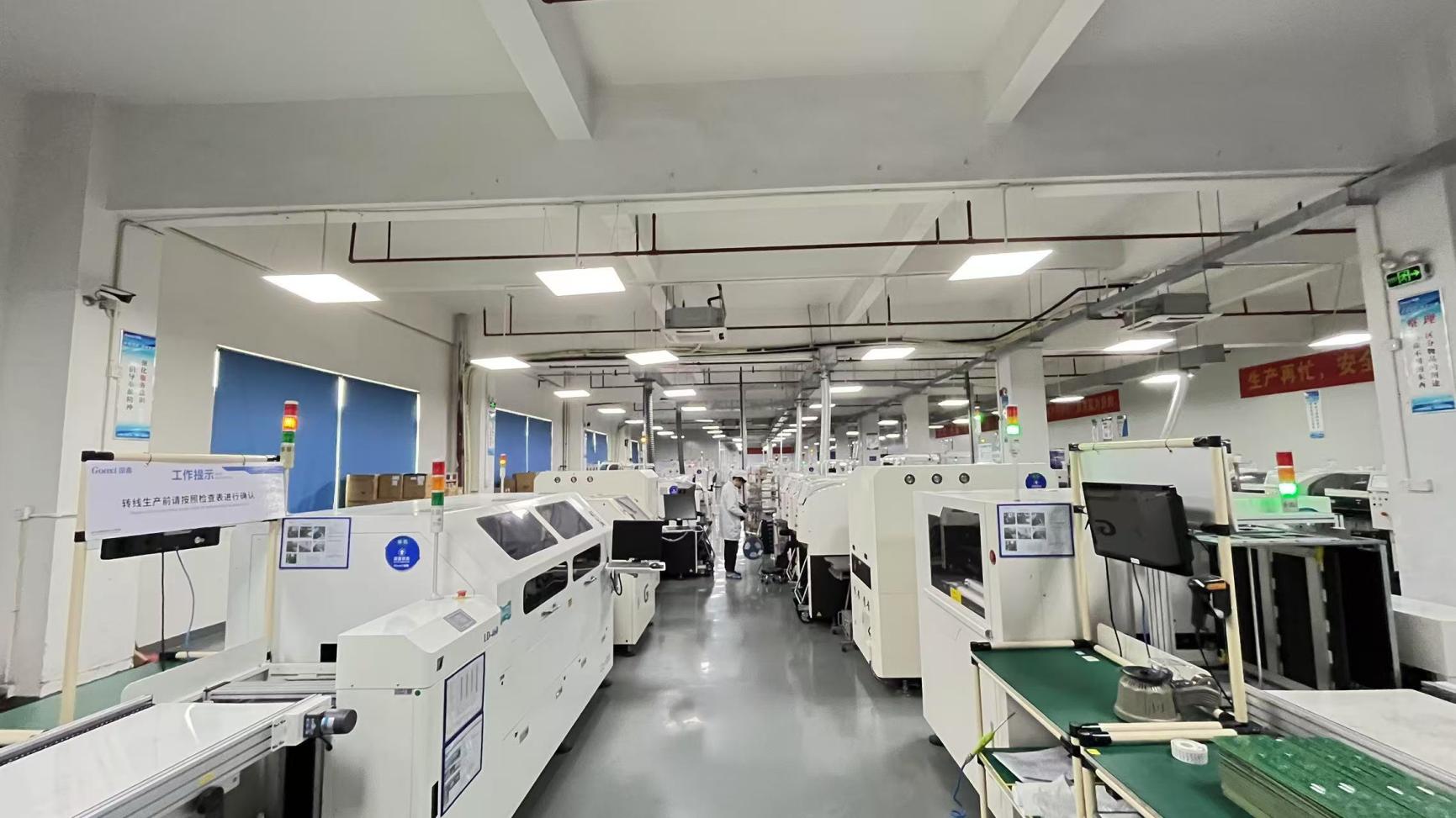
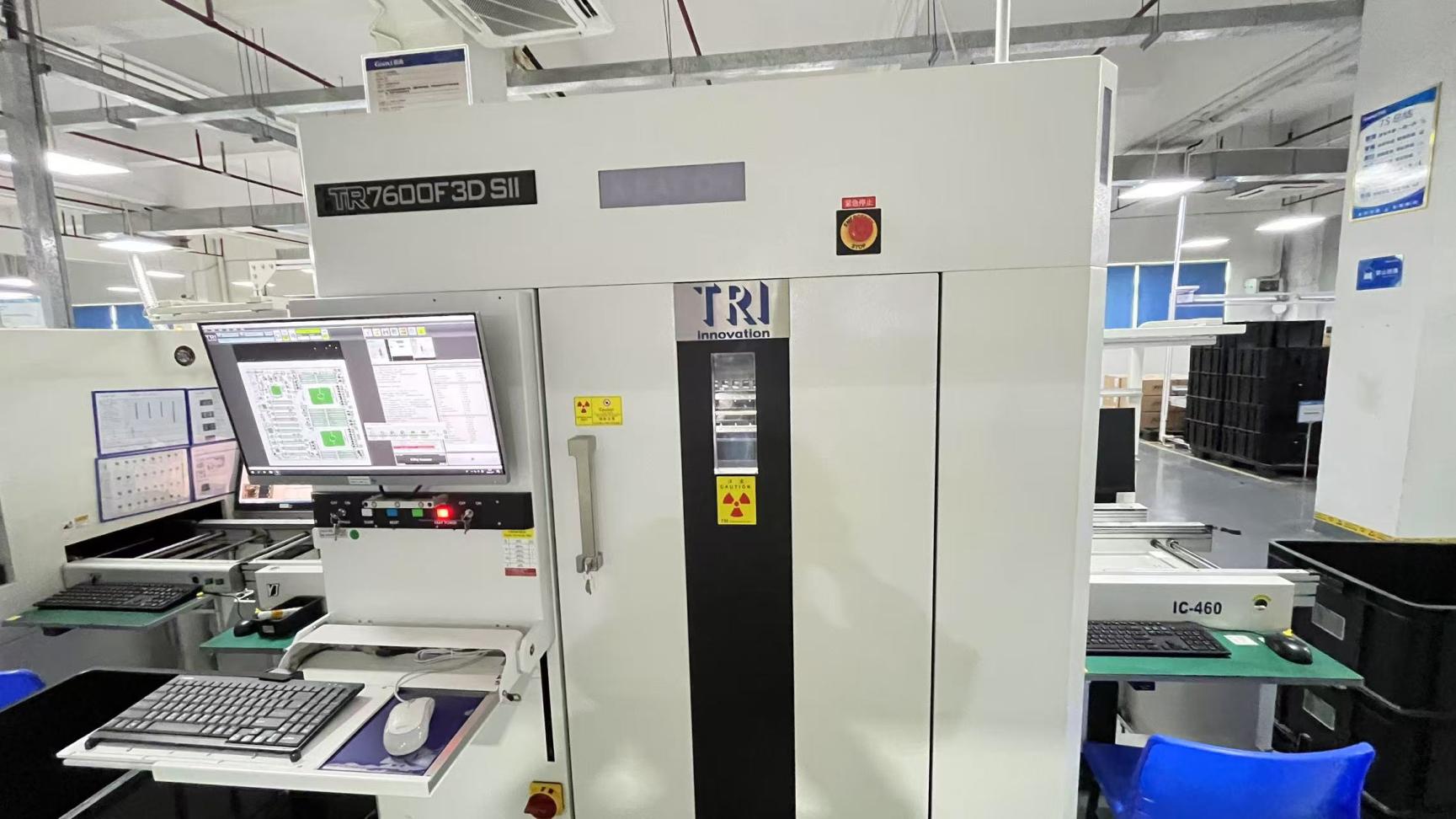

With a strong footprint in OEM and ODM markets, Lumetra is capable of customizing parameters such as compatibility protocols, operating wavelength tuning, specialized form-factors, and low-power configurations. Our multi-tiered engineering division—composed of 86 R&D specialists focusing on optical design, high-frequency PCB layouts, thermal dynamics, and firmware programming—leads to continuous innovation, culminating in over 220 new product introductions last year alone.
Why sourcing from advanced Chinese factories offers unbeatable advantages
The global high-speed optical transceiver manufacturing landscape is deeply rooted in China's advanced manufacturing clusters. Sourcing from a specialized Chinese factory like Lumetra is not merely a cost-reduction strategy—it is an integration into the world's most complete and agile optoelectronic supply chain.
Keeping pace with the shifting paradigms of telecommunications and AI compute clusters
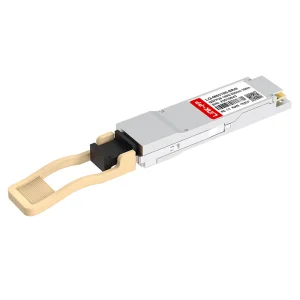
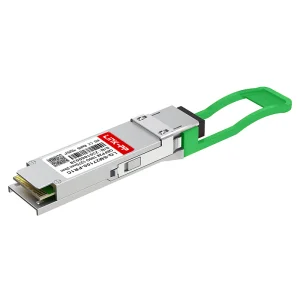
The demand for optical bandwidth is accelerating exponentially, driven by the expansion of 5G cellular networks, Industrial IoT (IIoT), artificial intelligence computing clusters, and high-frequency financial platforms. Standard 10G interconnect networks are rapidly migrating to 25G SFP28 and 100G QSFP28 form factors to eliminate physical layer bottlenecks.
High-density optical transceivers utilizing MPO or duplex LC connectors are becoming the benchmark for core network uplinks and industrial aggregate points.
Integrating optical components onto a silicon substrate reduces power consumption and heat output, critical factors in enclosed industrial environments.
Moving optical transceivers closer to the main switching ASIC minimizes trace lengths, resulting in higher data density and reduced latency.
Furthermore, green manufacturing initiatives are driving the development of ultra-low power consumption transceivers. Minimizing thermal output within industrial switch enclosures reduces cooling requirements, enhancing overall reliability and extending the lifespan of optical components.
Adapting optical transceivers to unique physical challenges across global sectors
Optical networks must operate reliably in diverse and demanding applications. The following real-world deployments demonstrate the need for CE certified, hardened industrial transceivers:
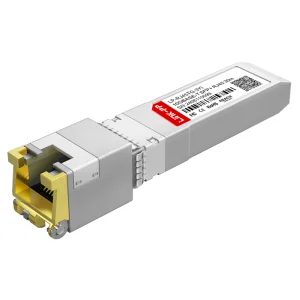
Electrical substations generate high levels of electromagnetic interference (EMI). Lumetra's copper-based RJ45 transceivers and optical modules with integrated EMI shielding maintain error-free data paths. This ensures grid managers receive critical power distribution telemetry in real time.
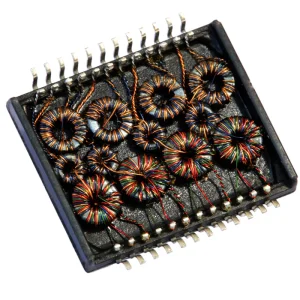
Heavy manufacturing plants require high-density sensor arrays connected to localized edge switches. Using 10/100/1000 Base-T network transformer modules, like the HN24018G, ensures robust isolation and prevents voltage surges from damaging central control units.
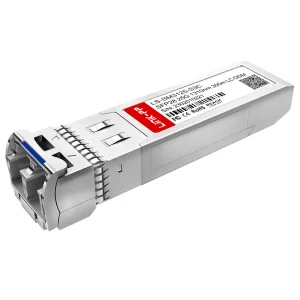
Cellular tower base stations are subjected to extreme seasonal temperature shifts. Hardened single-mode SFP28 25G transceivers enable reliable backhaul connections under direct sunlight or sub-zero conditions, preventing signal dropouts.
Meeting European and international standards for hardware safety and reliability
For global enterprise buyers, compliance is non-negotiable. Sourcing CE Certified industrial module transceivers ensures that equipment meets European economic area requirements for health, safety, and environmental protection. Lumetra achieves this through a multi-step quality control system managed by 48 certified quality inspectors:
Key considerations for optical network component sourcing
Procurement directors and systems engineers must look beyond unit costs when selecting an industrial transceiver supplier. To ensure long-term network reliability and minimize total cost of ownership (TCO), evaluate the following factors:
Technical answers to key industrial optical interconnect questions
Industrial-grade transceivers are built using components rated for an operating temperature range of -40°C to +85°C. They also feature enhanced EMI shielding and are designed to withstand mechanical shock and vibration. Commercial-grade modules are typically limited to a 0°C to 70°C operating range and are intended for climate-controlled data centers.
CE certification indicates that the transceiver complies with European standards for health, safety, and environmental protection. It confirms that the module meets electromagnetic compatibility (EMC) regulations, ensuring it does not interfere with other devices or fail due to external electrical noise.
DDM provides real-time access to operating parameters through the transceiver's I2C serial interface. It monitors temperature, supply voltage, laser bias current, transmitted optical power, and received optical power, allowing network operators to spot trends and perform predictive maintenance.
Yes, copper SFP modules (such as 10GBASE-T copper RJ45 units) are commonly used to bridge optical and copper-based Ethernet networks. However, because copper links generate more heat than optical fibers, care must be taken to ensure adequate thermal dissipation inside the network enclosure.
Lumetra's engineering team can customize transceiver firmware to ensure compatibility with host switches. We also support custom optical wavelengths, specialized transmission distances, and custom enclosure designs to meet specific mechanical or thermal requirements.
Cages, SFP modules, and LAN transformers for robust network design