Lumetra
Lumetra
Lumetra
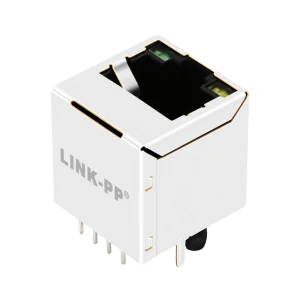
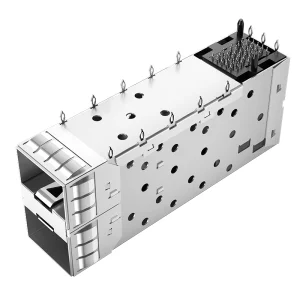
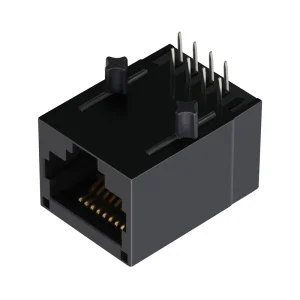
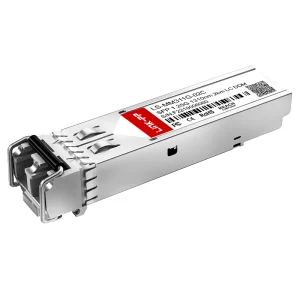
Explore our premium selection of integrated RJ45 modular jacks, SFP+ cages, and high-performance optical transceiver modules engineered for zero-loss transmissions.
Exploring how optical-copper bridging interfaces are adapting to high frequency, massive bandwidth demands, and demanding industrial conditions.
In modern telecommunications, media converters remain critical elements for bridging legacy copper-based Ethernet architectures with advanced high-speed fiber networks. As enterprises transition to 10G, 25G, and even 100G speeds, media conversion technology has evolved from simple physical-layer converters to intelligent, SNMP-managed units.
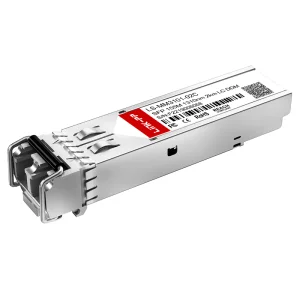
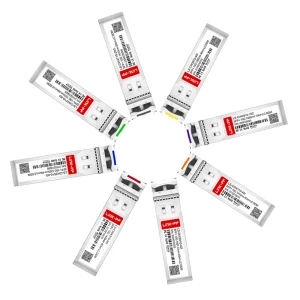
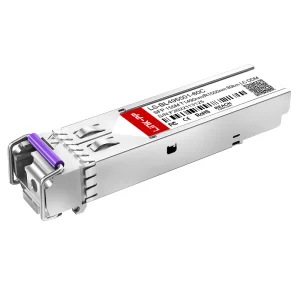
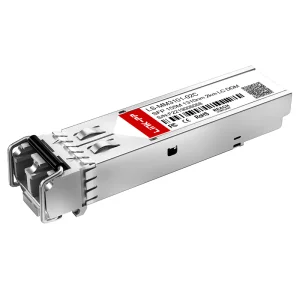
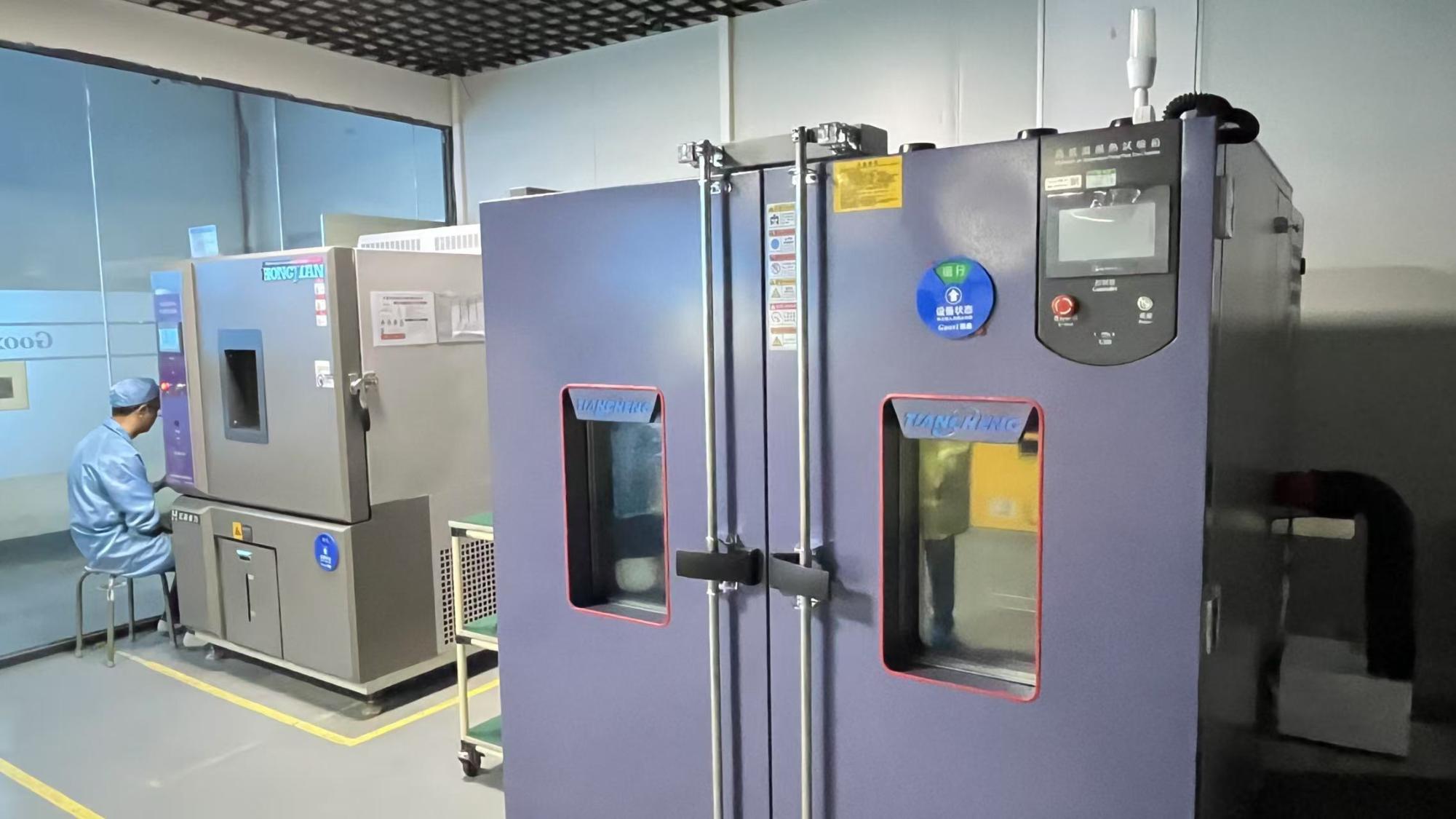
Key trends driving this industry include the rapid adoption of SFP (Small Form-factor Pluggable) and SFP28 slots directly on media conversion units. This architecture allows operators to swap transceivers dynamically depending on transmission distances—ranging from 2km multimode spans to over 80km single-mode links. Additionally, with the rise of edge computing and the Internet of Things (IoT), industrial-grade media converters are increasingly engineered with extreme EMI (Electromagnetic Interference) shielding and wider operational temperature envelopes (-40°C to +85°C).
Lumetra Optoelectronics Technologies Co., Ltd. continues to innovate in this space, engineering modules and components that ensure seamless translation, minimal latency, and robust structural longevity.
How procurement leaders evaluate connectivity components to optimize Total Cost of Ownership (TCO) and ensure maximum uptime.
Telecom networks demand component-level reliability with high Mean Time Between Failures (MTBF). Sourcing shielded SFP+ cages and premium RJ45 modular jacks prevents physical degradation and packet loss under persistent physical vibration or power fluctuations.
Enterprise buyers require specific customizations including wavelength adjustments, custom pinouts, protocol compatibility modifications (e.g., matching legacy Hirschmann or TE systems), and optimized mechanical designs for high-density switches.
Regulatory compliance (such as FCC, CE, RoHS, and REACH) is critical. Buyers prioritize suppliers who maintain robust logistics channels, large-scale storage facilities, and certified materials, ensuring smooth custom clearance and steady project timelines.
How Lumetra leverages technology integration and optimized logistics to dominate the international optical communications landscape.
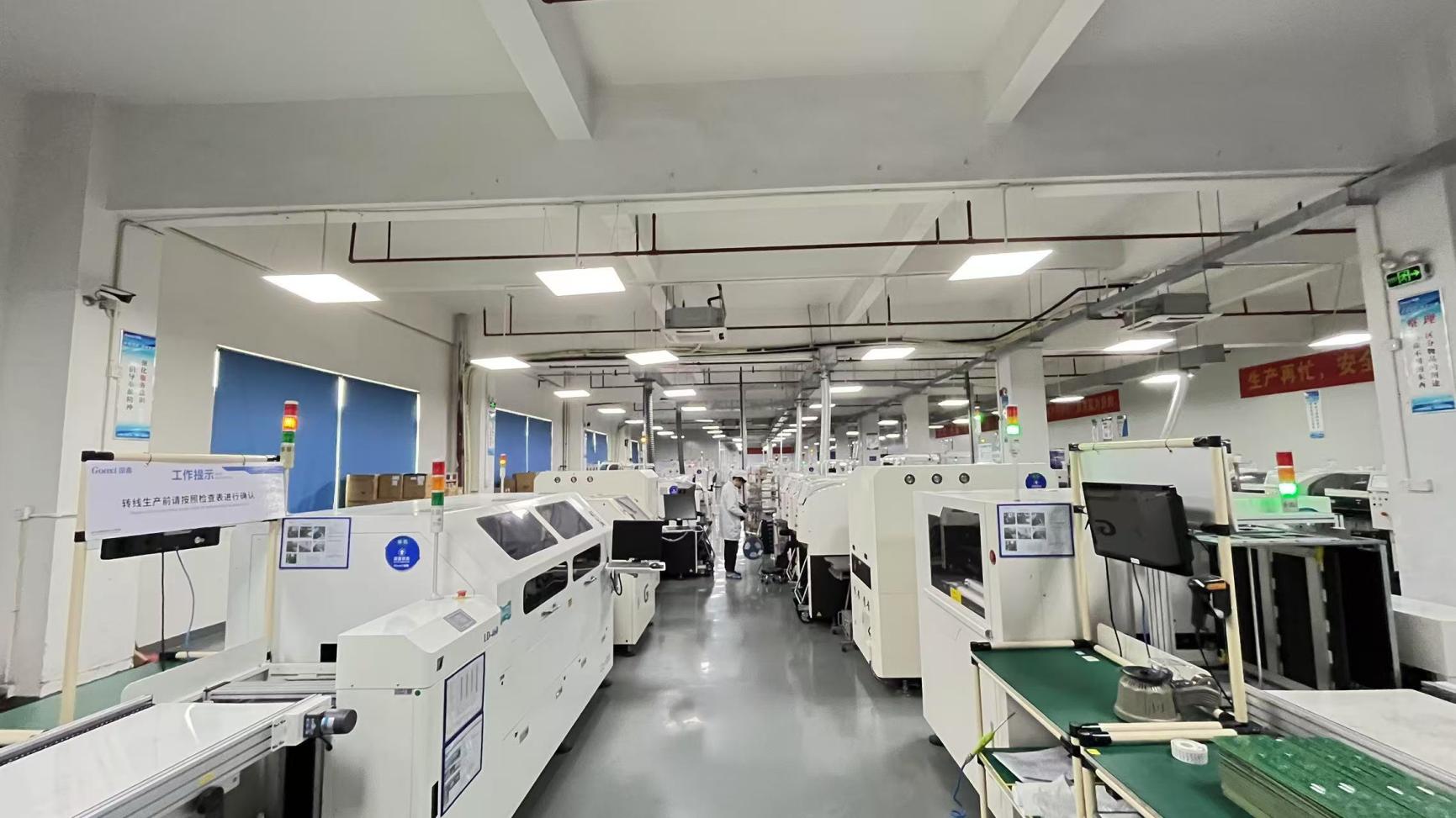
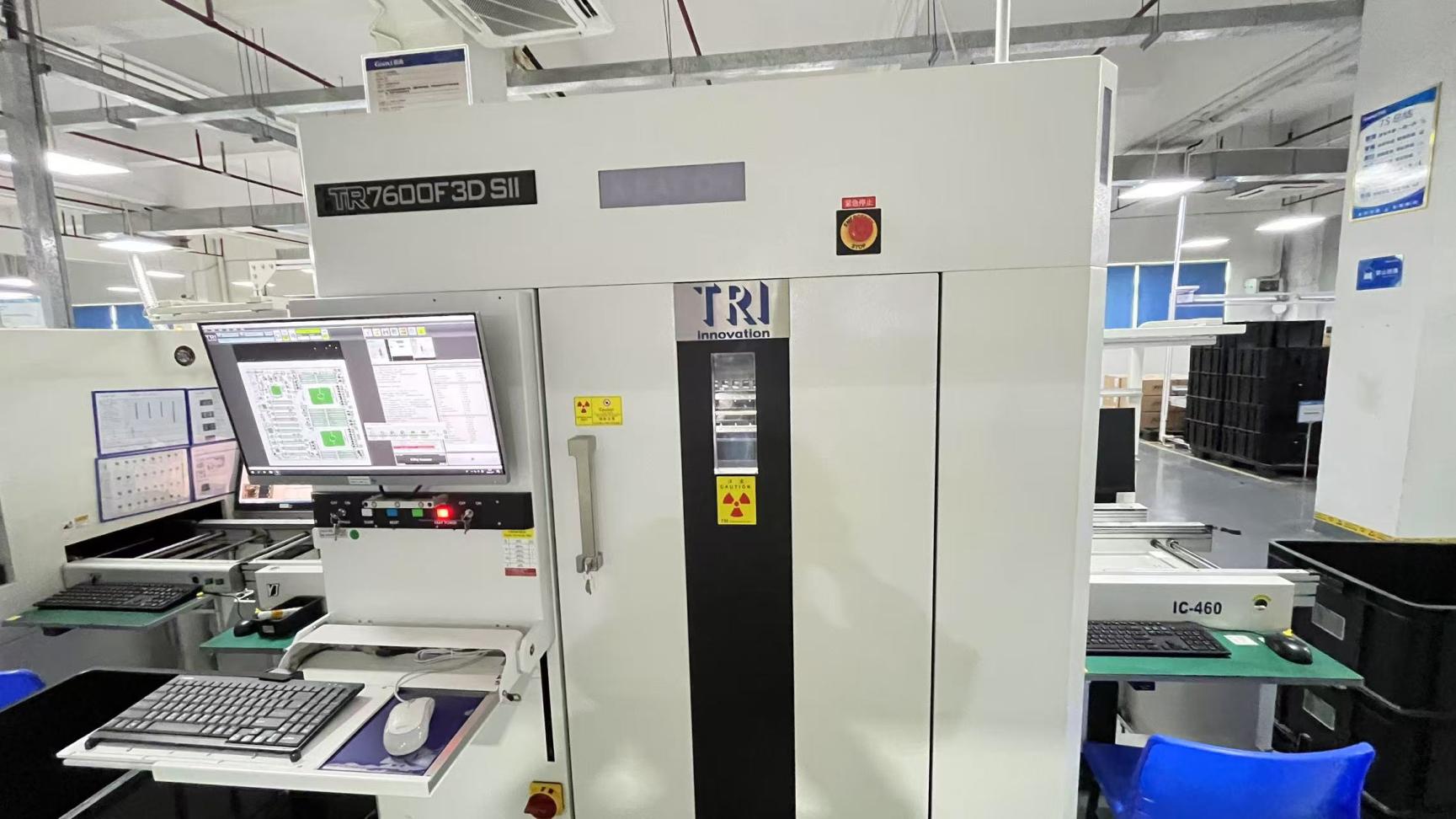
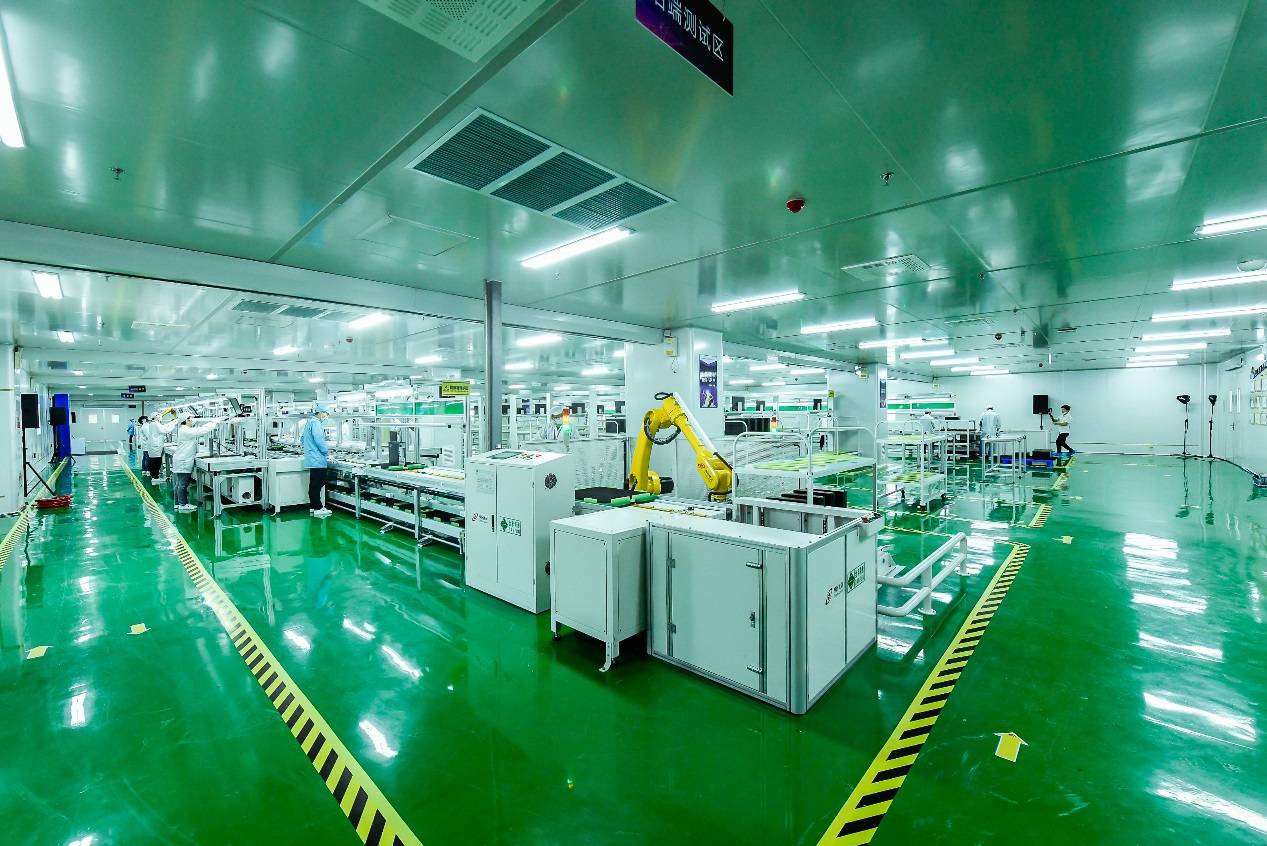
Lumetra Optoelectronics Technologies Co., Ltd. operates a highly standardized production facility covering 8,500㎡. Founded in 2016, our operations draw upon 11 years of deep industry expertise, including 7 years of specialized export experience. To achieve zero-defect performance, we maintain an independent quality control department staffed by 48 certified inspectors who oversee automated optical testing, environmental stress screenings, and physical inspections.
By collaborating with over 1,200 verified supply chain partners, we secure the finest raw optoelectronic materials. This extensive ecosystem ensures that we can mitigate raw material spikes and supply bottlenecks, passing structural savings and predictability directly to our global customers.
Our 86 R&D engineers focus heavily on signal integrity, mechanical optimization, and protocol compatibility. In the past fiscal year alone, Lumetra introduced approximately 220 new products, adapting to trends in high-frequency transmission, miniaturization, and multi-port stacking designs.
How our products perform under diverse environments, from metropolitan telecommunications networks to harsh industrial environments.
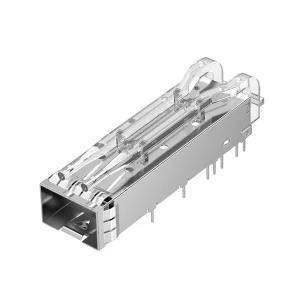
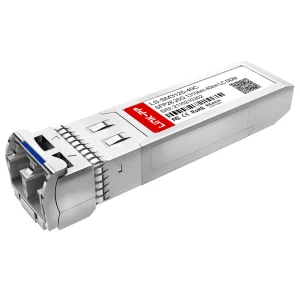
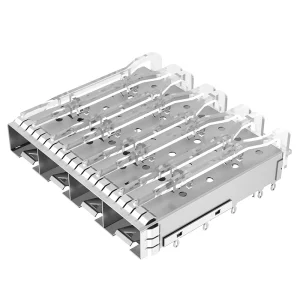
Telecommunication carriers leverage our single-mode 25G SFP28 and Bidi SFP transceivers to scale bandwidth over long distances. High-quality SFP cages with advanced EMI fingers prevent external radio interference from degrading data signals in urban cellular towers and outdoor distribution hubs.
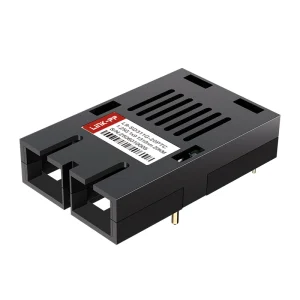
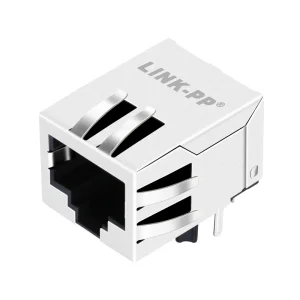
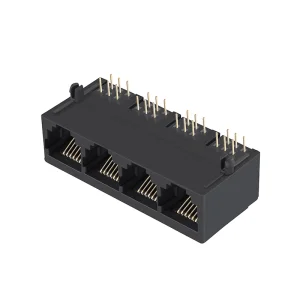
Factory automation demands extreme durability. Our 10/100 Base-T and CAT6 RJ45 modular jacks, along with robust 1x9 optical modules, ensure uninterrupted links on robotic assembly lines. The physical shielding protects critical sensor loops from electromagnetic motors and heavy machinery interference.
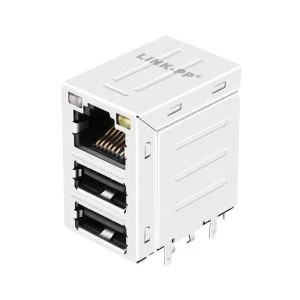
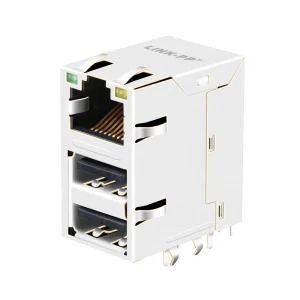
With thousands of servers packed in close proximity, space optimization and heat dissipation are critical. Stacked USB/RJ45 combo connectors and high-density, multi-port press-fit cages allow data centers to maximize their patch panel layouts, improving airflow and connection density.
Direct answers to the most common queries from optical network engineers and procurement teams.
Industrial transceivers, standard modular jacks, and high-speed cages built to support global network infrastructure requirements.