Lumetra
Lumetra
Lumetra
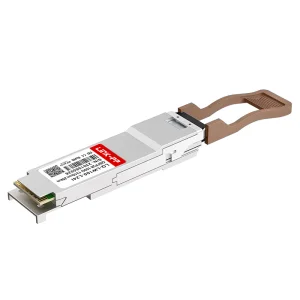
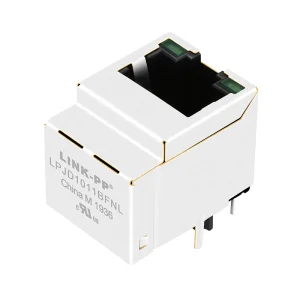
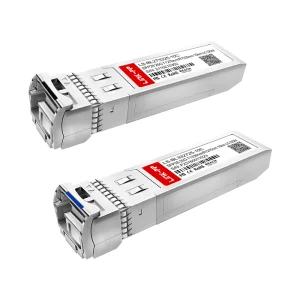
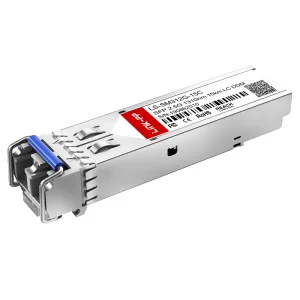
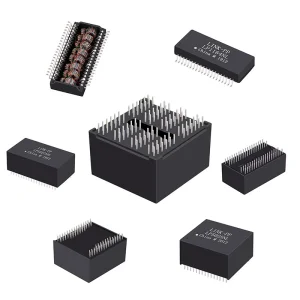
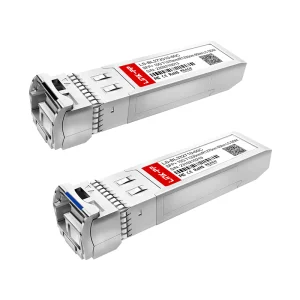
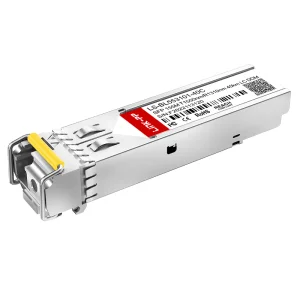
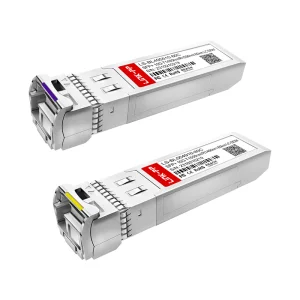
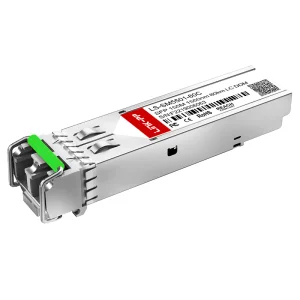
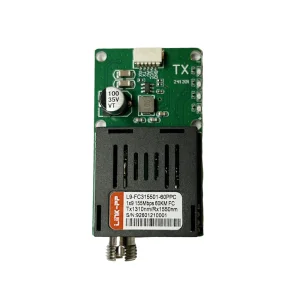
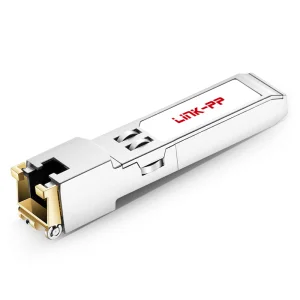
Explore our core optical modules and high-speed connectors designed to complement long-reach Ethernet extension architectures.
In the digital-first era, reliable network infrastructure forms the backbone of any enterprise, utility, or industrial ecosystem. Standard copper Ethernet technology operates under a physical limitation: it cannot transmit data effectively over distances exceeding 100 meters (328 feet). When deployments call for bridging vast distances—such as connecting remote surveillance cameras on a city perimeter, linking factory floors, or scaling network access points in railway transit systems—replacing all copper wiring with fiber optics can be cost-prohibitive. This is where the Ethernet Extender emerges as an essential technological bridge.
An Ethernet Extender utilizes advanced signaling techniques (including VDSL2, G.fast, or proprietary high-frequency copper-based modulation) to push the limits of traditional copper pairs, coaxial lines, or legacy telephone cables. By converting Ethernet packets into a robust analog or digital carrier signal, these devices can extend transmission lines to 1 kilometer, 2 kilometers, or even further, without requiring signal repeaters. This technology enables organizations to reuse their existing cabling infrastructure while upgrading to high-bandwidth, IP-based networks, providing significant cost savings and minimizing operational downtime.
Avoid expensive trenching and new conduit installation by running high-speed IP traffic over pre-installed twisted pair copper wires or coaxial runs.
By bypassing the need for fiber optics in medium-reach applications, industrial sites and legacy plants save up to 70% in network expansion CAPEX.
Designed to operate in harsh electromagnetic environments, wide temperature fluctuations, and places susceptible to high vibration.
Lumetra Optoelectronics Technologies Co., Ltd. is a professional manufacturer specializing in high-speed optical transceivers and fiber optic communication solutions for datacom, telecom, and cloud infrastructure applications. Founded in 2016, the company has developed into a reliable supplier with strong engineering capabilities and global export experience.
The company operates a production facility covering approximately 8,500㎡, supporting efficient manufacturing and quality-controlled assembly processes. With annual export revenue reaching around USD 18 million, Lumetra has built stable international business channels and accumulated 7 years of export experience, backed by 11 years of overall industry expertise.
Quality assurance is maintained through a combination of automated optical performance testing, environmental stress screening, and manual inspection processes. The quality control team consists of 48 trained inspectors ensuring strict compliance with international standards. Collaborating with over 1,200 supply chain partners, Lumetra ensures stable component sourcing and manufacturing efficiency for its client base, which mainly includes telecom carriers, hyperscale data centers, system integrators, and optical network equipment brands globally.
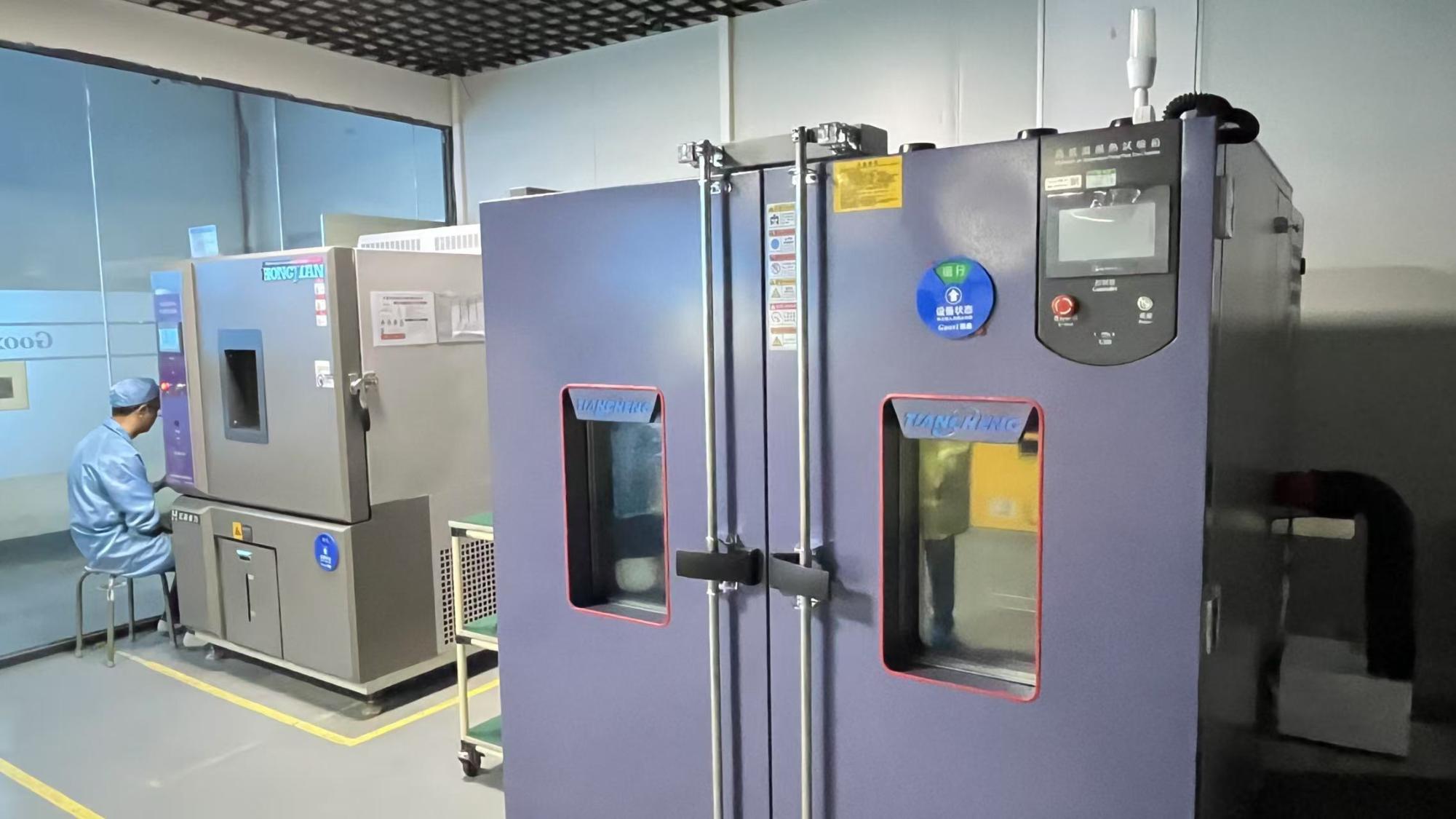
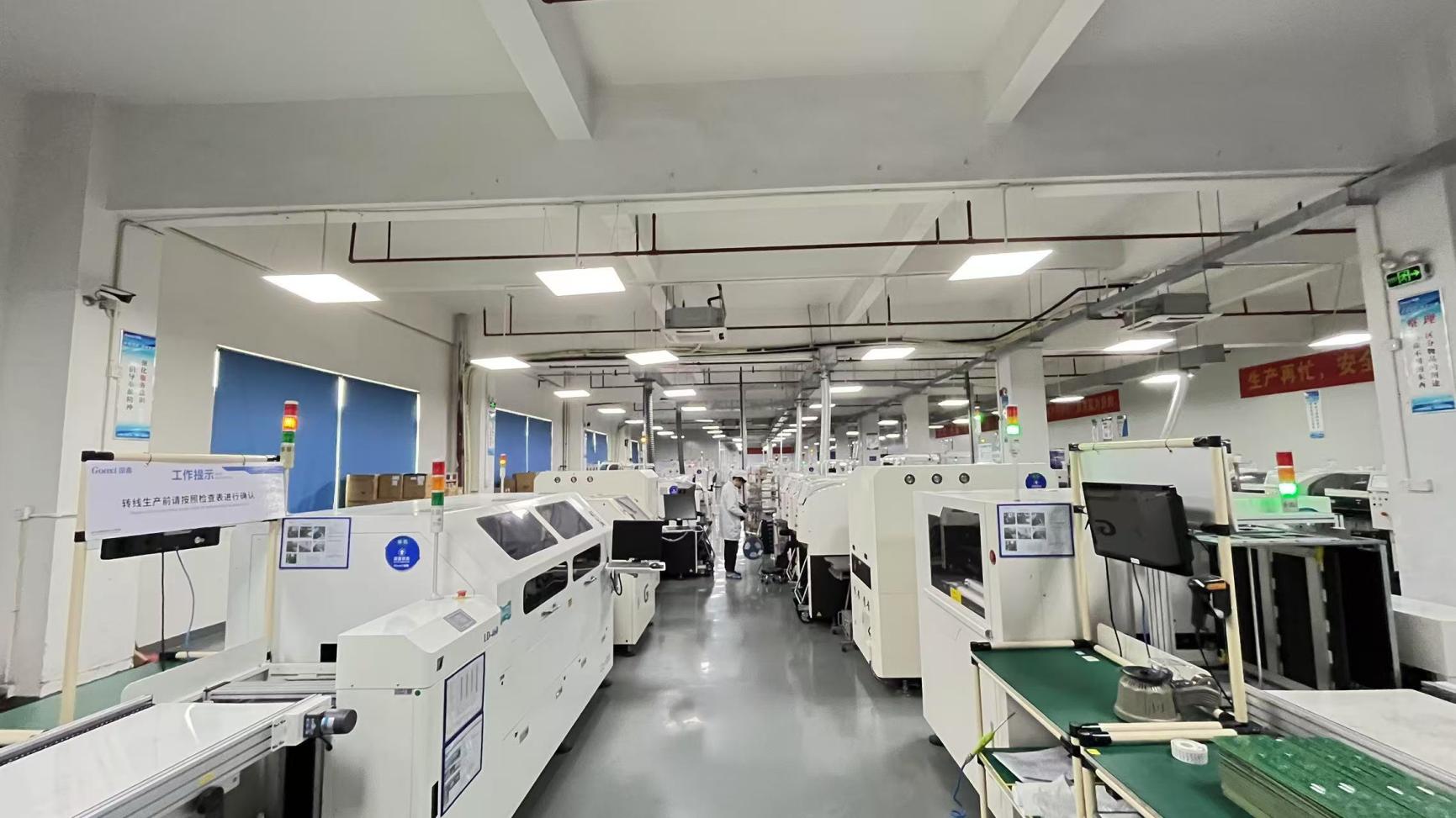


As networks scale toward 100G, 400G, and eventually 800G connectivity, the division between local copper loops and high-speed optical backbones is shifting. Lumetra is actively investing in technologies that bridge this gap. Our R&D division, featuring 86 specialized optical, hardware, and signal integrity engineers, is pursuing a roadmap that addresses future demand for integrated Ethernet extension and transceiver ecosystems.
We are driving innovation across several key areas: 1. Convergence of Ethernet Extension and Optical Transport: By designing hybrid converters that combine long-range copper extension (VDSL2/G.fast protocols) with high-density optical transceivers, we enable seamless copper-to-fiber integration. 2. Next-generation PoE (Power over Ethernet): Implementing advanced PoE++ (IEEE 802.3bt, up to 90W) capabilities over extended copper distances. This enables power and gigabit-level data delivery to high-power PTZ IP cameras and remote edge-compute systems. 3. Micro-Form Factor and Low Power Consumption: Redesigning our internal architectures, including magnetic connectors and transceivers, to decrease thermal profiles and lower electrical footprint—allowing for denser deployment configurations on carrier and enterprise chassis.
Integrating telemetry chips inside transceivers and extenders to monitor line degradation, SNR margins, and cable shorts in real-time, preventing network downtime.
Moving from traditional VDSL2 platforms to G.fast and multi-pair bonding architectures, enabling up to 2 Gbps aggregate bandwidth over legacy dual-twisted pairs.
The global electronics market requires high agility, consistent quality control, and scalable production capacities. Establishing manufacturing operations in China offers a distinct competitive advantage for Lumetra and our international clients. Benefiting from a robust component ecosystem, we source components from over 1,200 verified partners. This network enables us to maintain continuous raw-material supply and scale production to handle high-volume demands without disruption.
We maximize our efficiency through: 1. Vertical Manufacturing Integration: From fabricating the core copper magnetic RJ45 connectors to engineering and assembling the active SFP/SFP+ optical transceivers, we manage every step of production. This in-house workflow keeps quality consistent, shortens lead times, and reduces production costs. 2. Proximity to Global Logistics Hubs: Located in a high-tech manufacturing zone, our facility offers easy access to major international shipping routes. This location helps us minimize transit times and optimize customs procedures for shipments to North America, Europe, and Asia. 3. Advanced Testing Equipment: Automated optical testing benches, environmental stress ovens, and signal integrity suites ensure that every unit is fully inspected and calibrated before leaving our facility. This rigorous testing minimizes defects in the field, helping clients lower support costs and improve overall system reliability.
Discover how our network extension solutions are deployed in various environments worldwide to resolve connectivity challenges.
IP security cameras are often located far beyond the 100-meter copper Ethernet range limit. Ethernet extenders provide a high-bandwidth connection over single twisted-pair wiring, ensuring reliable HD video feeds to security rooms.
Manufacturing floors with heavy electrical machinery generate significant electromagnetic interference (EMI). Hardened Ethernet extenders allow PLCs, HMIs, and machinery controls to communicate reliably across large facilities.
In railway networks, underground subways, and highway toll gates, network nodes are spread over several miles. Ethernet extenders and transceivers maintain critical data connections along tracks and tunnels, providing cost-effective coverage.
Deploying networking equipment in international markets requires compliance with strict safety, electromagnetic emissions, and environmental standards. Lumetra designs all products to meet globally recognized certifications, including FCC, CE, RoHS, and REACH. This compliance simplifies the integration of our modules and extenders into larger projects in North America, Europe, and Asia.
Beyond meeting regulatory standards, we support our clients with a dedicated technical support system: 1. Professional FAE (Field Application Engineering) Assistance: Our engineers provide remote and on-site support to help system integrators select components, troubleshoot impedance-matching issues, and optimize network topologies. 2. OEM/ODM Customization: We offer tailored engineering services to accommodate custom form factors, specific voltage ranges, distinct wavelength profiles, and software settings for proprietary networks. 3. Direct Shipping and Warehousing: We coordinate with international freight forwarders to manage shipping logistics, helping to maintain on-schedule deliveries and lower administrative overhead for our global clients.
Review answers to common questions about Ethernet extension technologies, hardware compatibility, and deployment best practices.
Maximum distance depends on the gauge and quality of the copper cable, as well as the noise level of the environment. Typically, a standard 24 AWG single twisted-pair copper cable can achieve up to 1.5 to 2 kilometers (approximately 1.2 miles) at lower data rates (such as 10 Mbps). For high-speed applications requiring up to 100 Mbps, the maximum distance is generally between 300 to 800 meters depending on the modulation scheme (VDSL2 vs G.fast).
Yes, many Ethernet extenders are designed to run over coaxial cabling (such as RG6 or RG59). These systems use coaxial-to-Ethernet converters, often leveraging technologies like MoCA or G.hn, to transmit high-speed IP traffic over legacy security camera cabling or broadband lines. This is a common solution for upgrading old analog CCTV systems to IP-based digital cameras.
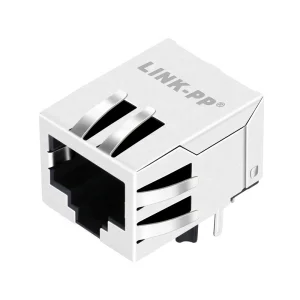
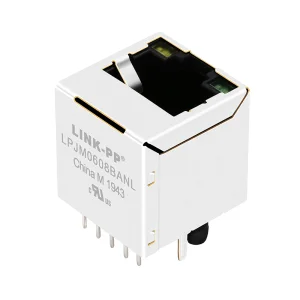
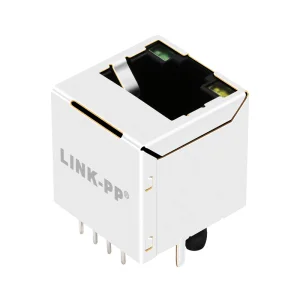
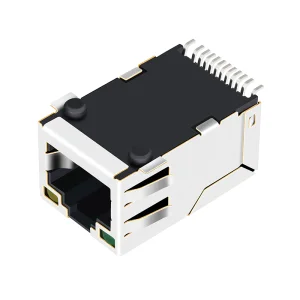
Our integrated magnetic RJ45 jacks feature built-in isolation transformers and common-mode chokes. These components help suppress electromagnetic interference (EMI), prevent ground loop issues, and protect sensitive transceiver circuits from voltage spikes. This isolation is crucial for maintaining signal integrity over extended copper cabling, particularly in industrial or high-interference settings.
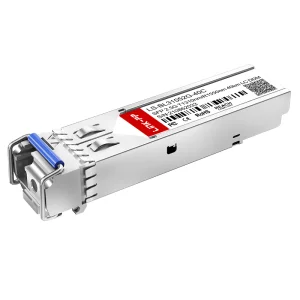
Yes, our complete range of high-speed SFP, SFP28, and QSFP28 optical modules features built-in DDM (Digital Diagnostics Monitoring), also known as DOM (Digital Optical Monitoring). This technology allows network operators to track operational parameters in real-time, including laser bias current, optical input/output power, supply voltage, and internal module temperature, helping to detect potential issues before they cause downtime.
Active PoE (IEEE 802.3af/at/bt) involves a handshake protocol between the power sourcing equipment (PSE) and the powered device (PD) to ensure safe and correct voltage delivery. Passive PoE, on the other hand, supplies raw, continuous voltage directly down the cable without prior negotiation. For long-distance Ethernet runs, active PoE is highly recommended to protect remote devices from voltage fluctuations and line anomalies.
Our 86 R&D engineers customize devices to meet specific system needs, including setting exact wavelengths (such as BiDi, CWDM, or DWDM channels), adapting to custom form factors, adjusting transmit power, and programing EEPROM chips for compatibility with major third-party switch brands. Contact our technical sales team with your project specifications to get started.
Browse additional optical transceivers, multi-rate converters, and magnetic components supporting your network edge infrastructure.