Lumetra
Lumetra
Lumetra
High-performance solutions designed for mission-critical enterprise environments, telecom applications, and high-density datacenter switches. Discover compatibility, precision engineering, and rugged construction.
In the era of hyper-scale datacenters, edge computing fabrics, and industrial automation networks, Ethernet switches stand as the backbone of global digital commerce. Selecting a reliable China Ethernet switch factory requires more than just catalog browsing; it demands a thorough understanding of the physical, electrical, and optical topologies defining today's connectivity standards. Modern switches rely heavily on tightly integrated optical modules and high-speed connectors to achieve the latency and throughput profile needed for deep-learning clusters, high-speed rail systems, and smart factory floor operations.
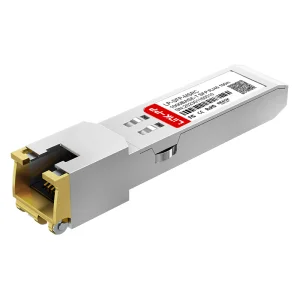
Leading manufacturing plants in China have progressed from simple Layer 2 OEM assemblers to advanced Layer 3 system design hubs. By focusing on multi-gigabit copper configurations, fiber-to-the-desk topologies, and advanced Software Defined Networking (SDN) protocols, these suppliers ensure interoperability across global networking standards. Key infrastructure components, such as integrated magjack connectors and hot-pluggable optical transceivers (ranging from 1G SFP to 400G/800G QSFP-DD), must meet rigorous environmental stresses to guarantee uninterrupted data packet routing under high load conditions.
Furthermore, modern high-speed ethernet deployments are highly sensitive to signal degradation. The design parameters of the RJ45 magnetic interface, electromagnetic shielding, pin gold-plating thickness, and matching optical transceiver architectures are the primary differentiators between enterprise-grade networking and consumer-grade connections. Top manufacturers integrate strict signal integrity inspections into their product life cycles, eliminating packet drop rates and minimizing crosstalk across complex backplane configurations.
A key supplier powering global telecom carriers, data center integrators, and network equipment distributors. Proven excellence in optical engineering, automated testing, and supply chain control.
Global procurement officers prioritize high-performance networking infrastructure that balances Capital Expenditure (CAPEX) with Operational Expenditure (OPEX). When source-selecting Ethernet switches and related transceiver modules, metrics such as Mean Time Between Failures (MTBF), compliance with IEEE standards, thermal management, and power consumption profiles are critical. High-speed transceivers (like BiDi and 40G QSFP) must integrate seamlessly with existing Cisco, HPE, and Avago switch architecture to prevent compatibility lock-in and vendor pricing premiums.
China's manufacturing sector has undergone an evolutionary shift. By implementing Industry 4.0 principles, factories use automated assembly lines, robotic testing arrays, and continuous environmental stress screening (ESS). The resulting resilience guarantees a stable supply of crucial semiconductor parts, high-precision magnetic components, and micro-optics. For international buyers, this means significantly reduced lead times, reliable batch-to-batch consistency, and the flexibility to order customized board layouts (OEM/ODM).
Ethernet switches and their associated connection pathways operate across vastly different industrial settings. Understanding local application environments is key to optimizing layout performance and physical durability.
Industrial settings are characterized by high electromagnetic interference (EMI), mechanical vibrations, and significant temperature fluctuations. For these environments, DIN-Rail mounted Layer 2/3 industrial switches utilize heavily shielded, gold-plated RJ45 connectors with integrated magnetics (Magjacks). These features prevent noise coupling into the copper physical layer (PHY). Waterproof vertical data sockets (Cat5e/6/7) provide dust and moisture seals (IP67/IP68 ratings) necessary for chemical plants, oil refineries, and smart transportation systems.
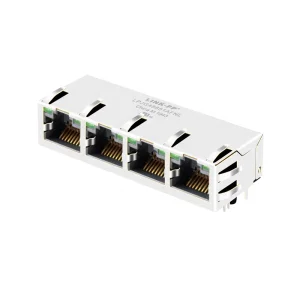
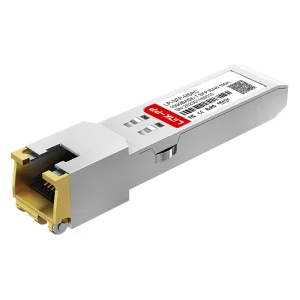
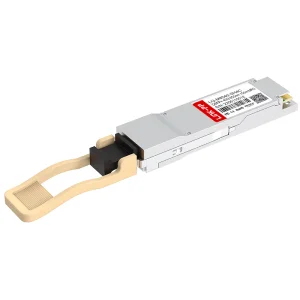
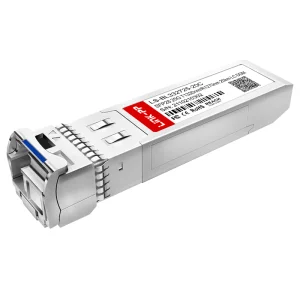
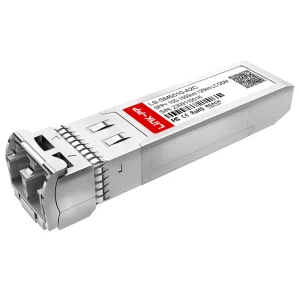
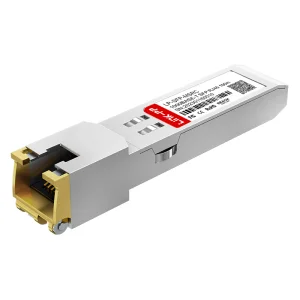
In hyperscale cloud datacenters, latency reduction and port density are critical. Switch architectures utilize optical transceiver modules, such as 25G SFP28 BiDi, 40G QSFP+, and 10G SFP+ Duplex LC, to connect core and leaf switches. These modules allow up to 120km transmission ranges, bypassing physical limitations of copper. Low-profile connectors and high-density, multi-port RJ45 configurations save valuable rack space, facilitating optimal airflow and thermal efficiency.
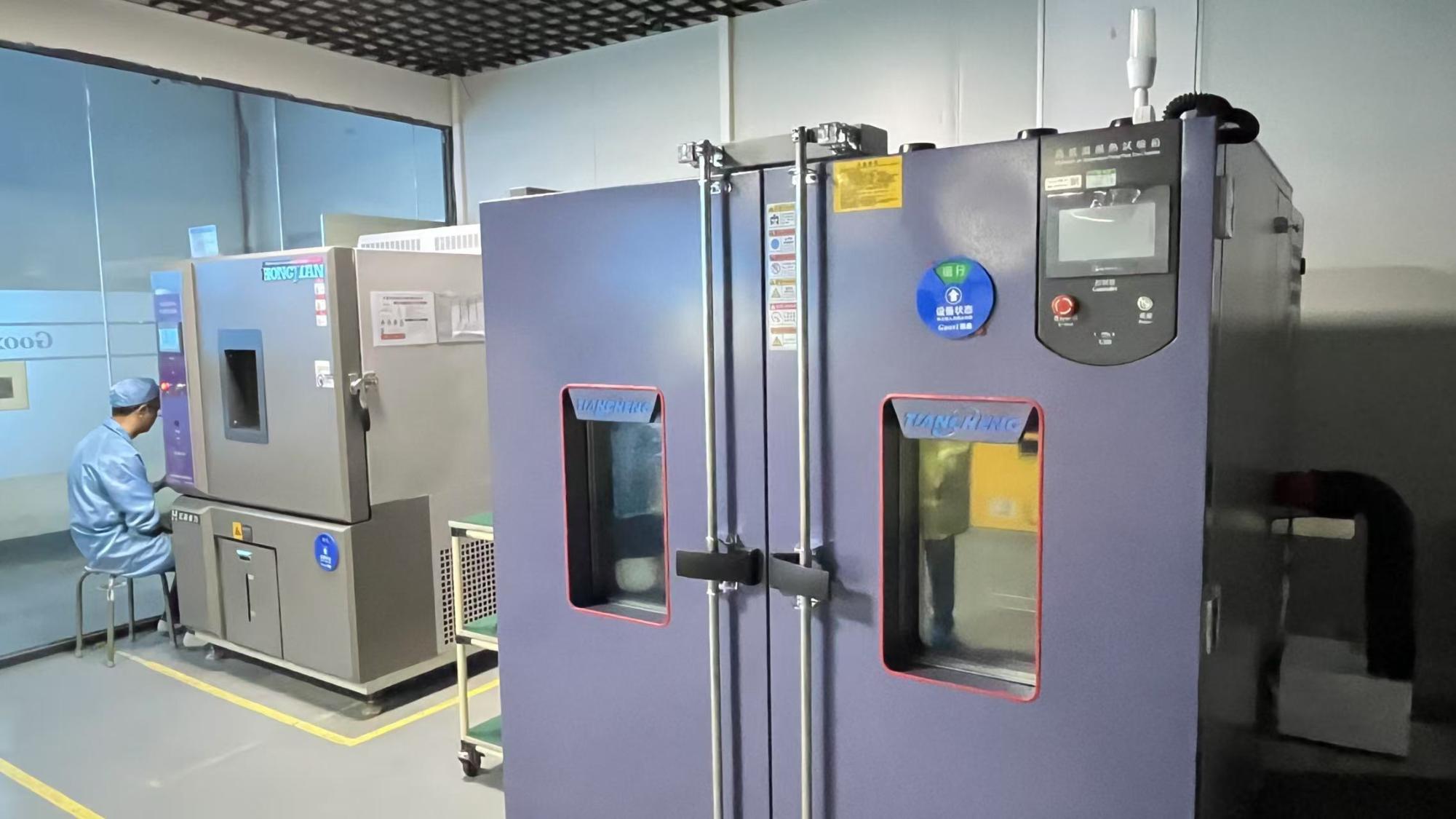
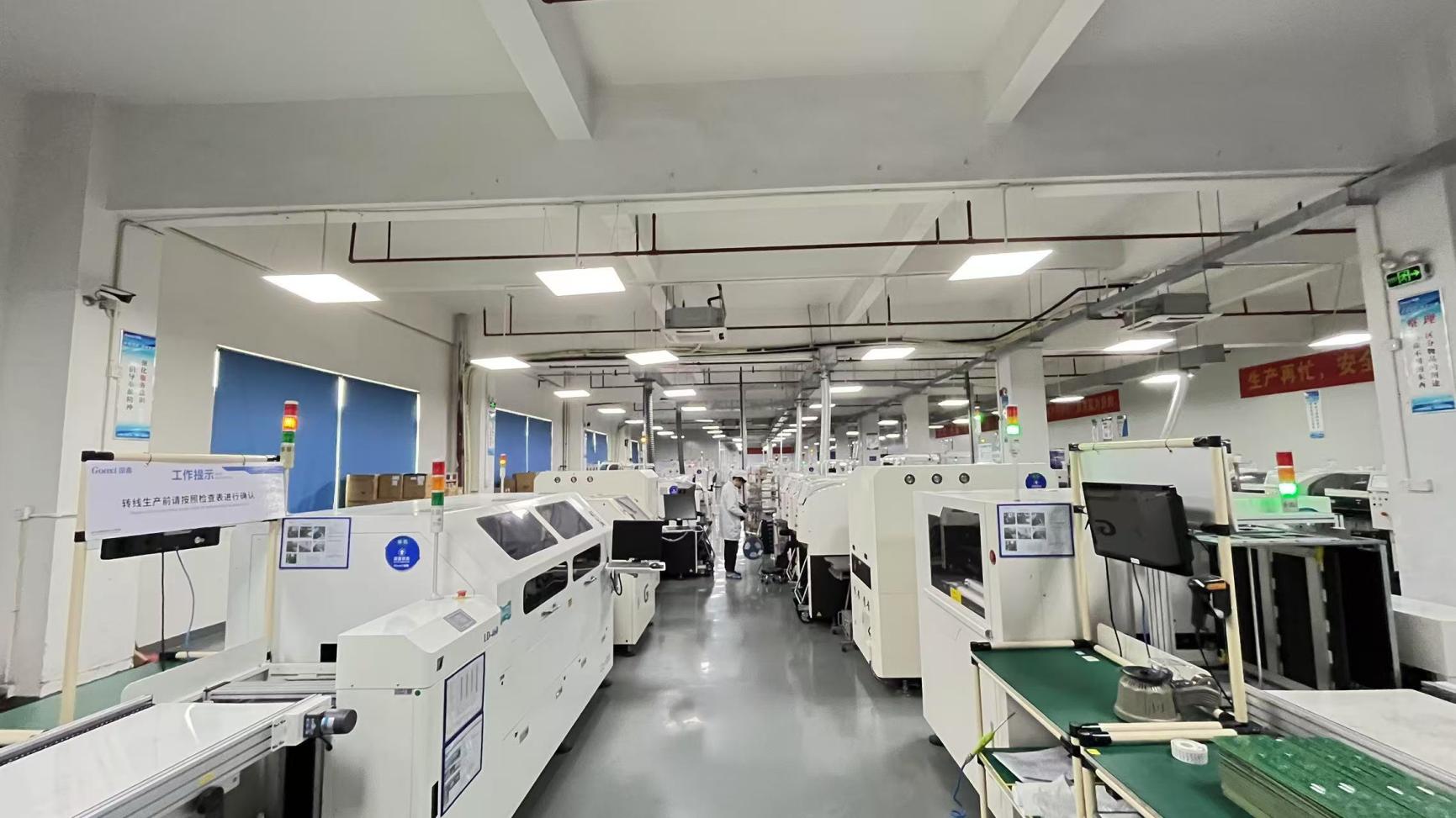
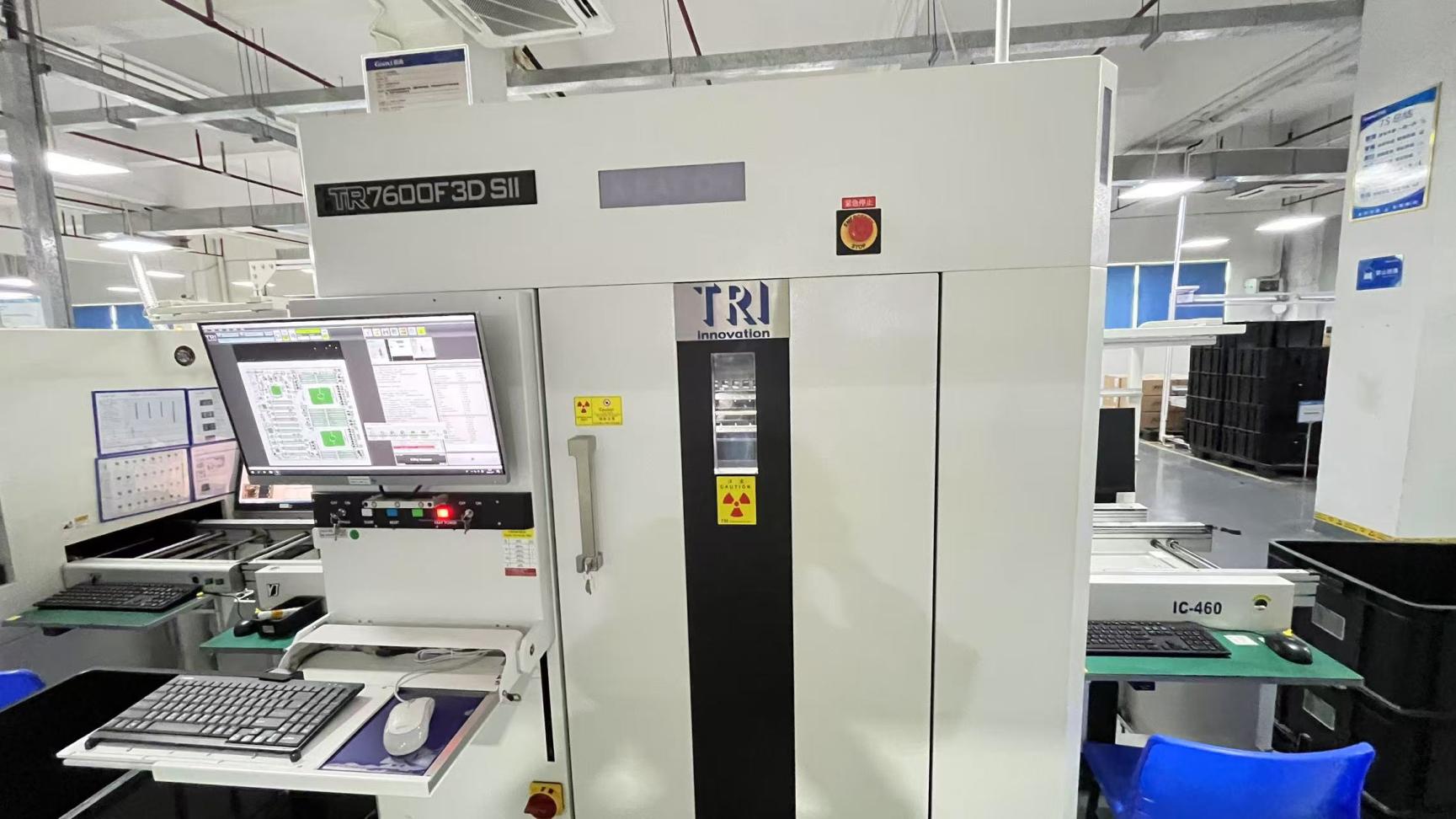

Lumetra Optoelectronics Technologies Co., Ltd. is a professional manufacturer specializing in high-speed optical transceivers and fiber optic communication solutions for datacom, telecom, and cloud infrastructure applications. Founded in 2016, the company has developed into a reliable supplier with strong engineering capabilities and global export experience.
The company operates a production facility covering approximately 8,500㎡, supporting efficient manufacturing and quality-controlled assembly processes. With annual export revenue reaching around USD 18 million, Lumetra has built stable international business channels and accumulated 7 years of export experience, backed by 11 years of overall industry expertise.
Quality assurance is maintained through a combination of automated optical performance testing, environmental stress screening, and manual inspection processes. The quality control team consists of 48 trained inspectors ensuring strict compliance with international standards. Lumetra maintains a diversified trade background with strong presence in OEM and ODM markets. Its primary markets include North America, Europe, Southeast Asia, and the Middle East, serving telecom operators, data center integrators, and network equipment distributors.
The company collaborates with over 1,200 supply chain partners to ensure stable component sourcing and manufacturing efficiency. Its customer base mainly includes telecom carriers, hyperscale data centers, system integrators, and optical network equipment brands. With strong R&D capability, Lumetra supports advanced customization including protocol compatibility, wavelength tuning, form factor adaptation, and power optimization. The company employs 86 R&D engineers focused on optical design, hardware development, and signal integrity optimization. In the past year, Lumetra launched approximately 220 new products, reflecting its continuous innovation in high-speed optical communication technologies.
To ensure compatibility with brands like Cisco, HPE, Avago, and Juniper, transceivers undergo rigorous host-switch emulation. Using programmable EEPROMs, manufacturers test modules across different vendor operating systems to verify DOM/DDM (Digital Optical Monitoring) readouts. Optical eye-diagram tests, bit error rate testing (BERT), and automated temperature cycling ensure the physical interface matches the transceiver's coded profile without throwing network exceptions or fault errors.
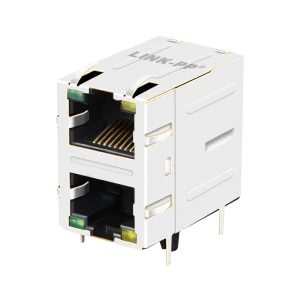
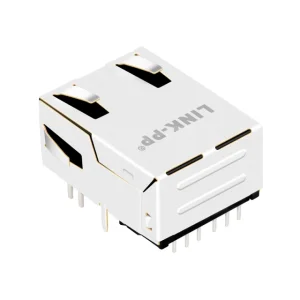
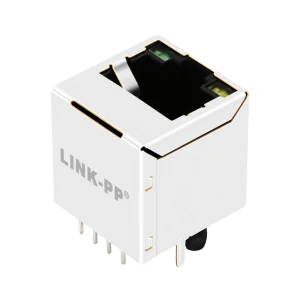
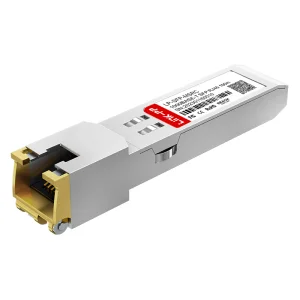
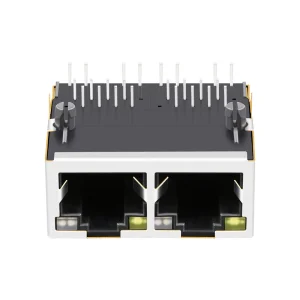
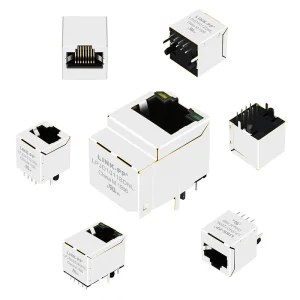
Integrated RJ45 Magjack connectors combine transmission line transformers, common-mode chokes, and shielding inside a single modular jack housing. This design provides high-voltage isolation (often up to 1500V AC or higher) and filters electromagnetic noise generated by surrounding circuit paths. Without these passive filtering components, digital switches face packet collisions, line interference, and transceiver damage from static discharges.
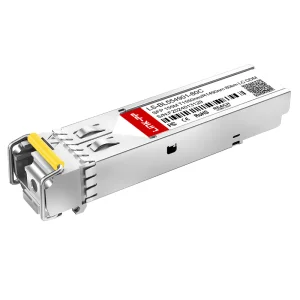
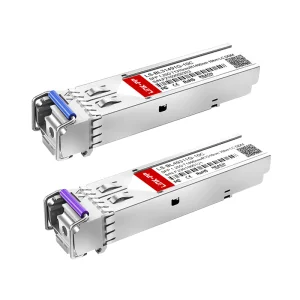
BiDi transceivers use wavelength-division multiplexing (WDM) to transmit and receive signals over a single strand of optical fiber (simplex LC). Standard transceivers require duplex configurations (two strands, one for TX and one for RX). By using distinct wavelengths (such as 1550nm-TX/1490nm-RX or 1330nm-TX/1270nm-RX), BiDi optics allow network administrators to double fiber routing capacities without installing new cables, cutting fiber installation and maintenance costs in half.
OEM/ODM custom options let companies adapt hardware to meet specific environment demands, including varying power inputs, custom LED pin placements, rugged housing profiles, and altered port placements. This enables developers to modify optical architectures for unique wavelengths, extended temperature ranges (-40°C to +85°C for industrial use), and customized firmware codes, ensuring seamless integration into proprietary network platforms.
Explore our secondary collection of optical transceivers and modular interfaces, engineered for optimal signal speed, thermal resistance, and structural stability.