Lumetra
Lumetra
Lumetra
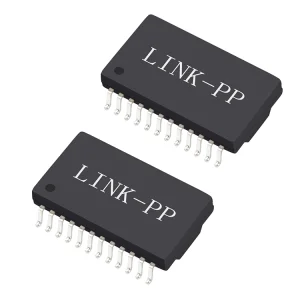
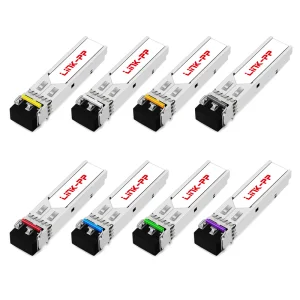
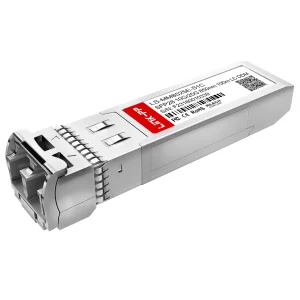
Discover our core engineering components ranging from IEEE standard copper telecom transformers to SFP+ cages and high-performance transceivers, verified to optimize insertion loss and EMI shielding.
The global networking landscape is undergoing a massive transformation, driven by cloud computing, high-frequency stock trading, AI model training, and the roll-out of 5G cellular technologies. As data rates scale upwards, physical-layer components like RJ45 patch cables, copper transceivers, and SFP interfaces face stringent environmental and electrical demands.
Standard Cat5e networks are rapidly being phased out. Enterprise infrastructure demands minimum 10G speeds over copper. Cat6A (500MHz) and Cat8 (2000MHz) patch cables are critical in combating Alien Crosstalk (ANEXT) in high-density environments.
Modern patch cables do not just carry signals; they transfer up to 90W-100W of power to high-definition cameras, smart lighting, and IoT gateways. This requires thicker 22-24 AWG pure bare copper conductors to avoid heat buildup.
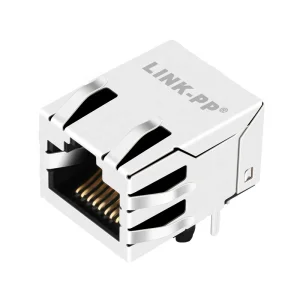
Electromagnetic Interference (EMI) degrades network packets. Using SF/UTP or S/FTP construction paired with press-fit, fully shielded SFP+ cages and grounded RJ45 modular jacks guarantees stable transmission in high-noise environments.
For telecom operators, hyperscale datacenters, and system integrators worldwide, purchasing networking cables and connectors goes far beyond finding the lowest price. A single faulty connection can trigger high latency or complete downtime, translating into substantial financial losses.

As global manufacturers face rising production bottlenecks, China’s industrial cluster benefits from deep supply chain integration, automated smart factories, and massive manufacturing bandwidth.
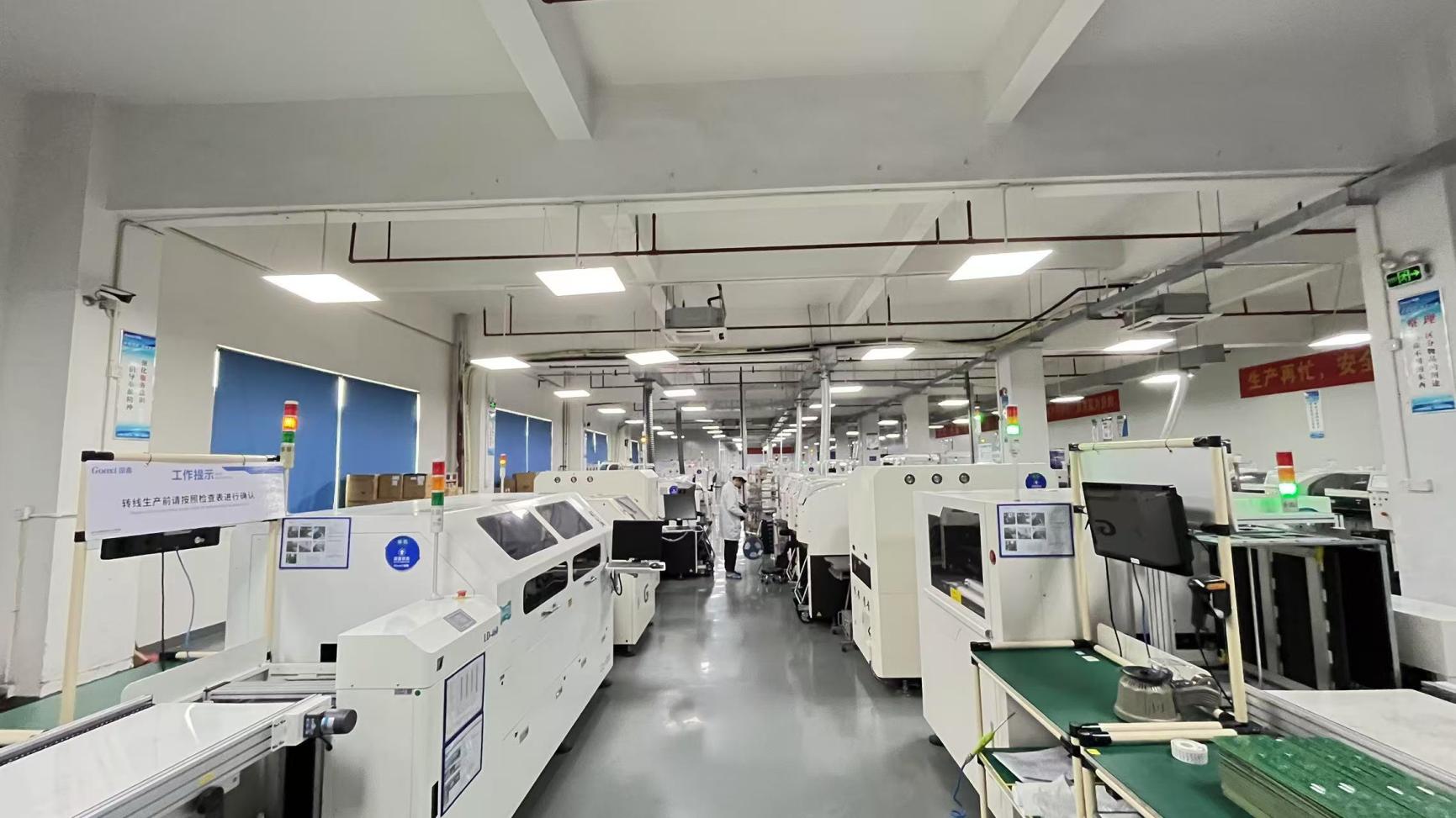
Advanced factories utilize integrated wire-stripping, crimping, and molding machines. This automation reduces human error, ensuring consistent tension control, shielding wrap consistency, and geometric uniformity across millions of patch cords.
Leading manufacturers implement 100% inline electrical tests for open circuits, short circuits, miswiring, and voltage leakage. High-end cables undergo sweep frequency sweeps up to 500 MHz (Cat6A) or 2000 MHz (Cat8) using network analyzers.
By clustering copper draws, chemical insulation providers, packaging facilities, and proximity to major deep-water ports (such as Shenzhen, Ningbo, or Shanghai), shipping lead times and freight costs are drastically reduced.
Lumetra Optoelectronics Technologies Co., Ltd. is a professional manufacturer specializing in high-speed optical transceivers and fiber optic communication solutions for datacom, telecom, and cloud infrastructure applications. Founded in 2016, the company has developed into a reliable supplier with strong engineering capabilities and global export experience.
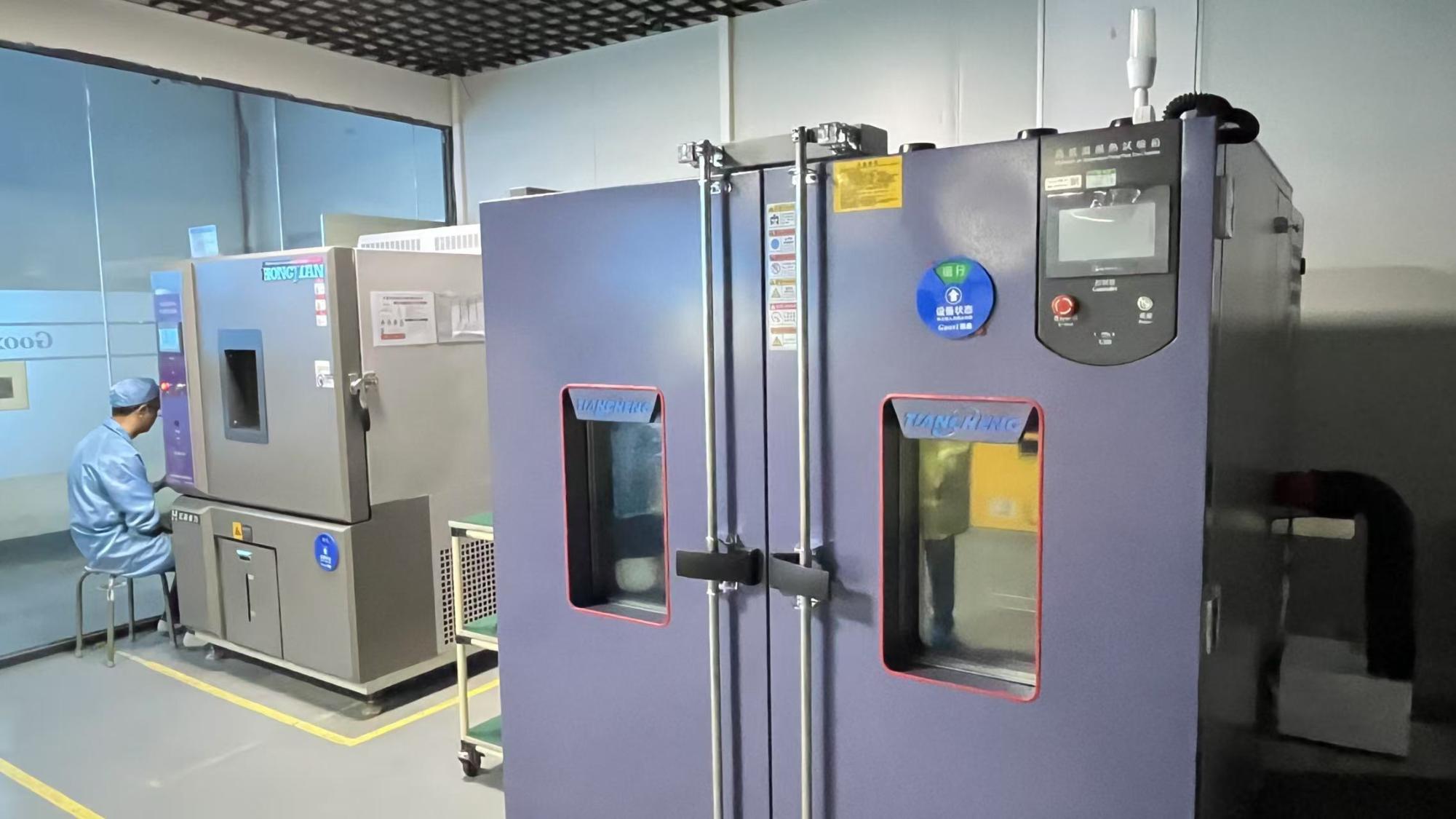
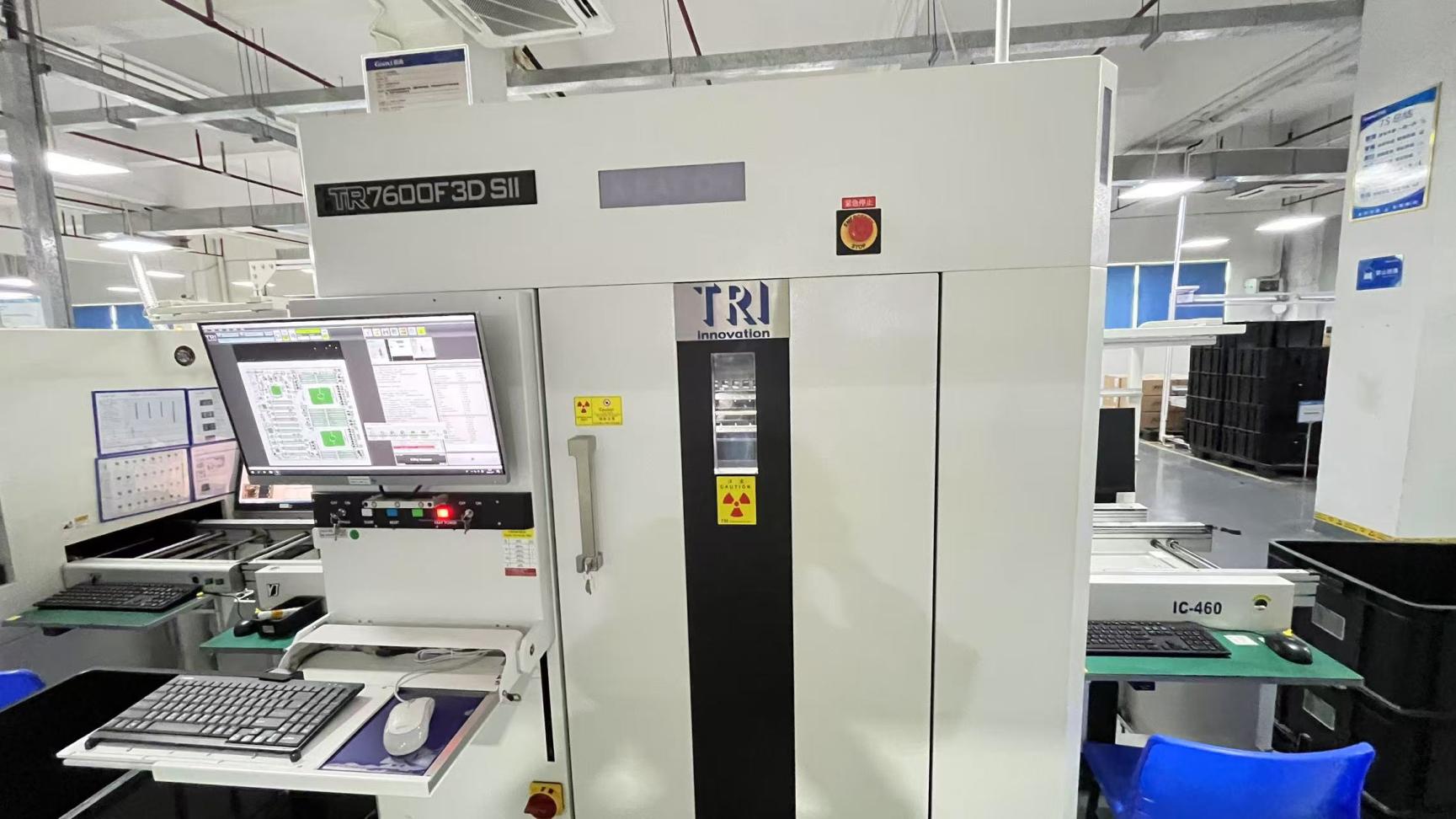
Quality assurance is maintained through a combination of automated optical performance testing, environmental stress screening, and manual inspection processes. Our 48-inspector QC team ensures full compliance with global quality and safety benchmarks, supporting continuous deployment across Tier-1 operator systems.
With 11 years of cumulative industry expertise and 7 years of deep export operation, Lumetra bridges the gap between passive cable assemblies and active optical modules. We collaborate with over 1,200 supply chain partners to guarantee raw material stability even during global chip and metal shortages.
Lumetra's massive R&D division supports robust customer-centric tuning. We design and validate specialized modules, supporting protocol compatibility, wavelength tuning, custom mechanical structures, power consumption optimization, and ruggedized casings.
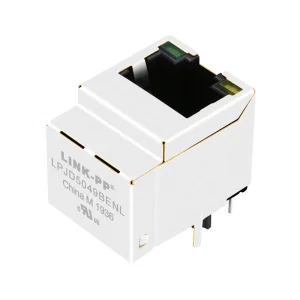
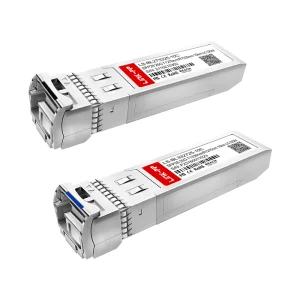
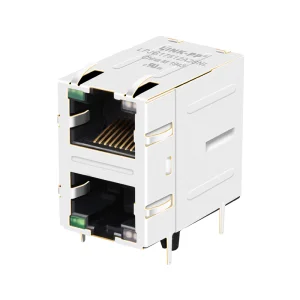
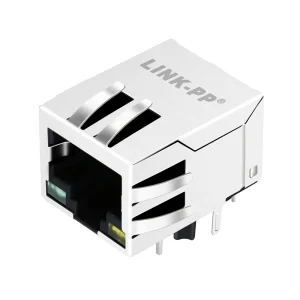
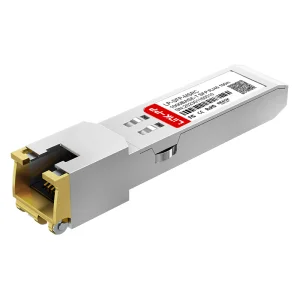
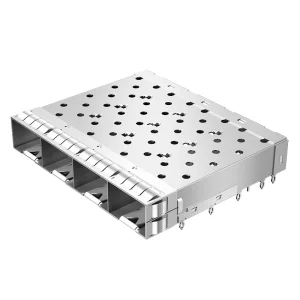
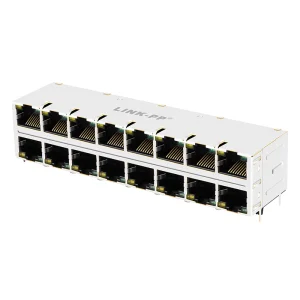
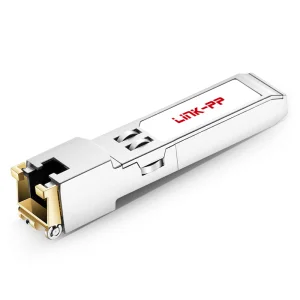
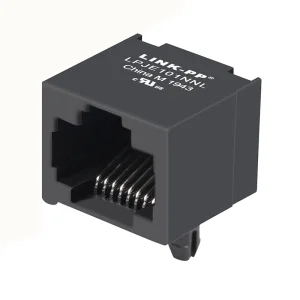
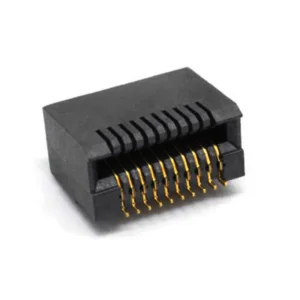
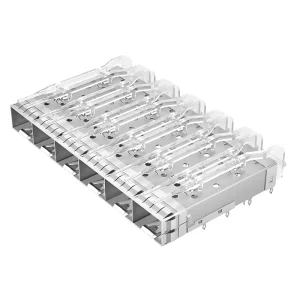
In the past year alone, Lumetra launched approximately 220 new products to address emerging market niches, including low-power 10G/25G SFP+ copper transceivers, space-saving vertical SMT RJ45 connectors, and highly integrated multi-port SFP+ shielded cages.
Whether connecting server racks inside a hyperscale cloud data center or wiring heavy machinery on a smart factory floor, choose components engineered for your target environmental and electrical dynamics.
Top-of-Rack (ToR) and End-of-Row (EoR) topologies rely on low-latency copper transceivers and SFP+ cages to link high-bandwidth servers. Structured patch cabling must support high stacking density and minimal air-resistance profiles to prevent cooling blocks.
Harsh manufacturing floors expose copper wires to mechanical stress, oil, UV radiation, and severe electromagnetic interference (EMI). Heavy-gauge shielded RJ45 assemblies, combined with ganged EMI shielded cages, prevent signal dropouts and transmission errors.
Micro-data centers, 5G cell sites, and outdoor cabinet networks require robust wide-temperature range modules (Industrial grade: -40°C to +85°C) to withstand fluctuating environmental environments without degradation.
Explore clear, expert-level technical answers addressing the most common queries from structural network engineers and purchasing officers.
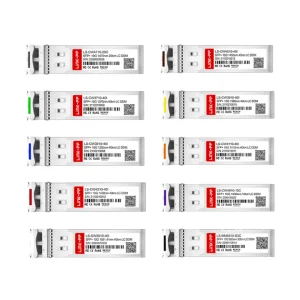
Explore our secondary module portfolio designed to ensure physical stability, optimal shielding, and electro-optical conversion.