Lumetra
Lumetra
Lumetra
Engineered for low insertion loss, exceptional signal integrity, and seamless hardware interoperability.
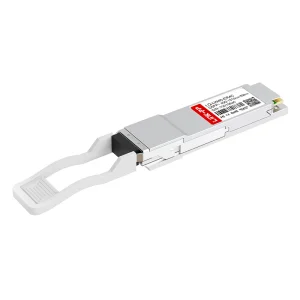
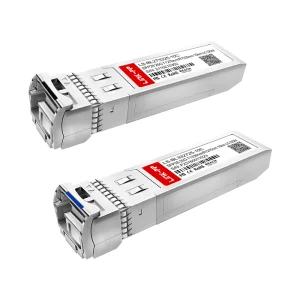
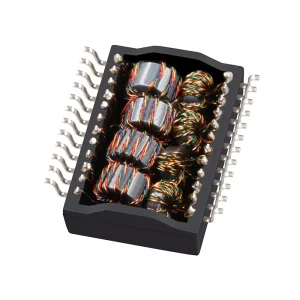
Optimizing passive physical layer topologies for mission-critical deployments across diverse network architectures.
Engineered for ultra-dense server deployments. Lumetra’s fiber patch cords guarantee negligible insertion losses, supporting high-throughput transitions from 100G to 400G and 800G optical architectures.
Delivering reliable optical backbones that endure environmental stressors. Compliant with international standards to satisfy long-haul single-mode transmission metrics.
Robust cabling with heavy-duty LSZH, Plenum, or Armored sheathing. Immune to EMI/RFI, assuring error-free telemetry in automated manufacturing pipelines.
In modern high-speed networks, optical interconnects are no longer merely passive cables; they are critical elements that dictate overall system margin. As transmission speeds escalate to 400G and 800G, the allowable optical link budget margin narrows down to fractions of a decibel. Poor-quality patch cords introduce severe return loss, back-reflections, and modal dispersion, which trigger packet dropouts and bit errors at the transceivers.
Lumetra Optoelectronics Technologies Co., Ltd. addresses this technical challenge by manufacturing ultra-reliable, customized optical fiber patch cords designed for minimal insertion loss and robust mechanical retention. Our comprehensive OEM/ODM customization capabilities extend to custom breakout lengths, specialized fiber grades (including single-mode ITU-T G.652.D, bend-insensitive G.657.A1/A2, and multimode OM3/OM4/OM5), and advanced polish treatments (UPC and APC).
The connector end-face profile is the primary determinant of optical signal integrity. Our production lines rely on high-precision polishing machines and automated 3D interferometers to control the critical geometric parameters:
Verifiable metrics showing our capabilities as a trusted OEM supplier of optical solutions.
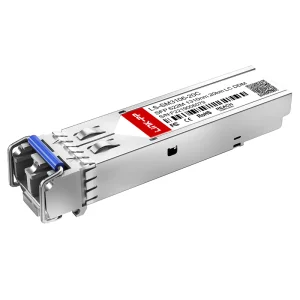
The optical networking industry is witnessing a structural shift. The rapid rise of artificial intelligence, high-performance computing (HPC), and edge architectures demands dense fiber topologies capable of carrying higher power densities. This creates a parallel demand for precision interface hardware. For example, high-speed SFP28 and QSFP28 transceivers require corresponding premium connectivity structures.
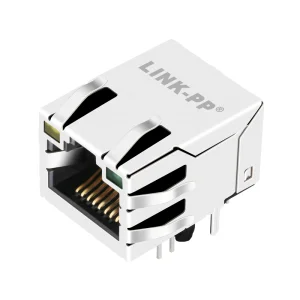
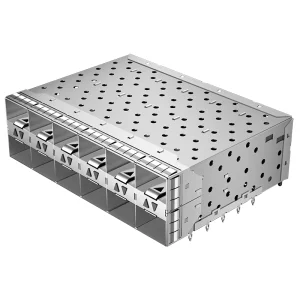
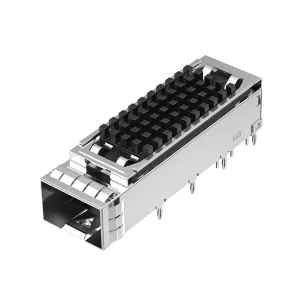
At Lumetra, we design complete ecosystems. Our R&D team works closely with equipment manufacturers to verify that our patch cords interface cleanly with advanced transceivers, low-profile SFP cages, and stacked multi-port modules. This systemic validation ensures that physical-layer connections do not obstruct heat dissipation pathways or trigger EMI leakage at the physical faceplates.
In typical enterprise and datacom environments, insertion loss budgets are tightly managed. Standard connectors might offer insertions of 0.3dB, but for multi-level cascade paths, this is unacceptable. Our high-spec OEM patch cords consistently deliver:
This level of performance ensures that even with multiple patch panel transits, the cumulative link loss remains within operational tolerances, allowing systems to achieve error-free performance without the need for active signal amplification.
Tailoring physical configurations, optical specifications, and sheathing compounds to meet exact engineering requirements.
Choose from standard LC, SC, ST, and FC configurations, or upgrade to high-density MTP/MPO connectors, supporting up to 24 fibers in a single micro-ferrule.
We extrude PVC (OFNR) for risers, Plenum (OFNP) for fire-rated duct chambers, and Low-Smoke Zero-Halogen (LSZH) compounds for environments with strict toxicity regulations.
Standard single-mode fiber (SMF) or premium bend-insensitive fiber (BIF) designs that allow tight installations (under 7.5mm bend radii) without signal degradation.
The industry trajectory is moving fast. Silicon Photonics (SiPh) and Co-Packaged Optics (CPO) are changing switch design by bringing the optical engines close to the ASIC. This transition alters the demands placed on fiber patch cords. Standard connectors are giving way to micro-connector arrays and multi-fiber push-on variations, which must function with minimal tolerances.
Lumetra is actively researching new connector interfaces like CS, SN, and MDC, which are designed for high-density, multi-fiber applications. Our R&D team is working with supply chain partners to test these connections under varying environmental conditions. This helps ensure that as you scale up your infrastructure, the patch cords will continue to support the required optical performance.
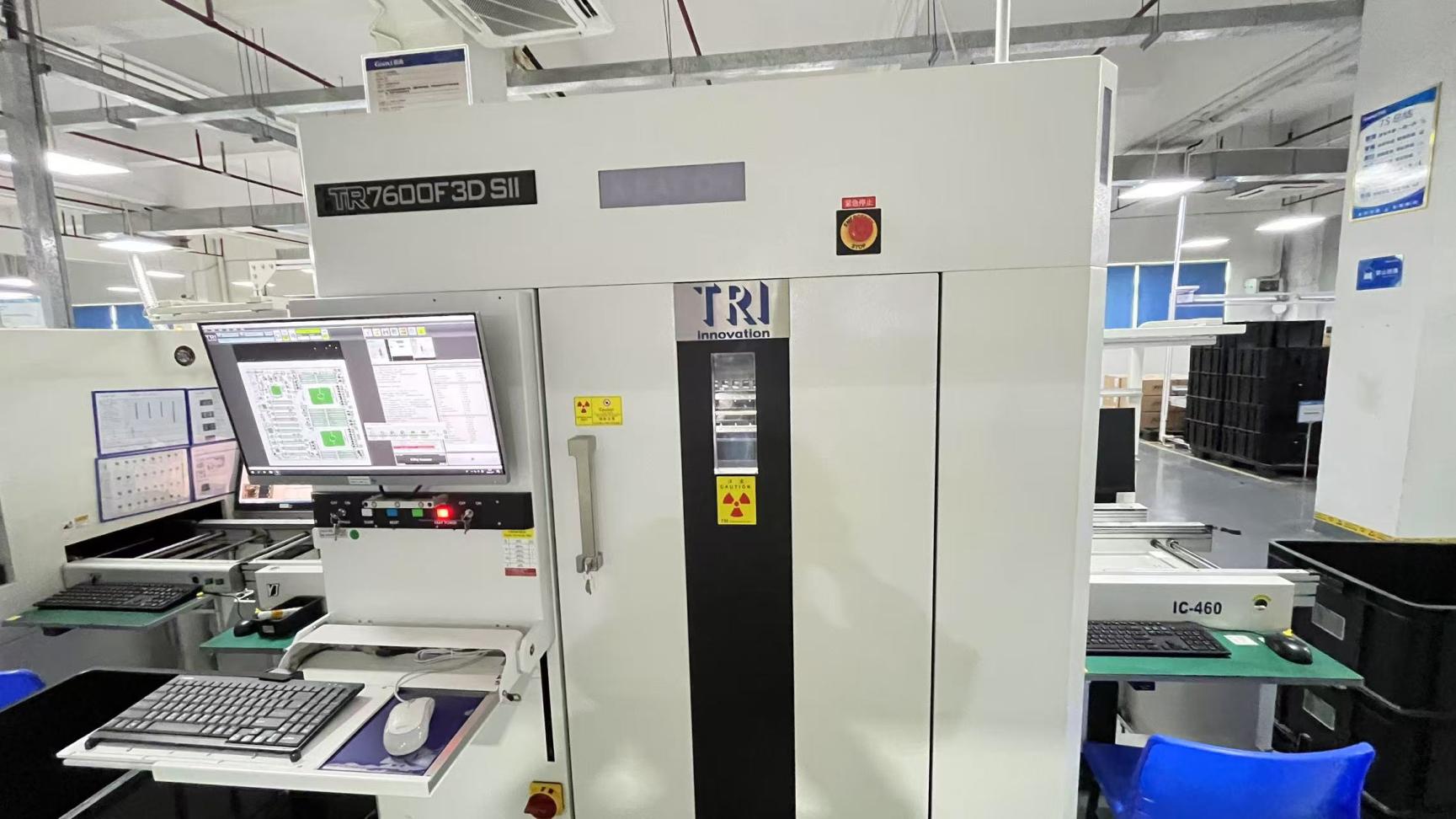
Every cable assembly manufactured at our plant undergoes rigorous verification processes before shipment. Our Quality Assurance protocol is built around the following key checks:
Detailed answers to common technical, manufacturing, and configuration questions.
UPC (Ultra Physical Contact) connectors are polished with a dome-shaped end-face, yielding a return loss of ≥55dB. APC (Angled Physical Contact) connectors feature an 8-degree angle on the end-face, which directs back-reflected light out of the fiber core and into the cladding, resulting in a return loss of ≥65dB. APC is critical in high-bandwidth, long-haul single-mode applications, analog networks, and DWDM installations to prevent back-reflections from degrading transceiver laser performance.
Standard optical fiber (such as ITU-T G.652.D) suffers from high attenuation when bent past its minimum bend radius, which can cause micro-bending losses. Bend-insensitive single-mode fibers (such as G.657.A1/A2) feature an optical trench of lower refractive index material around the core, keeping light guided within the fiber even in tight bends. This allows for cleaner routing and denser packing in fiber patch panels and cable trays without risking data loss.
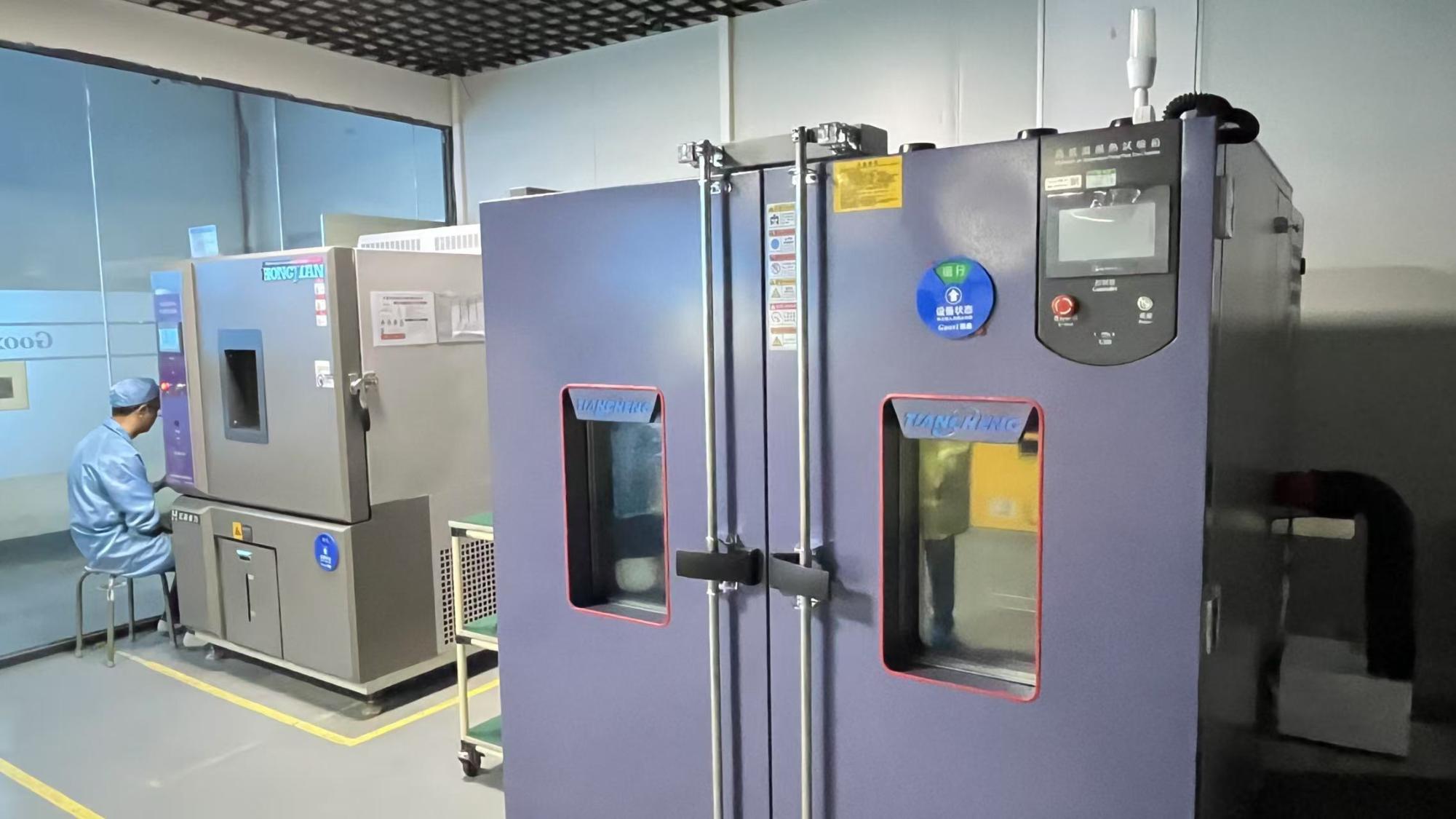
We perform hardware validation tests in our labs using major networking brands’ transceivers. We check parameters like insertion loss, mechanical fit, and optical alignment. Additionally, we check how well the assemblies handle high thermal loads to ensure stable operation over their lifetime.
Our OEM services include customized cable printing (custom texts, part numbers, and serials), color-coded outer jackets and boots for easy channel identification, custom bag labeling with barcode tracking, and individual test reports enclosed with every patch cord. We can also provide tailored breakout lengths to match specific routing layouts.
Designed to integrate with high-performance networking setups and help reduce patch panel footprint.
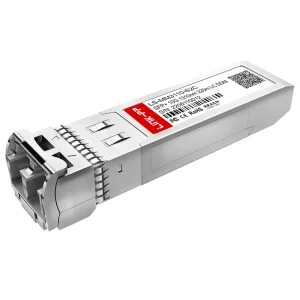
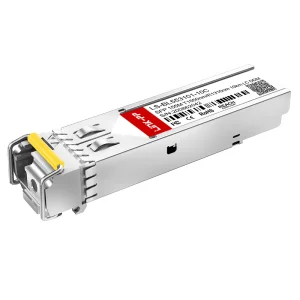
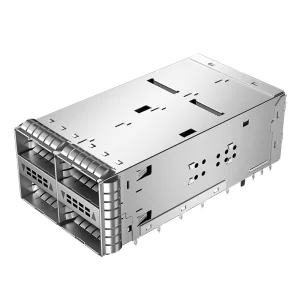
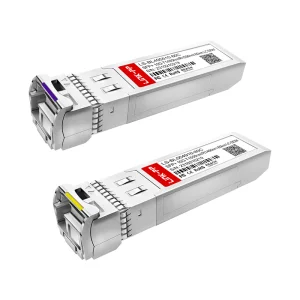
A professional manufacturer specializing in high-speed optical transceivers and fiber optic communication solutions for datacom, telecom, and cloud infrastructure applications.
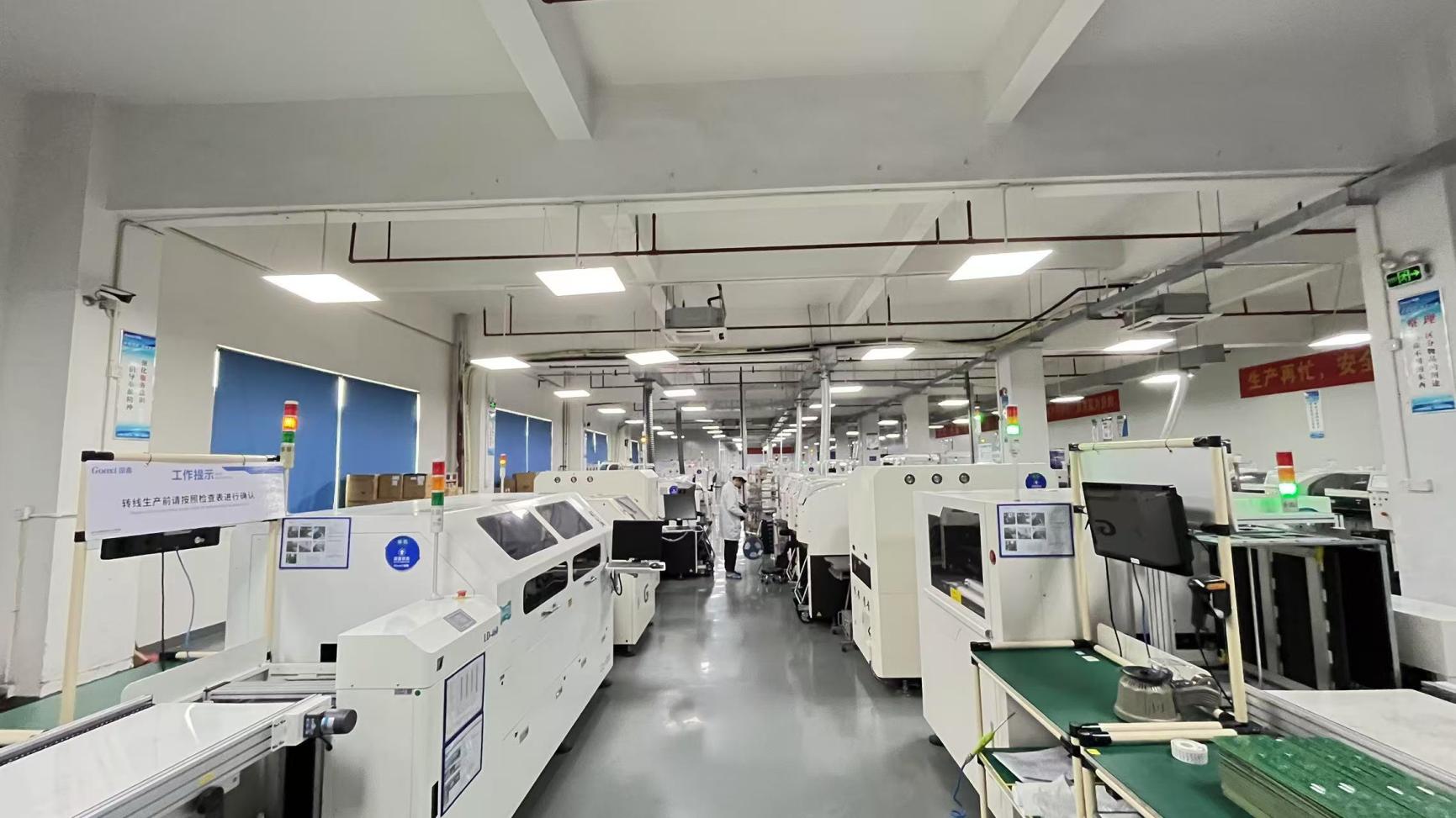
Founded in 2016, Lumetra has grown into a reliable supplier with strong engineering capabilities and global export experience. Operating an advanced production facility covering approximately 8,500㎡, we support efficient manufacturing and quality-controlled assembly processes. With annual export revenue reaching around USD 18 million, Lumetra has built stable international business channels, backed by 11 years of overall industry expertise and 7 years of export history.
Our quality control team consists of 48 trained inspectors who ensure strict compliance with international standards through automated optical performance testing, environmental stress screening, and manual inspection processes. Lumetra serves a diverse market, with a strong presence in OEM and ODM sectors across North America, Europe, Southeast Asia, and the Middle East.
With an R&D department of 86 engineers focused on optical design, hardware development, and signal integrity optimization, we support customized requests including protocol compatibility, wavelength tuning, form factor adaptation, and power optimization. Our commitment to continuous development is reflected in the launch of approximately 220 new products in the past year alone.