Lumetra
Lumetra
Lumetra
Explore our selection of top-tier performance components. Designed to meet global operational standards for high-speed datacom, telecom, and industrial networking architectures.
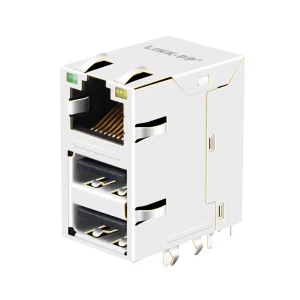
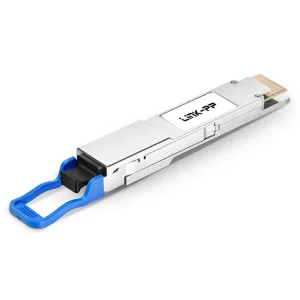
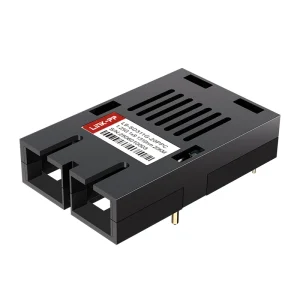
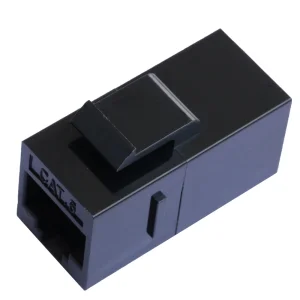
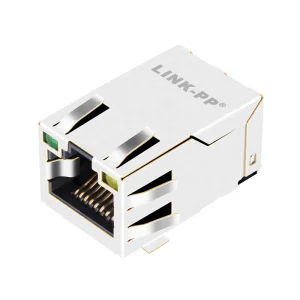
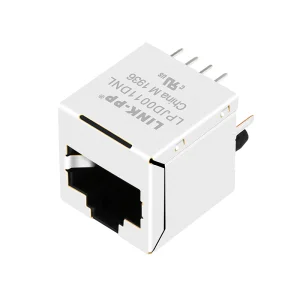
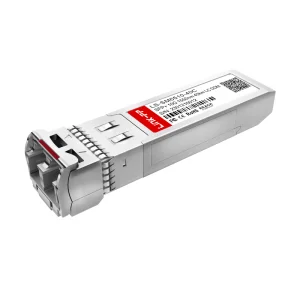
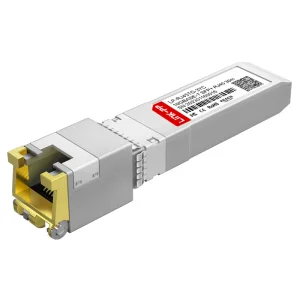
Lumetra Optoelectronics Technologies Co., Ltd. stands at the intersection of high-frequency electrical engineering and advanced optical communication. As a specialized OEM/ODM manufacturer, we design, test, and ship physical layer components that support industrial networks and hyperscale cloud providers.
"With over 1,200 supply chain partners and an annual export revenue of approximately USD 18 million, our manufacturing infrastructure is engineered for resilience, ensuring custom OEM connectivity requirements are delivered with minimal lead times."
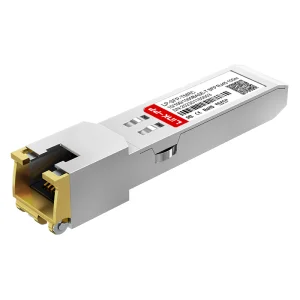
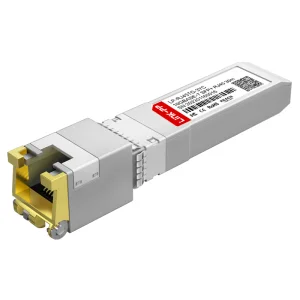
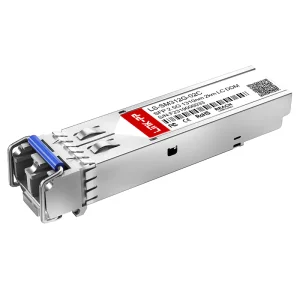
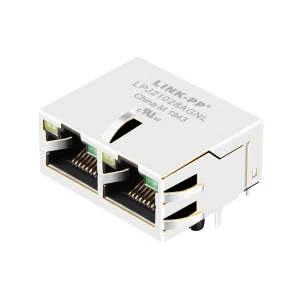
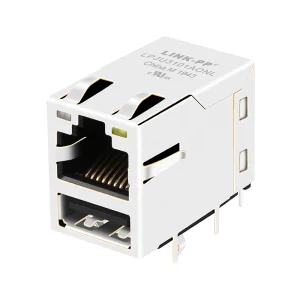
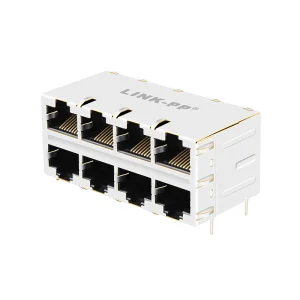
Founded in 2016, Lumetra has rapidly transitioned from a regional optical transceiver designer to an international systems supplier. Our physical-layer technologies, including high-speed active transceivers (up to 400G QSFP-DD) and passive copper assemblies (such as integrated Magjack RJ45 components), are deployed in carrier-grade telecommunication architectures, automotive assembly lines, and high-frequency trading networks worldwide. Our core strength lies in our continuous focus on signal integrity, electromagnetic interference (EMI) containment, and mechanical reliability.
Industrial environments require unique design considerations compared to commercial enterprise environments. Lumetra develops specialized solutions tailored to distinct vertical sectors:
Deploying high-noise immune connectors like vertical top-entry RJ45 jacks and Cat6 keystone jacks that withstand mechanical vibrations, thermal variations (-40°C to +85°C), and electromagnetic interference on the factory floor.
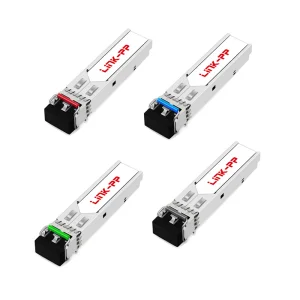
Providing high-density optical transceiver modules (ranging from 1.25G to 400G CWDM QSFP-DD LR4) designed to optimize data flow rates, latency, and power-consumption metrics in dynamic cloud fabrics.
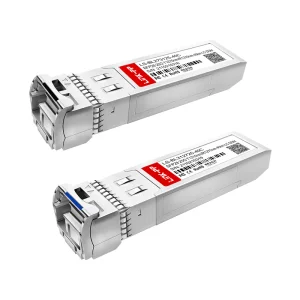
Delivering single-mode long-reach transceivers (including 25G BiDi SFP28 40km modules and 10GBASE-ER optics) to help telecom operators scale their optical backhaul networks efficiently.
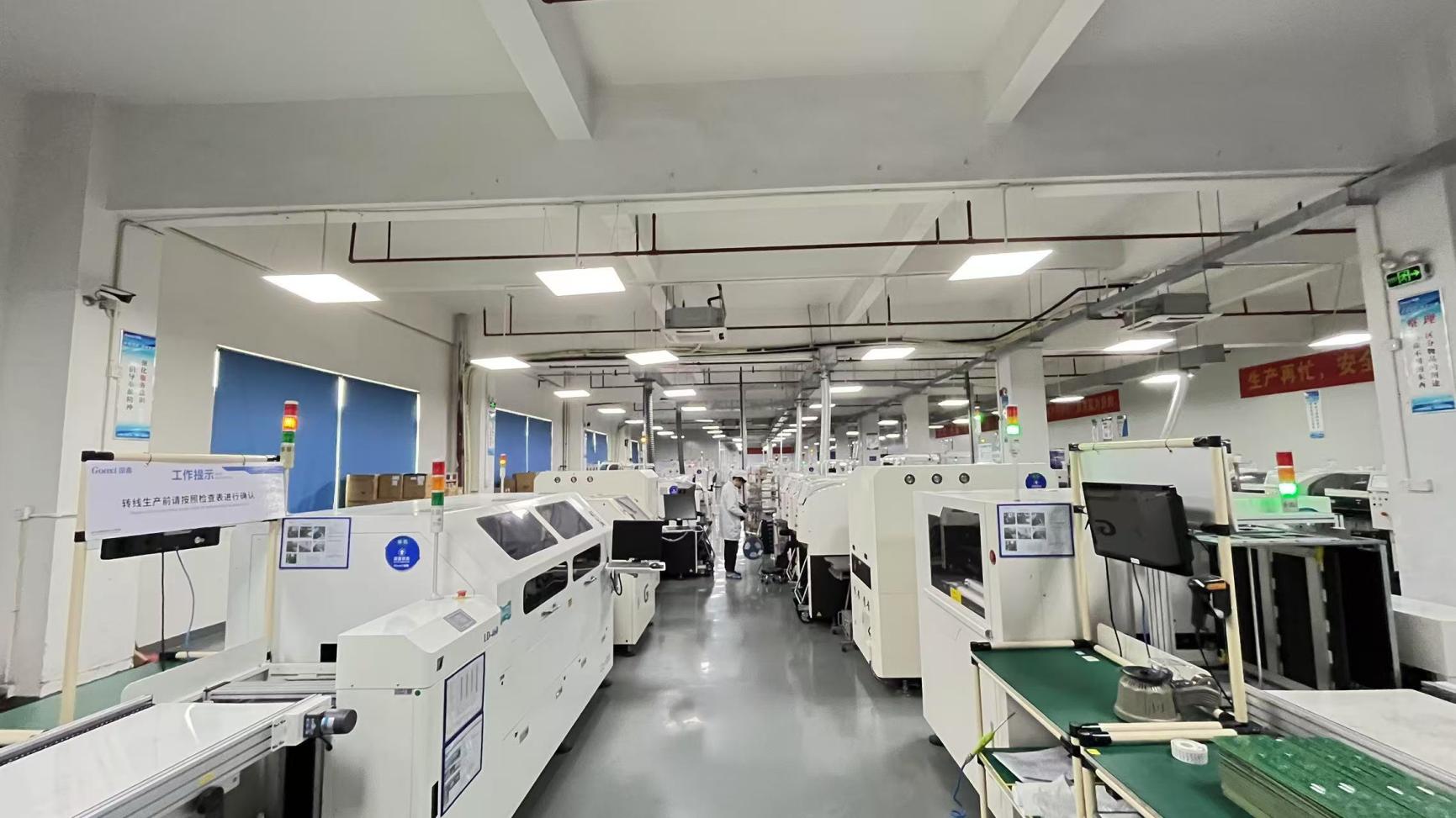
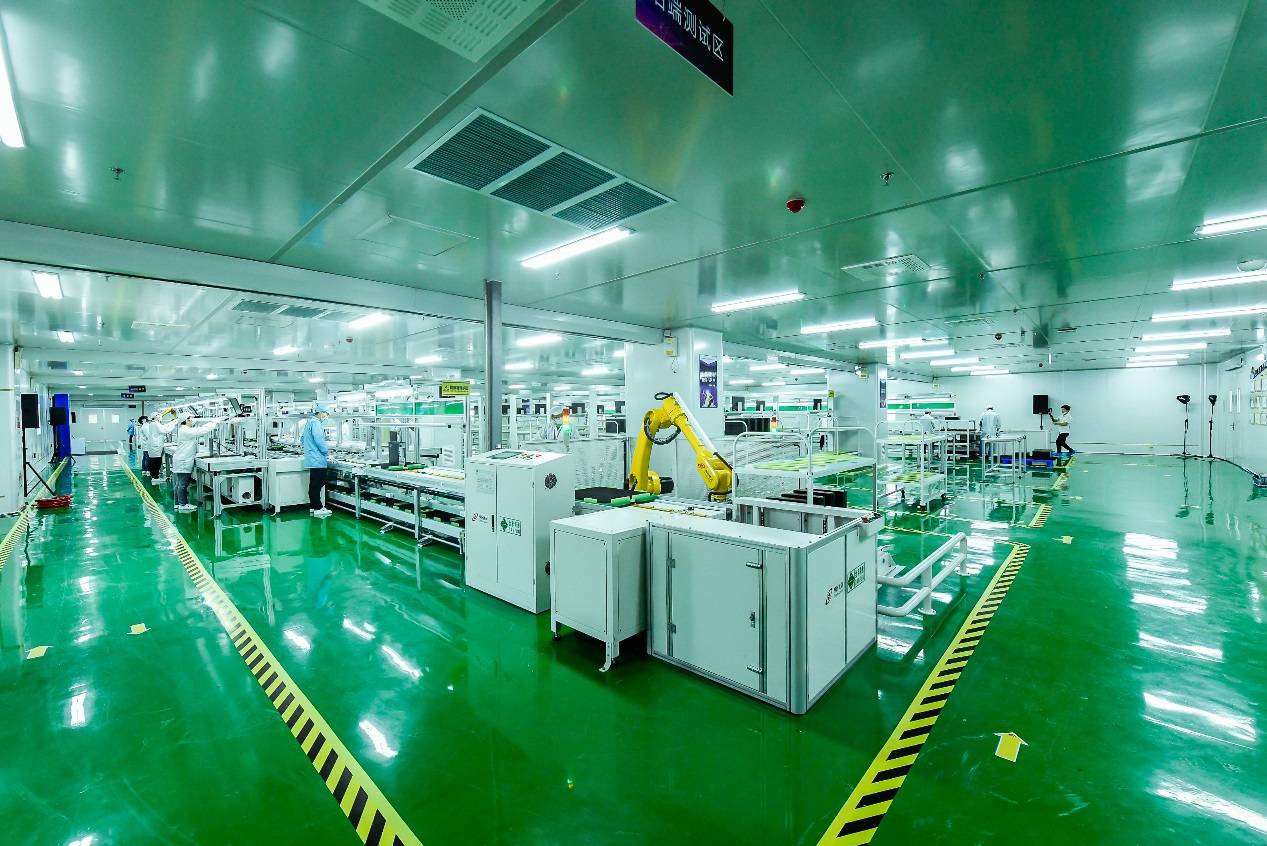
Operating out of our 8,500㎡ facility, Lumetra utilizes Lean Manufacturing and automated production techniques to control unit costs while keeping manufacturing quality high.
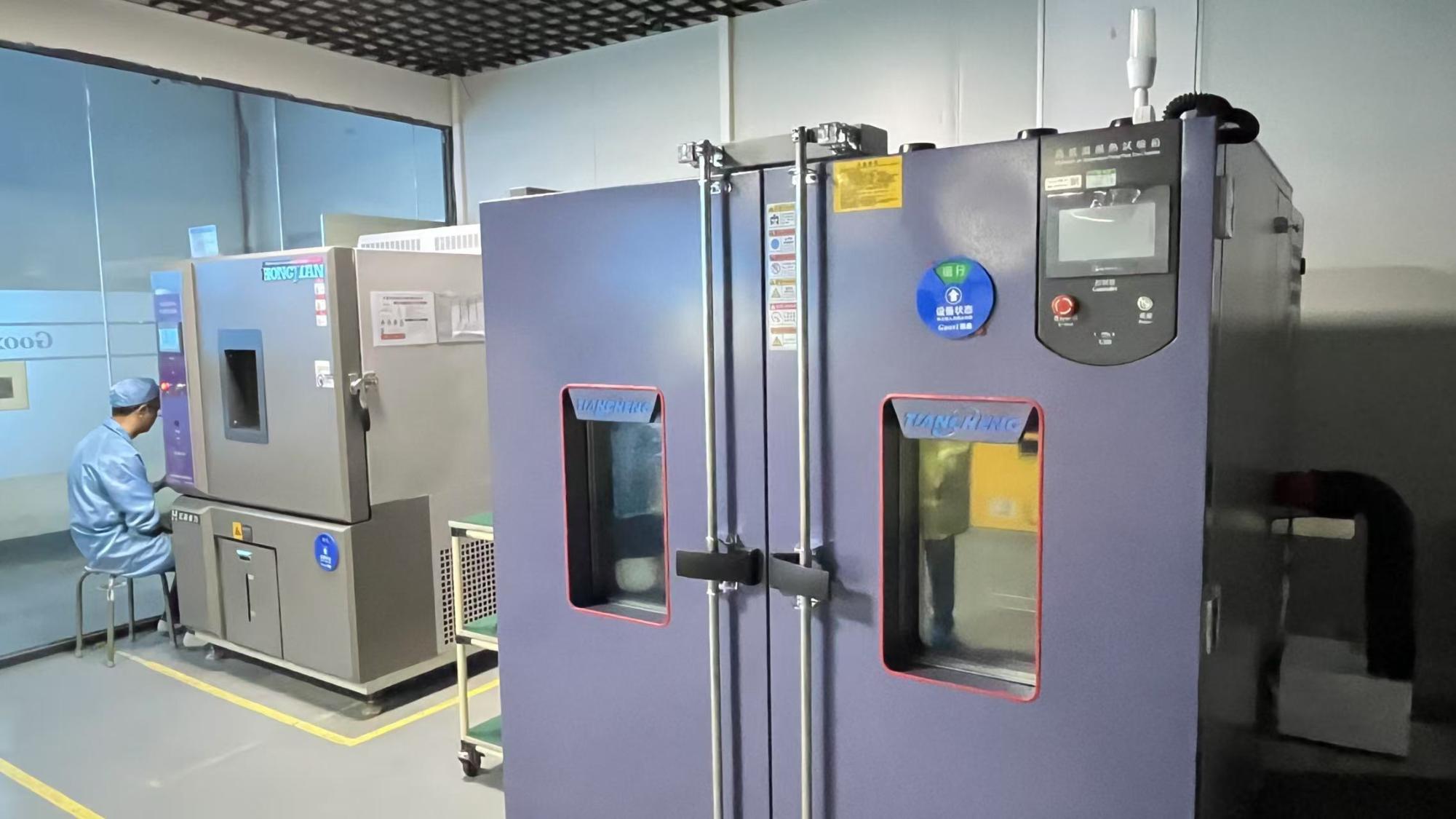
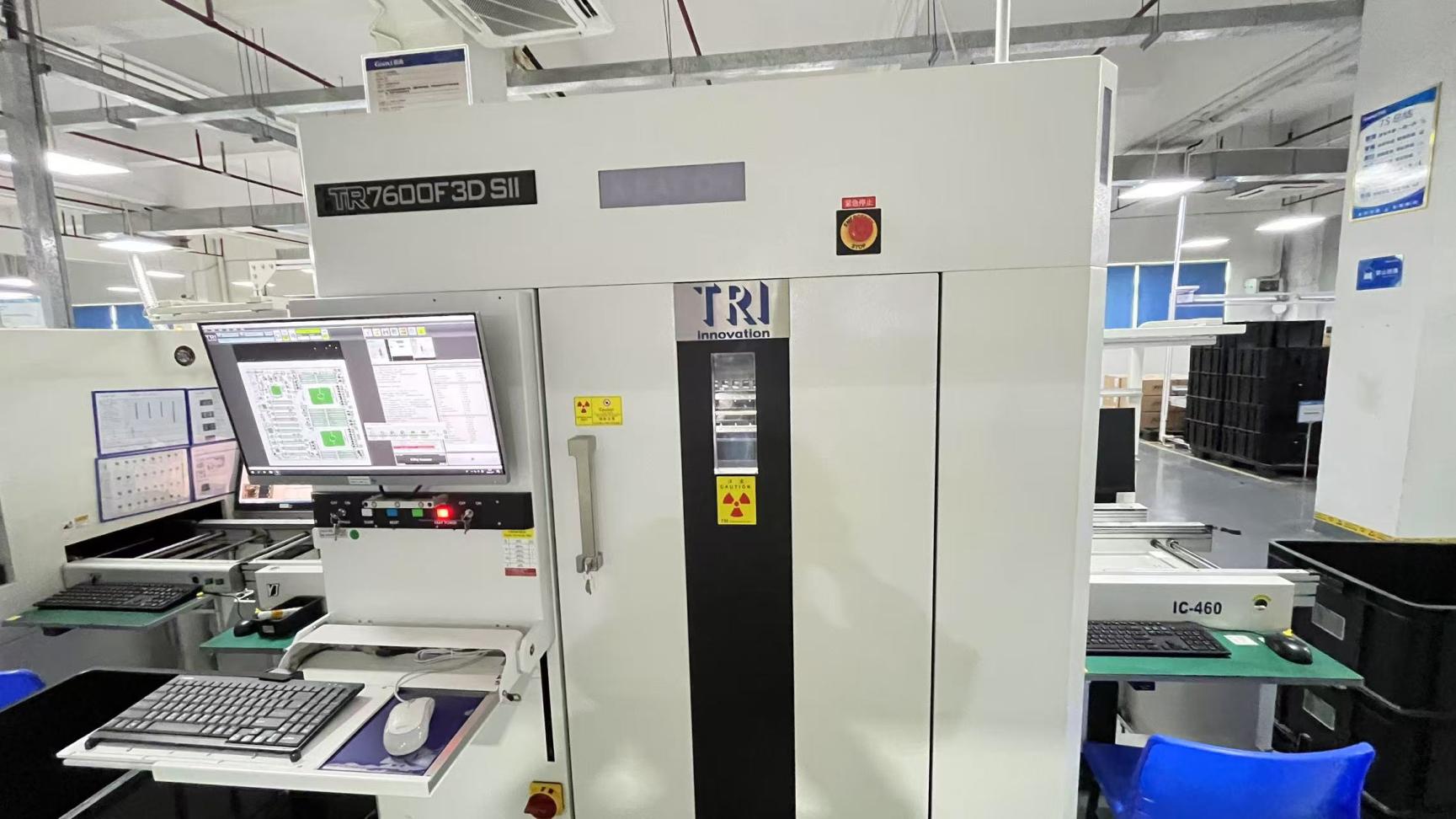
By establishing direct supply pathways with over 1,200 certified raw component suppliers, we limit risks associated with raw material and chip shortages. Our operational floor utilizes semi-automated SMT placement lines, high-frequency signal analyzers, and climatic chambers for testing component aging. In the past year alone, we introduced approximately 220 new products, highlighting our team's active product development loop.
Quality assurance is managed by 48 trained inspectors who monitor the assembly process at critical milestones, including incoming quality control (IQC), in-process quality control (IPQC), and final out-of-box audit (OQA). Our physical layers are subject to insertion-loss screening, return-loss profiling, and cross-talk validation to confirm compatibility with international networking hardware standards.
As networks transition from traditional Gigabit speeds to high-bandwidth multi-gigabit frameworks, interconnect systems must evolve alongside them.
We are expanding our product roadmap to include SPE connectors (IEC 63171-6). These deliver Ethernet and Power-over-Data-Line (PoDL) over a single pair of copper wires up to 1000 meters, which is essential for edge IIoT sensors.
Building on our 400G CWDM QSFP-DD module designs, our R&D department is designing 800G optical modules. These modules utilize silicon photonics and co-packaged optics (CPO) to manage high thermal dissipation challenges in high-density installations.
We are incorporating Halogen-Free and flame-retardant (UL94-V0) polymers across our RJ45 connector ranges. This helps our clients meet their sustainability objectives and align with global green building standards.
Sourcing electronic components requires balancing cost, performance, and reliability. Below are critical factors to consider when ordering connectors and transceivers for industrial or enterprise networks:
Initial component costs are only part of the story. High-quality physical connectors reduce system downtime and field maintenance costs, which can quickly offset small price differences.
Ensure your components are fully compliant with multi-source agreements (MSAs) and industry standards, such as IEEE 802.3 and FCC Part 68. This compliance is essential for plug-and-play operation in multi-vendor hardware networks.
A reliable supplier should provide access to testing reports, including insertion loss, return loss, and environmental testing records. These verify that the components will perform reliably under field operating conditions.
Doing business globally requires adhering to regional regulatory frameworks. Lumetra's export catalog is fully compliant with RoHS, REACH, CE, and FCC standards. This regulatory alignment ensures that our OEM components can be integrated into systems bound for North America, the European Union, Southeast Asia, and the Middle East without custom delays or compliance issues.
Additionally, we offer localized technical support. Our engineering team can work closely with your design staff during the prototyping phase to resolve questions about board layout, EMI shielding design, or transceiver programming. This collaborative approach helps prevent design issues, streamline certification, and accelerate product launches.
Read through technical answers to frequently asked questions regarding industrial networks, optical transceivers, and connector design.
Browse additional high-speed copper and optical components in our inventory. These products are designed for network expansions, server upgrades, and rugged communication links.