Lumetra
Lumetra
Lumetra
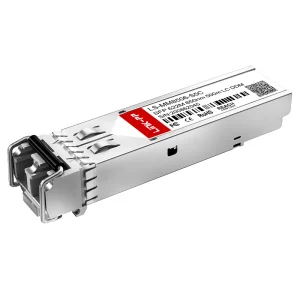
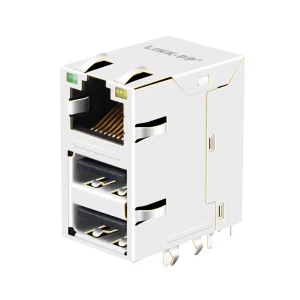
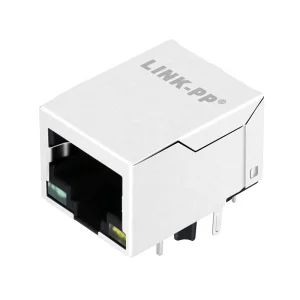
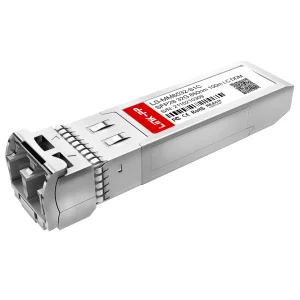
Explore our leading-edge OEM SFP modules, shielded cages, and high-performance magnetic network connectors designed for modern hyperscale and enterprise architectures.
Founded in 2016, Lumetra Optoelectronics Technologies Co., Ltd. has established itself as an authoritative leader in high-speed optical communications, specializing in manufacturing first-class SFP module connectors, optical transceivers, and fiber transmission interfaces. With over 11 years of deep industry expertise and a stellar 7-year track record of exporting globally, we serve the critical communication layers of major cloud, telecom, and datacom systems worldwide.
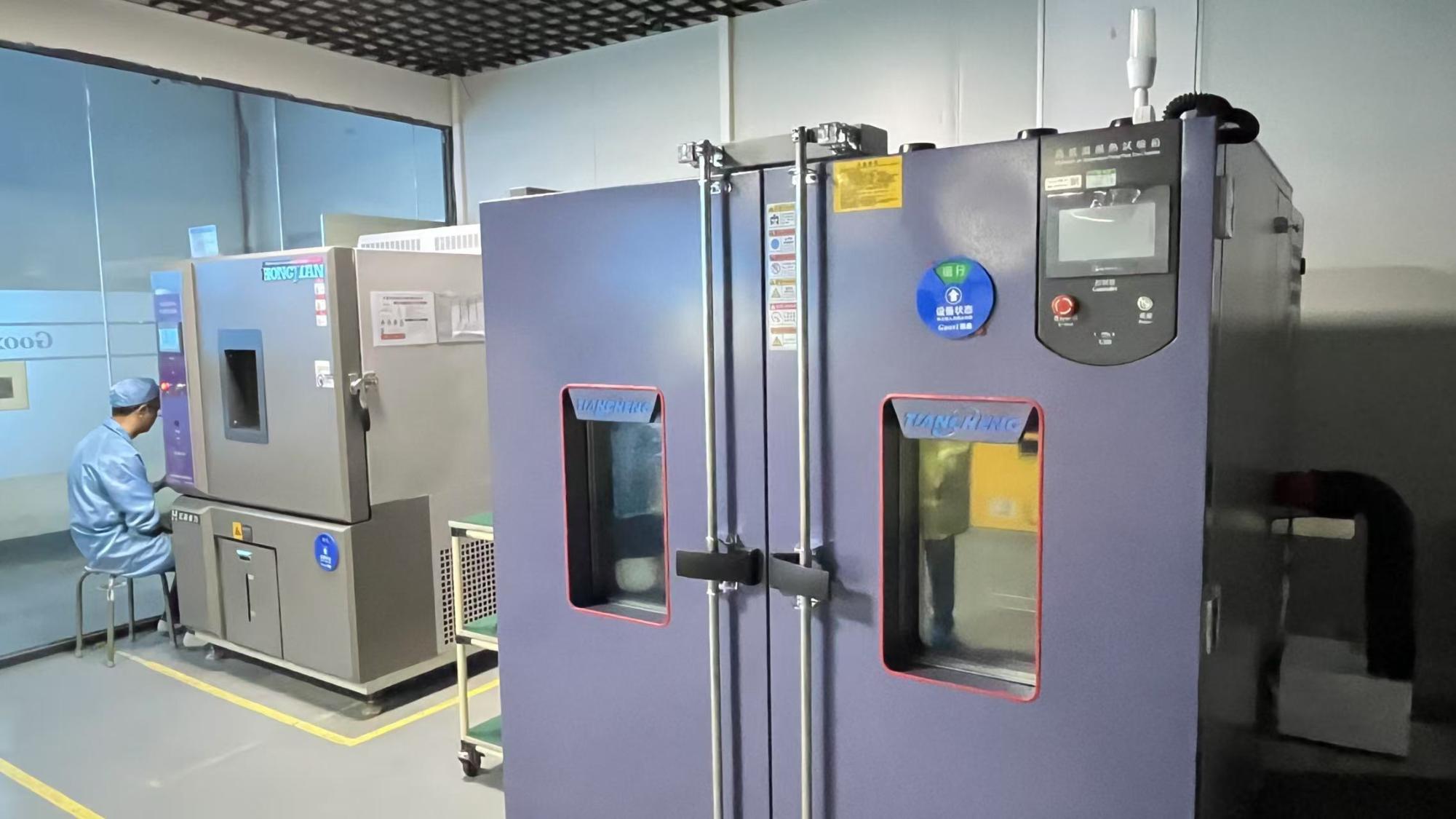
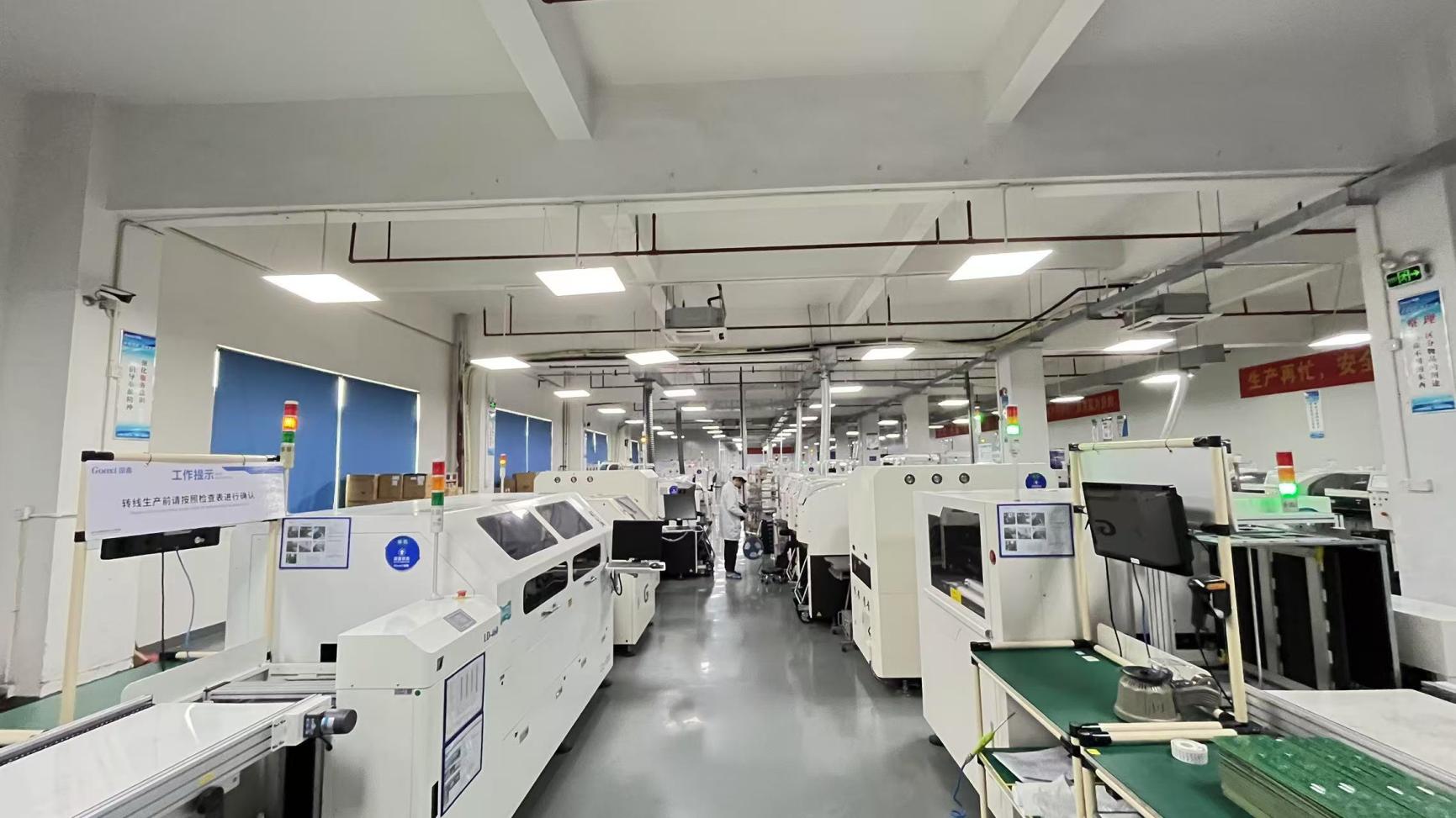
Our operation scale spans an advanced 8,500㎡ production facility, utilizing strict ISO9001-certified processes to fabricate connectors and transceivers that deliver flawless signal integrity under harsh environments. By deploying automated optical performance analyzers, environmental stress chambers, and manual QA checks, we secure absolute reliability for Tier-1 network architectures.
Unlocking superior signal density and thermal limits in high-speed optical transceivers and cage assemblies.
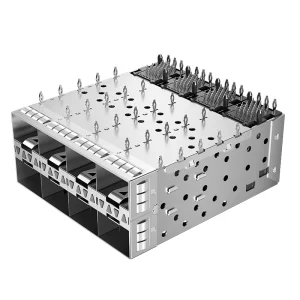
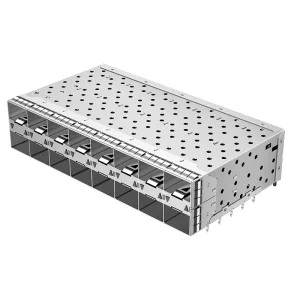
With data speeds migrating from 10G to 25G and SFP28 rates, high-frequency electromagnetic interference (EMI) presents a critical design challenge. Our metal cages (such as TE Compatible Press-Fit configurations) are constructed from high-grade copper alloys with nickel and tin platings. Equipped with spring fingers and elastomeric gaskets, these housings contain RF emissions and protect differential signaling lines from external crosstalk.
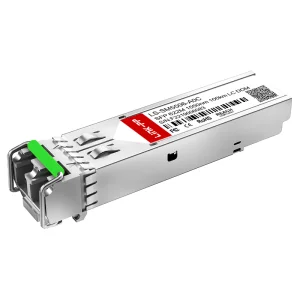
High-density network switches generate considerable heat load. Lumetra designs integrated heat sinks and light-pipe structures on press-fit SFP cages. By incorporating ventilation channels, heat is wicked away from the internal optoelectronics and laser diodes of the duplex LC SFP module, avoiding performance degradation, shift in laser wavelength, or micro-gap failures in card edges.
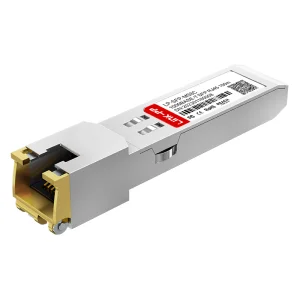
The mating cycle lifetime of card-edge SFP connectors determines the lifespan of networking chassis. We engineer SFP module connectors with selective gold plating (typically 15μ" to 30μ" thickness) on contacts. This prevents fretting corrosion over hundreds of insertion/extraction cycles, ensuring stable contact resistance (less than 10mΩ) under operational thermal cycles.
Operating out of our centralized production hub in China, Lumetra provides global enterprises with unmatched production speed and cost efficiencies. Our integration with over 1,200 reliable supply chain partners guarantees that raw materials, machined copper components, PCB assemblies, and optics are always readily available. This mitigates geopolitical supply disruptions and keeps production lead times within market-leading margins.
Every year, we introduce approximately 220 new products, indicating our agile R&D team's capacity to adjust designs according to evolving standards (such as SFP28, QSFP56, and OSFP). Our 48 trained quality inspectors manage fully-automated inline test platforms, monitoring optical yield and performance across every single component.
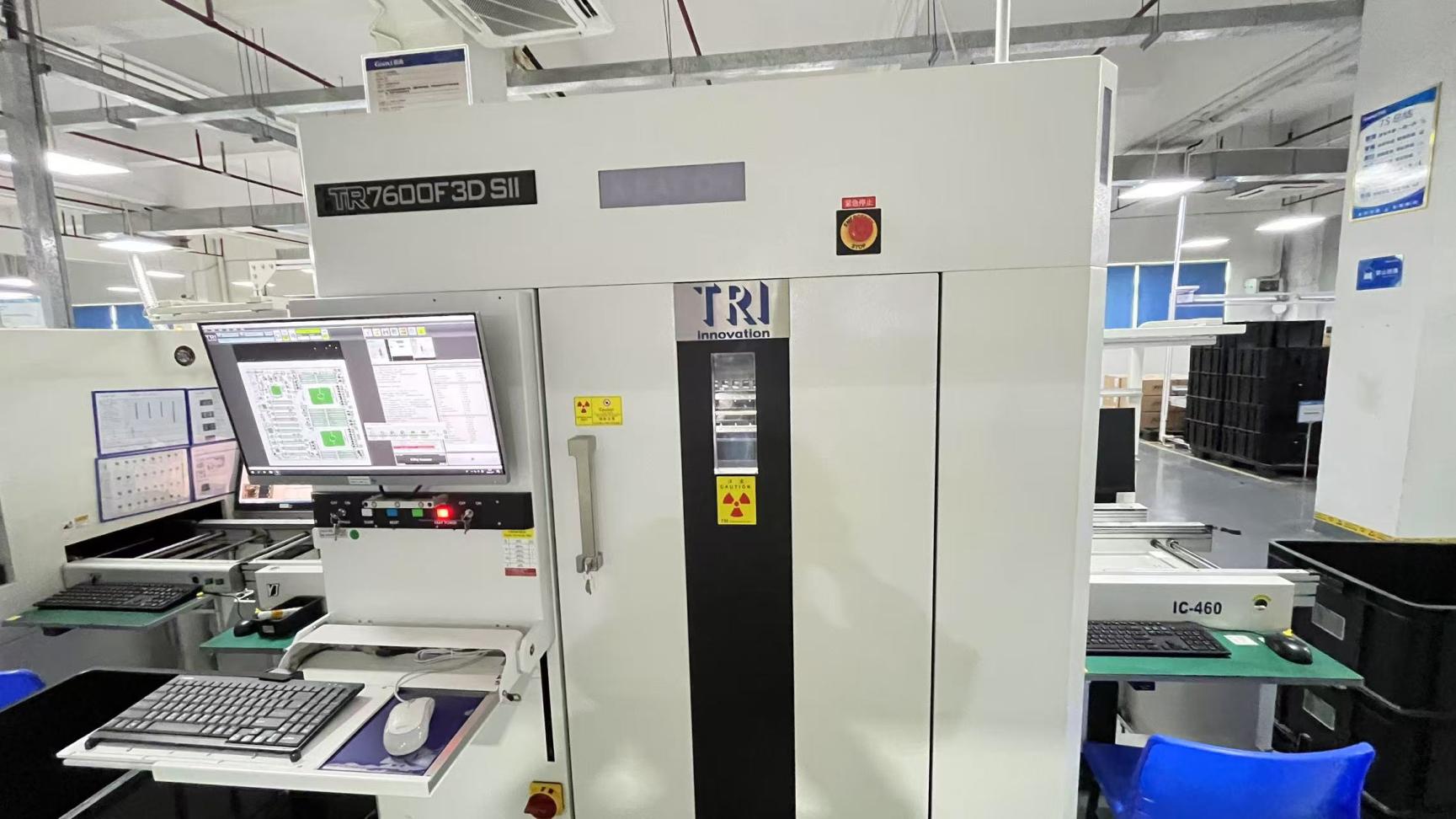
Our QA teams utilize state-of-the-art diagnostic instruments to verify connector integrity and transceiver performance before export:
| Test Metric | Methodology |
|---|---|
| Optical Eyes Diagram | Confirms signal integrity & pulse amplitude stability. |
| Temperature Cycling | Operates connectors in -40°C to +85°C conditions. |
| Contact Resistance | Checked to guarantee zero micro-interruptions over time. |

Meeting the demanding requirements of telecom carriers, cloud integrators, and systems manufacturers.
Global systems integrators must balance cost boundaries with stringent technical expectations. In telecom and cloud data networks, a minor physical link failure can result in costly network outages. Lumetra addresses these challenges through custom OEM/ODM parameters:
Tailoring transceiver hardware, protocol support, and mechanical housings to your target specifications.
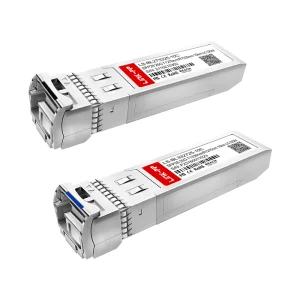
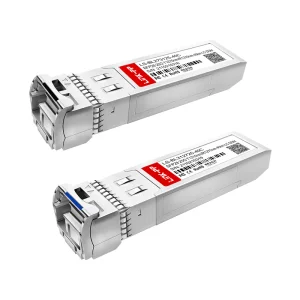
Designing customized bidirectional transceivers (BiDi) utilizing wavelength multiplexing (e.g., 1270nm/1310nm) to double optical fiber capability on existing fiber runs.
Adapting SFP transceiver microcontrollers to process non-standard protocol registers, allowing compatibility with proprietary industrial and military communication switches.
Integrating custom light pipes, tab orientation variants (tab up or down), low-profile heights for tight enclosures, and specialized PCB tail dimensions for wave-soldering processes.
Technical answers to key structural, electrical, and compatibility questions commonly raised by system designers.
EMI shielding in SFP+ and SFP28 cages utilizes conductive elastomeric gaskets or spring fingers that form solid grounding contacts with the bezel cut-out of the equipment panel. This structure reduces high-frequency radiation leakage, ensuring high-speed differential signals remain clean and immune to adjacent line crosstalk, maintaining low Bit Error Rates (BER).
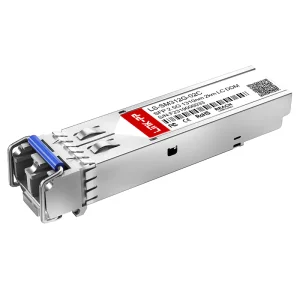
Single-Mode SFP modules operate over a narrow light path (typically 9μm core diameter) using laser wavelengths (1310nm or 1550nm) to reach longer distances up to 20km to 100km. Multi-Mode SFP modules use a larger core diameter (50μm or 62.5μm) operating at 850nm wavelengths, making them ideal for short-reach systems like corporate networks or local storage area networks up to 500m.
Our firmware engineers extract vendor codes from original equipment transceivers. We program our custom SFP controllers' EEPROM to match these exact signatures, checksums, and vendor registers. This ensures host switches recognize the module as compatible, bypassing warnings or port shut-offs.
Press-fit SFP cages use compliant pins pressed into plated-through holes on the system PCB. This solder-less technique avoids thermal stress during PCB assembly, guarantees reliable mechanical retention, simplifies replacement, and provides a continuous ground path for improved EMI management.
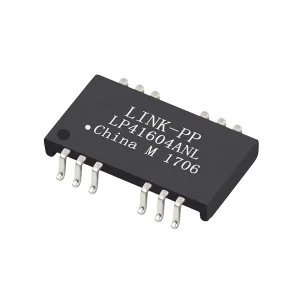
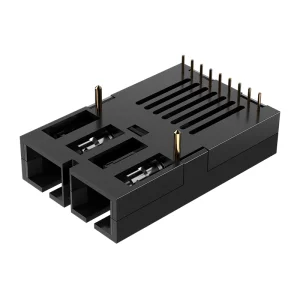
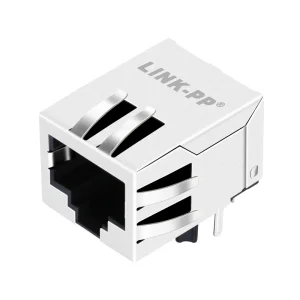
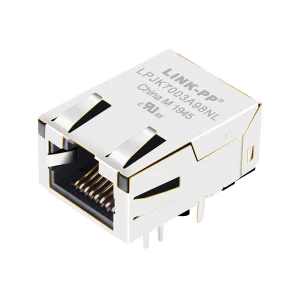
Browse our selection of specialized fiber optic, magnetic, and copper RJ45 modular jacks.