Lumetra
Lumetra
Lumetra
Providing B2B clients with specialized structured copper and optical interconnect solutions backed by certified design practices and scaled factory facilities.
Lumetra Optoelectronics Technologies Co., Ltd. is a high-speed networking components manufacturer specialized in high-performance transceivers, structured modular jacks, and integrated magnetics for modern cloud infrastructure, enterprise networks, and telecom systems. Since its establishment in 2016, Lumetra has scaled from a regional technology lab into a major export facility. By combining 11 years of engineering expertise with 7 years of specialized B2B export operations, the company offers tailored OEM and ODM solutions to meet strict global specifications.
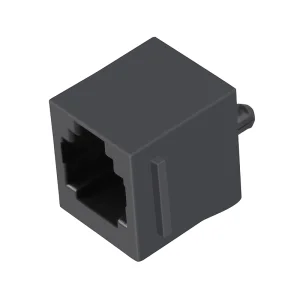
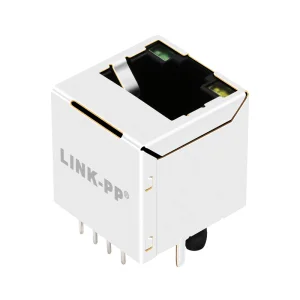
Modern networks require seamless physical-layer performance. This demands Cat6 RJ45 modular jacks and integrated transceivers built to prevent crosstalk (NEXT/FEXT) and structural return loss. Lumetra addresses this through advanced component engineering, offering customizable pinout configurations, gold plating options (up to 50 micro-inches), and EMI-shielded metal housings. This ensures clean signals in high-density rack configurations.
Analyzing current global demand pathways for enterprise networking hardware across diverse regulatory regions.
Focuses heavily on data center standards, PoE++ (Power over Ethernet) compatibility, and compliance with ANSI/TIA-568.2-D. System integrators require low-smoke halogen-free (LSZH) materials and certified 50μ" gold-plated connectors for critical infrastructure.
Driven by RoHS, REACH, and EN 50173 standards. There is a strong preference for shielded (STP) solutions to manage electromagnetic interference in industrial and smart building networks.
Rapidly growing industrial parks and smart city initiatives require high-density modular patch panels, rugged field-termination plugs, and high-frequency magnetics to handle extreme temperatures and humidity.
Our presence in these regions allows us to align production with specific local needs. In the US, this means designing high-reliability RJ45 solutions compatible with PoE lighting and building automation. In Europe, it translates to providing detailed documentation on material compliance.
A comparative look at performance metrics, limits, and environmental parameters for modern copper networks.
To select the right networking components, it helps to understand the performance differences between categories. Below is a comparative overview highlighting why Cat6 remains the standard for modern gigabit local area networks:
Frequency: Up to 100 MHz
Max Data Rate: 1 Gbps @ 100m
Crosstalk Control: Minimal spacing requirements. Suitable for simple gigabit networks but prone to noise in high-density applications.
Frequency: Up to 250 MHz
Max Data Rate: 1 Gbps @ 100m / 10 Gbps @ 55m
Crosstalk Control: Utilizes physical separators (splines) and tight wire twists to reduce NEXT and FEXT in industrial setups.
Frequency: Up to 500 MHz
Max Data Rate: 10 Gbps @ 100m
Crosstalk Control: Requires individual shielding (STP) for each pair, along with a drain wire, to prevent Alien Crosstalk (ANEXT).
As an OEM/ODM manufacturer, we design our connectors to exceed standard requirements. Our Cat6 RJ45 jacks feature precise lead-frame layouts and integrated magnetic filtering. This ensures reliable performance even when deployed close to high-voltage equipment on industrial floors.
How our team of 86 R&D engineers designs custom connector interfaces for specialized data architectures.
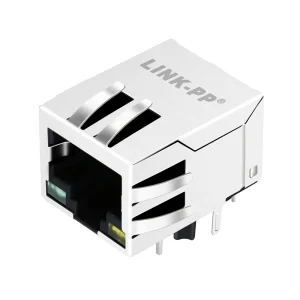
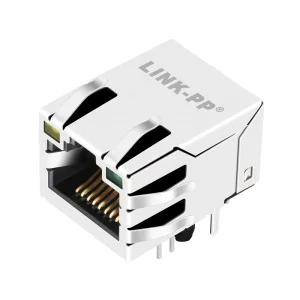
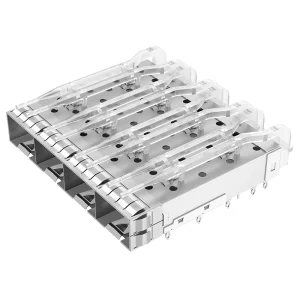
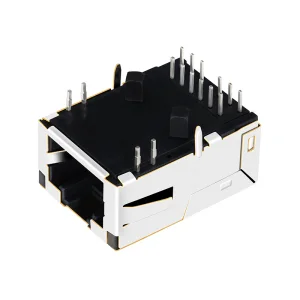
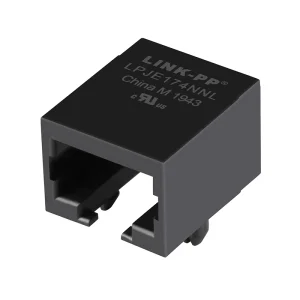
We offer structural options including low-profile vertical jacks, right-angle connectors, multi-port gang configurations (e.g., 1x4, 2x8), and integrated LED indicators. These help engineers optimize board space on network switch PCBs.
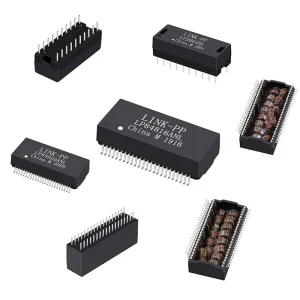
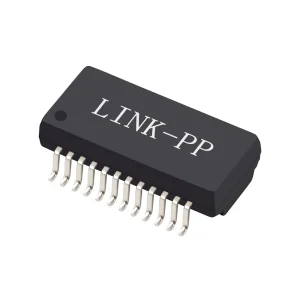
Our connectors can include integrated Ethernet transformers (such as the HST-48006SR series). These protect devices from common-mode noise and voltage surges while ensuring consistent gigabit performance.
Our custom design process goes beyond structural layouts. We analyze high-frequency signals using advanced simulation software to evaluate return loss and insertion loss up to 250 MHz. This ensures that every ODM design meets compliance standards before tooling begins, reducing development cycles for our customers.
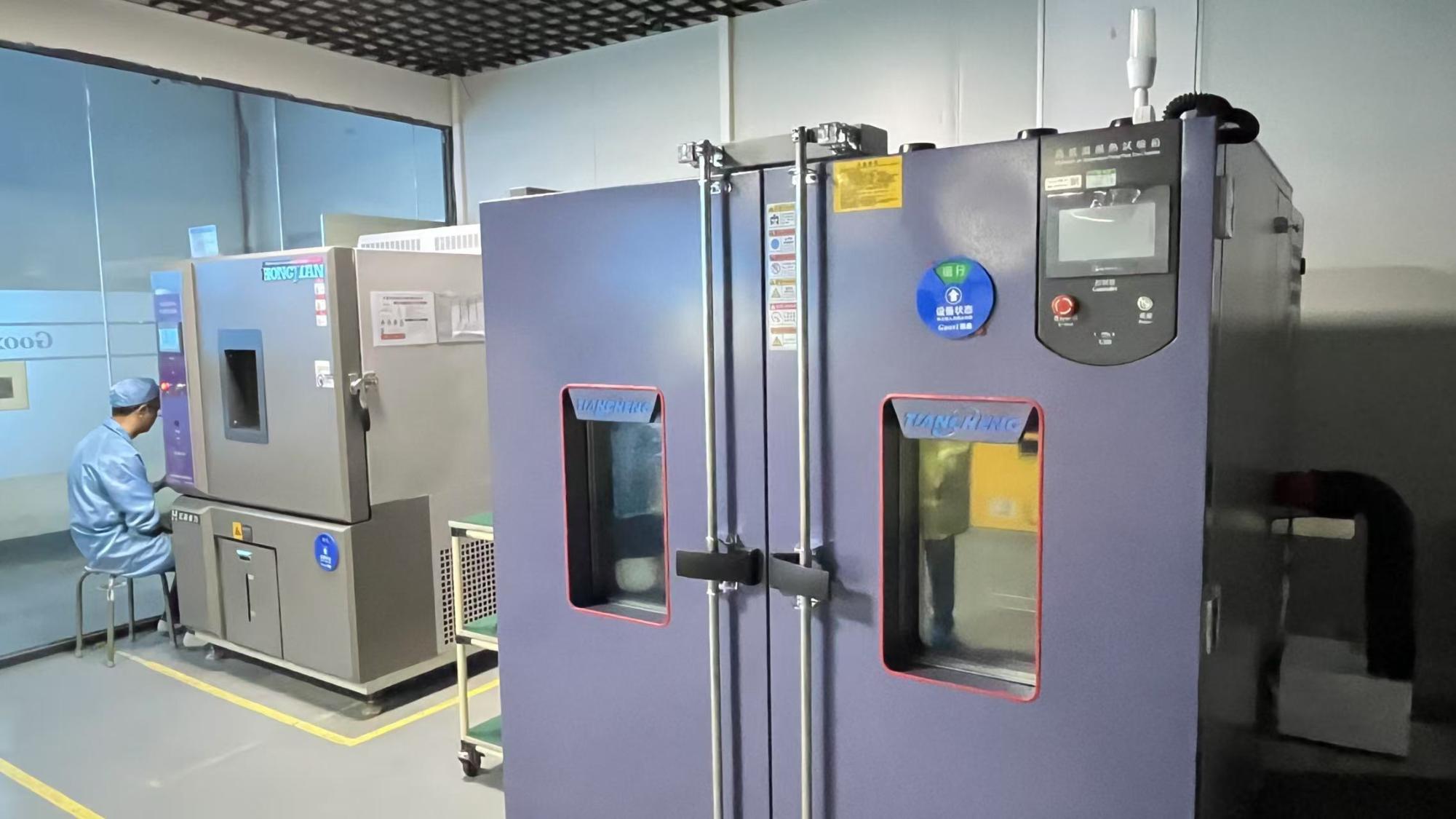
Inside Lumetra's testing facility: ensuring stable operation across varying network conditions.
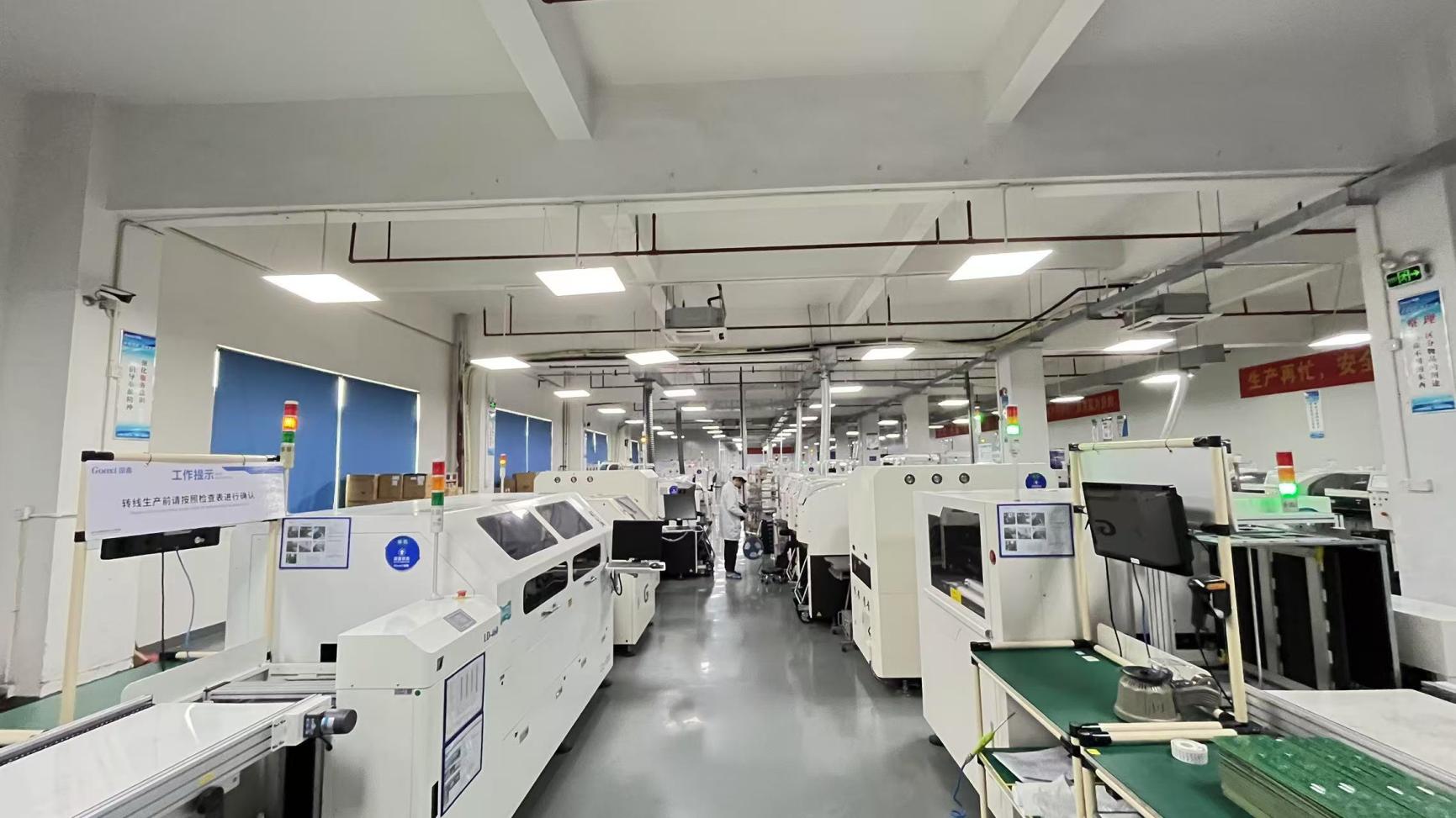
To maintain consistent quality, we employ 48 dedicated QC inspectors who oversee production from incoming raw materials to final packaging. Using a mix of automated and manual inspection steps, we ensure all components meet the durability required for long-term deployments.
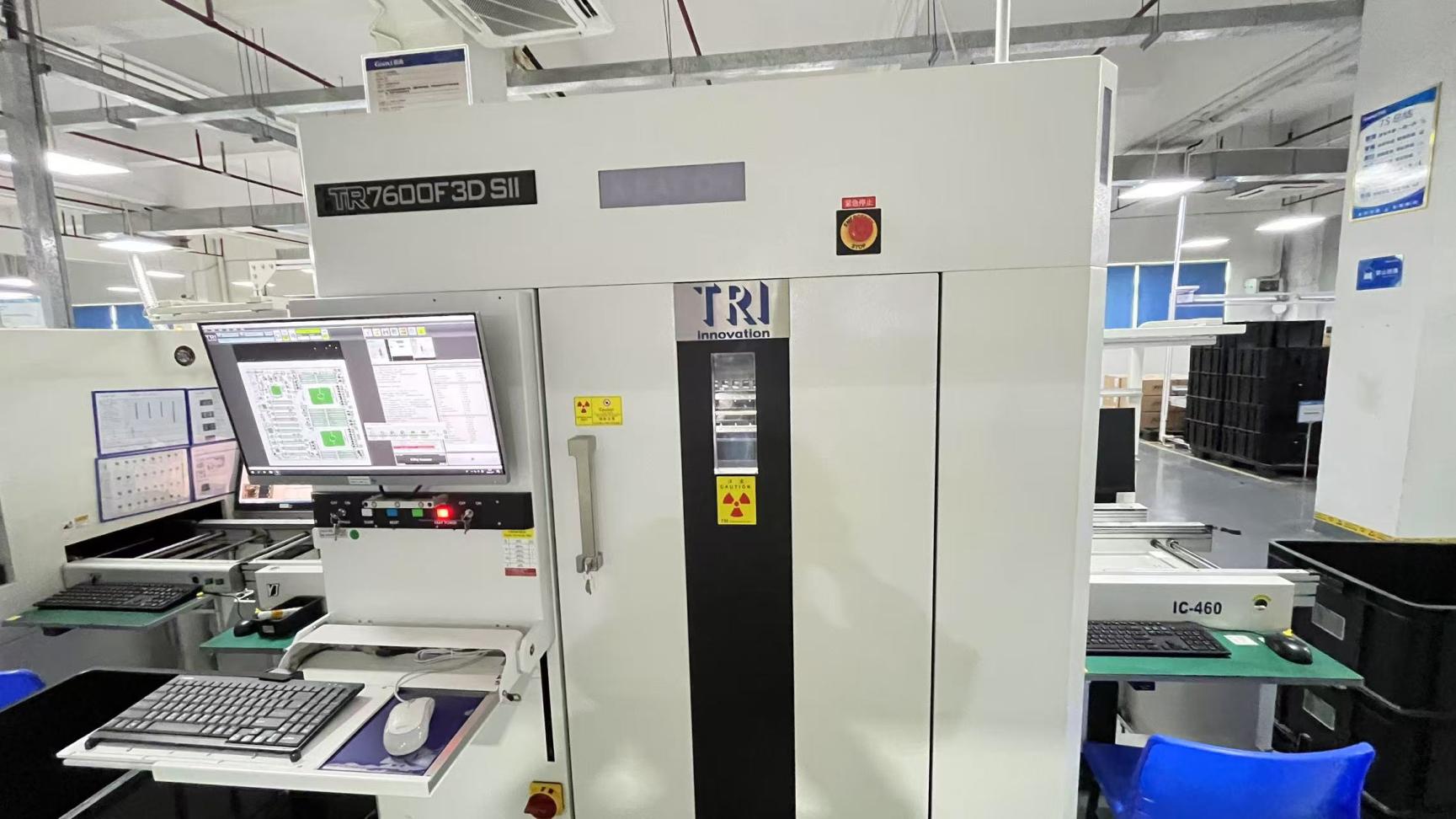
Automated optical inspection (AOI) systems verify mechanical dimensions, solder joints, and contact alignment, reducing assembly defects on high-density PCBs.
Connectors undergo thermal shock and humidity testing to verify performance in demanding environments, ensuring stable contact resistance over time.
We use Fluke analyzers and network validation systems to test for insertion loss and NEXT limits, certifying every production run for high-frequency applications.

Bridging the gap between optical backbones and copper networks in modern edge architectures.
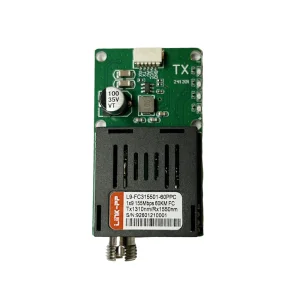
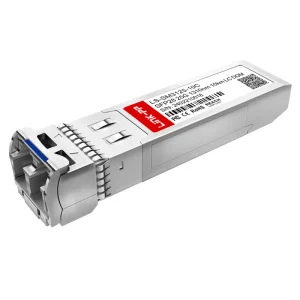
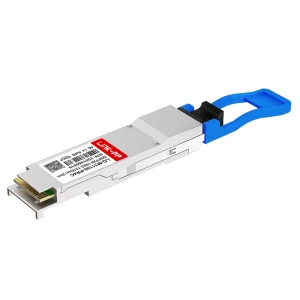
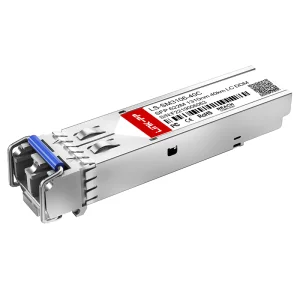
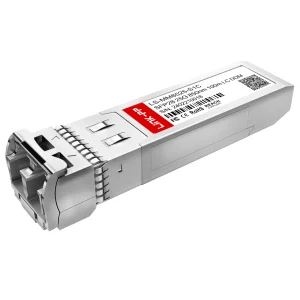
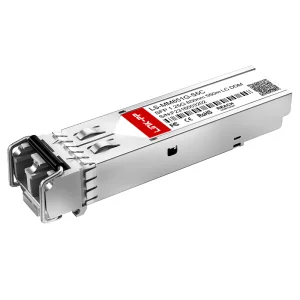
Modern networks rarely rely on a single medium. High-speed transceivers (such as our 25G SFP28 and 100G QSFP28 modules) handle core data center routing, while copper systems are used for local distribution, edge devices, and PoE applications. Our ability to supply both product categories simplifies procurement for global system integrators.
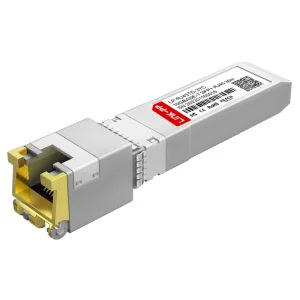
Additionally, our 10G Base-T SFP+ copper modules plug directly into optical SFP+ ports. This allows operators to run high-speed copper connections over existing Cat6/Cat6A cabling, extending the life of current copper infrastructure while preparing for future upgrades.
Frequently asked questions by engineering and procurement teams evaluating high-speed connector options.