Lumetra
 Optoelectronics Technologies Co., Ltd. is a professional manufacturer specializing in high-speed optical transceivers and fiber optic communication solutions for datacom, telecom, and cloud infrastructure applications. Founded in 2016, the company has developed into a reliable supplier with strong engineering capabilities and global export experience.
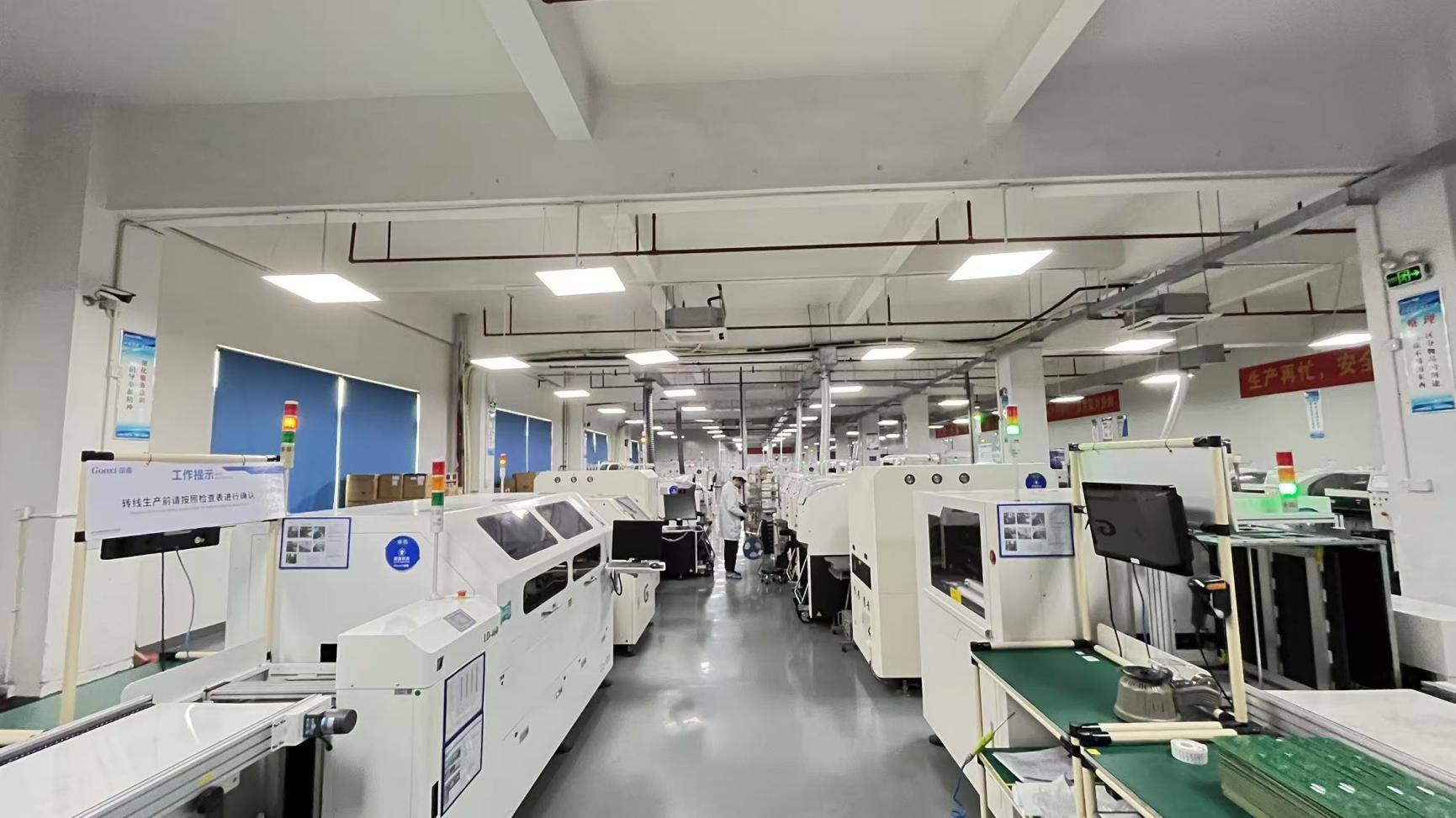
The company operates a production facility covering approximately 8,500㎡, supporting efficient manufacturing and quality-controlled assembly processes. With annual export revenue reaching around USD 18 million, Lumetra has built stable international business channels and accumulated 7 years of export experience, backed by 11 years of overall industry expertise.
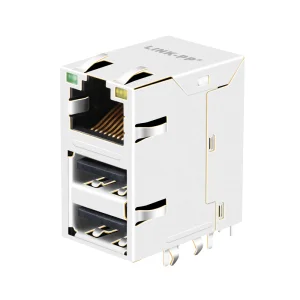
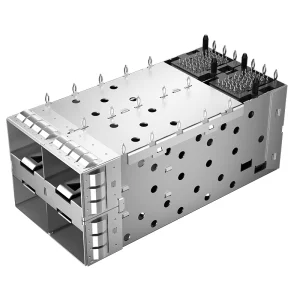
For buyers sourcing hardware for load balancer, ADC and SDN platforms, this depth of manufacturing experience matters: the optical layer, the copper interface layer and the physical cage layer of an application delivery controller all originate from the same class of precision component supply. A reliable OEM/ODM partner removes the integration risk that sits behind every high-availability deployment.
With strong R&D capability, Lumetra supports advanced customization including protocol compatibility, wavelength tuning, form factor adaptation, and power optimization. The company employs 86 R&D engineers focused on optical design, hardware development, and signal integrity optimization.
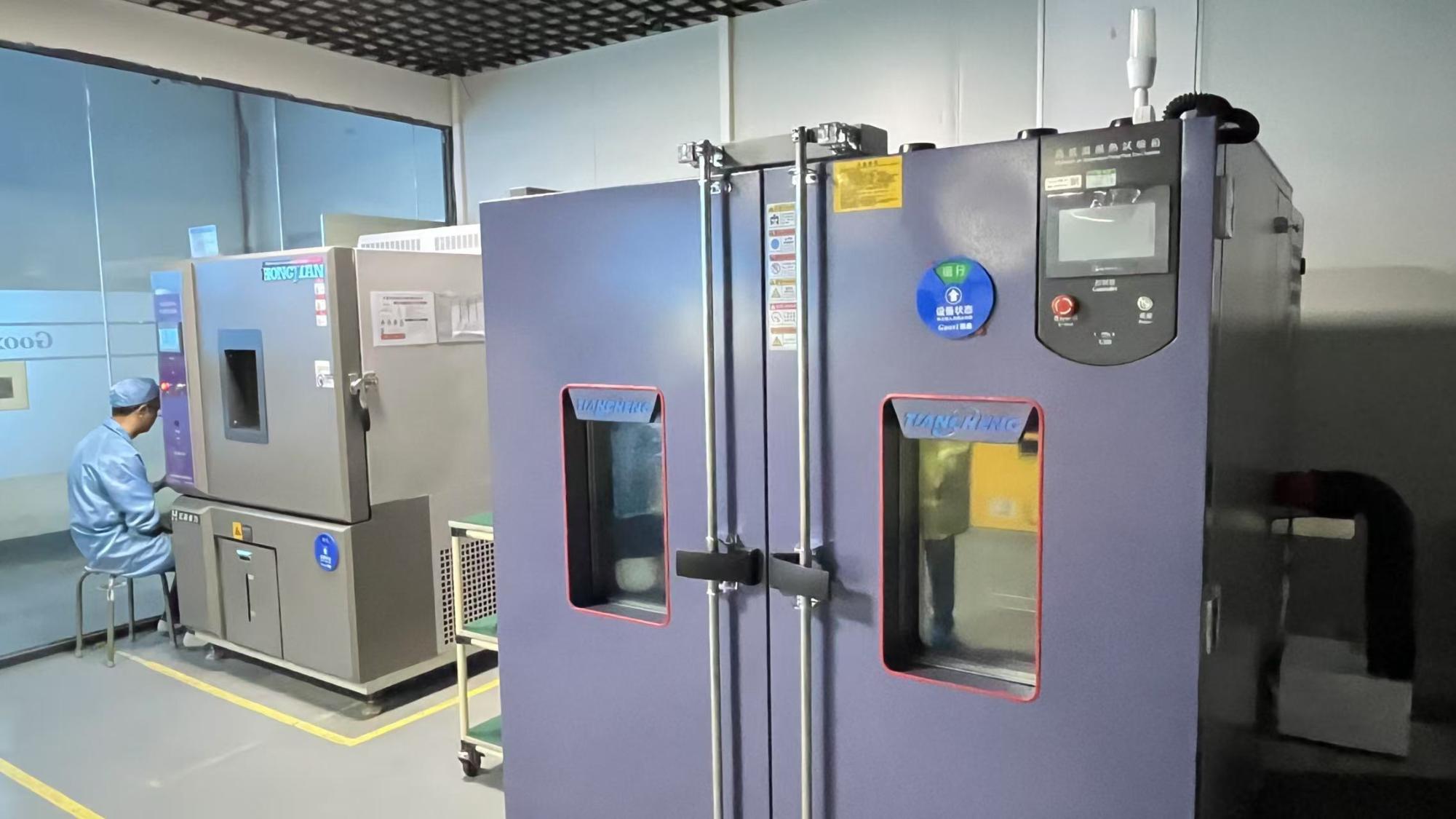
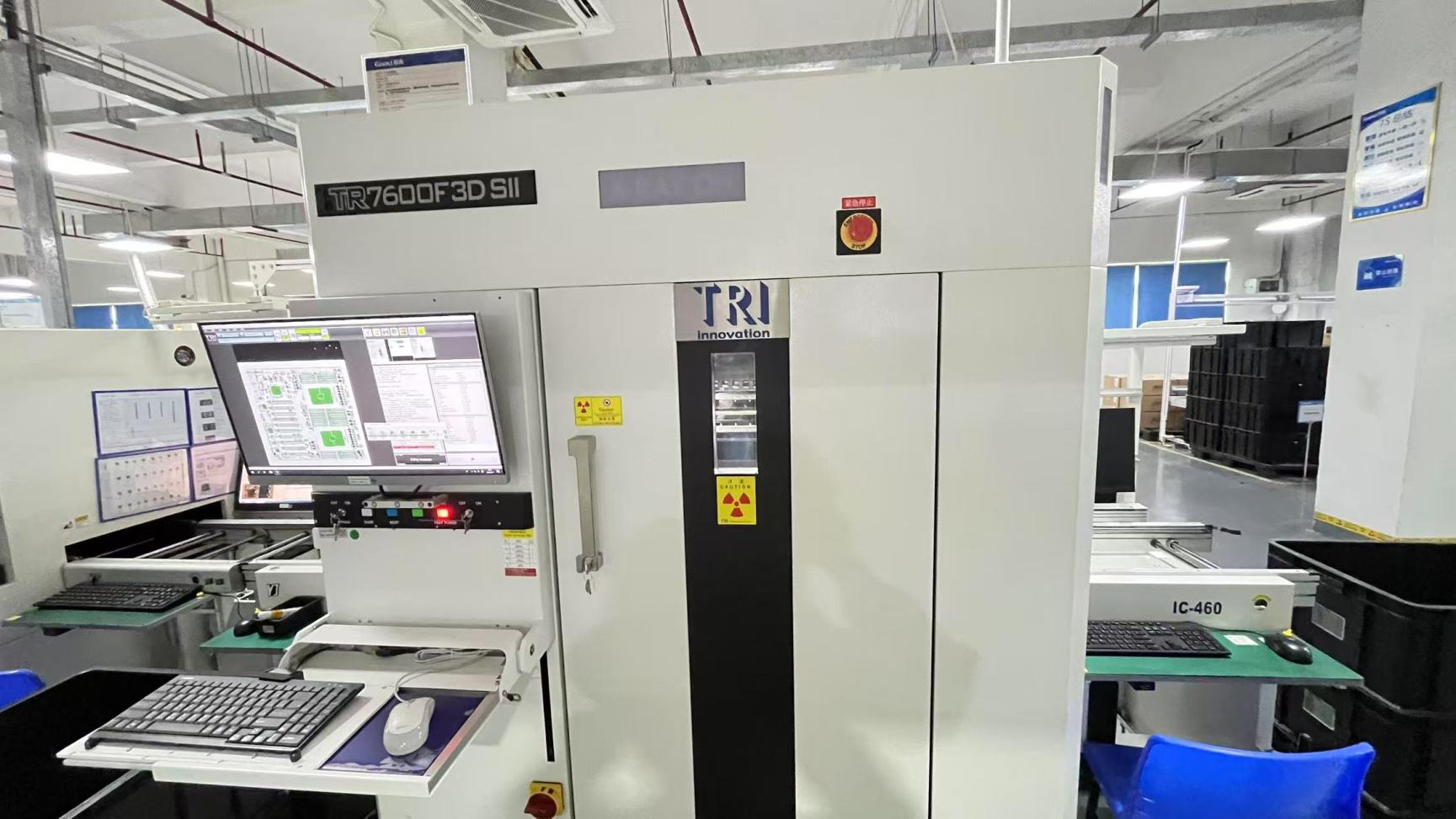
Quality assurance is maintained through a combination of automated optical performance testing, environmental stress screening, and manual inspection processes. The quality control team consists of 48 trained inspectors ensuring strict compliance with international standards.
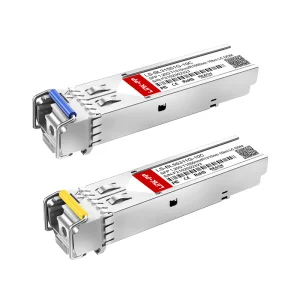
In the past year, Lumetra launched approximately 220 new products, reflecting its continuous innovation in high-speed optical communication technologies — from 1G BiDi SFP to 100G QSFP28 and the cages that house them.
Lumetra maintains a diversified trade background with strong presence in OEM and ODM markets. Its primary markets include North America, Europe, Southeast Asia, and the Middle East, serving telecom operators, data center integrators, and network equipment distributors.
The company collaborates with over 1,200 supply chain partners to ensure stable component sourcing and manufacturing efficiency. Its customer base mainly includes telecom carriers, hyperscale data centers, system integrators, and optical network equipment brands.
From private-label branding to full ODM design of interconnect modules, Lumetra's manufacturing model is purpose-built for network appliance brands that need consistent quality, predictable lead times and engineering documentation.
Load balancers are no longer a single appliance category — they underpin traffic distribution everywhere, from regional colocation facilities to edge racks and campus networks. The components inside each deployment vary significantly by region, and understanding those differences is central to selecting the right OEM/ODM partner.
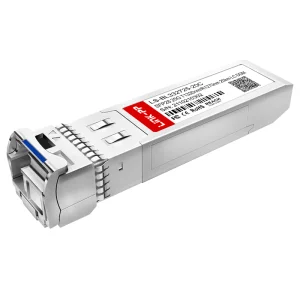
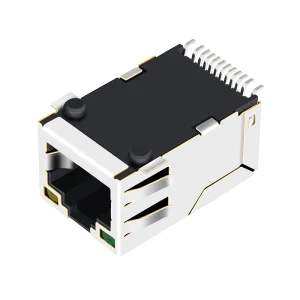
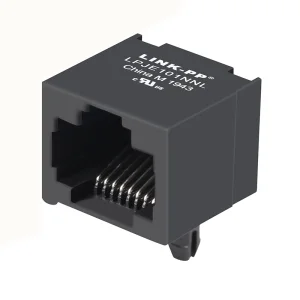
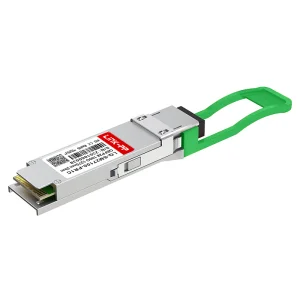
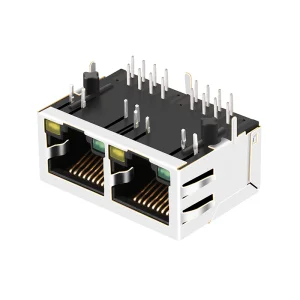
High-density 25G/100G top-of-rack switching at colocation and hyperscale edge nodes depends on 25G SFP28 BiDi modules and 100GBASE-FR QSFP28 optics for 2 km reaches between load-balanced leaf-spine fabrics. SMT RJ45 jack deployments support out-of-band management on rack management switches.
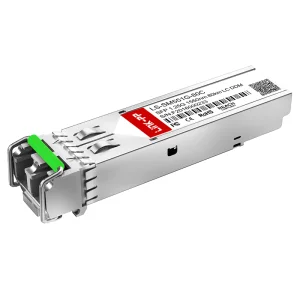
European telecom operators adopt 1000BASE-ZX SMF 1550nm 80km SFP modules for metro aggregation. Compliance with regional data protection and network accessibility regulations drives demand for documented component traceability and RoHS-conformant product families.
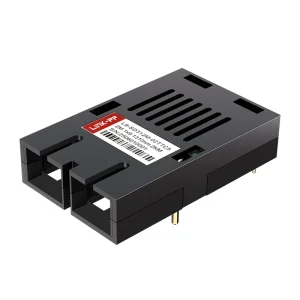
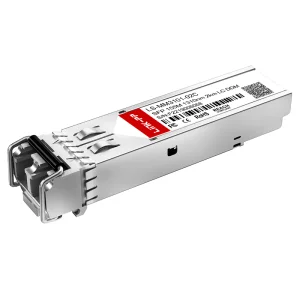
Cost-sensitive 1.25G and 10G connectivity with 2 km multimode reach is ideal for campus and ISP edge load balancing. 1.25G 1310nm Duplex SC MMF modules remain a workhorse for short-reach aggregation in newly built regional POPs.
Ambient temperatures above 45°C challenge SFP thermal management. Environmental stress screening and power optimization in optical design enable long-life operation in desert-region telecom shelters and outdoor cabinets supporting load-balanced utility and smart-city networks.
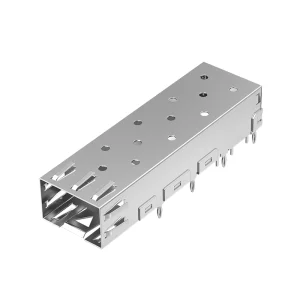
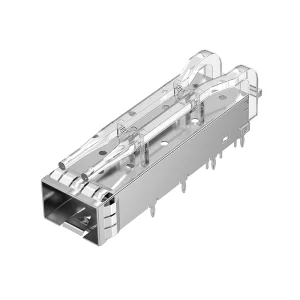
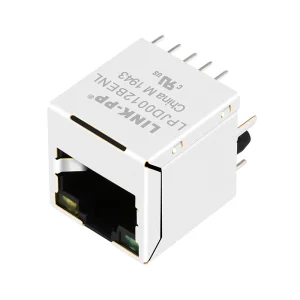
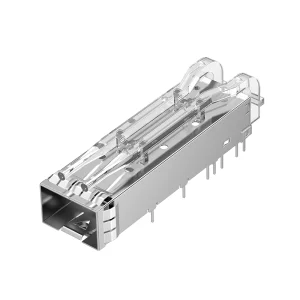
Vertical RJ45 connectors and magnetic jacks enable compact faceplate designs for branch-level load-balancing appliances, while EMI-shielded SFP cages protect signal integrity in dense 1U chassis.
Programmable 25G/100G spines require protocol-compatible transceivers and cages, with wavelength tuning enabling optical layer optimization for software-defined load distributors.
The load balancer's traffic envelope grows roughly in step with the interconnection speed of the network it protects. Understanding the technical roadmap helps procurement teams plan a multi-generation sourcing strategy rather than a one-off purchase.
1G BiDi SFP, 25G SFP28 BiDi, 100GBASE-FR QSFP28 and compatible 1x9/SC modules provide predictable interoperability across major switch ASICs. This is the volume tier for OEM/ODM demand today.
As 400G backbone links become standard in hyperscale data centers, leaf-spine load balancers will adopt short-reach 400G optics. Bidirectional (BiDi) designs will continue to double fiber capacity in regions where fiber duct is expensive.
Linear pluggable optics (LPO) and co-packaged optics (CPO) reduce DSP power consumption. The factory roadmap focuses on form factor adaptation and power optimization — capabilities Lumetra's engineering team already provides in custom projects.
AI inference clusters drive east-west traffic across load-balanced GPU fabrics, increasing demand for 800G+ optics and low-latency interconnect. Future factories will integrate automated optical test with digital twin simulation to shorten qualification cycles.
Load balancer brands facing volatile replacement cycles benefit from a resilient component supply chain. China's optoelectronics manufacturing clusters offer three structural efficiencies that directly affect OEM/ODM timelines and total cost of ownership.
Over 1,200 supply chain partners within a single optoelectronics cluster means components, cages, connectors and PCBA services are co-located. Sourcing lead time for a new load balancer BOM can shrink dramatically when supplier switching is a days-long process rather than a months-long one.
Optical design, hardware development, signal integrity optimization and assembly under one 8,500㎡ facility reduce handoff risk. Automated optical performance testing and environmental stress screening happen on-site, eliminating third-party test bottlenecks.
Launching approximately 220 new products per year demonstrates a manufacturing system built for rapid iteration. For OEM/ODM buyers, this means faster qualification of replacement optics for end-of-life load balancer modules and faster NPI for new product lines.
A 7-year export track record with annual export revenue of USD 18 million indicates mature documentation, packaging and customs processes supporting North America, Europe, Southeast Asia and the Middle East simultaneously.
48 trained QC inspectors combined with automated testing cover the 1G→100G product range, including the 2x2 EMI-shielded SFP+ cage and single-port press-fit cages required by multi-port load balancer chassis.
Branded production for established network equipment vendors and full ODM design for new market entrants offer flexibility depending on customer maturity and market entry strategy.
Data center expansion, edge computing buildout, and the transition to 25G/100G access are the major forces increasing load balancer component demand. Each application delivery controller chassis requires dozens of transceivers and cages, creating a stable replacement market regardless of new-build cycles.
China remains the dominant optoelectronics manufacturing base, while regional assembly in Southeast Asia is expanding. Buyers frequently dual-source: high-value advanced optics from China, with regional facilities providing local inventory buffers.
Procurement teams increasingly prioritize total cost of ownership over unit price, factoring in qualification time, failure rates and replacement logistics. Compliance documentation and predictable lead times often weight more heavily than a marginal price advantage.
Load balancers must operate in high-availability pairs; a single transceiver failure at peak traffic can trigger failover events that disrupt sessions. This drives demand for environmental stress screening and component traceability from factory to rack.
Quality control follows internationally recognized optical performance and environmental stress standards, supported by 48 trained inspectors and documented test protocols for each production batch.
RoHS-aligned material selection and packaging practices support regional procurement requirements in Europe and North America, where regulated substance documentation is commonly required for network hardware refresh programs.
Protocol compatibility and form factor adaptation engineering ensures modules and cages interoperate with established switch and load-balancer platforms, reducing the qualification burden on customer engineering teams.
Customers in North America, Europe, Southeast Asia and the Middle East are supported by engineering documentation and technical communication channels aligned with standard procurement workflows.
Component traceability supports RMA processes and field failure analysis, helping load balancer operators maintain accurate warranty records and audit trails.
OEM labelling, packaging and documentation are supported to match regional labeling requirements and distributor expectations.

An OEM factory manufactures transceivers, RJ45 magnetic jacks and cages to your specifications under your brand. An ODM factory designs and develops the product itself, then allows you to label and market it. Lumetra maintains a diversified trade background with strong presence in both OEM and ODM markets.
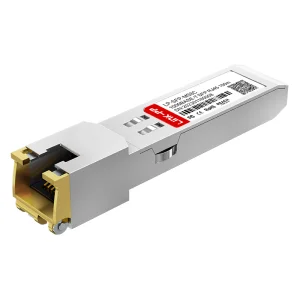
Typical load balancer chassis use 1G BiDi SFP, 25G SFP28 BiDi, 100GBASE-FR QSFP28 and 1000BASE-T SFP copper modules, depending on port density and reach requirements. Multimode 1.25G modules remain common for short aggregation runs.
Yes. With 86 R&D engineers, Lumetra supports advanced customization including protocol compatibility, wavelength tuning, form factor adaptation, and power optimization.
Quality assurance combines automated optical performance testing, environmental stress screening, and manual inspection. A quality control team of 48 trained inspectors ensures strict compliance with international standards.
The company operates a production facility covering approximately 8,500㎡, supporting efficient manufacturing and quality-controlled assembly processes with annual export revenue of around USD 18 million.
Yes. Lumetra has 7 years of export experience and 11 years of overall industry expertise, serving North America, Europe, Southeast Asia and the Middle East across telecom operators, data center integrators and network equipment distributors.
In the past year, Lumetra launched approximately 220 new products, reflecting continuous innovation in high-speed optical communication technologies.
Telecom carriers, hyperscale data centers, system integrators, and optical network equipment brands. The customer base includes load balancer and ADC vendors requiring reliable, standards-compliant interconnect hardware.