 Lumetra
Lumetra
Lumetra
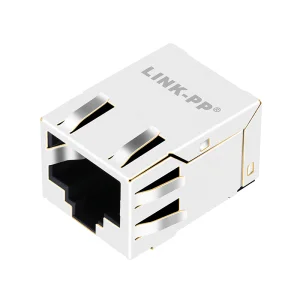
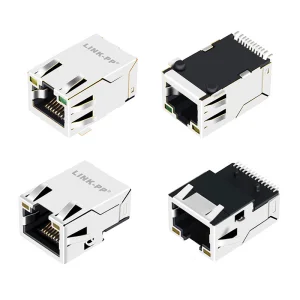
Low Profile RJ45 connector 8P8C SMT Top Entry Modular Jack 0855135109
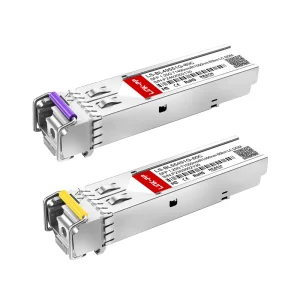
Simplex LC 1490nm/1550nm Bidirectional SMF Optical Transceiver Single Mode 1G BiDi SFP Module 80km
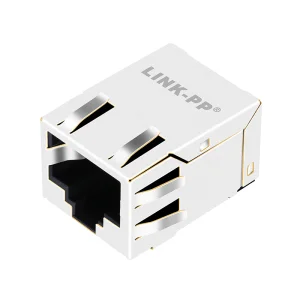
xmh-trjk2064aonl Single Port SMT RJ45 Modular Jack Connector
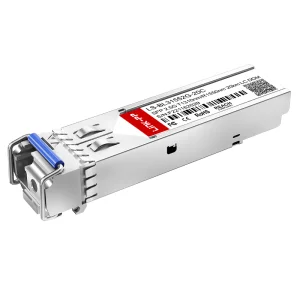
1310nm-TX/1550nm-RX Bidirectional Single Mode SFP 2.5G Bidi 20km LC Optical Transceiver Module
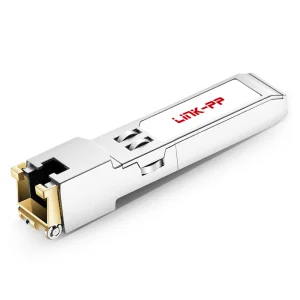
10GBASE-T SFP+ Copper RJ-45 100m Fiber Optical Transceiver Ethernet Module
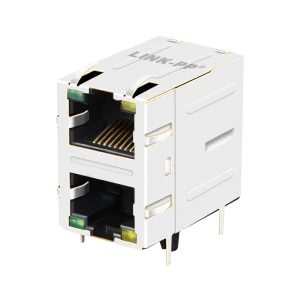
Multi Port 2 Port RJ45 Magjack Connector In Connectors 0879-2C1R-54
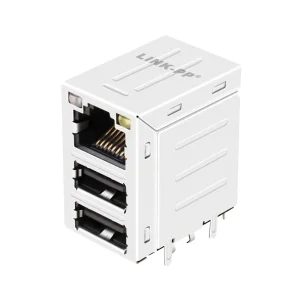
XFATM9-USBGY-4 RJ44-101DYD2 HY981141A With LEDs 100Base-T Dual USB RJ45 Sockets
In the rapidly evolving world of data centers, enterprise networking, and cloud computing architectures, the physical layer remains the fundamental anchor of data integrity. The RJ45 Network Interface Card (NIC)—ranging from copper-based PCIe adapters to high-performance SFP+ copper modules—serves as the primary link that bridges compute nodes with raw bandwidth. Selecting the right supplier is no longer just about price per unit; it is about performance sustainability, signal margin preservation, and supply chain continuity.
Modern Ethernet networks demand components that operate flawlessly at sub-microsecond latencies. This has led to a major transition toward integrated magnetics (Magjacks), advanced electro-magnetic interference (EMI) shielding fingers, and hybrid optical-electrical transceiver designs. While fiber optics dominate long-haul and inter-rack links, RJ45 copper connections (such as 10GBASE-T) remain the backbone of short-reach server-to-switch interconnects due to their cost-efficiency, backward compatibility, and physical resilience. Global system integrators must thoroughly assess supplier capabilities, verifying manufacturing precision down to the micro-inch of gold plating on interface contacts.
Established in 2016, Lumetra Optoelectronics Technologies Co., Ltd. represents the peak of manufacturing expertise, engineering excellence, and reliable supply chain integration in the network communication industry.
Specializing in high-speed optical transceivers, copper SFP modules, and high-performance RJ45 connector components, Lumetra has built a solid reputation serving datacom, telecom, and enterprise cloud infrastructures worldwide. By controlling the complete product cycle—from raw material testing to automated validation—Lumetra guarantees that every batch conforms to strict international tolerances.
Our team of 86 engineers optimizes protocol compatibility, wavelength tuning, form factor adaptations, and power efficiencies to keep up with industry evolution.
With a robust network of over 1,200 trusted supply chain partners, we ensure component availability and minimize lead times even during market surges.
Our quality assurance program utilizes automated optical testing, environmental stress screening, and manual oversight by 48 specialized inspectors.
Backed by 7 years of export history, we manage overseas operations smoothly, generating $18 million in annual export sales across North America, Europe, and Asia.
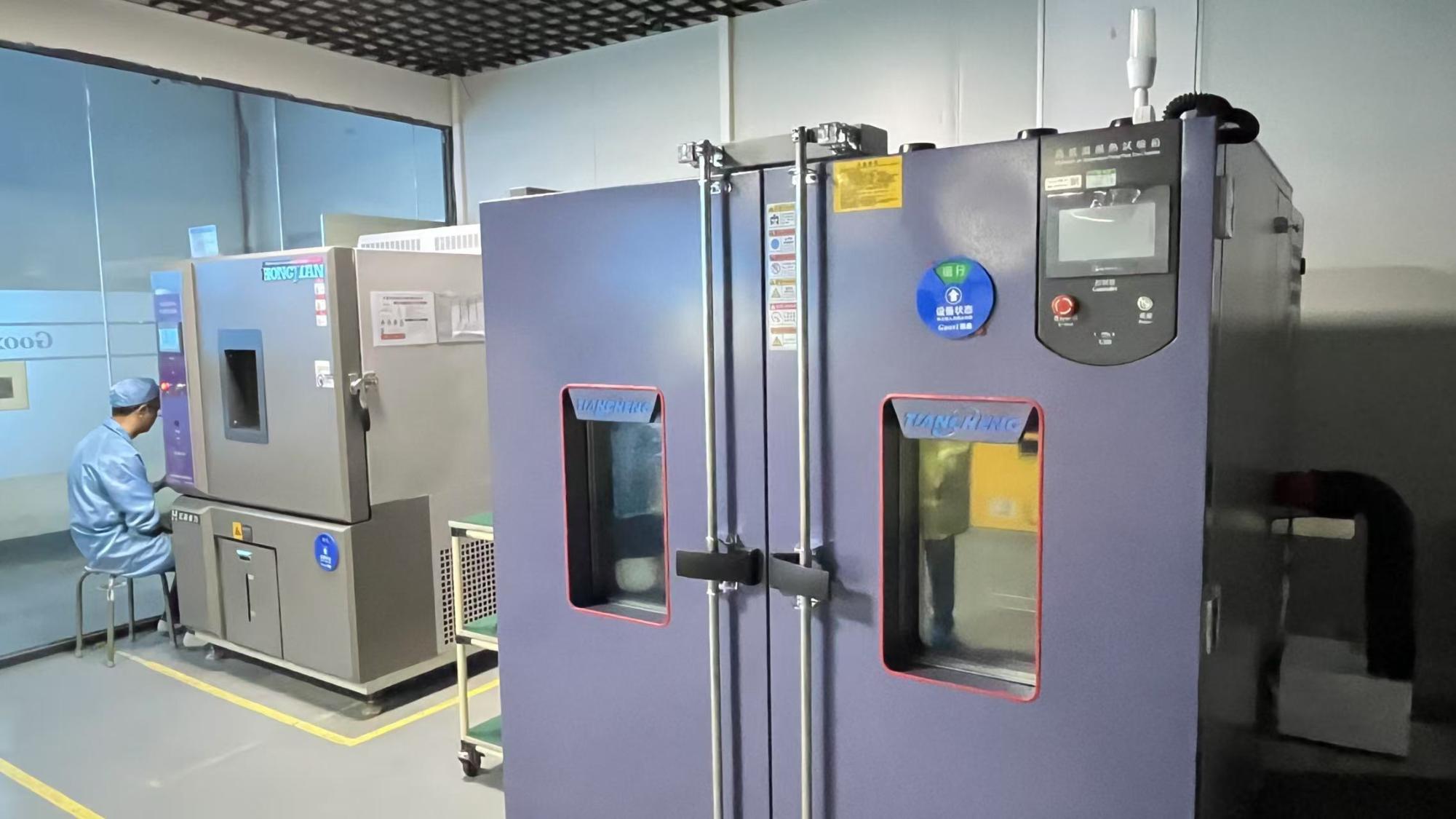
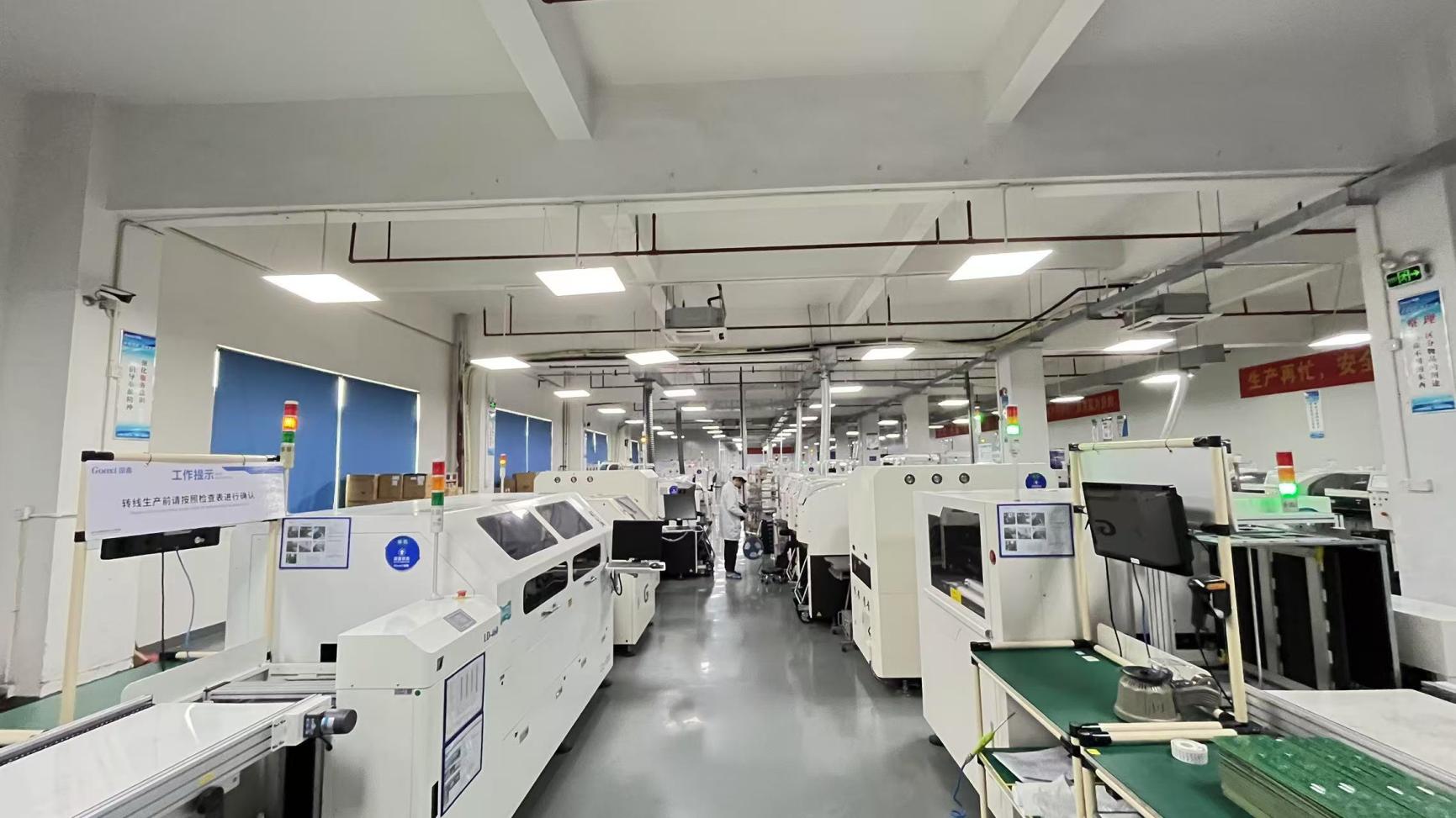
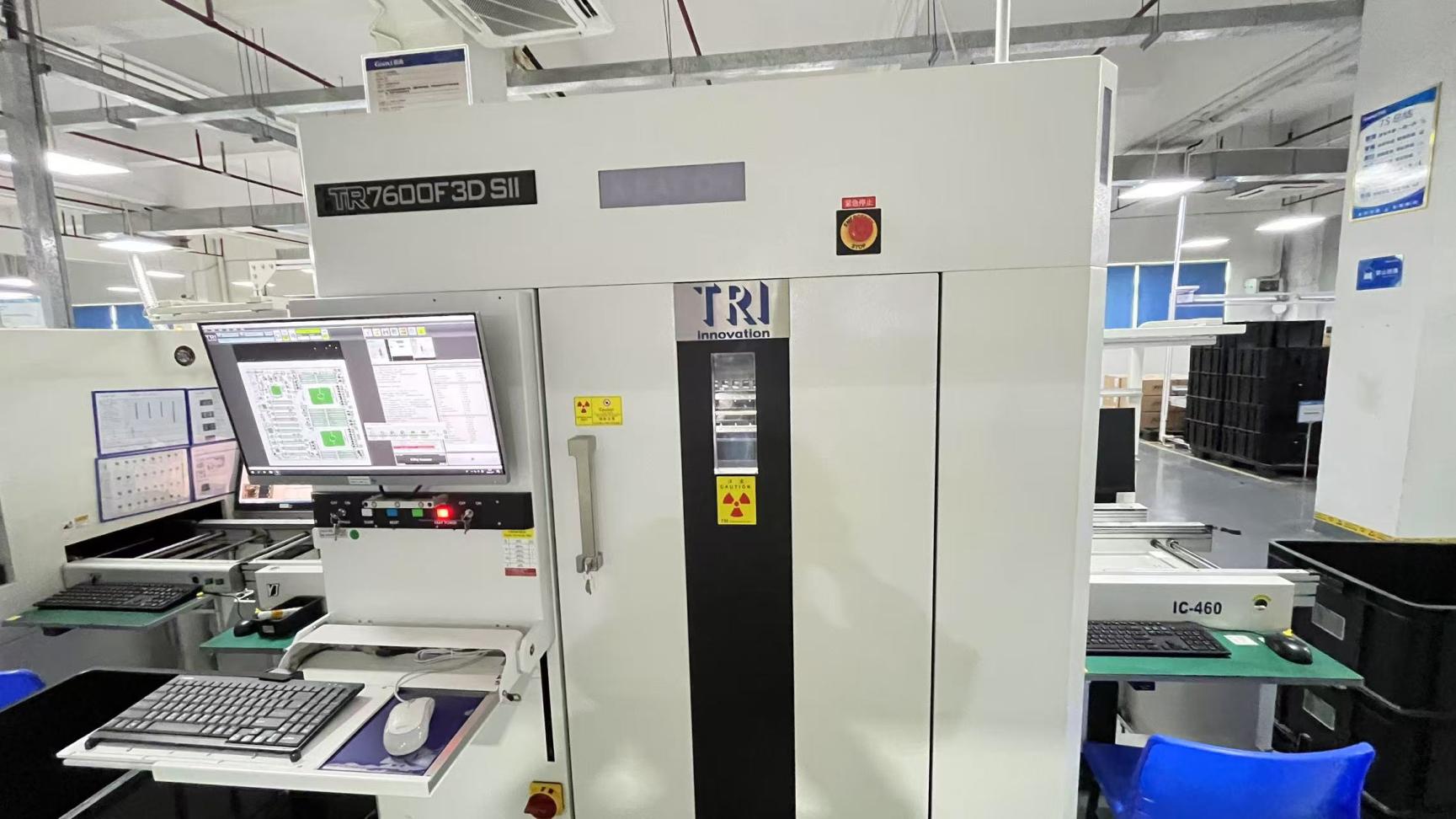

Why leading global telecom carriers, hyperscale data center operators, and network equipment OEMs source their critical RJ45 and connectivity components from China's primary manufacturing hubs.
From raw copper processing and high-precision plastic injection molding to advanced automated SMT assembly, China’s industrial clusters reduce transit delays between production phases. This enables rapid manufacturing scaling and lowers material transport overheads.
Leading Chinese exporters have shifted away from manual-intensive assembly to advanced automated manufacturing lines. Robotics handle critical processes like winding magnetics, high-accuracy contact pin insertion, and laser-guided visual inspection, keeping unit-to-unit variance close to zero.
Chinese manufacturers stand out for their fast prototyping speeds. Custom pinout configurations, specific mounting styles, and customized EMI shielding alterations can move from conceptual CAD design to physical testing in days rather than weeks.
For enterprise network equipment deployed globally, compliance with national laws and international standards is mandatory to avoid customs delays, legal issues, or equipment failures.
Any reliable network equipment manufacturer must demonstrate strict compliance with recognized certification frameworks. High-frequency networks produce electromagnetic interference that can disrupt surrounding systems if not correctly managed. As a result, robust shielding and ground paths are essential safety features, not optional upgrades.
To prevent system downtime, top manufacturers provide localized technical support and strategic logistics hubs close to key deployment regions.
Lumetra balances global efficiency with local service by operating regional support offices and maintaining buffer inventories in North America and Western Europe. This approach cuts transit times down to 1-3 business days for critical needs.
Our localized engineering assistance helps clients resolve integration issues, handle firmware updates, and manage RMA exchanges promptly, keeping client systems running smoothly.
RJ45 connectors and SFP-to-RJ45 transceivers perform critical functions across various modern vertical industries, tailored to specific environmental and electrical requirements.
In high-density cloud networks, 10GBASE-T SFP+ copper modules extend connection distances up to 100 meters over Cat6a cabling. This delivers high bandwidth at lower costs compared to fiber optics for top-of-rack switch-to-server runs.
Heavy machinery and motor drives create significant electromagnetic noise. In these settings, SMT RJ45 jacks with integrated EMI grounding tabs and shielded cables ensure reliable data transfer, protecting systems from costly communication dropouts.
Edge nodes deployed in remote locations face challenging physical and thermal conditions. Low-profile, SMT modular jacks provide the vibration resistance and temperature tolerance needed to keep edge appliances connected.
Central offices and cell towers rely on PoE and PoE+ enabled RJ45 ports to deliver both power and high-speed data to remote equipment. This configuration simplifies installation, improves deployment safety, and cuts down on redundant wiring.
The networking industry is adapting to handle larger data volumes, stricter thermal limits, and the push for better energy efficiency.
One major trend is the rise of multigigabit connections (2.5G, 5G, and 10G) extending down to user and edge endpoints. This shift allows organizations to boost network capacity without replacing their existing Cat5e or Cat6 copper cables. Additionally, the development of ultra-low profile modular jacks helps manufacturers design slimmer network switches, edge routers, and portable systems.
Finally, environmental efficiency has become a priority. Modern RJ45 NICs and SFP transceivers feature automated energy-saving modes that dial down power usage during low-traffic periods. This reduction in power consumption lowers operating costs and cuts down on cooling requirements in large data centers.
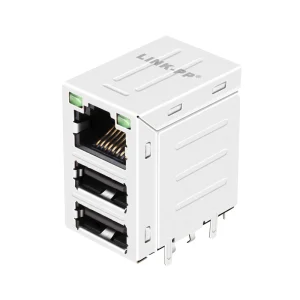
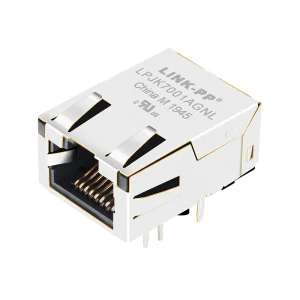
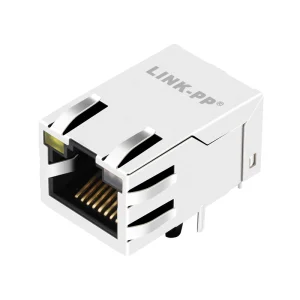
L829-1D1T-91 Tab up 10/100 Base-t Ethernet Magnetic Low Profile RJ45 Jack Connector With Led
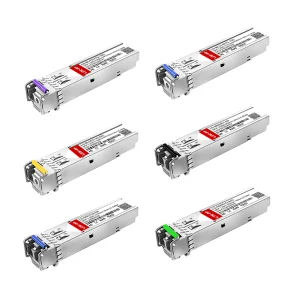
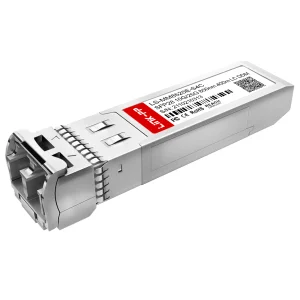
Factory Price Compatible With Juniper HW Cisco Fiber Optic Sfp Transceiver Module
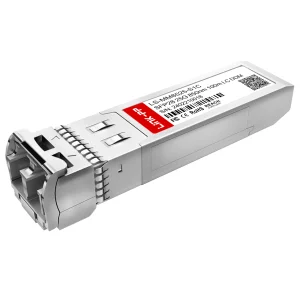
Cisco SFP-25G-SR-S Compatible Duplex LC MMF 850nm 25G SFP28 100m Optical Transceiver Module
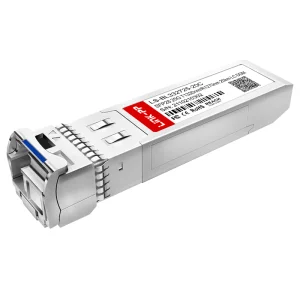
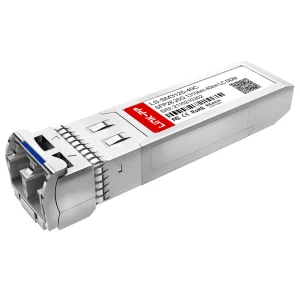
SMF 1310nm 25G SFP28 ER 40km Duplex LC Single Mode Fiber Optical Transceiver Module
Standard RJ45 connectors are simple plastic and metal jacks that require separate discrete magnetic components on the system PCB to filter signals. In contrast, integrated magnetics (Magjacks) build the transformers, common-mode chokes, and status LEDs directly inside the metal housing. This integrated design saves valuable board space, reduces electromagnetic noise, and improves overall signal integrity at high frequencies.
10GBASE-T copper modules let you run 10Gbps data speeds over standard Cat6a copper cabling for distances up to 100 meters. This makes them a cost-effective, easy-to-install choice for connections within racks. Optical transceivers, on the other hand, require dedicated fiber cables, which increases installation costs. However, fiber modules draw less power, add near-zero latency, and support runs from several hundred meters up to 80 kilometers.
EMI shielding fingers are small metal contacts placed along the outside shell of an RJ45 jack. They make a continuous ground connection between the cable plug and the equipment panel. This grounded shield blocks external high-frequency electrical noise from motors, heavy equipment, or nearby wireless devices, keeping data transmissions stable and error-free.
Our engineering team verifies and programs the EEPROM configurations on our transceivers to match the communication protocols of major brands, including Cisco, Juniper, Arista, and HP. This rigorous validation process ensures our modules work seamlessly without triggering compatibility warnings or system errors.
Standard configurations ship within 1 to 2 weeks, depending on current inventory levels. For custom OEM designs—including specific pin arrangements, specialized mounting styles, or custom LED configurations—the prototyping and validation process takes 3 to 4 weeks. Once approved, mass production orders are fulfilled through our vetted partner network of over 1,200 suppliers.
All Lumetra products conform to RoHS and REACH environmental requirements, ensuring they are free from restricted hazardous materials. In addition, our plastic parts hold a UL 94V-0 flammability rating, and our electronic assemblies carry CE and FCC markings, certifying they meet international electrical safety standards.