Lumetra
Lumetra
Lumetra
High-performance modular connectors and transceivers engineered to support robust industrial networks under extreme mechanical, chemical, and thermal stress.

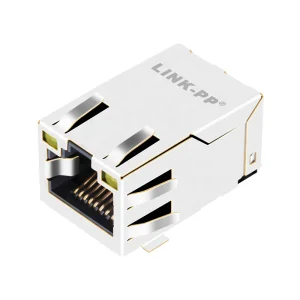
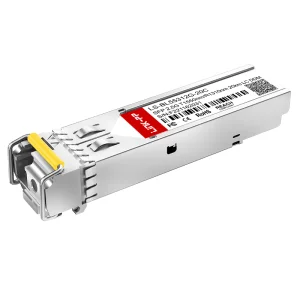
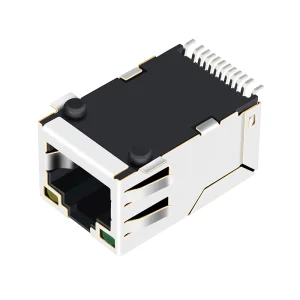
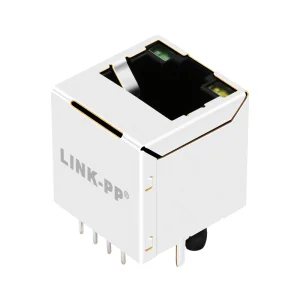
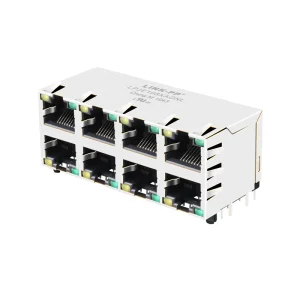
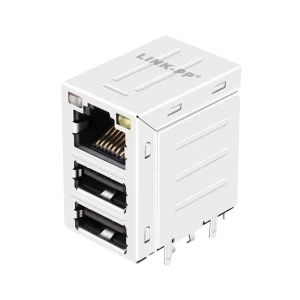
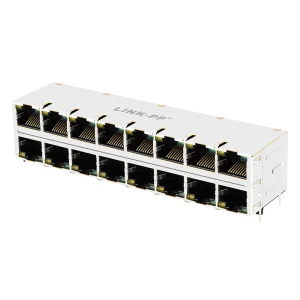
In the rapidly advancing landscape of Industrial Internet of Things (IIoT), automation, and edge computing, reliable networking infrastructure is no longer a peripheral consideration—it is the core baseline. The global marketplace demands cabling solutions that go far beyond standard office-grade specifications. Modern deployments require Rugged Ethernet Cables capable of resisting harsh operational stressors, including mechanical abrasion, extreme temperatures, electromagnetic interference (EMI), chemical solvents, and continuous flex fatigue.
This industry whitepaper explores the leading edge of rugged Ethernet cable manufacturing and exportation. By analyzing global market demands, technology integration roadmaps, and key evaluation frameworks under Google's E-E-A-T guidelines, procurement managers and network architects can align their supply chains with next-generation standardizations.
Conventional CAT5e, CAT6, and CAT6A installations in clean residential or enterprise settings rely on basic PVC jackets and standard shielding. However, when these network cables are deployed in heavy manufacturing, offshore drilling, rolling stock transport, or aerospace rigs, their operational life drops by up to 90% without heavy-duty fortification.
The key structural upgrades defining rugged Ethernet cables include:
Heavy-duty jackets composed of Thermoplastic Polyurethane (TPU), Fluorinated Ethylene Propylene (FEP), or cross-linked Low Smoke Zero Halogen (LSZH) materials safeguard copper or fiber cores against persistent mechanical crushing and sharp-edge cuts.
Industrial facilities utilize heavy machinery, motors, and variable-frequency drives that generate high electromagnetic fields. Shielded configurations, such as S/FTP (Shielded/Foiled Twisted Pair), utilize braided tinned-copper shielding and individual foil wraps around pairs to achieve extreme signal-to-noise ratio optimization.
From freezing Arctic installations to scorching oil refineries, high-durability cables operate flawlessly across wide thermal brackets (typically -40°C to +85°C, and occasionally up to +125°C with fluoropolymer compounds).
Corporate enterprise procurement departments face unique challenges when auditing potential cable exporters. The buying persona is not just seeking the lowest price; they must mitigate downstream network downtime risks, which can cost thousands of dollars per minute in automated process plants.
To address these multifaceted specifications, global buyers lean on top exporters that maintain verified testing facilities. Reliable suppliers perform extensive mechanical tests including cold bend testing, abrasion tests, impact testing, and long-term signal integrity checks via network analyzers.
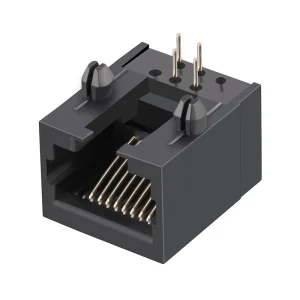
A rugged Ethernet cable is only as strong as its weakest connector or termination point. A comprehensive network solution integrates the physical transmission line with ruggedized interface mechanics. In modern factory automation, standard plastic RJ45 jacks are frequently replaced with heavy-duty metal shells, M12 D-Coded or X-Coded circular connectors, and shielded magnetics.
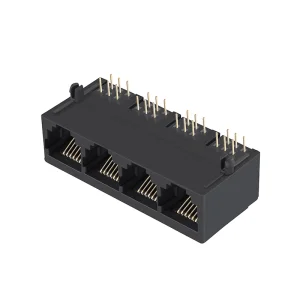
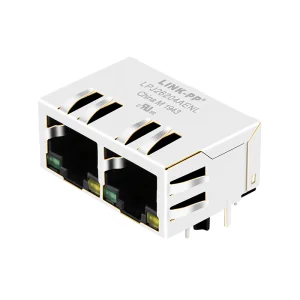
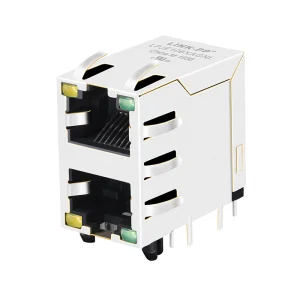
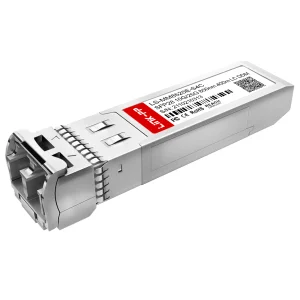
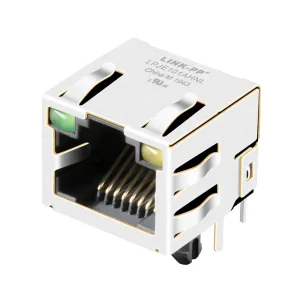
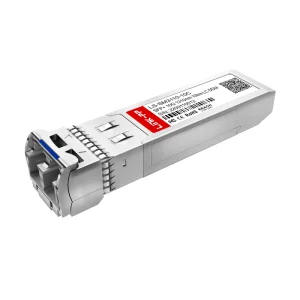
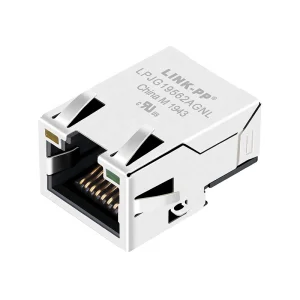
This is where high-speed transceivers and modular components intersect. For example, to bridge long distances between industrial field devices and server rooms, system integrators combine rugged copper Ethernet networks with optical backbones. These optoelectronic modules—such as long-reach 1G BiDi SFPs and high-speed SFP28 links—allow seamless transmission over kilometers of single-mode fiber without electromagnetic degradation. Meanwhile, specialized SMT modular magnetics jacks act as the critical gateway inside industrial switch ports, isolating sensitive digital circuitry from voltage spikes and static charges in the harsh operational field.
A critical player in the high-speed networking and industrial telecom ecosystem is Lumetra Optoelectronics Technologies Co., Ltd. specializes in high-speed optical transceivers and fiber optic communication solutions designed for datacom, telecom, and cloud infrastructure applications.
Founded in 2016, Lumetra has scaled into a reliable, quality-focused manufacturing powerhouse with deep engineering capabilities and vast global export footprint. Here is a breakdown of their operational capacity and tech development:
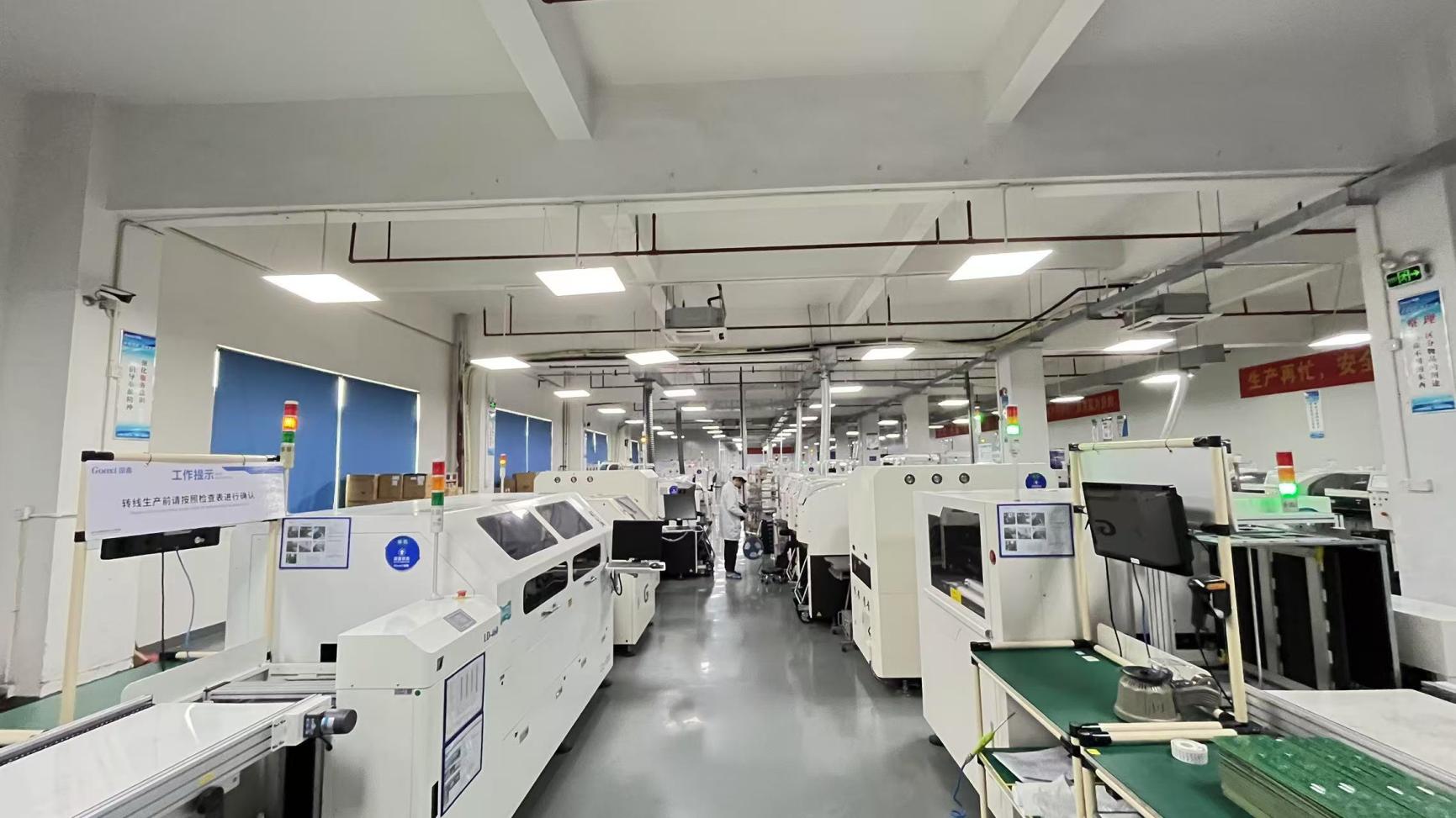
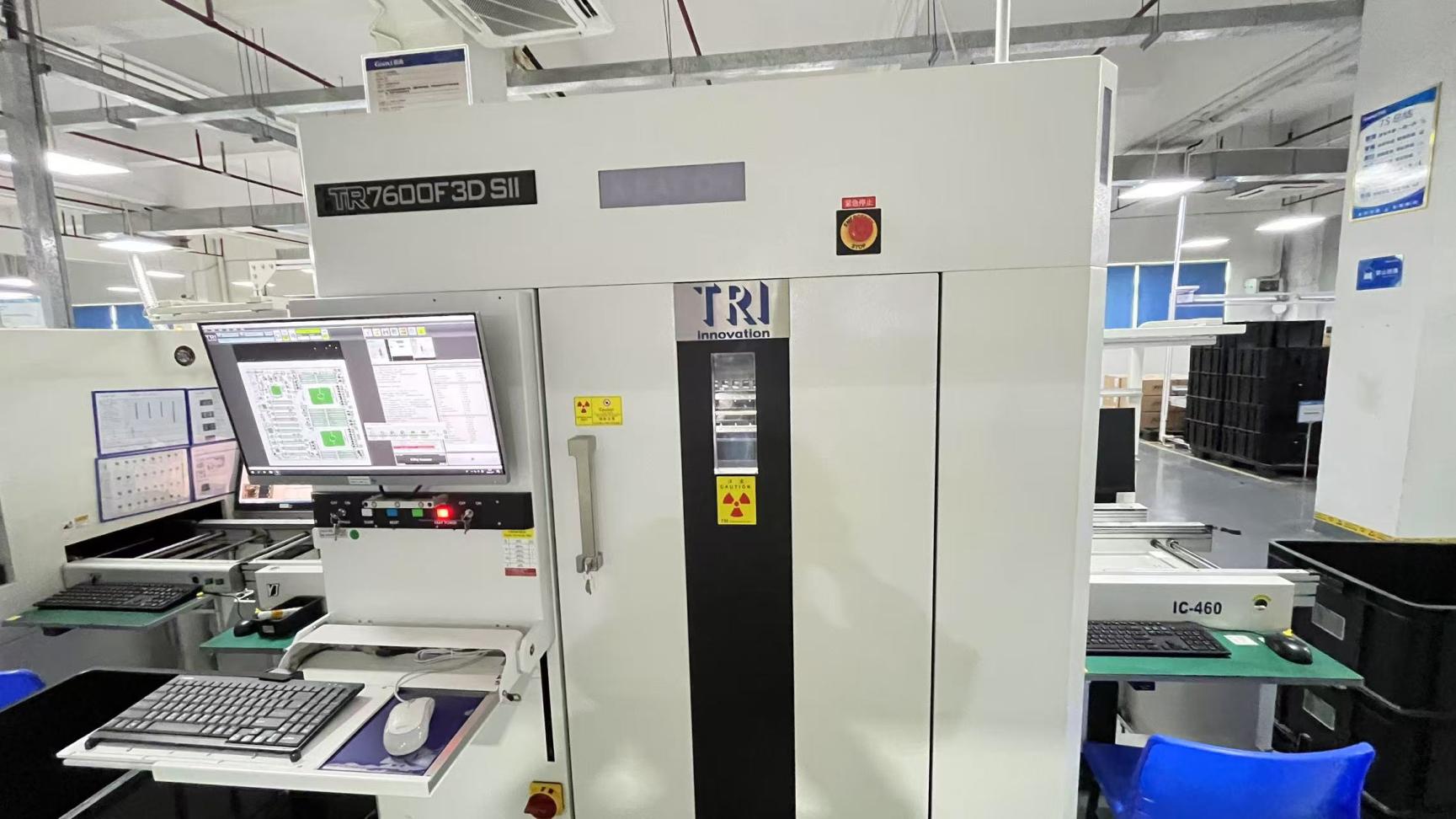
Quality Control Infrastructure: Lumetra achieves high reliability through automated optical performance testing, environmental stress screening, and manual inspection protocols. The specialized quality control department employs 48 trained inspectors ensuring strict adherence to international standards.
Customization & Agility: Supported by their strong R&D team focusing on optical design, hardware development, and signal integrity optimization, Lumetra handles complex OEM/ODM projects. This includes advanced customizations like protocol compatibility tuning, wavelength adjustments, physical form-factor adaptations, and low-power consumption engineering. Reflecting this capacity for rapid iteration, they launched approximately 220 new products over the past year.
Supply Chain & Market Footprint: Working alongside more than 1,200 supply chain partners, Lumetra ensures continuous raw component sourcing. Their core client base spans North America, Europe, Southeast Asia, and the Middle East, servicing major telecom operators, hyperscale data centers, system integrators, and network equipment distributors.
Operating in a regulated global environment means rugged Ethernet cables must comply with regional environmental and safety rules. The core baseline demands RoHS and REACH compliance, verifying that no hazardous chemicals are present in the outer jackets.
Furthermore, specific local standards apply to high-durability electrical hardware:
By partnering with exporters that possess pre-tested certifications and localized documentation support, global procurement specialists reduce customs friction and eliminate the risk of installing non-compliant components.
As networks evolve, several key technologies are shaping the future of ruggedized Ethernet and industrial communication systems:
SPE (IEEE 802.3cg) represents a monumental paradigm shift. Instead of four twisted pairs, it utilizes a single pair of copper wires to transmit both power (PoDL - Power over Data Lines) and data up to 1,000 meters. This dramatically reduces weight, cost, and diameter, making it ideal for highly space-constrained rugged industrial devices.
New carbon-nanotube (CNT) shielding options are beginning to emerge, replacing conventional tinned copper braids. This provides comparable electromagnetic shielding effectiveness at a fraction of the physical weight, enhancing durability and flexibility.
Future smart cabling installations will integrate built-in micro-sensors or utilize time-domain reflectometry (TDR) algorithms on active network switches to sense structural damage, micro-fractures, or water ingress. This enables proactive maintenance schedules prior to actual cable failure.
Overview of our automated optical performance assembly lines, raw material compounding, dynamic test bays, and QA verification laboratories.
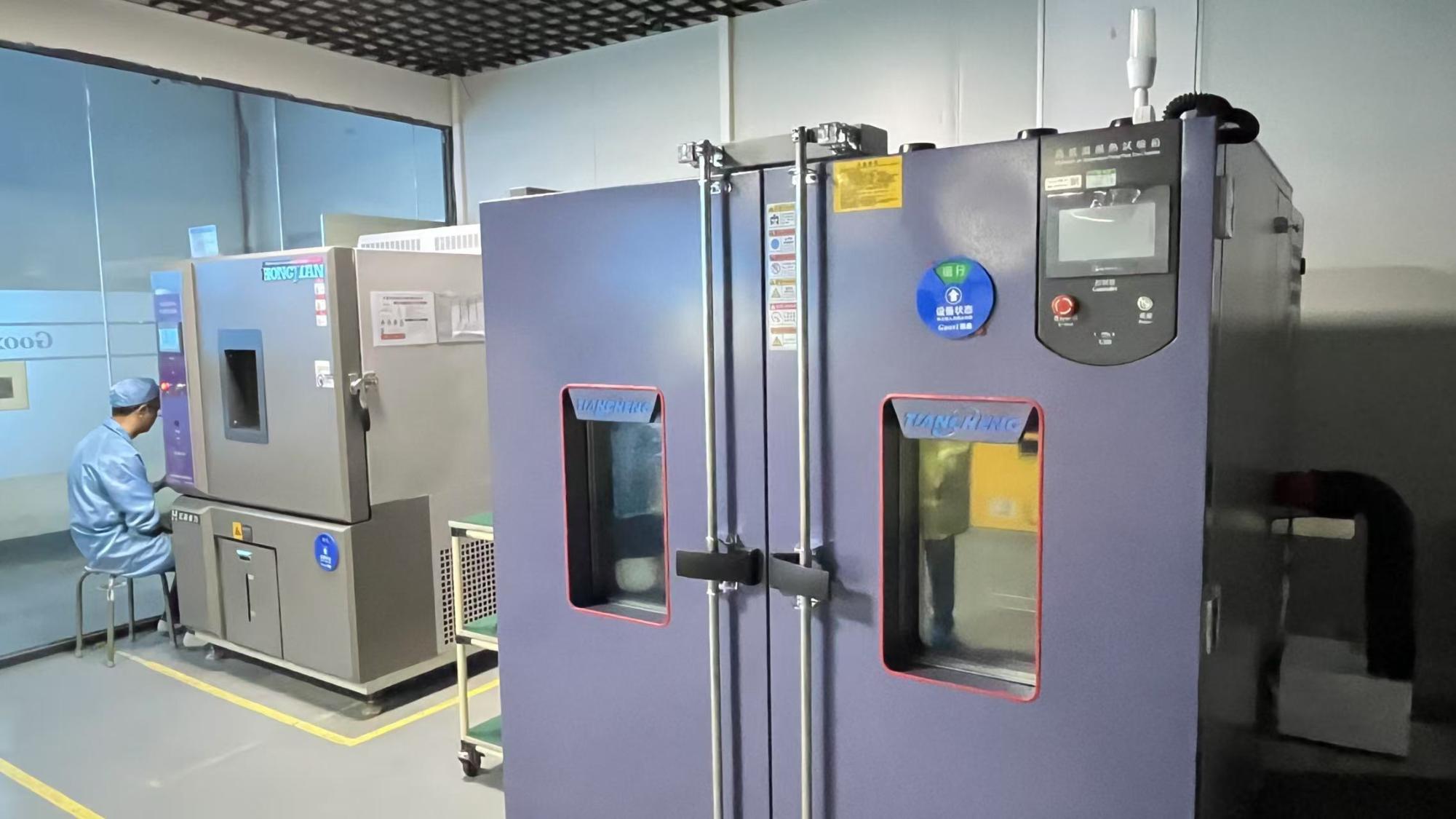

Explore our high-performance transceivers, network interface accessories, and modular copper connectors engineered for resilient industrial data links.