Lumetra
Lumetra
Lumetra
Engineered for extreme reliability, zero packet loss, and full-spectrum multi-vendor software compatibility.
Lumetra Optoelectronics Technologies Co., Ltd. is a professional manufacturer specializing in high-speed optical transceivers and fiber optic communication solutions for datacom, telecom, and cloud infrastructure applications. Founded in 2016, the company has developed into a reliable supplier with strong engineering capabilities and global export experience. By focusing on optical performance stability, multi-vendor firmware optimization, and robust physical assembly, we provide critical network interconnect components that serve as the backbone of modern data distribution systems.
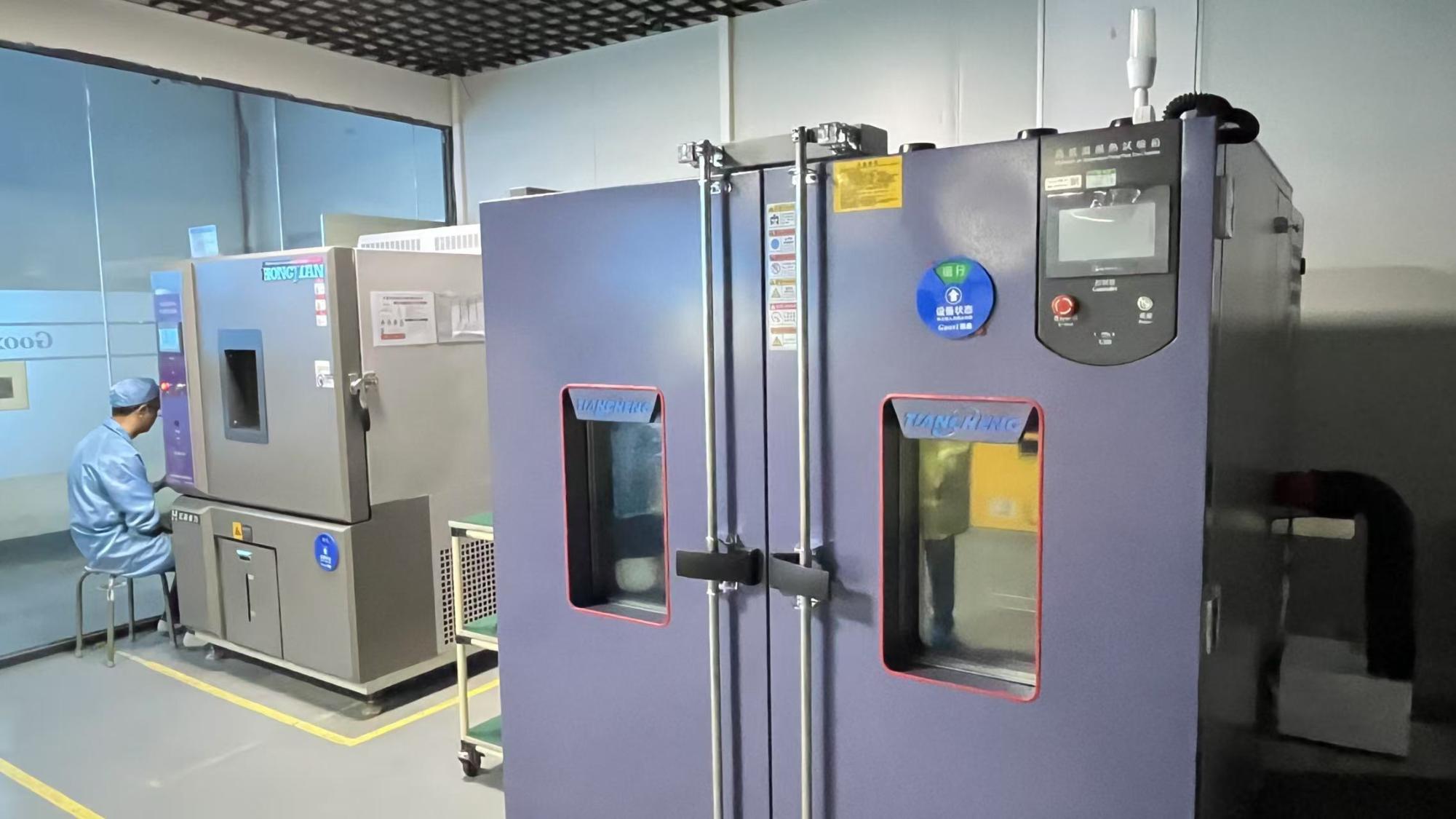
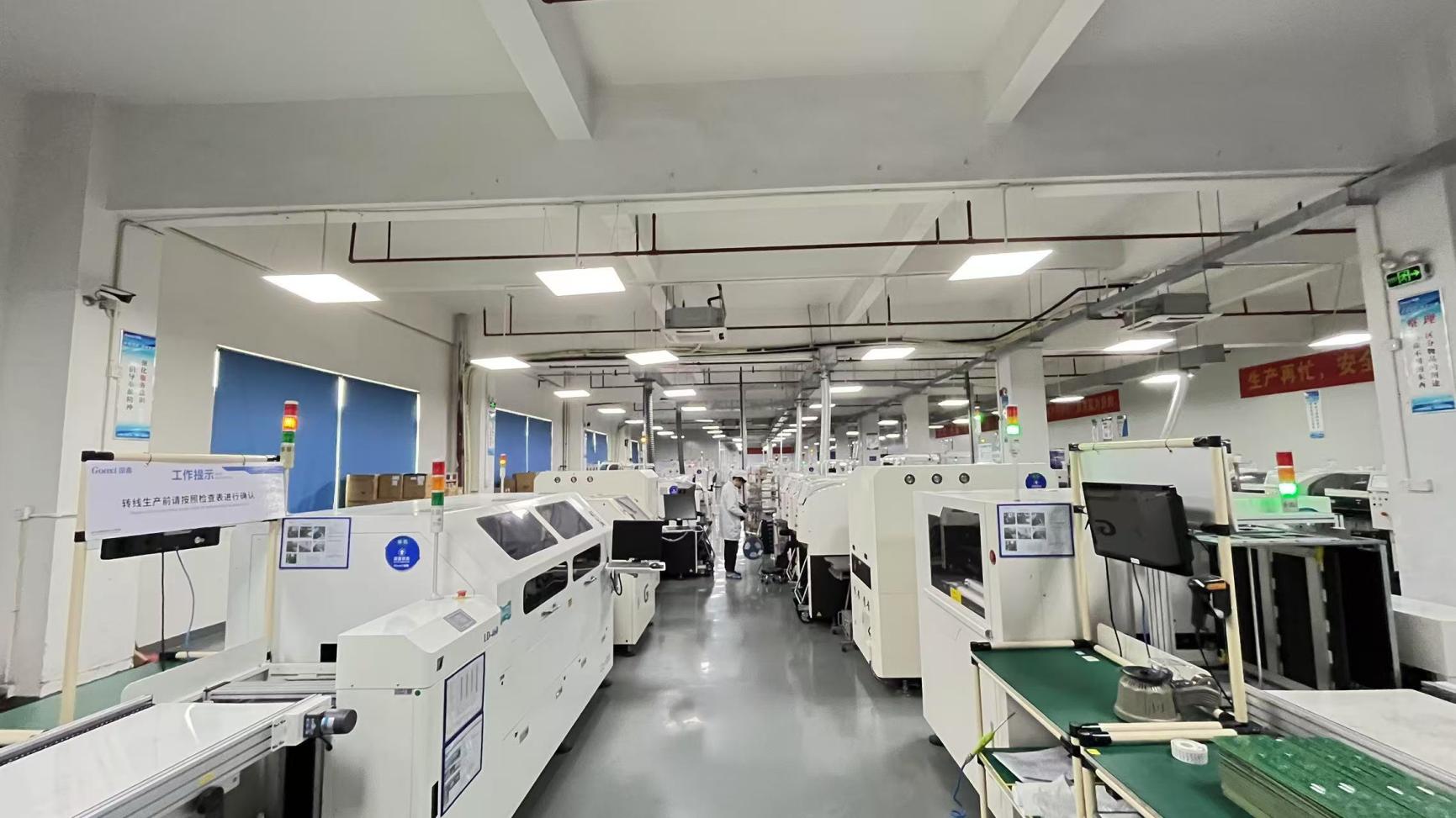
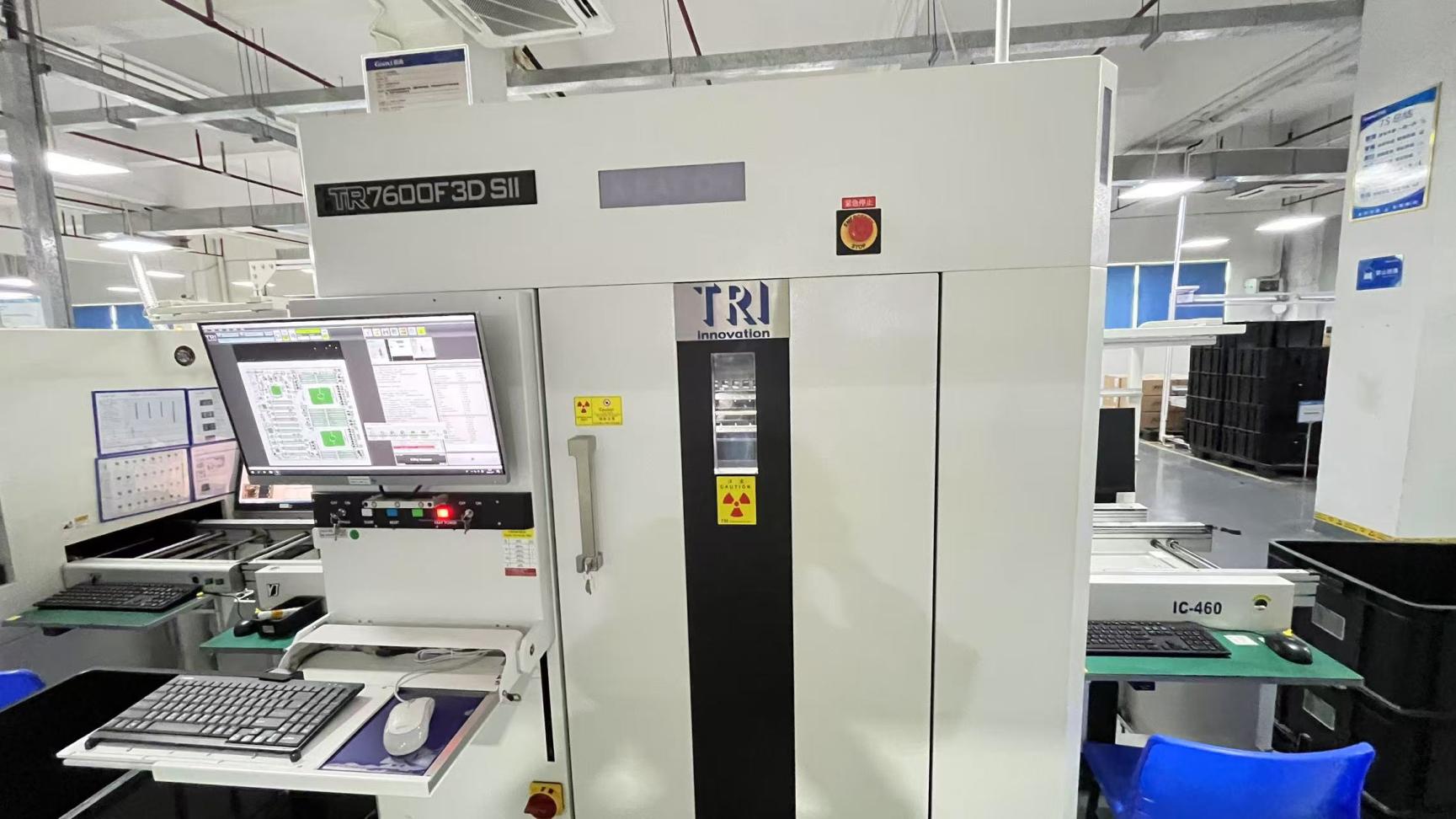
The company operates a production facility covering approximately 8,500㎡, supporting efficient manufacturing and quality-controlled assembly processes. With annual export revenue reaching around USD 18 million, Lumetra has built stable international business channels and accumulated 7 years of export experience, backed by 11 years of overall industry expertise. Quality assurance is maintained through a combination of automated optical performance testing, environmental stress screening, and manual inspection processes. Our quality control team consists of 48 trained inspectors ensuring strict compliance with international standards.
Industrial, enterprise, and cloud connectivity environments demand optimized component sourcing strategies. Network hardware acquisition is no longer just about transactional unit pricing; it is about mitigating downtime risks, eliminating hardware incompatibilities, and ensuring thermal stability within high-density switch configurations. Procurement professionals face systemic challenges: managing supply chain choke points, complying with domestic hardware regulations, and verifying that replacement components perform at parity with expensive original equipment manufacturer (OEM) equivalents.
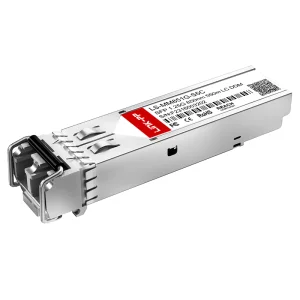
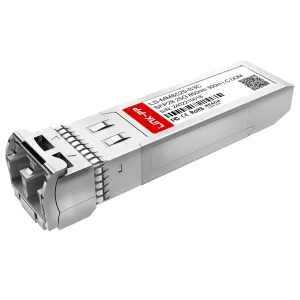
Modern enterprise infrastructures rarely rely on a single switch manufacturer. Lumetra designs SFP/SFP+/SFP28 optical modules utilizing customizable EEPROM microcode, allowing seamless interoperability with Cisco, Juniper, HPE Aruba, Dell, Arista, and other tier-one network appliances without triggering hardware locked-down warnings.
In high-density datacenters, elevated operating temperatures lead directly to optical link degradation. Lumetra designs its transceivers with custom-molded zinc alloy housings, reducing heat dissipation bottlenecks and keeping operating case temperatures under 70°C for commercial applications, and up to 85°C for industrial designs.
By bypassing OEM markup premiums, enterprises achieve capital expenditure (CAPEX) savings of up to 70%. When combined with a mean time between failures (MTBF) exceeding 100,000 operational hours, operational expenditure (OPEX) is optimized through diminished field maintenance runs.
"Enterprise purchasing agents must evaluate long-term signal path integrity. The use of premium laser engines (such as VCSEL, DFB, and EML) combined with low-loss optical sub-assemblies (OSA) ensures that transmission budgets are maintained across critical infrastructure runs."
High-capacity optical transceivers are critical functional elements integrated across multiple demanding industrial and commercial sectors. The choice of specific transceiver topologies depends directly on the unique data requirements of these operating domains:
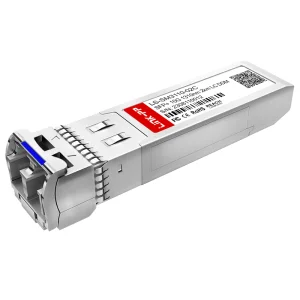
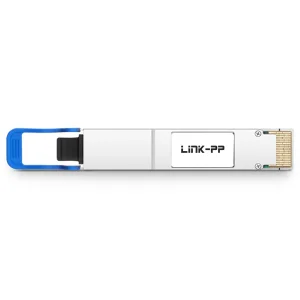
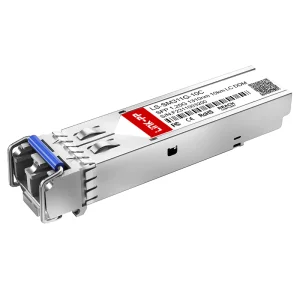
Data centers require modular scalability. The standard leaf-spine switch architecture depends heavily on short-range (SR) multi-mode links for cabinet connections and long-range (LR) single-mode optics for inter-hall connectivity. Lumetra provides 10G SFP+, 25G SFP28, and high-capacity 400G QSFP-DD form factors optimized for minimal power dissipation, reducing the cooling load of the datacenter while maintaining constant packet throughput.
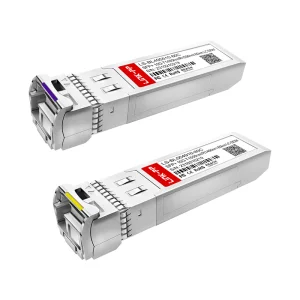
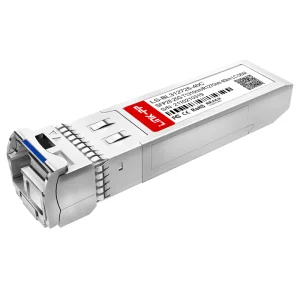
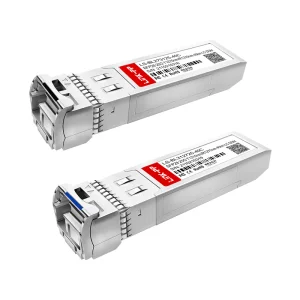
Mobile edge computing and baseband processing units require rugged transceivers capable of dealing with wide temperature swings. 25G BiDi (Bidirectional) SFP28 modules are critical here. By transmitting and receiving on different wavelengths over a single strand of fiber (using 1270nm and 1310nm wavelengths), telecommunications operators can double their physical fiber plant capacity overnight without digging trenches or installing new aerial cables.
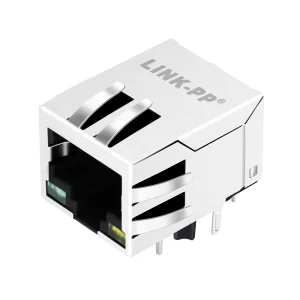
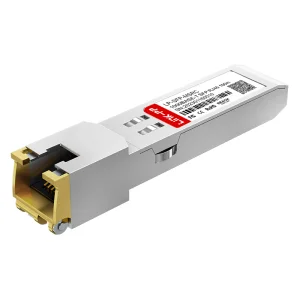
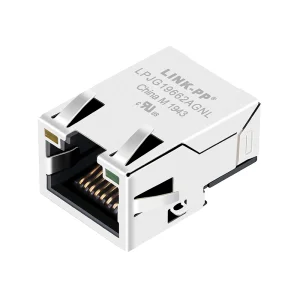
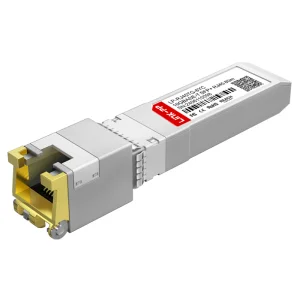
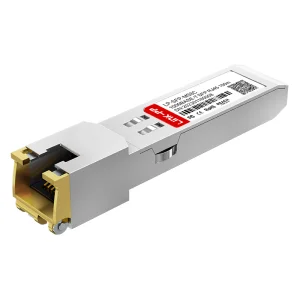
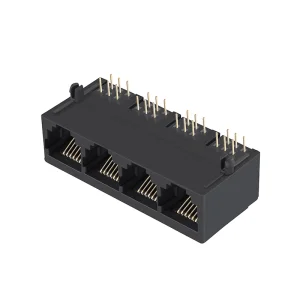
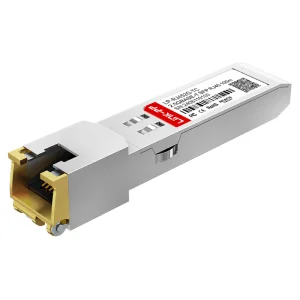
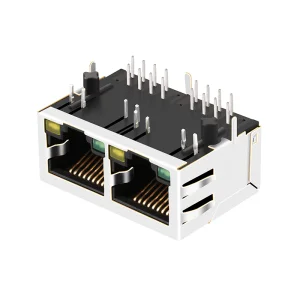
For enterprise local area networks (LANs) and industrial ethernet applications, ruggedness is crucial. From 1000BASE-T copper SFPs connecting legacy switches to PoE-enabled RJ45 magnetic modules operating in harsh electromagnetic environments, Lumetra delivers shielding designs that prevent common path interference.
At Lumetra, innovation is driven by hardware and firmware customization capabilities. We collaborate with over 1,200 supply chain partners to ensure stable component sourcing and manufacturing efficiency. With a dedicated engineering core, Lumetra supports advanced customization including protocol compatibility, wavelength tuning, form factor adaptation, and power optimization. Our engineering depth is sustained by 86 R&D engineers focused on optical design, hardware development, and signal integrity optimization.
In the past year alone, Lumetra launched approximately 220 new products, reflecting continuous development cycles in high-speed optical communications. This rapid innovation cycle ensures that as network topologies evolve—such as the transition from 25G to 50G, 100G, and eventually 400G/800G optical lines—our production lines are ready to deliver volume orders.

The global optical networking landscape is undergoing a significant transition. As artificial intelligence (AI) workloads, large language model (LLM) training clusters, and machine learning (ML) nodes scale up, internal datacenter traffic (East-West traffic) is growing exponentially. This forces a rapid progression in optical engineering technologies:
Traditional discrete optical component assembly is reaching its physical limits. Silicon Photonics integrates optical modulators, detectors, and waveguides directly onto silicon substrates. This reduces raw material footprints, lowers manufacturing complexity, and yields significantly better thermal performance at speeds beyond 400G.
By moving the optical engine physically closer to the host ASIC (Application-Specific Integrated Circuit), CPO minimizes electrical trace lengths. This design path eliminates signal attenuation, reduces transmission latency, and drops power requirements per gigabit of data to a fraction of pluggable modules.
Pulse Amplitude Modulation 4-Level (PAM4) doubles transmission capacity compared to traditional Non-Return-to-Zero (NRZ) modulation schemes at the same baud rate. Our newer product lines leverage advanced PAM4 DSP architectures to secure reliable, error-free operations across high-density fiber trunks.
At Lumetra, quality assurance is an end-to-end operational mandate. Product reliability is achieved by combining automated manufacturing platforms with precise testing equipment (such as high-bandwidth oscilloscopes, optical spectrum analyzers, and bit error rate testers). Key pillars of our quality assurance methodology include:
Furthermore, our diversified trade background and established global supply chain partners guarantee timely shipments. By maintaining strategic raw material reserves and working closely with our component suppliers, we buffer our production lines against geopolitical and macroeconomic market disruptions, ensuring consistent product availability for our international clients.
Designed for enterprise scaling, multi-protocol transport, and critical communications infrastructures.