Lumetra
Lumetra
Lumetra
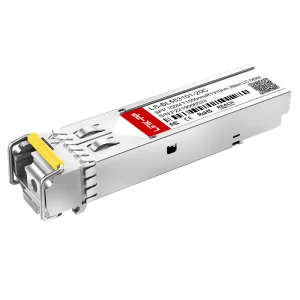
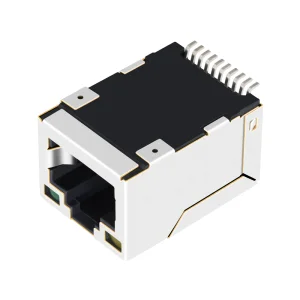
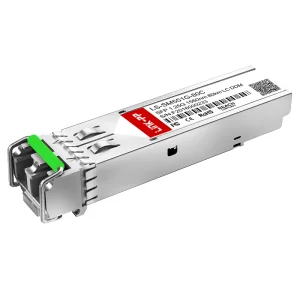
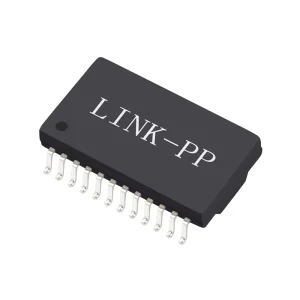
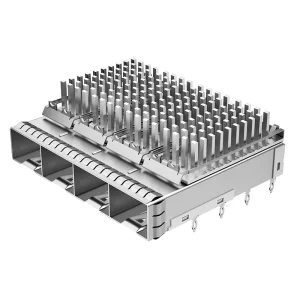
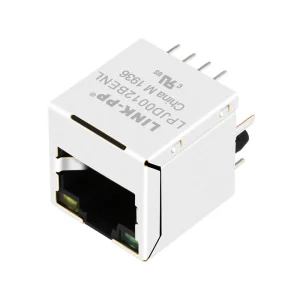
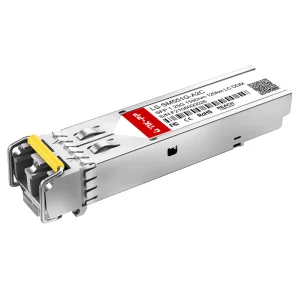
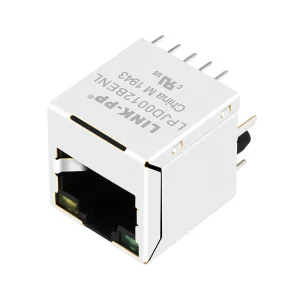
Explore our leading selection of optical transceivers, press-fit SFP cages, and integrated magnetic RJ45 connectors designed for high-density datacom and telecom applications.
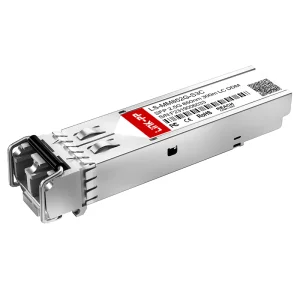
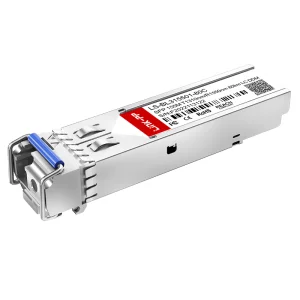
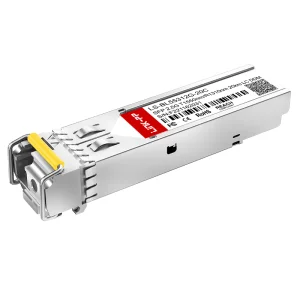
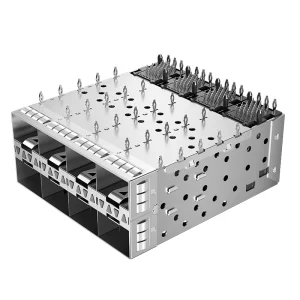
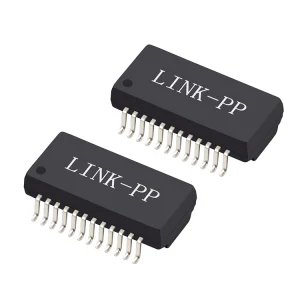
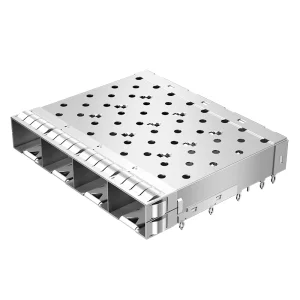
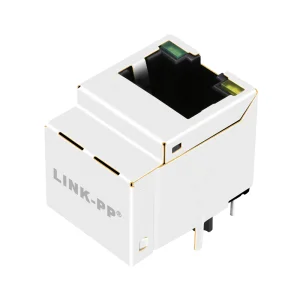
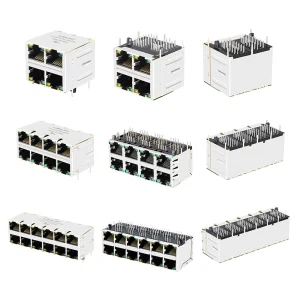
In the contemporary landscape of industrial automation, telecommunications, and defense aerospace, the convergence of robust data transmission and reliable power management is paramount. The integration of RJ45 D-sub hybrid connectors represents a critical breakthrough. These systems merge the high-frequency ethernet capabilities of the 8P8C (RJ45) architecture with the rugged, mechanical stability of the D-subminiature format.
Globally, industrial networks are shifting toward edge-computing architectures that demand high signal integrity under severe physical strain. Standard plastic RJ45 jacks frequently fail under continuous vibration, mechanical shock, or high-humidity environments. By housing or pairing RJ45 capabilities within D-sub ruggedized metallic shells, manufacturers ensure optimal EMI shielding (Electromagnetic Interference) and IP-rated dust and moisture ingress protection.
Our global analysis reveals a surging demand from telecommunications providers and automation integrators in North America, Western Europe, and East Asia. These enterprises require connectors capable of handling high bandwidth—supporting Category 5e, Cat6, and Cat6a speeds—while guaranteeing a service life spanning several decades. As a result, sourcing high-reliability components has become a core strategic initiative for global procurement divisions.
Hybrid RJ45 D-sub connectors utilize specialized shell configurations (typically size 3, 4, or 5 D-sub structures) containing custom cavities for ethernet inserts alongside traditional power or coaxial contacts. This allows system designers to minimize front-panel footprint space while ensuring compliance with EIA/TIA-568-C.2 cabling parameters.
Key Objective: Eliminate impedance mismatches and reduce near-end crosstalk (NEXT) at high frequencies, resolving common physical-layer connection bottlenecks.
With over a decade of domain expertise, we deliver precision communication components engineered to exceed strict international standards.
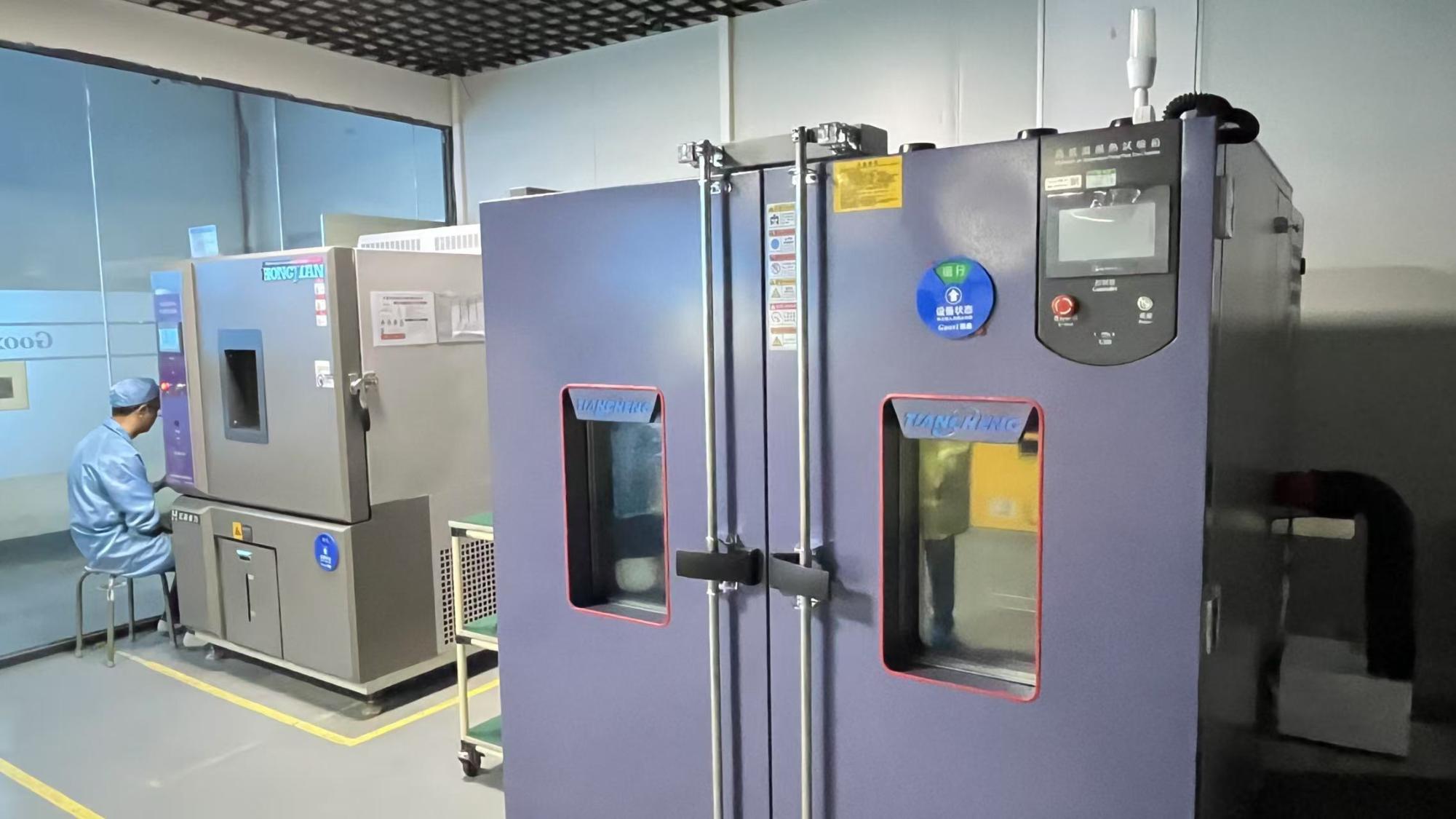
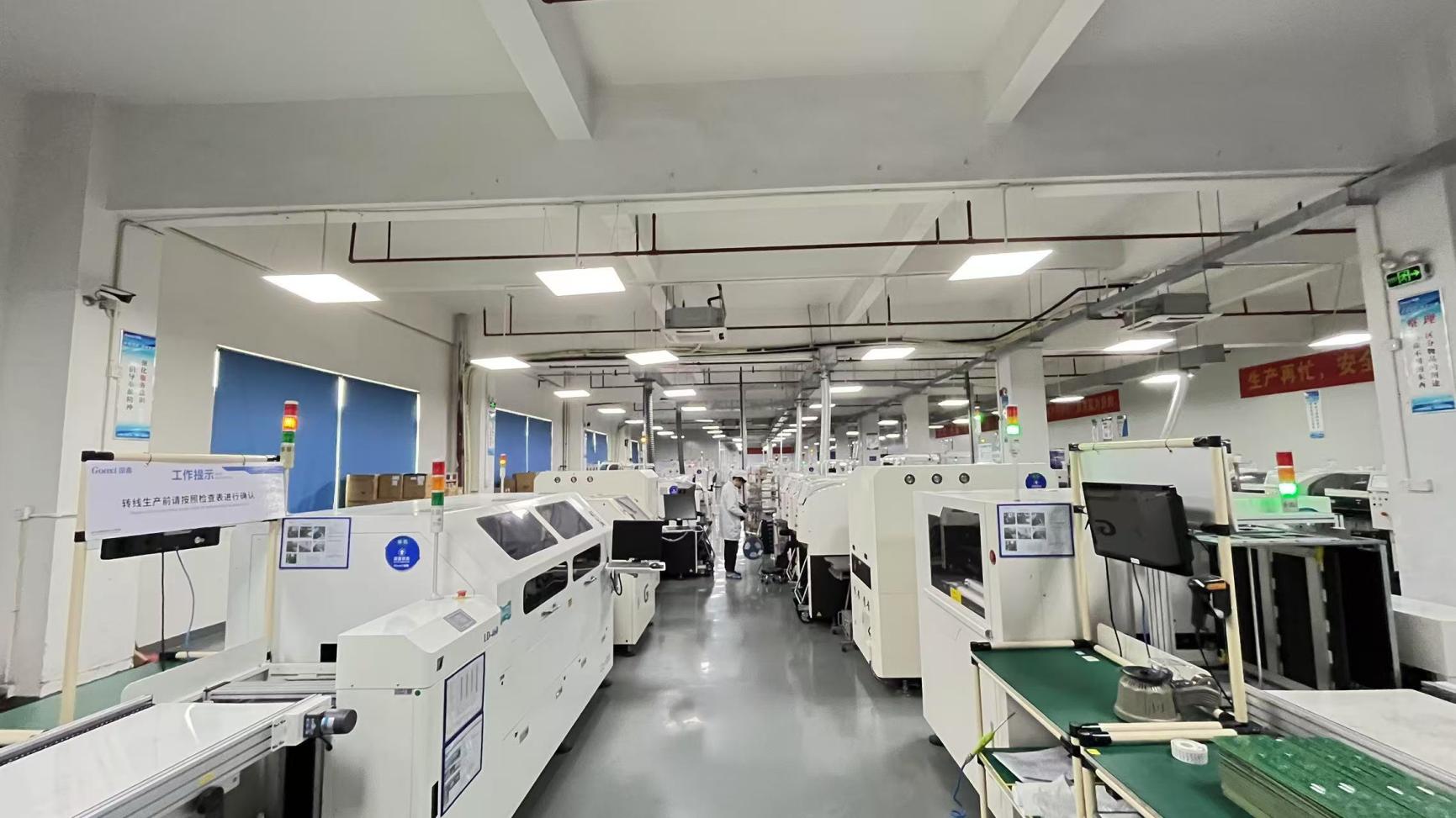
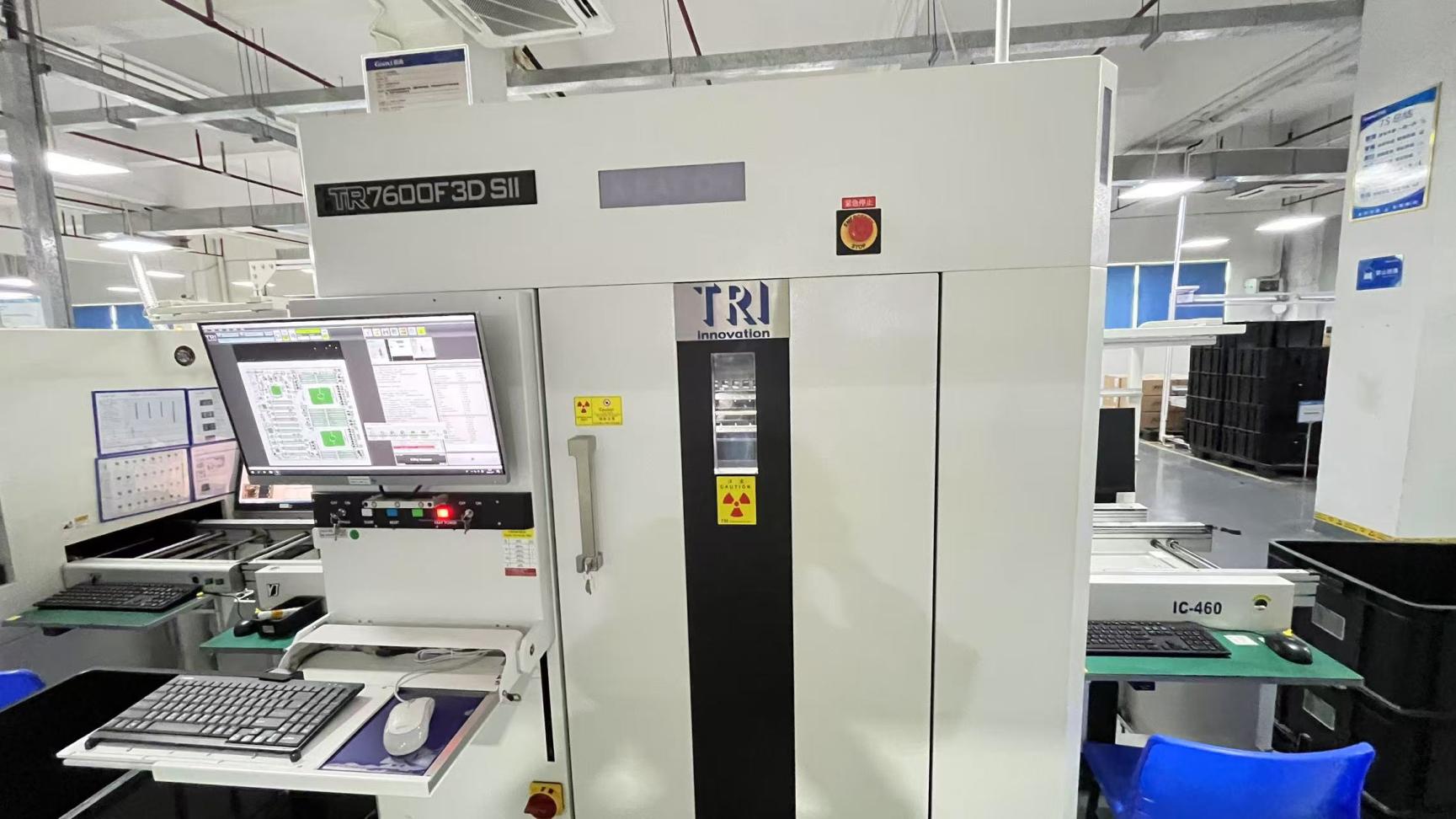
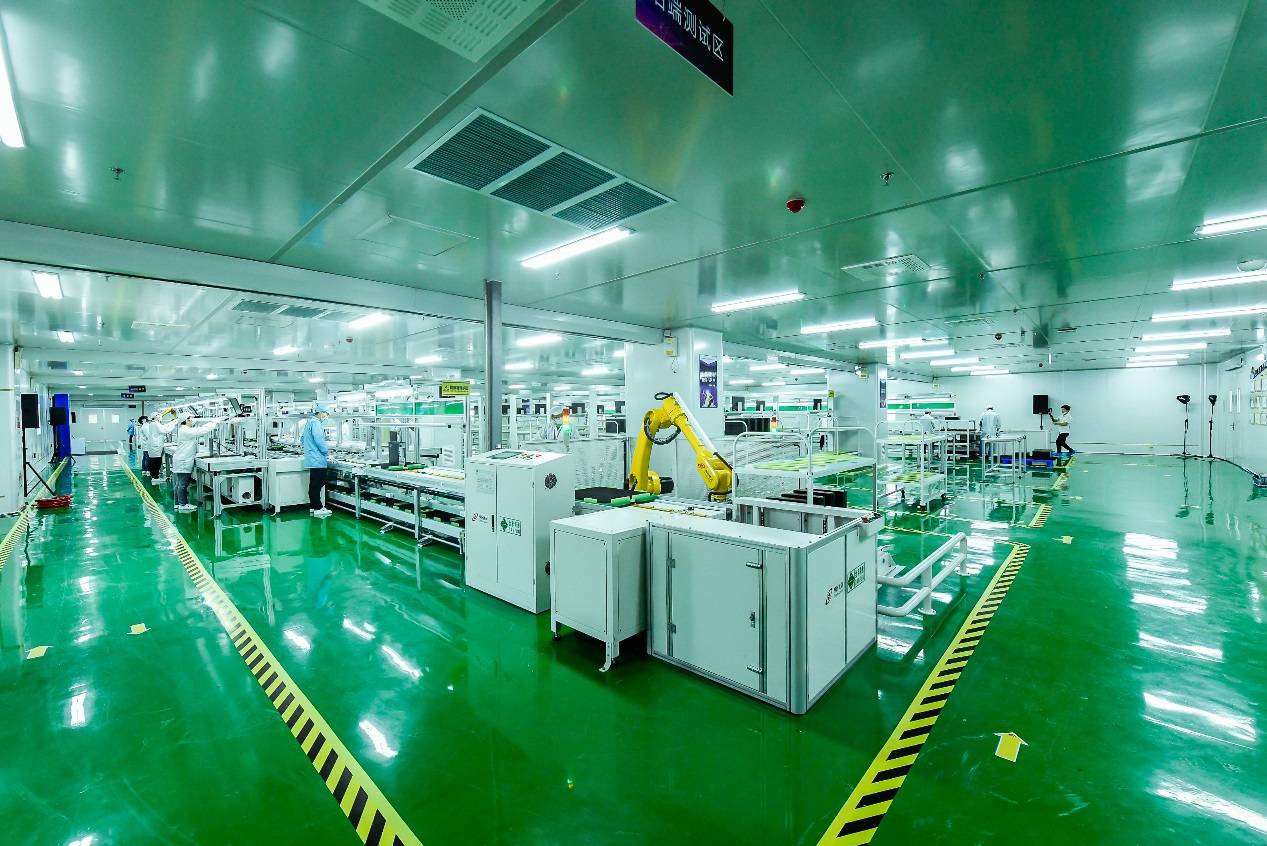
Lumetra Optoelectronics Technologies Co., Ltd. is a leading manufacturer specializing in high-speed optical transceivers, fiber optic communication solutions, and hybrid connector interfaces. Founded in 2016, our company operates with 7 years of pure export experience, backing our products with an 11-year industrial engineering foundation.
Our facility operates an extensive production infrastructure, utilizing automated optical testing, environmental stress screening, and robust signal integrity evaluations. With a team of 48 dedicated quality inspectors, we guarantee zero-defect manufacturing for telecom carriers, data center operators, and industrial system integrators.
Leveraging our collaboration with over 1,200 supply chain partners, we ensure access to high-grade phosphor bronze contacts, premium magnetic cores, and high-temperature plastic housings. This comprehensive ecosystem allows us to support custom requests—including protocol compatibility tuning, unique contact configurations, and ruggedized shell variants—releasing over 220 new products in the past year alone.
How our manufacturing cluster in China delivers unmatched performance-to-cost ratios for global enterprise buyers.
Our facility operates inside a highly specialized electronic manufacturing cluster in China. This proximity grants us direct access to precision tooling workshops, copper alloy smelters, and specialized electroplating facilities, eliminating long-distance logistics delays for raw components.
We deploy high-speed injection molding equipment and automated terminal insertion machines. This process optimizes raw material utilization, controls plastic waste, and guarantees uniform mating force tolerances across large manufacturing runs.
With 86 R&D engineers working on-site, we turn custom CAD schematics into functional physical prototypes in less than 7 working days, allowing customers to test and validate designs without impacting product launch schedules.
Examining the diverse environments where hybrid RJ45 D-Sub systems ensure continuous data flow.
In modern assembly systems, robotic arms require multi-axis control signals and gigabit-speed vision feedback. RJ45 D-sub assemblies supply Ethernet control signals alongside power lines in a single rugged connector, enduring millions of bending cycles and high mechanical shock.
Edge computing enclosures placed in extreme outdoor locations rely on our IP-rated RJ45 D-sub systems. They prevent ambient humidity and insects from disrupting localized networking hardware, guaranteeing stable up-times for critical municipal networks.
Modern hyperscale datacenters must minimize structural cabinet space. By grouping network connections with power circuits using hybrid shell connectors, system operators reduce physical cable congestion, improve thermal airflow, and simplify maintenance procedures.
The connectivity market is driven by three main operational trends: miniaturization, high-frequency performance, and harsh environment resilience. Industry components must maintain signal integrity as speeds move from 1G to 10G and beyond, even in systems subject to thermal expansion, chemical cleanings, or electromagnetic noise.
Furthermore, green regulations like RoHS (Restriction of Hazardous Substances) and REACH dictate material choices. High-volume manufacturers must supply lead-free, halogen-free, and gold-plated contacts that prevent signal oxidation over time, guaranteeing clean connections under high mechanical wear.
Detailed mechanical, electrical, and environmental performance parameters for procurement evaluations.
| Performance Specification | RJ45 Ethernet Insert Parameter | D-Sub Shell Assembly Parameter | Relevant Compliance Standards |
|---|---|---|---|
| Transmission Performance | 10/100/1000 Base-T, Up to 10Gbps (Cat6a) | Not Applicable (Shielding Only) | ANSI/TIA-568-C.2, ISO/IEC 11801 |
| Contact Resistance | ≤ 20 mΩ Maximum Variation | ≤ 15 mΩ Initial Resistance | MIL-STD-1344 Method 3002 |
| Mating Durability | ≥ 750 Insert Cycles | ≥ 500 Complete Cycles | IEC 60603-7, EIA-364-09 |
| Insulation Resistance | ≥ 500 MΩ (at 500V DC) | ≥ 5000 MΩ (at 500V DC) | ASTM D257, IEC 60512-3-1 |
| Shielding Effectiveness | ≥ 40dB (30MHz to 1GHz) | ≥ 60dB (30MHz to 10GHz) | EN 50173-1, FCC Part 15 Class B |
| Ingress Protection | IP20 (Standard), IP67/68 (Enclosed) | IP67 / IP68 dust/waterproof options | IEC 60529 / DIN 40050-9 |
Key operational parameters for engineering and purchasing divisions when evaluating industrial connectivity suppliers.
Look for manufacturers using automated optical inspection (AOI) to verify terminal pin alignment. Minor dimensional deviations can cause connector damage, leading to intermittent signal losses under vibration.
Verify that the supplier's connectors are fully compatible with mainstream platforms. Quality suppliers run compatibility tests using network analyzers to ensure the modules pass testing alongside existing hardware.
Assess the manufacturer's raw material sourcing practices. Stable supplier partnerships help buffer against sudden copper or plastic market fluctuations, ensuring predictable pricing and lead times.
Answers to common technical, design, and sourcing questions from network engineers and procurement managers.
Industrial transceivers, SMT magnetic connectors, and ruggedized cage assemblies engineered for high reliability.