Lumetra
Lumetra
Lumetra
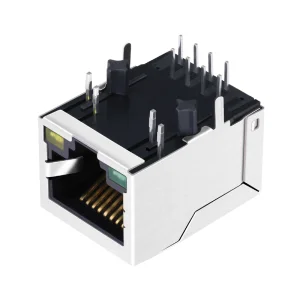
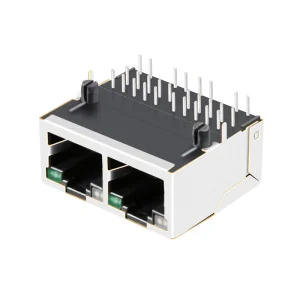
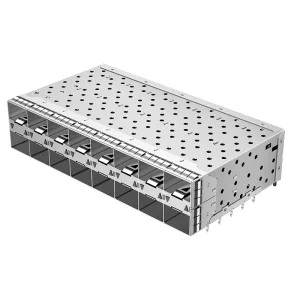
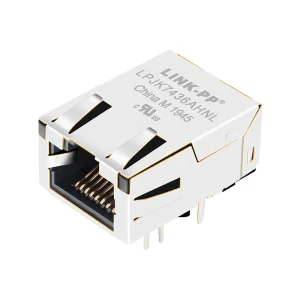
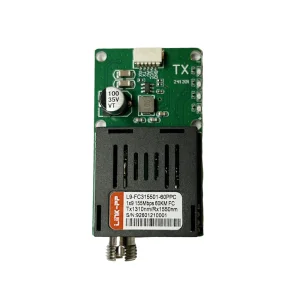
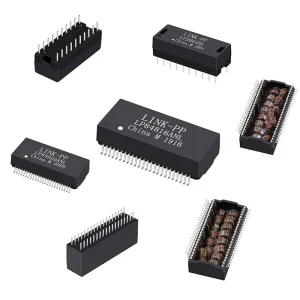
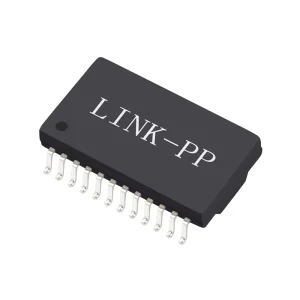
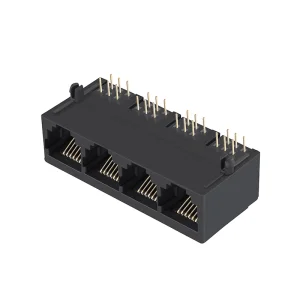
In the era of hyper-scale computation, 5G densification, and AI-driven workflows, physical layer reliability determines the overall network efficiency. An RJ45 Patch Panel serves not merely as a passive termination point, but as the neural gateway that regulates signal integrity, minimizes crosstalk (NEXT/FEXT), and mitigates return loss across local area networks (LANs) and edge configurations.
As global networks transition from basic gigabit connectivity to 10GBASE-T and beyond, engineering departments require reliable patch panels capable of handling electromagnetic interference (EMI) while ensuring continuous thermal dissipation for high-power Power over Ethernet (PoE++ 802.3bt Type 4) applications. This technical brief details the critical engineering vectors necessary for selecting, deploying, and maintaining patch panel architectures within modern infrastructures.
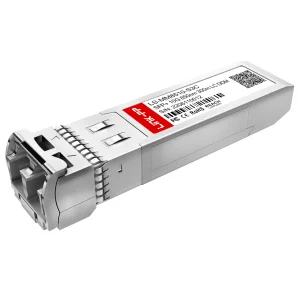
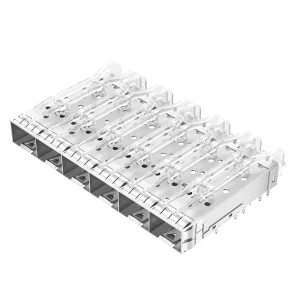
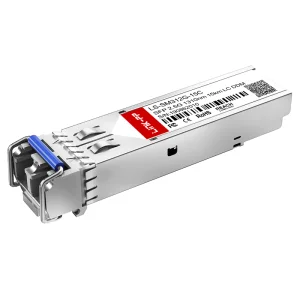
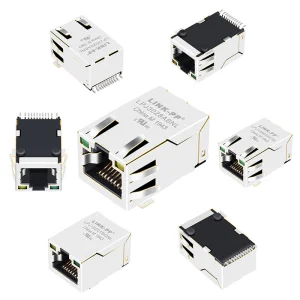
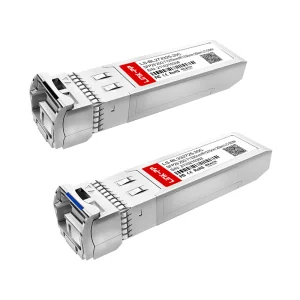
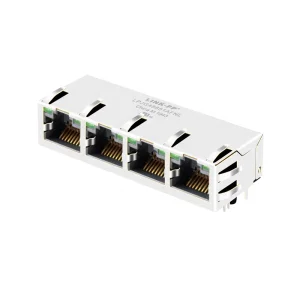
Designed for rapid-deployment leaf-spine routing architectures where high-density copper interconnects interface with optical fiber networks. Integrated support for low-profile SFP+ cages and Cat6A patch modules streamlines hardware changes.
Engineered to endure industrial environments conforming to MICE specifications. Robust grounding and high-reliability shielding protect key control systems, PLCs, and SCADA architectures from electromagnetic noise.
Simplifies the structured distribution of Power over Ethernet (PoE) to wireless access points (WAPs), surveillance cameras, and smart illumination matrices, ensuring safe operation under continuous thermal loads.
In high-speed copper networks, Alien Crosstalk (ANEXT) and Near-End Crosstalk (NEXT) are the primary limiters of bandwidth capacity. Lumetra's RJ45 patch components are designed with compensation circuits on the internal printed circuit board (PCB), aligning capacitive and inductive characteristics to isolate each channel.
This design maintains impedance at a balanced 100 Ohms, suppressing return losses up to 500 MHz—exceeding the standard baseline parameters required for ANSI/TIA-568.2-D Category 6A connectivity.
Deploying Power over Ethernet (PoE, PoE+, PoE++ IEEE 802.3bt) introduces thermal and mechanical challenges to the physical layer. Arcing when disconnecting cables under load can degrade connector contacts.
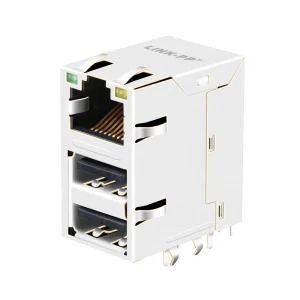
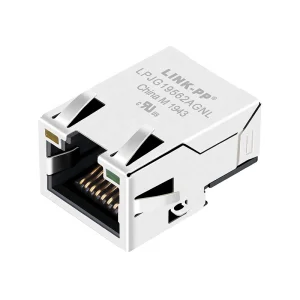
Our products feature specific physical jack geometry where the final mating point is located away from the arcing zone. This design ensures that any surface pitting from connection sparks does not affect the signal transmission area.
Lumetra Optoelectronics Technologies Co., Ltd. is a professional manufacturer specializing in high-speed optical transceivers and fiber optic communication solutions for datacom, telecom, and cloud infrastructure applications. Founded in 2016, the company has developed into a reliable supplier with strong engineering capabilities and global export experience.
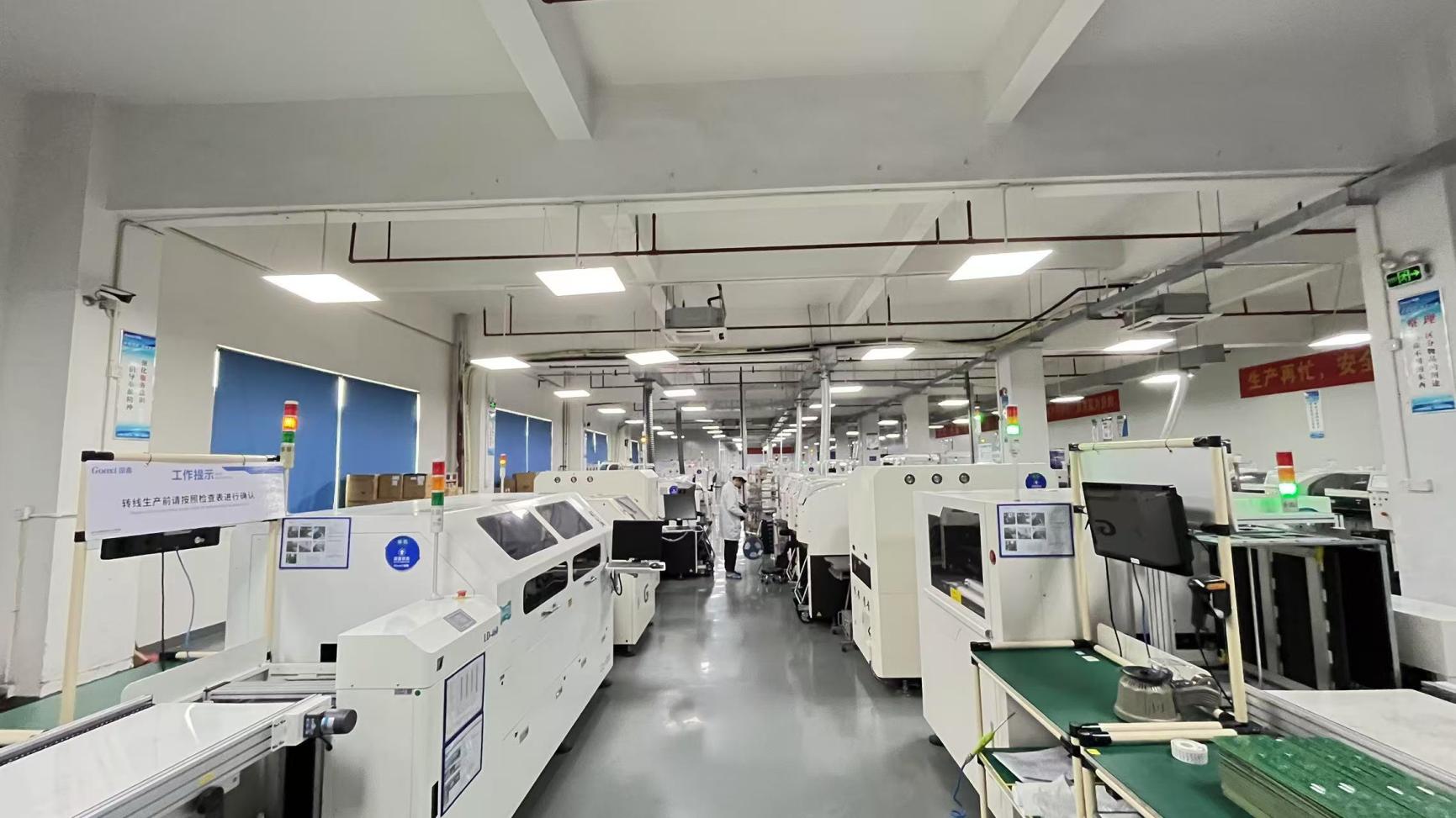
The company operates a production facility covering approximately 8,500㎡, supporting efficient manufacturing and quality-controlled assembly processes. With annual export revenue reaching around USD 18 million, Lumetra has built stable international business channels and accumulated 7 years of export experience, backed by 11 years of overall industry expertise.
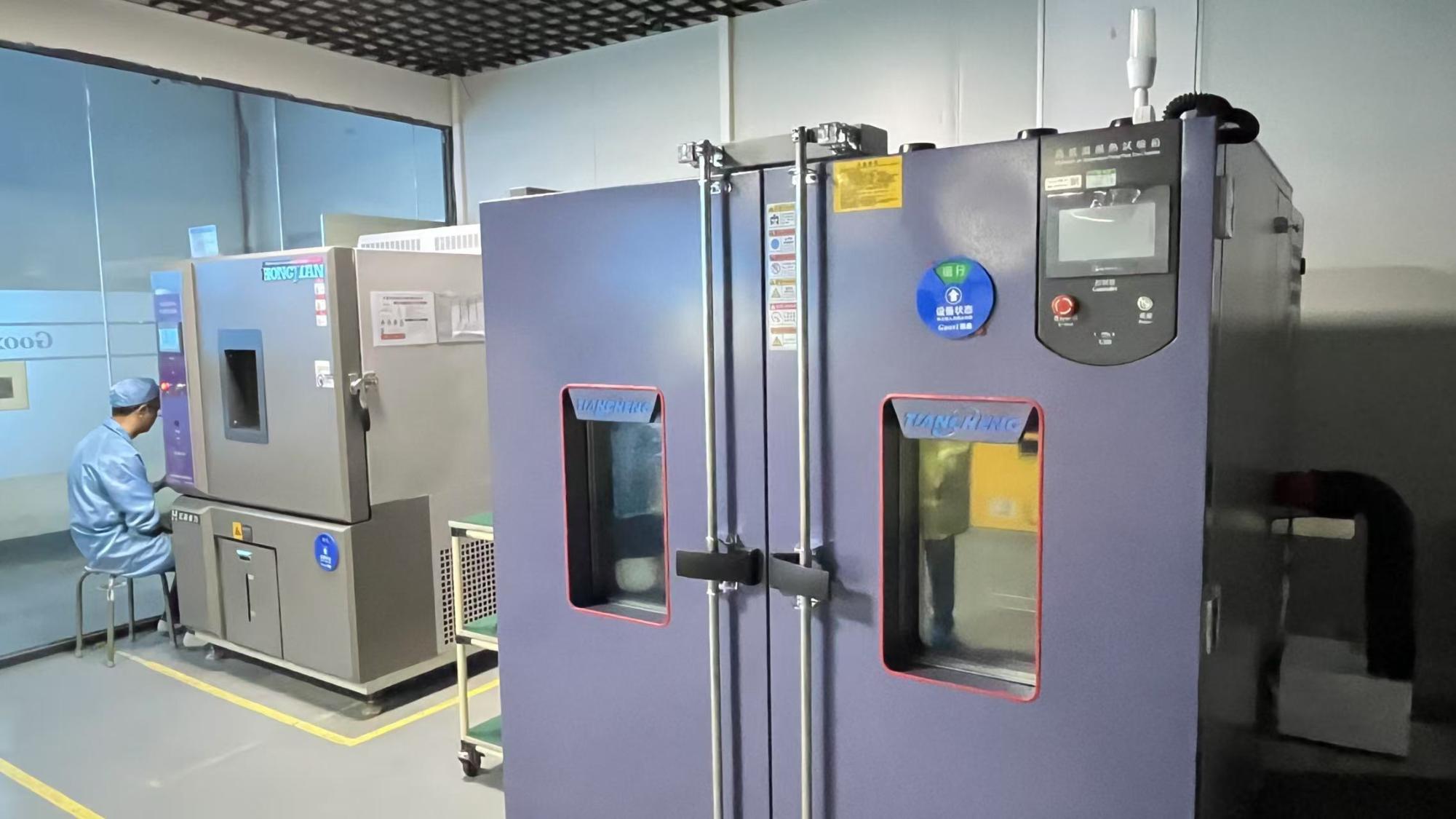
Quality assurance is maintained through a combination of automated optical performance testing, environmental stress screening, and manual inspection processes. The quality control team consists of 48 trained inspectors ensuring strict compliance with international standards.
Lumetra maintains a diversified trade background with strong presence in OEM and ODM markets. Its primary markets include North America, Europe, Southeast Asia, and the Middle East, serving telecom operators, data center integrators, and network equipment distributors.
The company collaborates with over 1,200 supply chain partners to ensure stable component sourcing and manufacturing efficiency. Its customer base mainly includes telecom carriers, hyperscale data centers, system integrators, and optical network equipment brands.
With strong R&D capability, Lumetra supports advanced customization including protocol compatibility, wavelength tuning, form factor adaptation, and power optimization. The company employs 86 R&D engineers focused on optical design, hardware development, and signal integrity optimization.
In the past year, Lumetra launched approximately 220 new products, reflecting its continuous innovation in high-speed optical communication technologies.


Exporting network components globally requires adhering to regional regulatory frameworks and certification standards. Lumetra’s complete product catalog—encompassing copper RJ45 modular jacks, SFP+ transceivers, and hybrid distribution assemblies—conforms to international environmental and safety standards.
Utilizing a network of over 1,200 supply chain partners, Lumetra maintains production continuity even during raw material shortages. In-house automated warehouse management systems minimize raw material lead times.
We offer customs clearances and DDP (Delivered Duty Paid) routing options through freight forwarders for customers across Europe, North America, and Southeast Asia.
As transmission speed demands increase, patch panel technology must keep pace. Our engineering roadmap focuses on integrating structural copper configurations with high-density optoelectronic interfaces.
Development of integrated Smart Patch Panels with Automated Infrastructure Management (AIM) sensor overlays.
Expansion of next-generation SFP28/SFP56 cage components with improved thermal dissipation materials.
Release of Ultra-Density Hybrid panels combining Cat8-ready copper ports with high-speed fiber patch adapters.
Cat6 patch panels are rated for speeds up to 1Gbps and support frequencies of up to 250 MHz, suitable for standard office connections. Cat6A panels are engineered to handle speeds up to 10Gbps over the full 100-meter channel and support frequencies of up to 500 MHz. Cat6A panels feature increased physical spacing and internal shielding to control Alien Crosstalk (ANEXT), which is critical at higher frequencies.
Shielded Twisted Pair (STP) panels feature integrated metallic housing that wraps around the keystone jacks, blocking external EMI/RFI. In high-density settings like data centers, routing thousands of copper lines together generates significant electromagnetic noise. STP panels safely route this energy to the rack ground, protecting data packets from corruption.
We apply a 50 micro-inch gold-plating layer over a nickel barrier on all modular RJ45 jack contacts. This thick gold plating resists the wear and electrical erosion caused when connectors are mated or unmated under the 90W-100W loads typical of modern PoE++ devices.
Patch panels are backward compatible. A Cat6 panel works well with Cat5e cabling, though the link will operate at Cat5e performance levels. Connecting Cat6A cabling to a Cat6 patch panel is possible, but it creates a transmission bottleneck that limits the channel bandwidth to Cat6 specifications, preventing the system from achieving 10Gbps speeds.
Our engineering team can customize products to meet specific requirements, including custom labeling, color coding, grounding options, and hybrid panel configurations that mix copper ports with optical SFP modules. Our R&D team can design and build prototype panels to match your mechanical layout and electrical requirements.
Our quality assurance process uses automated optical inspection (AOI) to check solder joints and trace layouts, combined with network analyzers to test transmission performance. Environmental stress chambers verify product reliability under temperature cycling and humidity, and our 48-inspector QA team carries out final verification to maintain standard conformance.