 Lumetra
Lumetra
Lumetra
Premium selection of single-mode and multi-mode SFP optical transceivers for industrial Ethernet switches, SCADA systems, and enterprise legacy communication infrastructures in the United States.
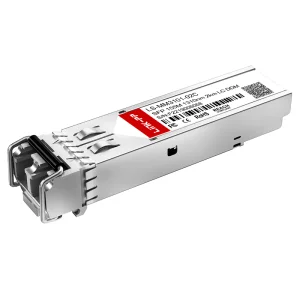
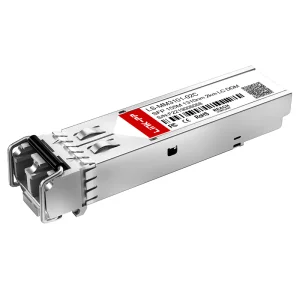
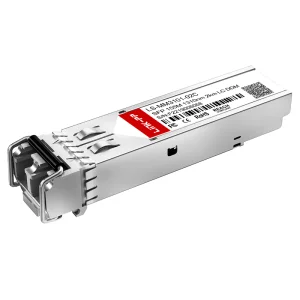
While the consumer internet and hyperscale cloud providers consistently push for 400G and 800G optical links, critical infrastructure across the United States depends heavily on the resilience, maturity, and stability of 155Mbps and 622Mbps SFP modules. Legacy optical systems, SONET (Synchronous Optical Network) OC-3/OC-12 structures, and industrial SCADA (Supervisory Control and Data Acquisition) systems rely on these specific speeds to guarantee minimal packet loss and absolute timing accuracy over long distances.
From smart grids operated by utility companies in the Midwest, to state-wide traffic monitoring networks managed by regional departments of transportation, upgrading legacy fiber rings to 10G or 100G is cost-prohibitive and technically unnecessary. Modern 155M and 622M SFPs act as the bridge, ensuring that existing single-mode and multi-mode networks continue to operate without interruption, while allowing compatible hardware replacement without upgrading the entire chassis switchboard.
Specifically matched systems designed for seamless integration into Moxa, Hirschmann, and standard industrial setups deployed across American production and automation sites.
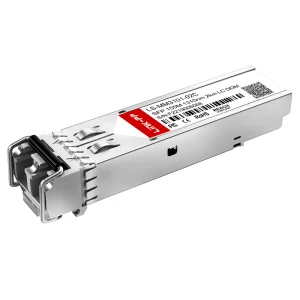
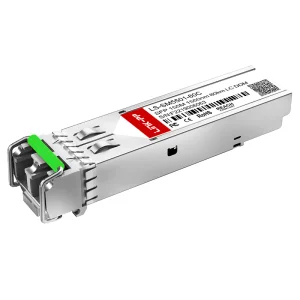
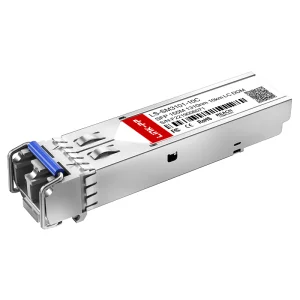
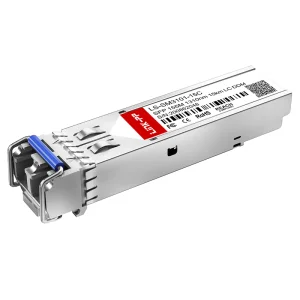
Sourcing high-quality 155M/622M optical hardware from a qualified Chinese manufacturer offers significant technical and economical advantages for buyers in the United States. Lumetra Optoelectronics Technologies Co., Ltd. matches rigorous performance compliance with direct-to-customer manufacturing cost efficiencies, bypassing the bloated markups of intermediate distributors.
| Performance Spec | Lumetra Factory Standard | Value to US Procurements |
|---|---|---|
| DDM Support | Integrated Real-time Digital Monitoring | Advanced system diagnostics & warning alerts |
| Compatibility | Coding engineered for 50+ major vendors | Universal system interoperability without locking |
| Temp Tolerances | Industrial (-40°C to 85°C), Extended options | Outdoor cabinet deployments, weather-resilient |
| Fail Rates | Under 0.05% returned on shipment lines | Low replacement expenses, minimal downtime |
Founded in 2016, Lumetra operates a state-of-the-art production facility spanning approximately 8,500 square meters. The plant integrates automated optical performance testing, high-speed component alignment, and strict environmental stress screening. Our engineering team comprises 86 R&D professionals who optimize physical layout, signal integrity, and microcode programming.
With an annual export revenue of approximately USD 18 million and 7 years of deep international trade expertise, we supply telecom operators, smart city integrators, and network component distributors across North America, Europe, and Asia. Our direct supply relationship allows us to design and program customized configurations for specialized wavelengths, single-fiber bidirectional links, and industrial switch combinations.
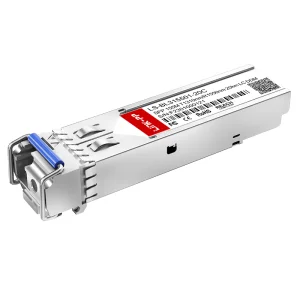
Comprehensive array of bidirectional and long-reach single-mode optical transceivers. Ideal for optimizing fiber usage through BiDi technology and establishing connections up to 80 kilometers.
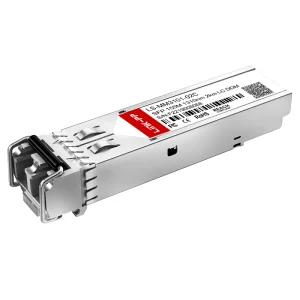
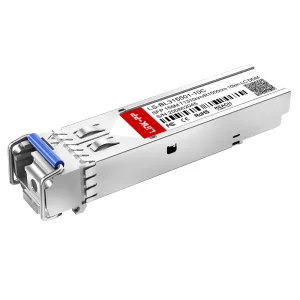
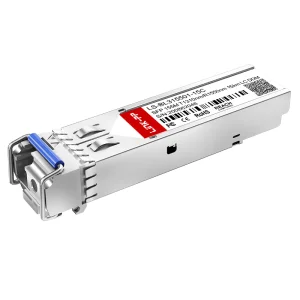
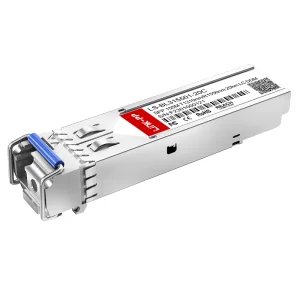
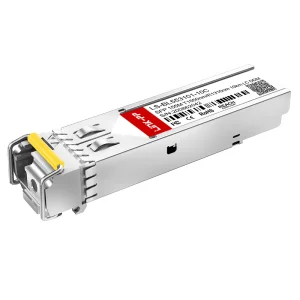
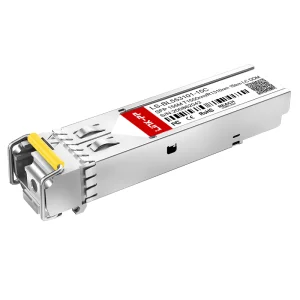
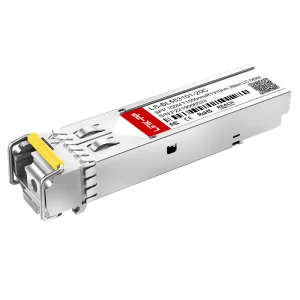
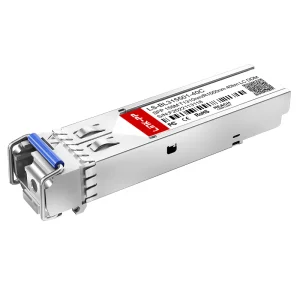
Optical hardware reliability is non-negotiable. A failing transceiver inside an industrial control cabinet could shut down a power grid node, disconnect critical rail signaling, or stop production lines. Lumetra implements a comprehensive quality assurance protocol designed to maintain defect levels under 0.05% across our international delivery channels.
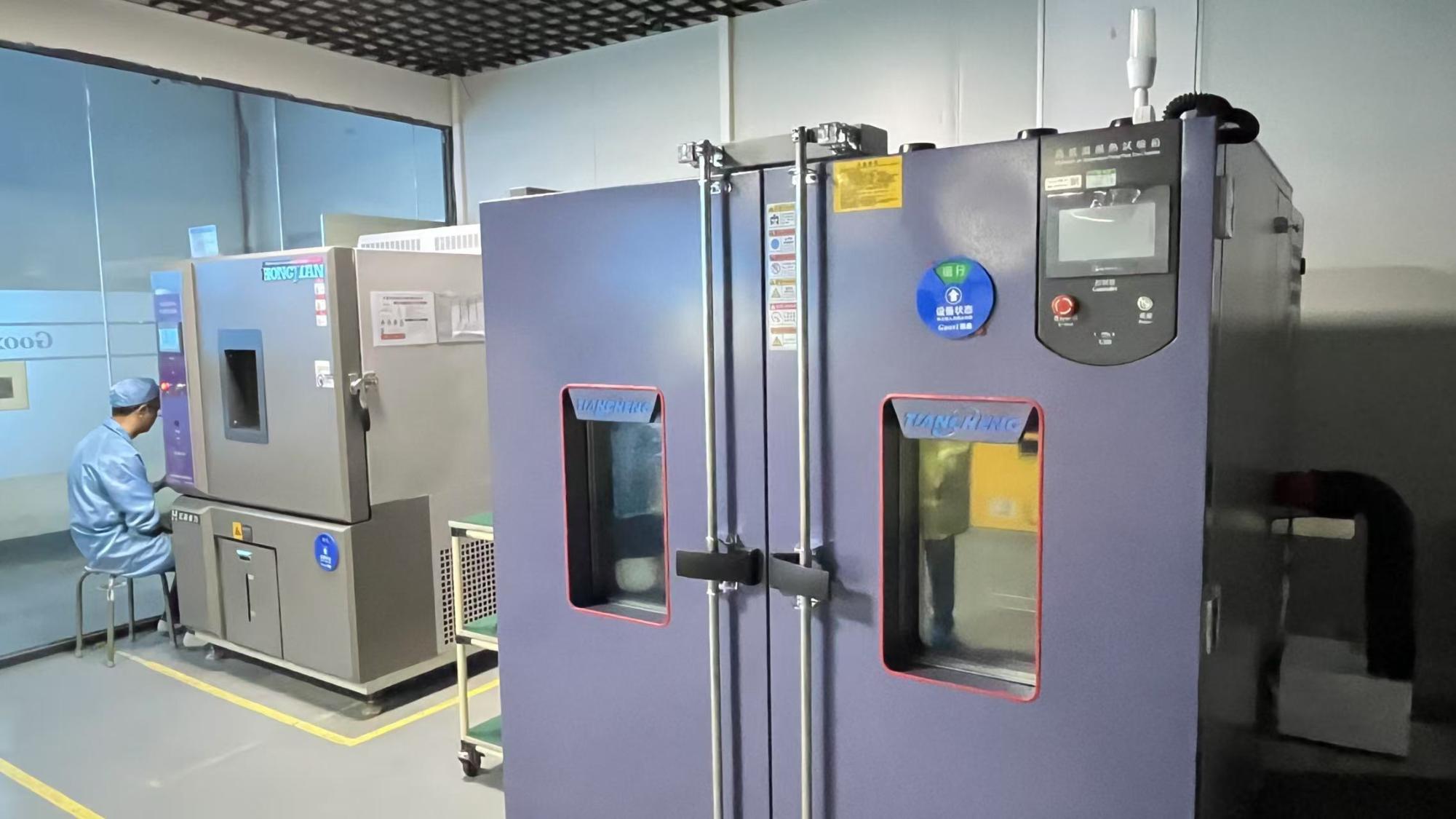
Our quality assurance department consists of 48 dedicated, trained inspectors who supervise every production stage. Quality inspections encompass cleanroom optical packaging, automatic active alignment, rigorous thermal cycle testing, and system-level validation. Transceivers undergo automated optical spectrum verification, eye diagram screening, and bit-error-rate testing to ensure clean signaling over maximum specified fiber lengths.
To guarantee complete compatibility with regional enterprise systems in North America, we perform hardware-in-the-loop interoperability validation with target switches, including Moxa, Hirschmann, Cisco, Juniper, and Netgear. The EEPROM programming is fully customized to enable direct recognition by host switches, preventing software blockages and compatibility errors.



In-depth insights covering compliance, hardware compatibility, system programming, and logistics for network architects and procurement managers in the United States.
Critical infrastructure networks value transmission stability and system reliability over sheer speed. Applications like electrical substation SCADA, Class I railroad signaling, and road traffic networks utilize SONET/SDH OC-3 (155M) and OC-12 (622M) protocol layouts. High-speed signals suffer higher attenuation and dispersion over legacy glass fibers, requiring expensive upgrades. Low-speed transceivers are reliable, draw less power, and operate over longer distances without signal regeneration.
Our engineering team analyzes and codes matching EEPROM firmware for each system model. Before shipping, each batch of transceivers is tested inside our dedicated laboratory on original host hardware (e.g., Moxa EDS series, Hirschmann RS20/RS30 switches). This prevents software recognition lockouts and diagnostic errors.
Standard duplex SFPs require two physical optical fibers—one to transmit and one to receive. BiDi transceivers use wavelength division multiplexing (WDM), transmitting at 1310nm and receiving at 1550nm (or vice-versa) on a single strand of fiber. Sourcing BiDi modules allows municipal network operators to double their network capacity over existing fiber infrastructure without laying new physical cables.
Yes. Outdoor cabinets across the US encounter severe temperatures. We manufacture both commercial-grade (0°C to 70°C) and industrial-grade (-40°C to 85°C) versions. Our industrial-grade transceivers use specialized temperature-hardened lasers, photodetectors, and heavy-duty metal housing designed to prevent thermal drift.
All transceivers are produced in compliance with international standards, including CE, FCC, RoHS, and MSA guidelines. We implement structured serial tracking to ensure visibility of key components, supporting American system integrators' quality verification processes.