Lumetra
Lumetra
Lumetra
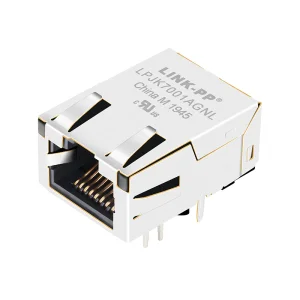
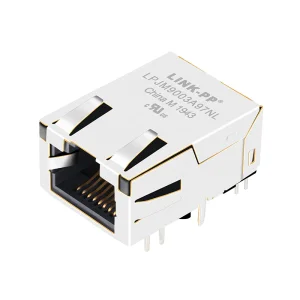
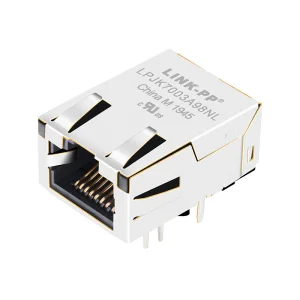
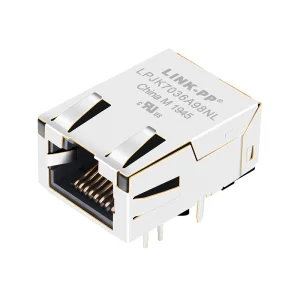
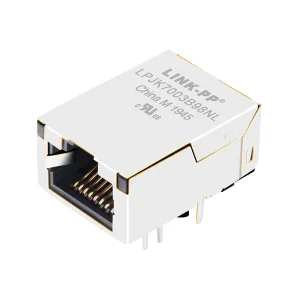
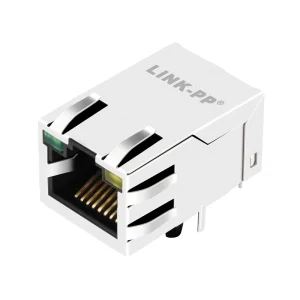
Designed specifically for spatial-restricted assemblies, these low-profile network jacks offer optimized magnetic shielding and space efficiency for enterprise network switchboards and military embedded systems in the Australian Capital Territory.
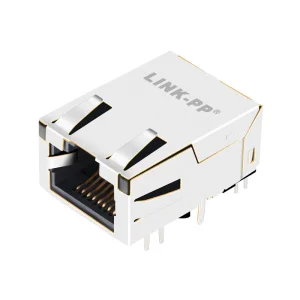
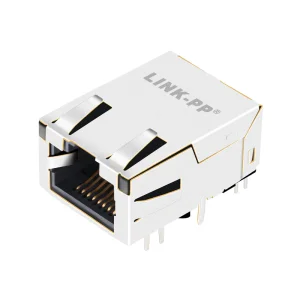
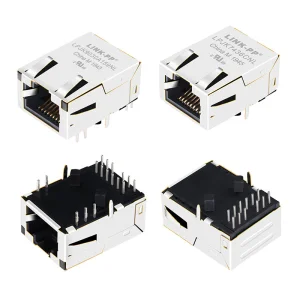
As the seat of Australia's Federal Government and the epicenter of domestic intelligence, cyber defence, and technology innovation, the Canberra market demonstrates highly specialized demands for electronic connectors. Technology deployment here is governed by stringent directives concerning data integrity, physical footprint limits, and extreme reliability under continuous workloads. Organizations in areas like Fyshwick, Mitchell, Hume, and Symonston are transitioning rapidly toward high-density computing, secure edge gateways, and IoT integration for intelligent urban administration (Smart Cities).
The procurement of network components in Canberra is distinct because it prioritizes high-spec integration. Standard, bulky RJ45 sockets fail to meet the space constraints of low-profile 1U chassis, embedded military computing modules, and modern optical-to-copper network termination units (NTUs). Furthermore, defense-contracted system integrators and sovereign cloud facilities demand connectors with integrated electromagnetic interference (EMI) suppression (Magjack designs) to achieve compliance with defense-grade emission controls.
Canberra houses critical military and national security installations requiring low-profile hardware configurations to withstand high physical stress and restrict EMI leakages.
Proximity to federal databases demands localized high-speed data pre-processing at the edge, relying heavily on modular, highly compact embedded networking boards.
Integration of 2.5G, 5G, and 10G Base-T protocols inside space-constrained PCB interfaces, requiring superior crosstalk cancellation technologies.
The evolution of the RJ45 interface is not slow; rather, it has adapted systematically to prevent becoming a system bottleneck as transmission speeds escalate. Modern system designs require the reduction of the connector profile height to as low as 11.5mm (and sometimes sub-10mm) to allow maximum airflow over densely packed processor units.
As Australia deploys more dense fiber-to-the-premise and 5G small cells, the requirement for robust physical-layer endpoints grows. The low-profile RJ45 format remains the industry standard for bridging optical media converters and high-capacity wireless backhauls.
Standardizing on specialized low-profile connectors enables global system integrators to resolve multiple physical layout challenges across key vertical markets:
Empowers high-density patch panels, visual media routers, and compact 1U switch modules to accommodate double the port capacity in standard rack space environments.
Integrated PC104 systems, single-board computers (SBCs), and compact industrial motherboards require connectors that align with low-profile heat sinks and case envelopes.
Shielded variants shield mission-critical data signals from heavy electromagnetic pulses (EMP) and external radio frequency interference (RFI) in battlefield equipment.
Entering the Canberra and broader Australian procurement cycle requires strict compliance with local regulatory frameworks. Electronic products and infrastructure components deployed in institutional and defence settings must carry the appropriate compliance marks and satisfy rigorous performance audits.
In addition to product standards, localization support involves ensuring technical field support, fast prototyping turnarounds, and robust local representation. Suppliers with an established local presence or strategic logistics partners in key Australian cities can reduce project lead times from weeks to days, securing a competitive edge in high-stakes government supply tenders.
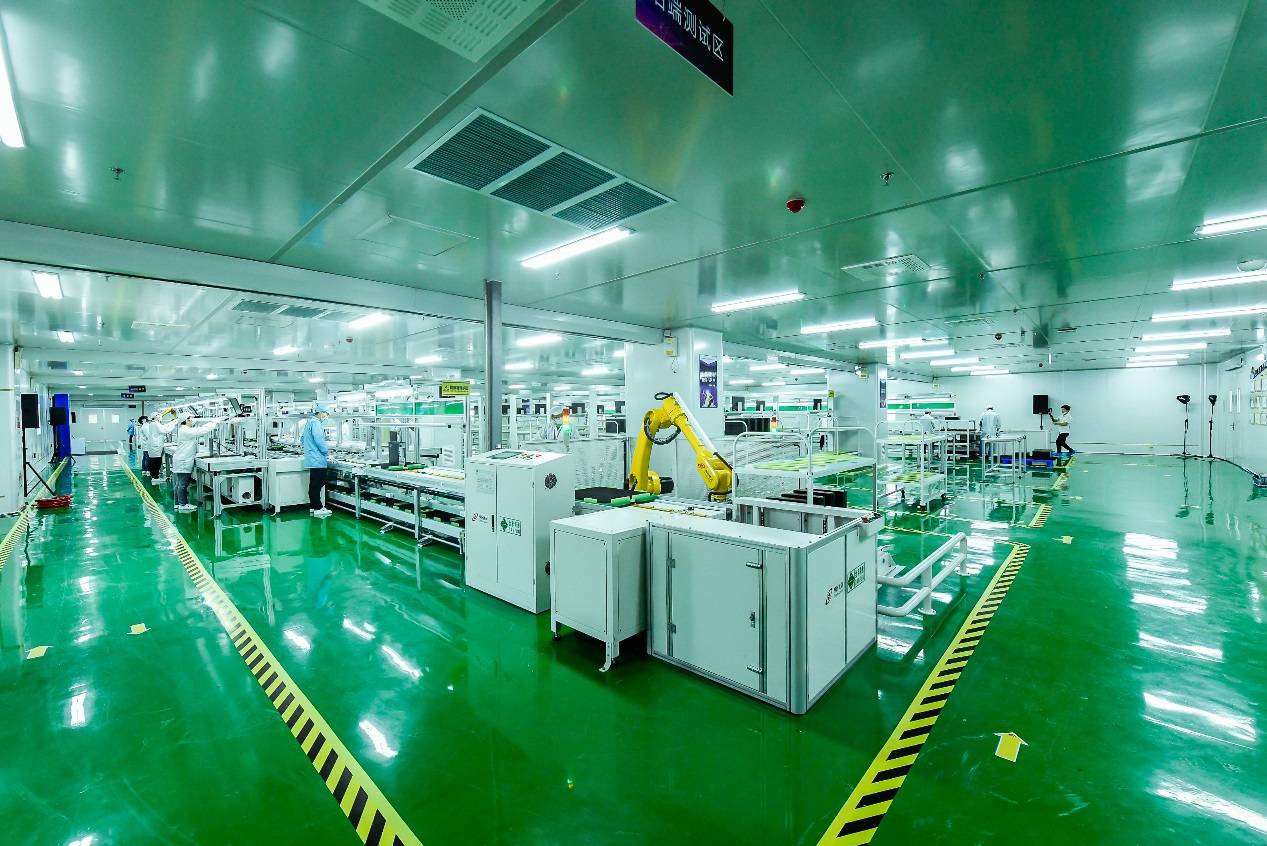
Maintaining a resilient supply chain in today’s volatile macroeconomic climate requires relying on manufacturers that implement advanced industrial production techniques. Lumetra Optoelectronics Technologies Co., Ltd. represents the standard of Factory 4.0 execution. With an overall industry experience of 11 years and specialized export experience spanning 7 years, Lumetra has built a manufacturing model tailored to the high quality demands of modern datacom, telecom, and cloud infrastructure partners worldwide.
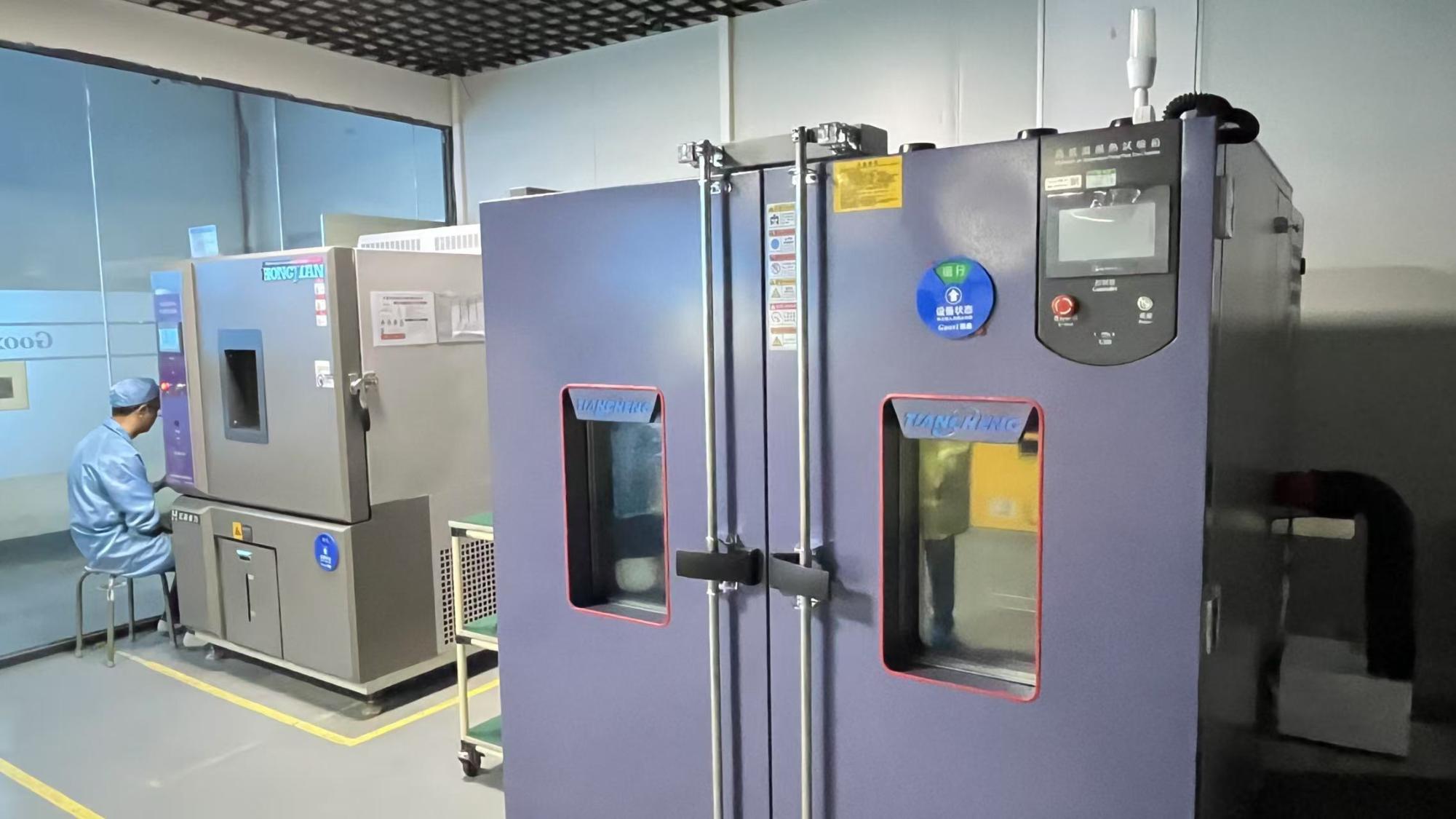
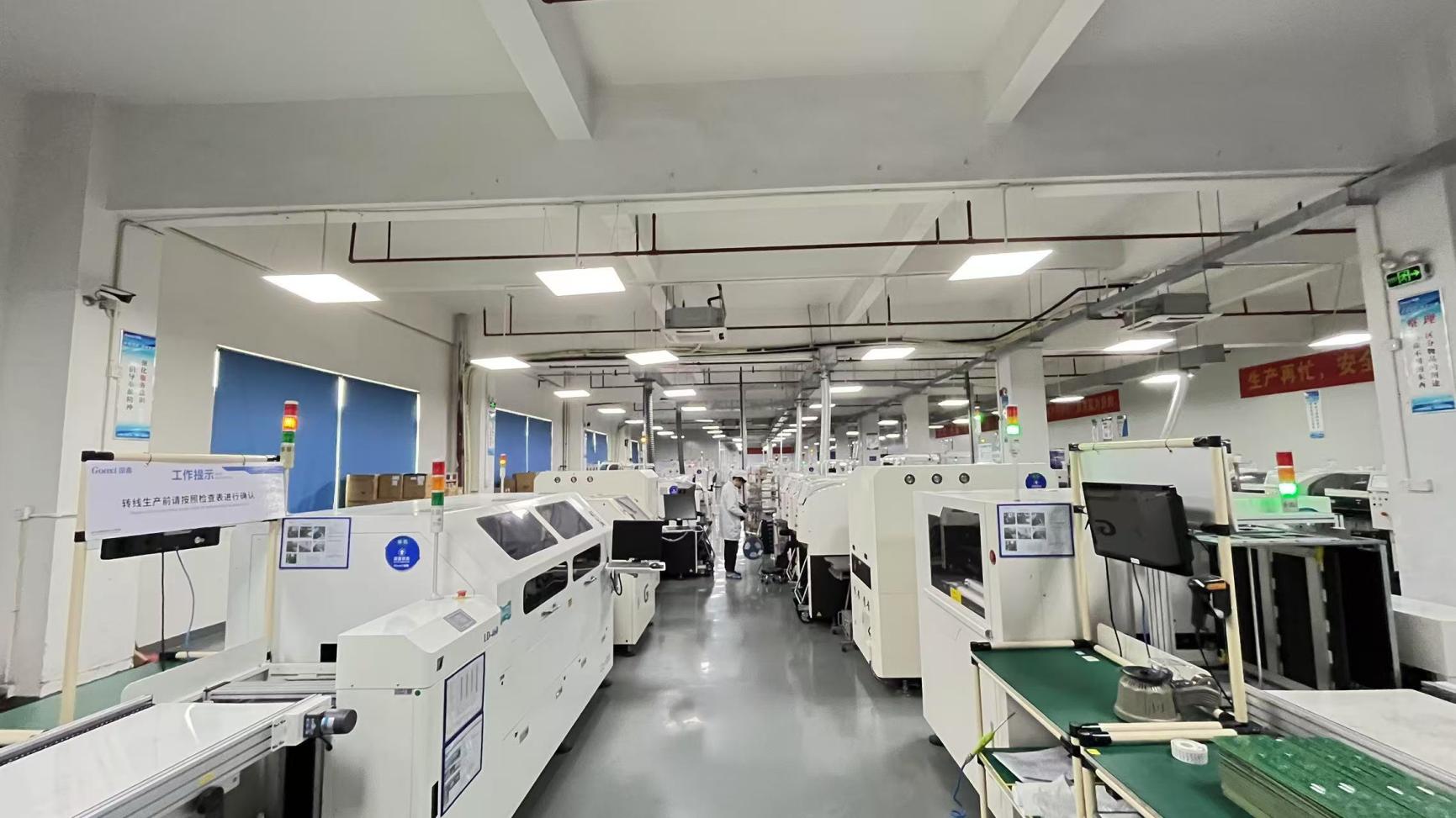
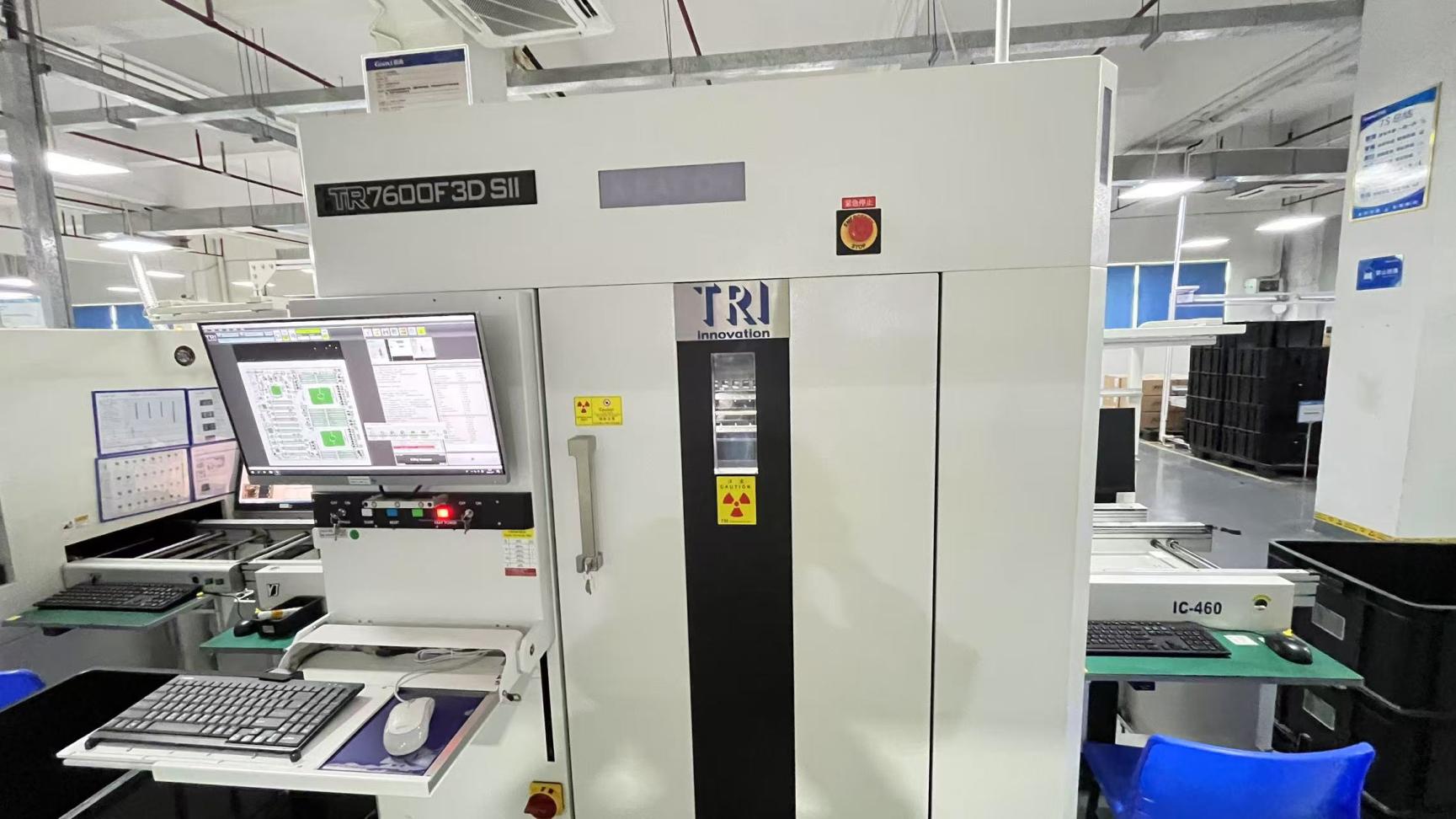
Spanning a modern 8,500㎡ facility, the production floor combines automated optical performance testing, high-velocity precision SMT machinery, and stringent environmental stress screening (ESS) chambers. This ensures that every magnetic network connector and low-profile RJ45 jack meets target specifications under continuous usage. Quality control is managed by a team of 48 qualified inspectors who run testing cycles compliant with international standards, ensuring defects are caught long before components reach shipping containers.
Furthermore, Lumetra’s strong research division—staffed by 86 R&D engineers—enables direct customization options (including wavelength tuning and protocol compatibility for optical modules, along with custom magnetic winding configurations for RJ45 connectors). By partnering with over 1,200 verified supply chain partners, Lumetra guarantees material supply consistency and stable component sourcing even during periods of global logistics volatility. The result is a highly adaptive production line that successfully released approximately 220 new products last year, maintaining a consistent supply of modern networking solutions to buyers across North America, Europe, Southeast Asia, and the Middle East.
When procurement officers and network design engineers source components from global manufacturers for deployment in regional hubs like Canberra, the evaluation process should cover several critical technical and operational parameters:
Explore our full selection of low-profile, integrated magnetics, and LED-equipped RJ45 female sockets. Select a model below to access technical drawings and request standard engineering samples.
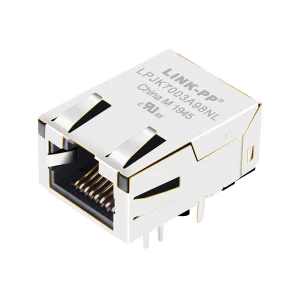
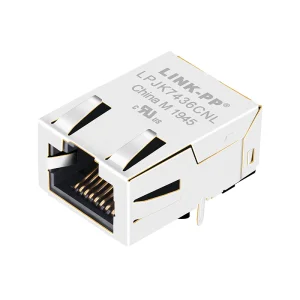
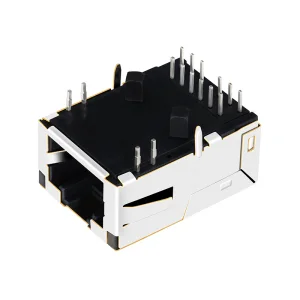
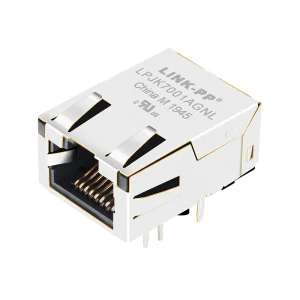
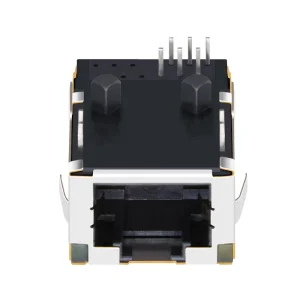
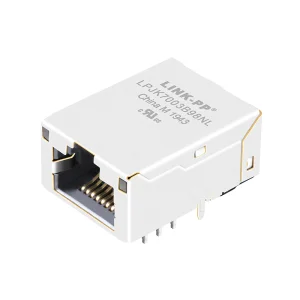
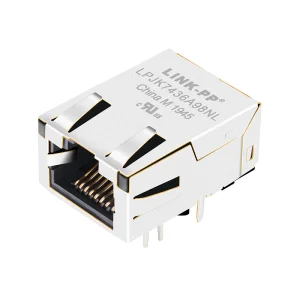
Key technical details regarding the engineering, selection, and deployment of low-profile Ethernet jacks in professional systems.
A low-profile RJ45 connector is engineered with a reduced physical height, typically measuring between 9.5mm and 11.5mm from the PCB surface. This is significantly lower than standard RJ45 modular jacks, which often exceed 14mm to 16mm in height. This height reduction allows designers to utilize them in space-constrained layouts such as slim 1U rack-mount servers, PC104 single-board computers, and compact optical network terminals.
Integrating the magnetics (isolation transformers, common-mode chokes, and resistors) directly inside the connector shield shell eliminates the need for external filtering chips on the PCB. This configuration reduces trace lengths between the physical layer (PHY) chip and the connector port, improving signal integrity and EMI suppression. Additionally, it frees up critical board real estate, simplifying trace routing in high-density multi-port designs.
Yes, specific models in our catalog are designed with high-performance magnetic assemblies and internal shielding partitions that support transmission frequencies up to 500 MHz. This allows them to run 10G Base-T copper Ethernet over Cat6A cabling, making them suitable for high-speed switch uplinks and server interfaces in modern data centers.
This refers to the orientation of the plastic latch lock of the RJ45 cable plug. In a "Tab Up" jack, the physical locking clip on the plug points upward relative to the PCB surface. In a "Tab Down" configuration, the latch points down toward the board. Selecting the correct orientation depends on the structural constraints of the device housing and the proximity of other board components to ensure easy insertion and removal.
For military and government installations in Canberra, connectors must feature robust shielding (often with multiple grounding tabs) to minimize EMI. They must also meet flammability ratings like UL 94V-0, operate across a wide temperature range (-40°C to +85°C), and use contact terminals with at least 50 micro-inches of gold plating to resist corrosion and degradation under mechanical stress.
Lumetra Optoelectronics Technologies Co., Ltd. is a professional manufacturer specializing in high-speed optical transceivers and fiber optic communication solutions for datacom, telecom, and cloud infrastructure applications. Founded in 2016, the company has developed into a reliable supplier with strong engineering capabilities and global export experience.
The company operates a production facility covering approximately 8,500㎡, supporting efficient manufacturing and quality-controlled assembly processes. With annual export revenue reaching around USD 18 million, Lumetra has built stable international business channels and accumulated 7 years of export experience, backed by 11 years of overall industry expertise.
Quality assurance is maintained through a combination of automated optical performance testing, environmental stress screening, and manual inspection processes. The quality control team consists of 48 trained inspectors ensuring strict compliance with international standards.
Lumetra maintains a diversified trade background with strong presence in OEM and ODM markets. Its primary markets include North America, Europe, Southeast Asia, and the Middle East, serving telecom operators, data center integrators, and network equipment distributors.
The company collaborates with over 1,200 supply chain partners to ensure stable component sourcing and manufacturing efficiency. Its customer base mainly includes telecom carriers, hyperscale data centers, system integrators, and optical network equipment brands.
With strong R&D capability, Lumetra supports advanced customization including protocol compatibility, wavelength tuning, form factor adaptation, and power optimization. The company employs 86 R&D engineers focused on optical design, hardware development, and signal integrity optimization.
In the past year, Lumetra launched approximately 220 new products, reflecting its continuous innovation in high-speed optical communication technologies.