Lumetra
Lumetra
Lumetra
High-speed transceivers, telecom transformers, and discrete connector modules optimized for Nepal's growing telecom networks and broadband expansions.
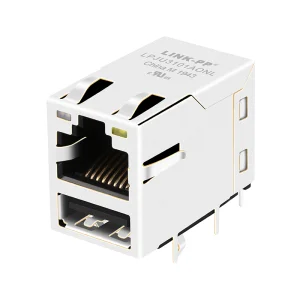
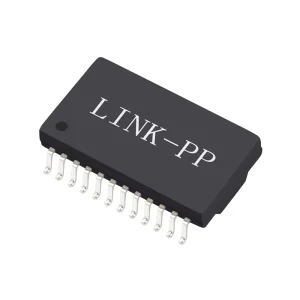
In the field of high-speed telecommunications and networking hardware design, the selection of the physical interface is critical. Historically, designers relied on integrated connector modules (ICMs), commonly referred to as MagJacks, which embed the Ethernet isolation magnetics (transformers and common-mode chokes) inside the RJ45 housing. However, high-speed architectures, industrial automation systems, and challenging operational environments are driving a major shift back to RJ45 without magnetics (discrete designs).
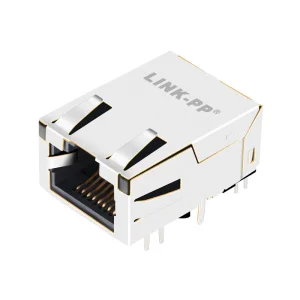
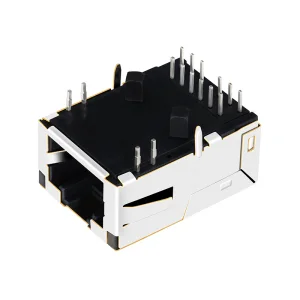
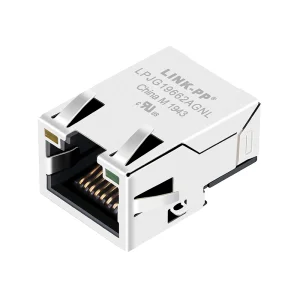
An RJ45 without magnetics is a mechanical connector containing only the physical pins, housing, and optional LED components. The magnetic isolation elements are placed separately on the system's motherboard (PCB) using discrete components. This architectural division offers distinct engineering advantages:
For telecommunication systems operating in unpredictable environments, discrete layouts are highly resilient. If an electrical surge damages the magnetic element, only the inexpensive discrete transformer needs replacement on the board, rather than replacing the entire integrated RJ45 jack assembly.
Nepal is undergoing a major digital transformation. Backed by initiatives from the Nepal Telecommunications Authority (NTA) and major private ISPs such as Worldlink, Subisu, and Vianet, Fiber-to-the-Home (FTTH) and Gigabit Ethernet routing deployments are expanding rapidly. This includes urban centers like Kathmandu, Lalitpur, and Pokhara, as well as rural mountainous regions.
However, the geographic and environmental realities of Nepal present unique challenges for electronic and networking components:
Furthermore, Nepal's active investments in run-of-the-river hydropower plants (such as the Upper Tamakoshi and Trishuli projects) demand ruggedized, industrial-grade automation electronics. Control panels in these hydropower plants rely heavily on discrete Ethernet circuits to handle electromagnetic interference (EMI) generated by heavy turbine generators.
In the global electronic component market, supply chain resilience is critical. Disruptions, raw material shortages, and rising logistics costs require strategic sourcing strategies. This is where Lumetra Optoelectronics Technologies Co., Ltd. serves as a reliable manufacturing partner.
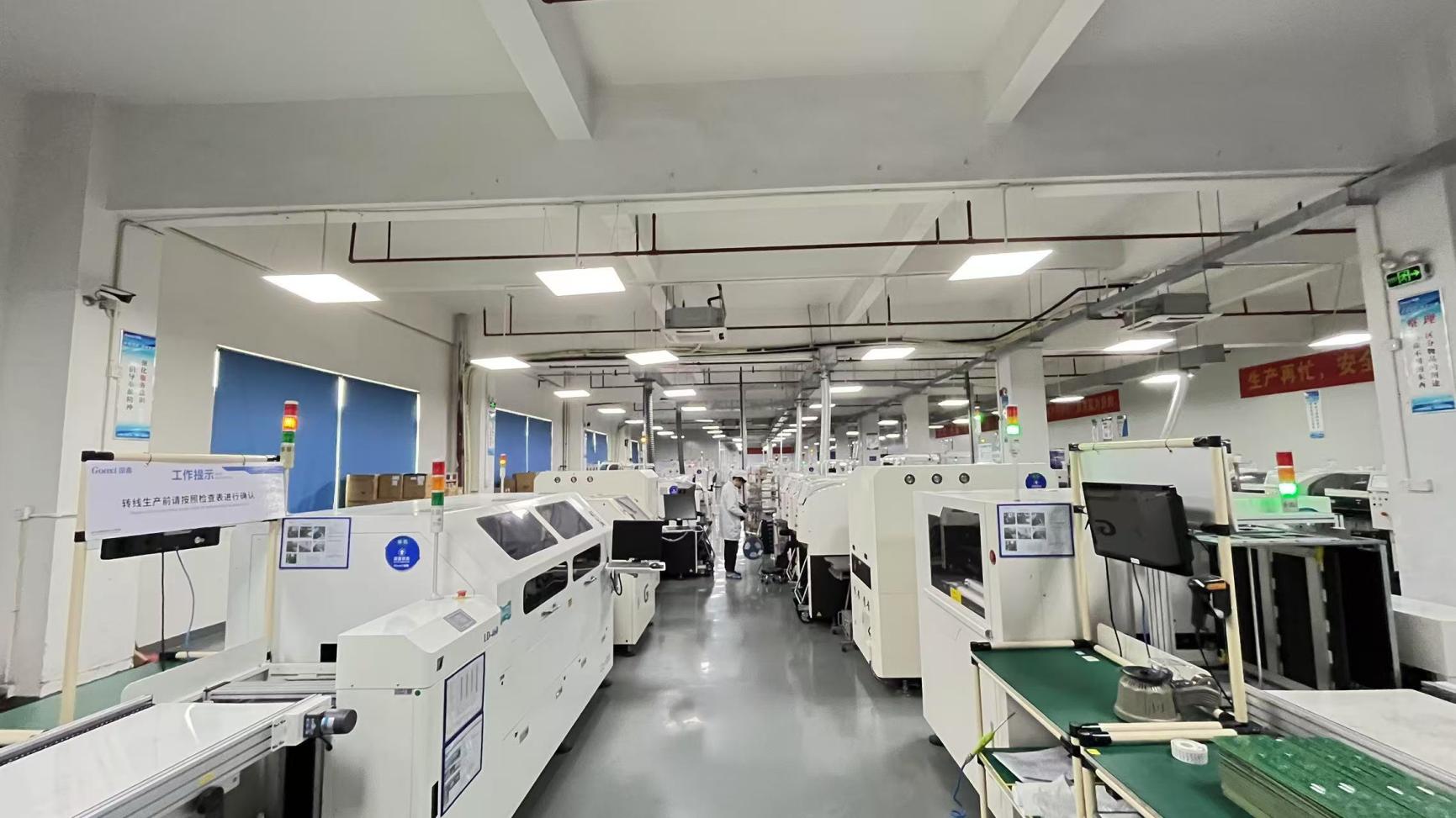
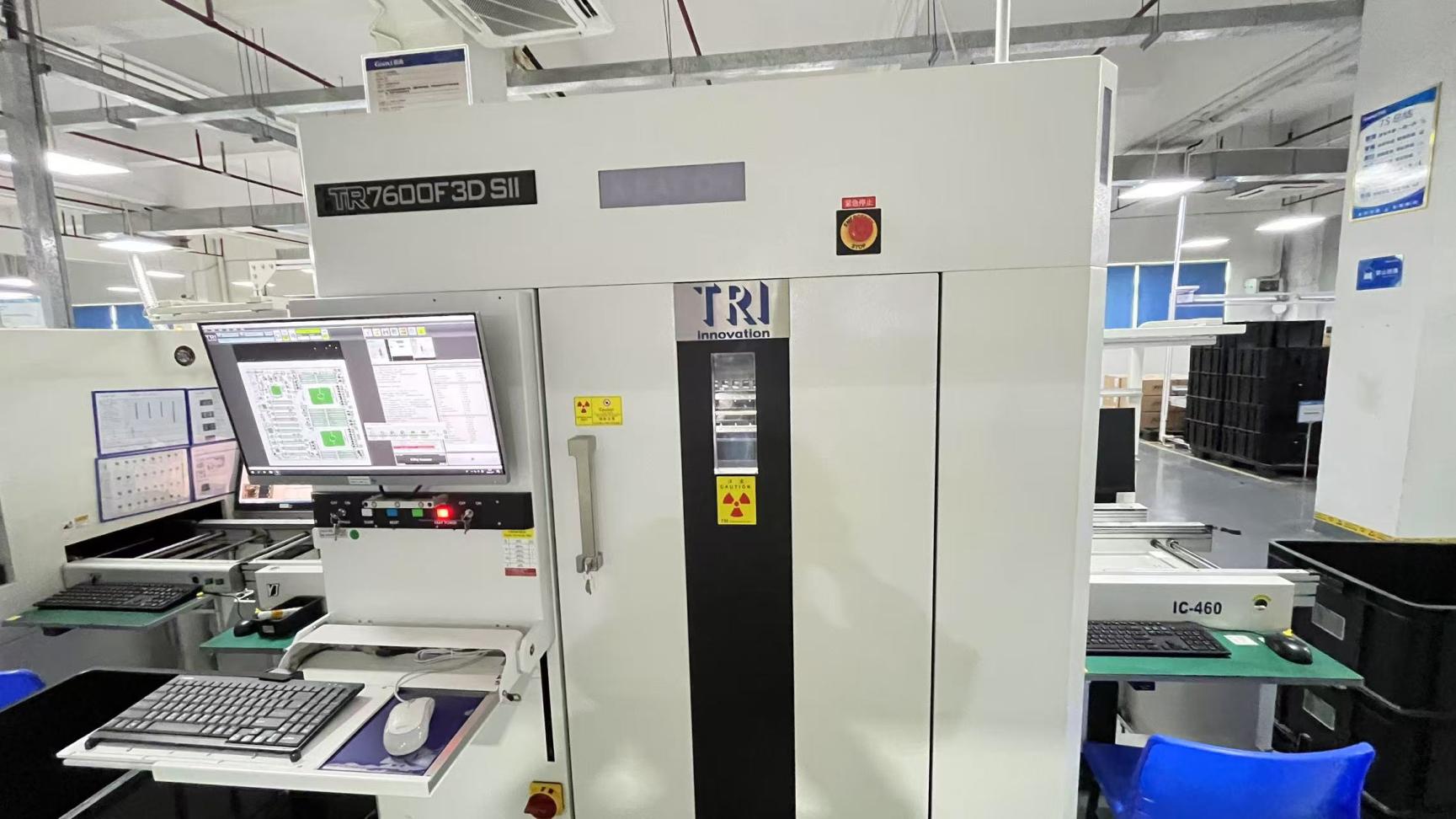
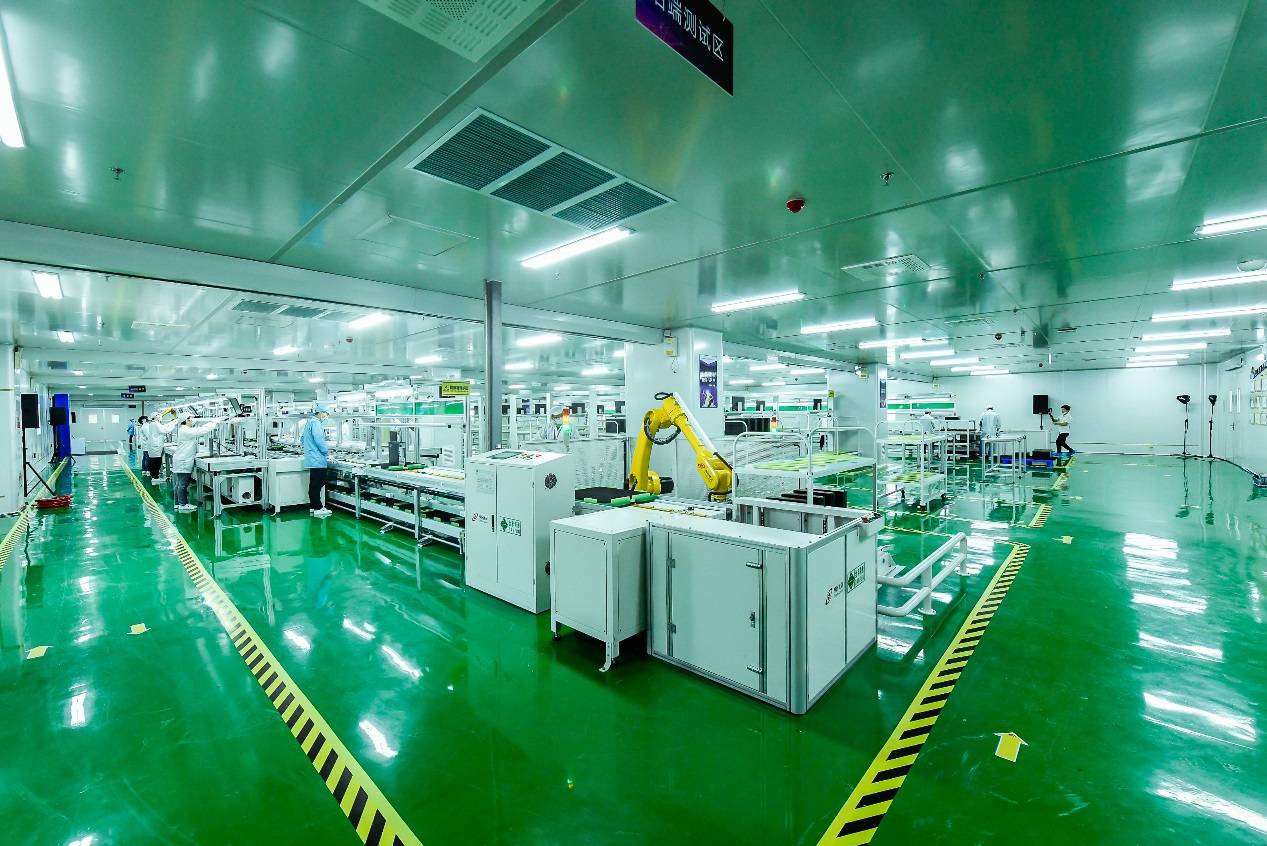
Operating an advanced 8,500㎡ production facility, Lumetra utilizes Industry 4.0 automation systems, including automated high-speed pin insertion, precision plastic injection molding, and computerized visual inspections. This level of factory automation ensures consistent mechanical tolerances, low contact resistance, and long-term mating cycle durability.
| Parameter | Integrated RJ45 Connector (ICM) | Lumetra Discrete RJ45 (Without Magnetics) | Nepal Deployment Benefit |
|---|---|---|---|
| Isolation Rating | 1.5 kV AC (Typical) | 3 kV to 6 kV AC (System Determined) | Protects against monsoon lightning surges. |
| Z-Height (Profile) | 13.5mm - 16.5mm | Low-profile down to 10.0mm | Enables ultra-thin ONT and terminal casings. |
| Operational Temp | -40°C to +85°C | -55°C to +125°C (Extended Grade) | Reliable performance in cold mountain climates. |
| Component Sourcing | Single-sourced manufacturer | Multi-source standard footprint | Reduces risk of supply chain blockages. |
With 11 years of overall industry expertise and 7 years of global export experience, Lumetra manages product lifecycles effectively. Collaborative product development, backed by 86 dedicated R&D engineers, allows us to customize components to meet Nepalese telecommunication standards, including specific gold-plating thicknesses (from 3u" to 50u") to prevent oxidation in high-humidity regions.
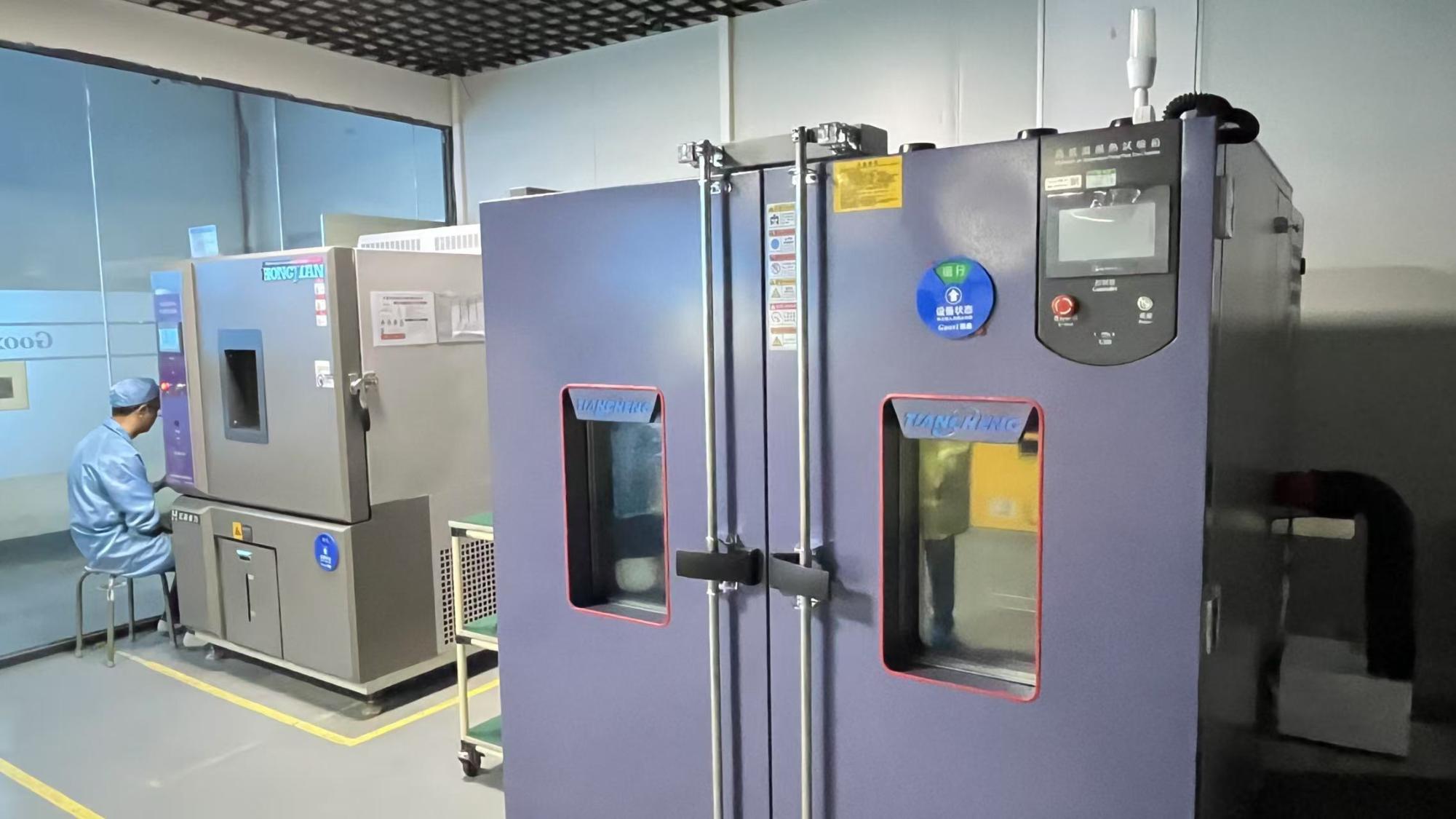
At Lumetra, component quality is ensured through a multi-stage testing process. We deploy a quality control team of 48 trained inspectors who monitor assembly from raw materials to final packaging. Our testing protocol includes:
Lumetra collaborates with over 1,200 supply chain partners, ensuring access to quality raw materials like high-temperature LCP plastics and high-grade phosphor bronze. This robust network ensures manufacturing efficiency and stable pricing, even during global market fluctuations.
Key design insights and integration details for design engineers and procurement teams in Nepal and globally.
The primary challenge is managing electromagnetic interference (EMI) and differential trace routing on your PCB. Without shielding inside the connector block, differential pairs must be carefully routed from the PHY chip to the discrete transformer, and then to the RJ45 pins. Keep these traces as short as possible, maintain a constant 100-ohm differential impedance, and ensure a solid, uninterrupted reference ground plane directly beneath them.
As altitude increases, atmospheric pressure drops, reducing the breakdown voltage of the surrounding air (Paschen's Law). For networking equipment operated above 2,000 meters, this increases the risk of sparkover and electrical arcing across contacts. Selecting high-quality, non-magnetic RJ45 connectors with strict pin clearances, combined with high-grade PCB-mounted discrete isolation transformers, helps maintain safe electrical isolation.
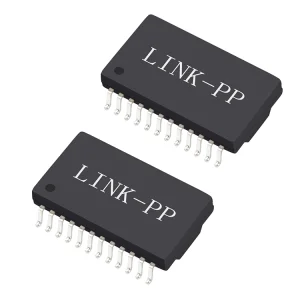
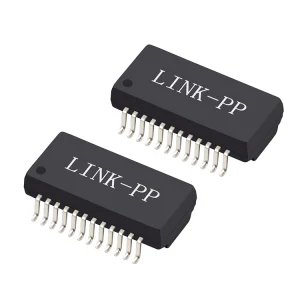
Yes, absolutely. PoE injection is handled by the transformer circuit and the center taps, not by the mechanical connector itself. In fact, using a high-quality non-magnetic RJ45 jack paired with a robust discrete transformer (such as our IEEE 802.3 1000BASE-TX PoE Telecom Transformer) allows the board to safely support higher current levels (PoE+ or PoE++) without generating excess heat inside the connector assembly.
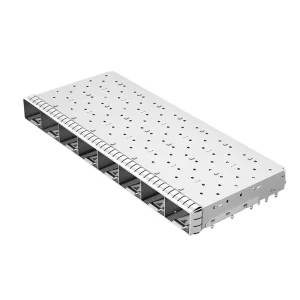
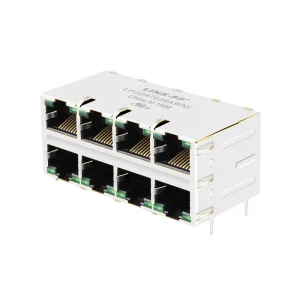
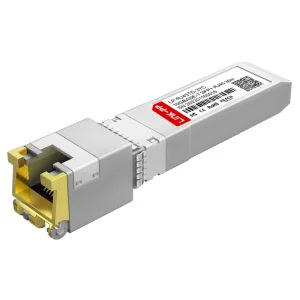
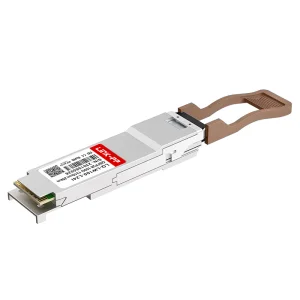
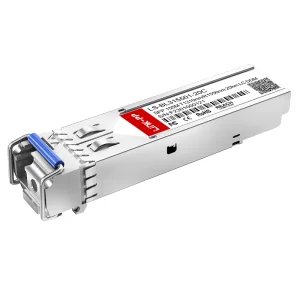
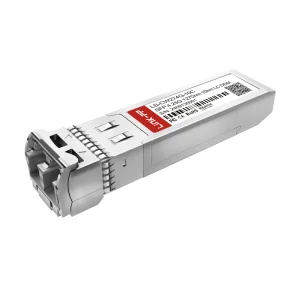
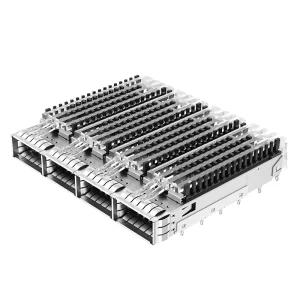
Browse our full range of network couplers, SFP cages, transceivers, and specialized low-profile RJ45 modules. All links point directly to detailed product specifications.
An inside look at our 8,500㎡ facility, where our automated production lines and quality inspection processes ensure reliable manufacturing.