Lumetra
Lumetra
Lumetra
Premium SFP interfaces and RJ45 structures optimized for high-density Osaka-based automation lines and global distribution.
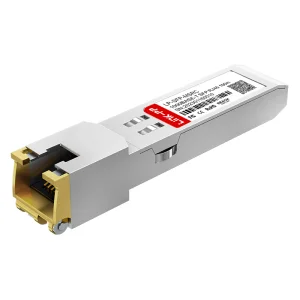
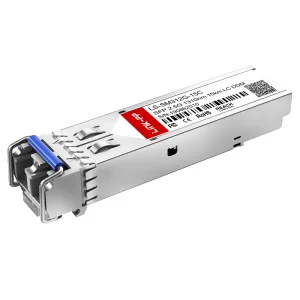
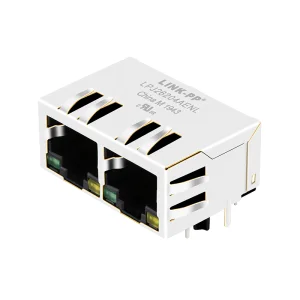
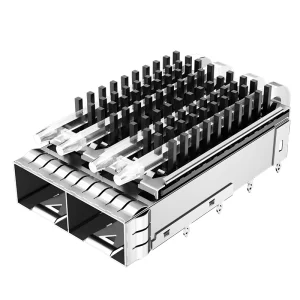
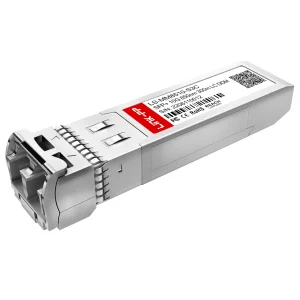
Osaka, traditionally known as the merchant capital of Japan, has transitioned into a premier global hub for precision engineering, heavy electrical machinery, robotics, and industrial IoT (IIoT). Industrial clusters across Higashiosaka and Kadoma host major semiconductor fabrication support facilities, servo motor developers, and system integrators. In this high-electromagnetic-noise environment, signal integrity on the factory floor is paramount.
The standard RJ45 connector, while universally implemented, is undergoing technical scrutiny. Traditional modular jacks with integrated magnetics (MagJacks) suffer from thermal buildup and susceptibility to high-frequency inductive noise. Osaka’s advanced engineering communities are increasingly turning toward RJ45 without magnetics (non-magnetic modular jacks). By moving the magnetic isolation circuit deeper onto the motherboard using discrete, shielded discrete transformers, developers achieve maximum physical layout isolation and thermal control.
In classical Ethernet physical interface design, magnetic components (transformers and common-mode chokes) are incorporated into the RJ45 body to achieve galvanic isolation of 1500V AC under IEEE 802.3 standards. While this saves motherboard real estate, integrated magnetics create design bottlenecks when operating at speeds above 1G (e.g., 2.5GBASE-T, 5GBASE-T, or high-speed optical routing interfaces). The system architecture of choosing between integrated magnetic RJ45 connectors and non-magnetic options is detailed below.
In localized backplanes, short-reach board-to-board configurations, or custom diagnostic fixtures typical in automated testing arrays in Osaka, magnetics can sometimes be entirely bypassed. Using small, high-voltage surface mount (SMD) capacitors (typically 100nF) for AC coupling instead of transformers reduces signal degradation, latency, and material cost. This is highly effective when the PHY transmitters on both sides share a common ground potential or are isolated through isolated power supply strategies.
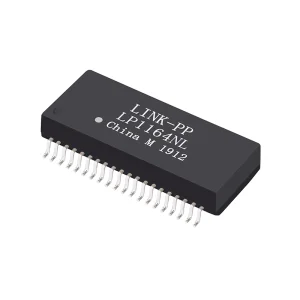
When external magnetic transformers are placed on the PCB motherboard rather than inside the RJ45 metal shield, developers gain multiple performance benefits:
| Design Parameter | Integrated RJ45 (MagJack) | RJ45 Without Magnetics + Discrete Layout |
|---|---|---|
| Thermal Dissipation | Poor (trapped inside connector housing) | Excellent (spread over copper planes & heatsinks) |
| High-Frequency EMI Shielding | Fixed internal shielding | Customizable chassis-to-ground layout |
| Footprint Height | Larger profile to house magnetic cores | Ultra-low profile options available |
| Upgradability | Must replace entire connector assembly | Interchangeable discrete transformer chips |
| Ideal Applications | Standard office PCs, low-density switches | High-speed optical routers, IoT controllers, robotics |
Osaka's robotics developers require modular components capable of withstanding physical vibration and high-frequency harmonics generated by motor drivers. Non-magnetic RJ45 jacks provide clean physical connection points, routing the raw differential signals to heavy-duty discrete chokes on localized PCBs to protect central processing logic.
In high-density datacenters and optical networking switches, combining optical SFP cages with physical copper RJ45 links on a single backplane demands rigid thermal budget management. Non-magnetic connectors prevent heat localization next to SFP optical lasers, improving transceiver lifespans.
Diagnostic instrumentation systems built near research parks in Osaka demand extremely high signal isolation levels. Utilizing custom external isolation transformers with non-magnetic modular connectors guarantees specialized patient protection barriers that far exceed baseline commercial ratings.
Lumetra Optoelectronics Technologies Co., Ltd. is a professional manufacturer specializing in high-speed optical transceivers and fiber optic communication solutions for datacom, telecom, and cloud infrastructure applications. Founded in 2016, the company has developed into a reliable supplier with strong engineering capabilities and global export experience.
The company operates a production facility covering approximately 8,500㎡, supporting efficient manufacturing and quality-controlled assembly processes. With annual export revenue reaching around USD 18 million, Lumetra has built stable international business channels and accumulated 7 years of export experience, backed by 11 years of overall industry expertise.
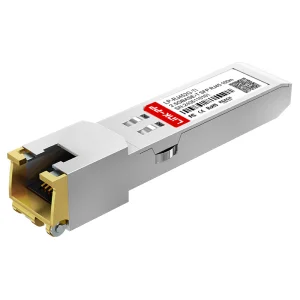
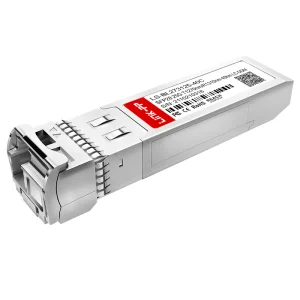
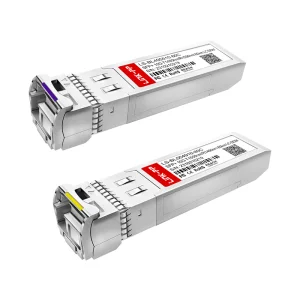
We supply a diverse array of physical interface hardware, including advanced SFP transceiver options and mechanical modular jack components designed to meet the strict technical standards of industrial hubs in Osaka and across the globe.
Bridging state-of-the-art Chinese manufacturing speed with the rigid quality and performance parameters expected by Japanese OEMs in Osaka.
Deploying optical network devices and non-magnetic connector interfaces into demanding environments requires more than basic assembly. Lumetra's Factory 4.0 implementation centers on automated precision. Using advanced robotic assembly loops and high-frequency stripline test boards, we achieve strict impedance tolerances for every terminal pin, minimizing transmission reflections and insertion loss.
By routing raw manufacturing volume through our Chinese hub, we offer massive advantages in component purchasing power. When Osaka system integrators face high local raw material costs, sourcing physical RJ45 frames and SFP components directly from Lumetra ensures competitive cost savings while keeping design performance intact.
Our quality assurance relies on automated inspections, environmental stress screening (ESS), and multi-temperature chamber profiling. Under the management of 48 dedicated quality inspectors, every shipment of high-speed copper transceivers, standard RJ45 systems, and SFP+ cages meets international telecom standards.
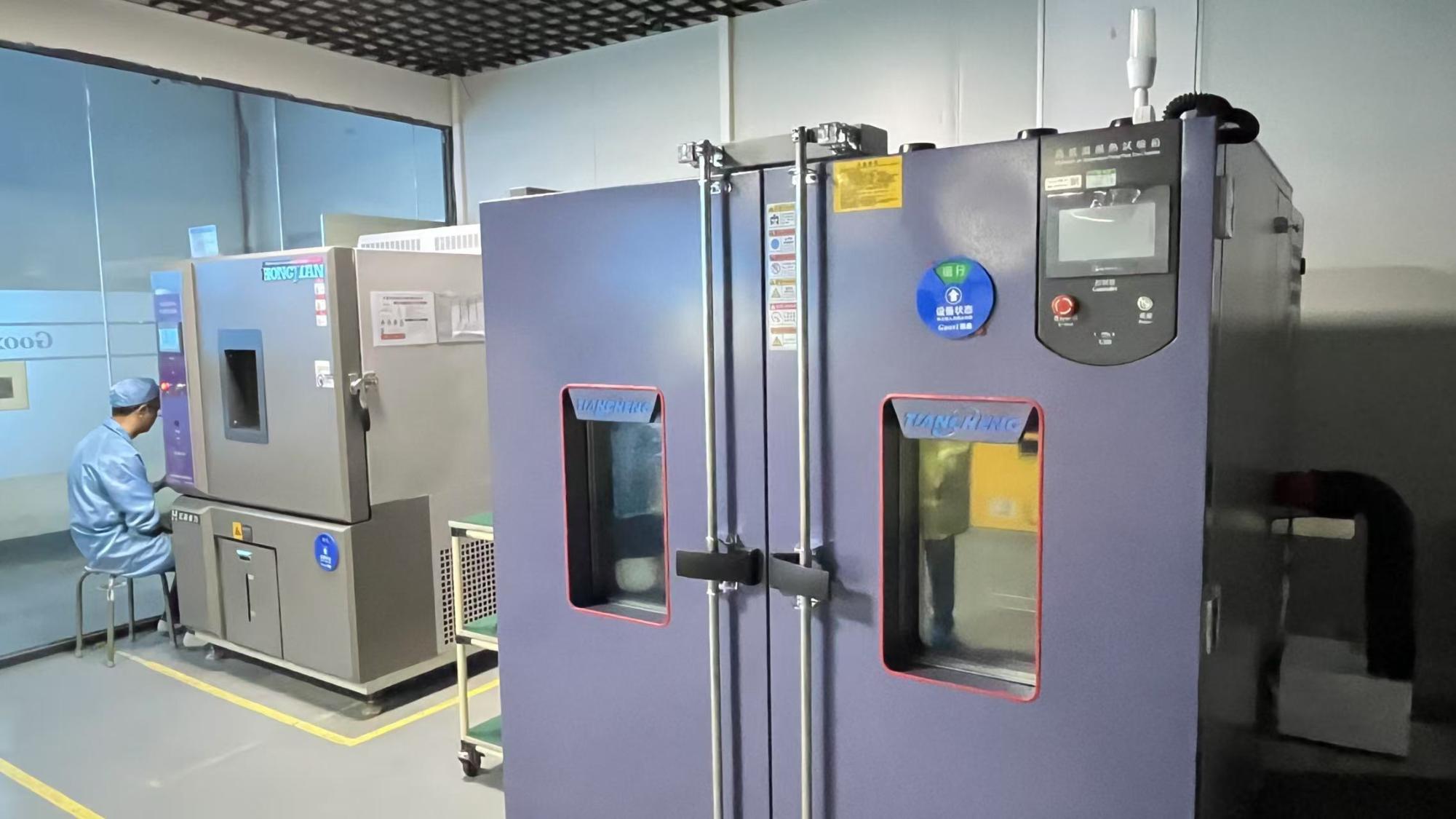
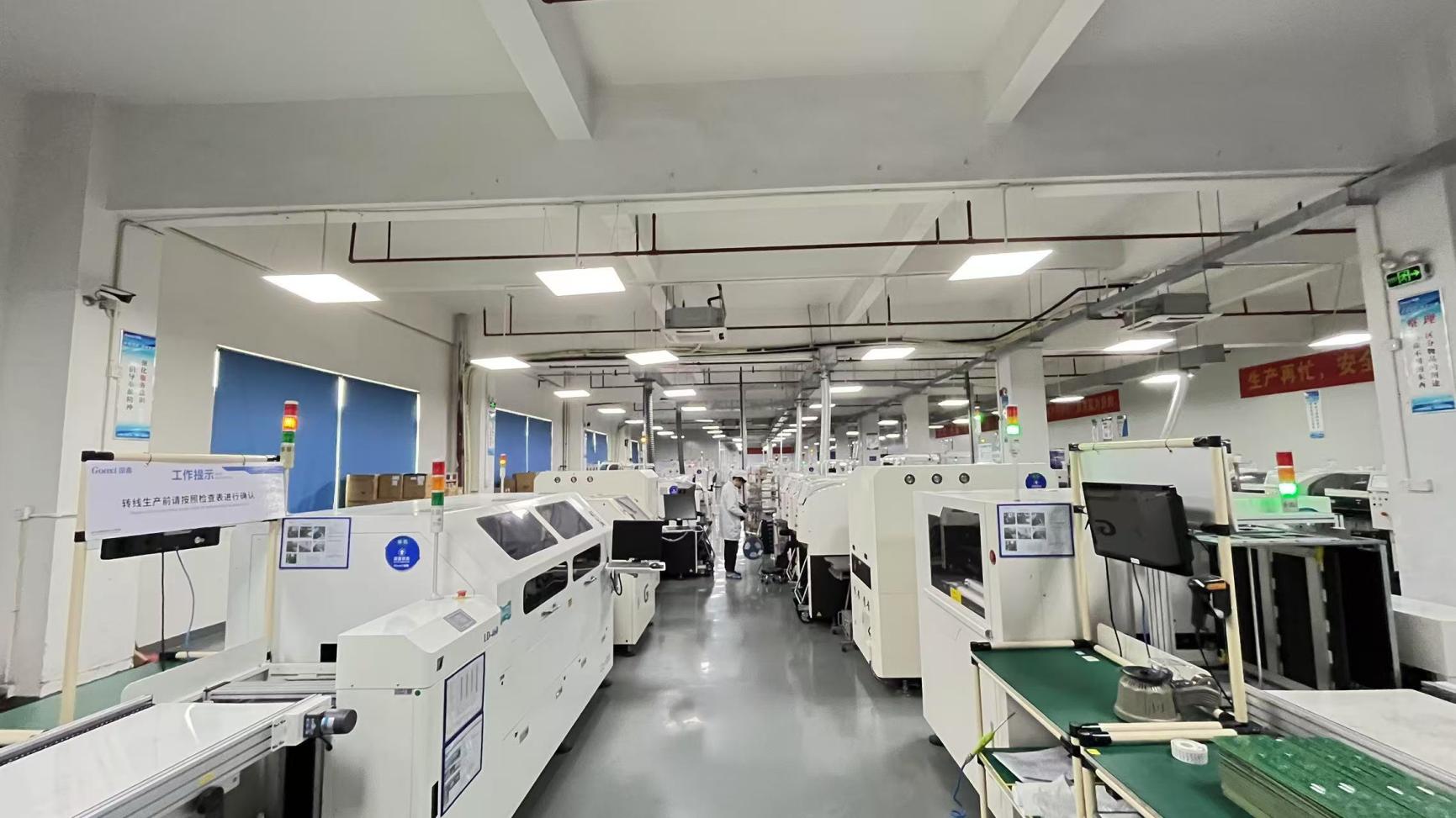
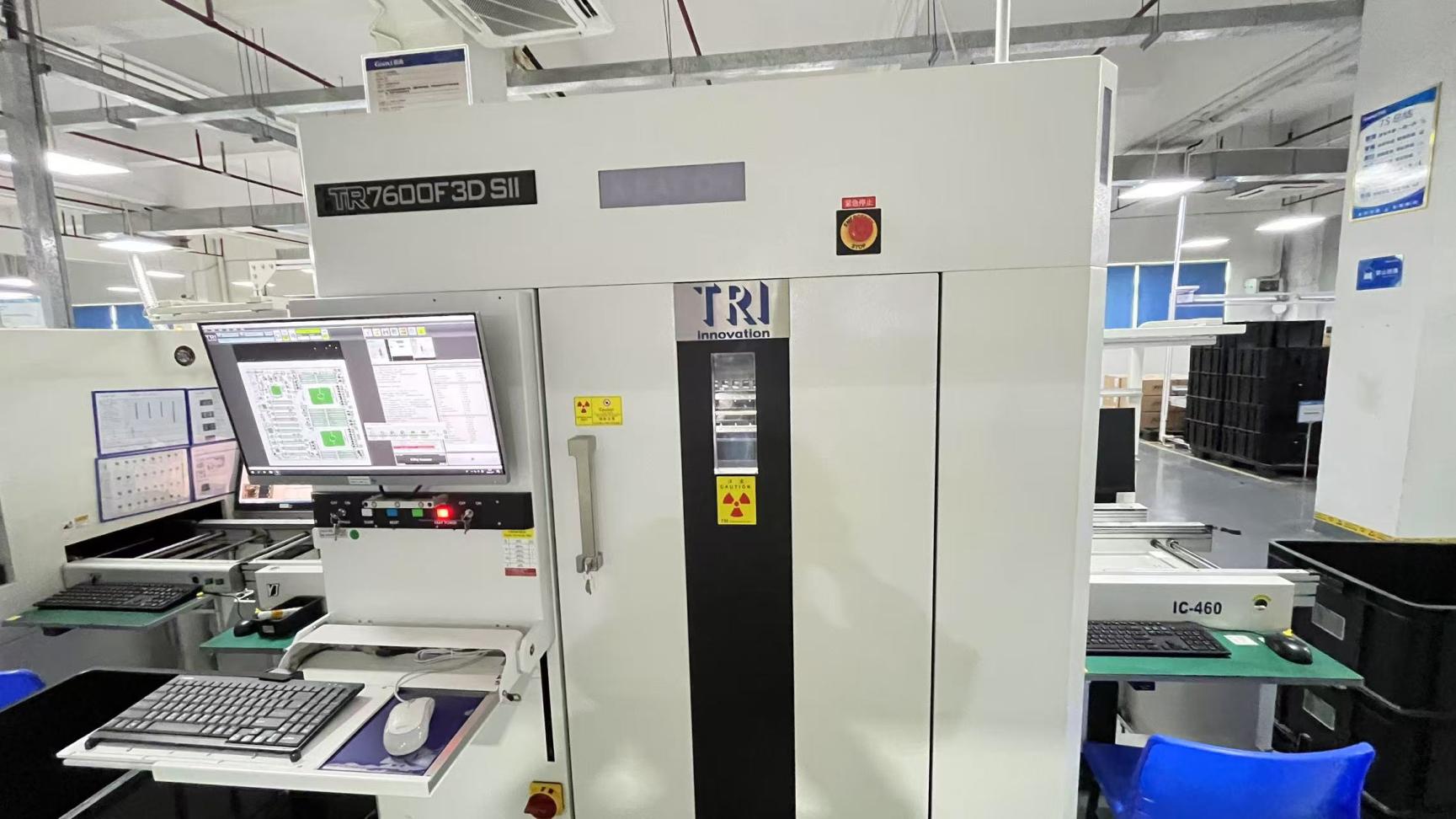

Sourcing electronic components for the Japanese market demands absolute adherence to strict compliance metrics. Osaka-based network hardware designers must certify all end-user products under RoHS (Restriction of Hazardous Substances) and REACH directives. Our RJ45 without magnetics components are built using high-temperature, halogen-free LCP plastics and phosphor bronze pins plated with gold, guaranteeing compatibility with lead-free wave soldering reflow profiles without degradation.
Because physical layouts differ between single-board industrial computers and modular ethernet switches, standard catalogue parts do not always fit. Lumetra supports comprehensive customization:
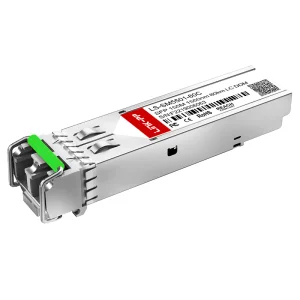
Complete transceiver portfolio designed for system compatibility, low power footprints, and direct integration with discrete magnetic lines.
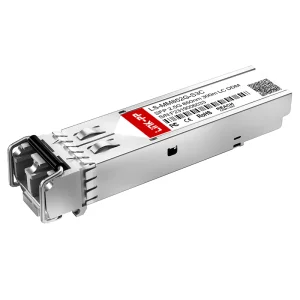
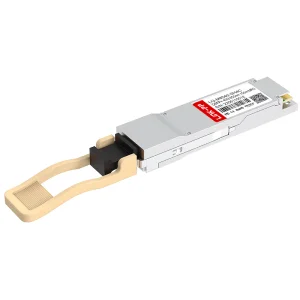
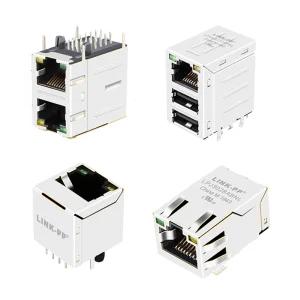
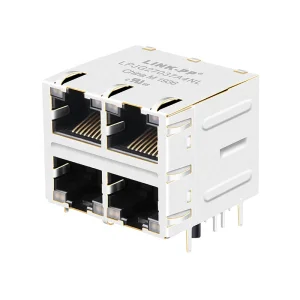
Integrated port setups for multiport layouts, switches, and classic network node deployments in enterprise networks.
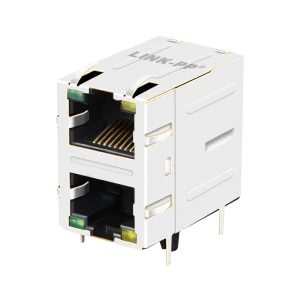
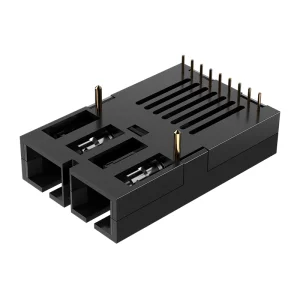
An RJ45 connector without magnetics (often termed a non-magnetic modular jack) contains only the housing, metal shield, and raw copper conductor pins. Unlike integrated "MagJacks", it does not include internal transformers, isolation chokes, or passive filters. Designers use these when filtering and isolation circuits are handled by discrete components on the main motherboard.
Using non-magnetic connectors allows developers to control heat dissipation, trace routing, and isolation distances on high-density PCBs. In environments with heavy EMI (such as Osaka's industrial robotic cells), discrete magnetic transformers offer better insulation and higher protection against high-voltage spikes than compact integrated jacks.
No, for standard external networks. Connecting a non-magnetic jack directly to a PHY without isolation can damage the chip due to voltage offsets and electrostatic discharge. However, in short-reach, single-ground closed circuits (such as internal system backplanes), AC-coupling capacitors can be used to bypass traditional magnetic transformers entirely.
Yes, our entire manufacturing line complies with RoHS 2.0 and REACH requirements. We use lead-free plating materials, and the structural plastics are rated for high-temperature lead-free reflow profiles, meeting the import standards for industrial projects in Japan.
Our team of 86 R&D engineers supports modifications including custom layout configurations, localized pin modifications, shielding contact optimization, and matching LED colors to align with our clients' hardware layouts.
Consult with our engineering team today to review your PCB layouts, custom pin requirements, and secure volume pricing for your Osaka or global deployment.
Send Inquiry Now