Lumetra
Lumetra
Lumetra
Explore our primary selection of enterprise-grade SFP (Small Form-factor Pluggable) connectors and optical transceiver modules engineered to support high-speed data transmission interfaces across West African regional networks.
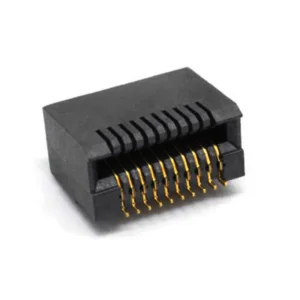
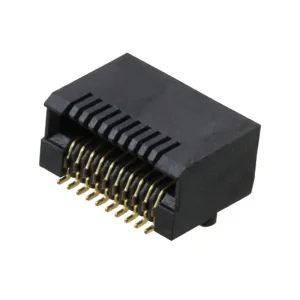
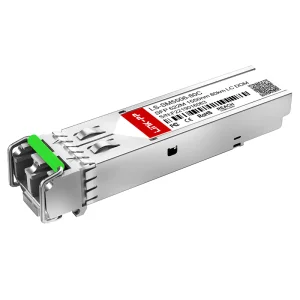
Under the strategic roadmap of the Ministry of Digital Economy and Communications (MDEC) of the Republic of Benin, the country is rapidly establishing itself as the digital epicenter of West Africa. Projects such as the extension of the national fiber optic backbone and the optimization of metropolitan area networks in cities like Cotonou, Porto-Novo, and Parakou have stimulated an unprecedented demand for robust physical-layer components. High-speed SFP connectors and optical transceiver modules serve as the hardware foundation of these carrier networks.
However, West Africa's tropical maritime climate poses intense engineering challenges. Coastal high humidity and salt-spray oxidation in port regions demand extreme reliability. Inlets and interfaces must incorporate high-thickness gold plating (such as 30u") to ensure low contact resistance and prevent galvanic corrosion over long deployment cycles. Standard grade connectors quickly degrade in these environments, highlighting the necessity for telecom-grade import logistics from verified OEM/ODM factories.
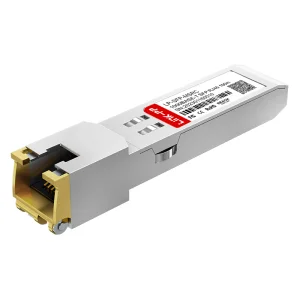
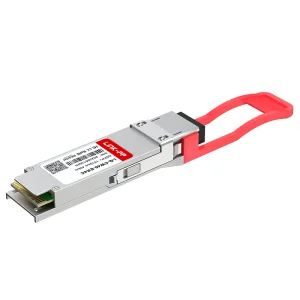
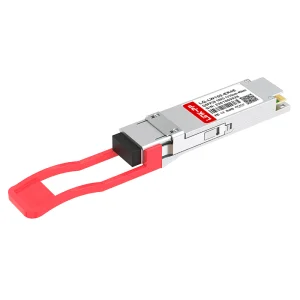
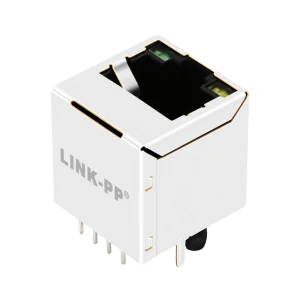
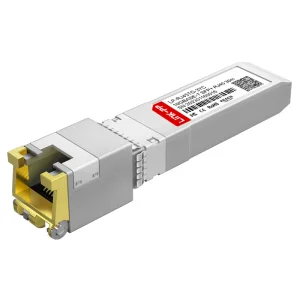
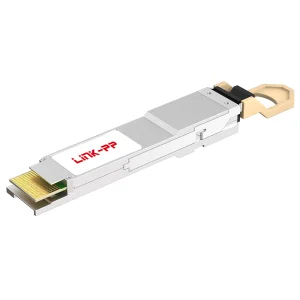
These selected high-speed RJ45 connectors and QSFP28 optical modules are optimized for dense telecommunication frameworks, providing high-bandwidth scalability for local ISPs and large industrial networks.
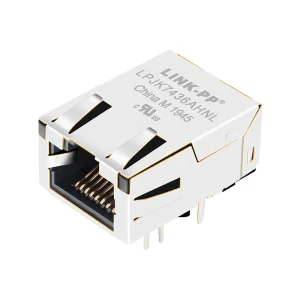
Founded in 2016, Lumetra Optoelectronics Technologies Co., Ltd. is a leading professional manufacturer specializing in high-speed optical transceivers, SFP connectors, and fiber optic communication solutions for datacom, telecom, and cloud infrastructure applications globally. Our operations are scaled to serve high-barrier markets, including North America, Europe, Southeast Asia, the Middle East, and emerging telecom hubs throughout West Africa.
We operate a facility covering approximately 8,500 square meters, utilizing automated optical performance testing, environmental stress screening (ESS), and strict compliance checks to ensure all SFP systems meet rigid performance metrics. With 7 years of deep export experience and 11 years of overall industry expertise, our team bridges the gap between mass-scale manufacturing capabilities and regional customization requirements.
Our R&D team supports complex customization tasks, including multi-protocol system compatibility, wavelength tuning, form factor modifications, and electrical power optimization. By partnering with over 1,200 supply chain leaders, we ensure components are reliably sourced even during global shortages, keeping projects in Benin and adjacent regions on schedule.




In Benin's telecom network deployments, hardware components must operate in temperatures exceeding 35°C alongside relative humidity levels often surpassing 85%. Standard SFP connectors are vulnerable to rapid copper-alloy oxidation, causing packet loss and network downtime.
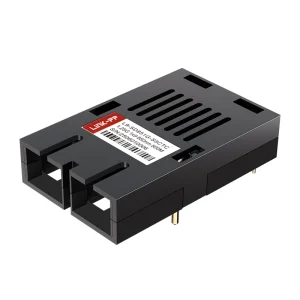
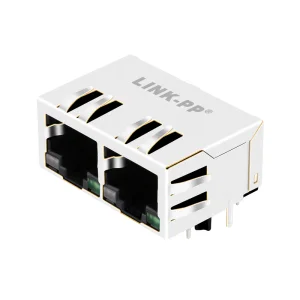
Our E81M0 series SMT SFP connectors are manufactured using high-temperature, glass-filled liquid crystal polymer (LCP) to resist warping during SMT reflow oven processing. Contact pins utilize premium phosphor bronze base metal with options for 15u" or 30u" gold plating over nickel. In humid regions like Cotonou, 30u" gold plating is recommended for port connections, reducing insertion loss and sustaining reliable data transfers up to 5 GB/S and beyond.
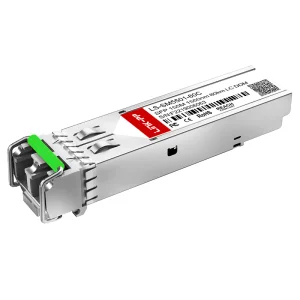
For long-haul links connecting Cotonou to northern municipalities like Parakou, dispersion limits bandwidth. Single Mode 1550nm 80km transceivers equipped with DDM (Digital Diagnostic Monitoring) allow engineers to monitor real-time temperature, laser bias current, received power, and supply voltage, enabling predictive maintenance before errors interrupt service.
These optical components and network interfaces are designed for modern telecom hubs, offering high data-rate compatibility for enterprise and cloud networks across Benin.
Modern B2B networking components must align with specific operational settings. Below are the key applications where our high-reliability transceivers and SFP interconnects support Benin's growing infrastructure:
As a critical transit hub for landlocked neighbors (Niger, Burkina Faso, Chad), the Port of Cotonou relies on real-time data flow. Our E81M0 series SMT SFP connectors and copper transceivers link local surveillance sensors, automated crane systems, and container tracking databases, maintaining stable connections in salty, high-corrosion zones.
Linking Cotonou to northern cities requires long-haul optical hardware. Our 1550nm 80km single-mode optical transceivers carry core traffic with minimal signal degradation. Designed for compatibility with various carrier systems, these modules reduce the need for optical repeaters along the route.
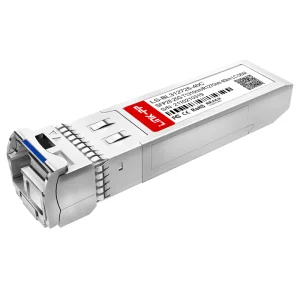
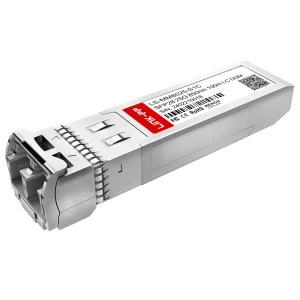
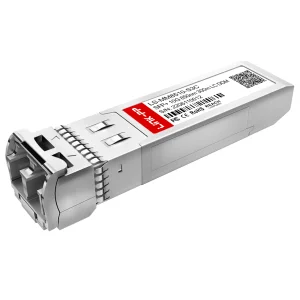
To support high-speed internet in public centers and universities, municipal networks use fiber switch interfaces. Our 25G SFP28 BiDi transceivers and low-profile RJ45 connectors provide a space-saving option for urban street cabinets, maintaining reliable connections in environments with limited airflow.
As local datacenters expand, low-latency inter-datacenter links become essential. Lumetra's 100G QSFP28 ER4 modules enable transmission rates up to 100 Gbps over 40 km, allowing local service providers to scale bandwidth to meet growing business demands without replacing their existing fiber lines.
Working with an international factory to import communication hardware to Benin requires strict compliance with trade and network regulatory standards. Lumetra supports local telecommunication projects through our comprehensive certification, packaging, and logistics programs:
All our transceivers and SFP interconnects meet international standards (CE, FCC, RoHS) and comply with local requirements set by the Regulatory Authority for Electronic Communications and Post (ARCEP-Benin). This guarantees compatibility with domestic telecom networks and smooth customs clearance at local entry points.
Shipping to Benin via Cotonou Port requires protection from ocean humidity. We pack all SFP connectors and optical modules in sealed ESD static-shielding bags with cobalt-free moisture indicator cards. This helps ensure components arrive dry and ready for immediate network installation.
Detailed guidance for networks, procurement managers, and system integrators seeking SFP systems for projects in West Africa.
A: We design our SFP connectors with nickel underplating and optional 30u" gold plating. This thickness provides corrosion resistance against humidity and salt spray, preventing oxidation and maintaining low contact resistance over long-term deployments.
A: Yes. Our optical transceivers are configured with EEPROM firmware customized for specific host hardware. We support compatibility with brands like Cisco, Huawei, Mikrotik, Juniper, and HP, ensuring plug-and-play operation in mixed-vendor environments.
A: For standard orders, production takes 2 to 3 weeks. Shipping via air freight to Cotonou Cadjehoun Airport (COO) takes about 5 to 7 days, while sea freight to the Port of Cotonou takes 30 to 45 days, depending on route conditions.
A: Yes, our engineering team can modify optical wavelengths, support non-standard transmission distances, optimize power parameters for solar-powered remote towers, and adjust housing designs to meet the physical requirements of local networks.
A: Every transceiver undergoes a complete testing protocol, including automated optical eye-diagram analysis, spectral compliance checks, bit-error-rate testing, and temperature-cycling stress screening, before they are packed for shipping.
Get in touch with our technical sales division to request detailed drawings, optical testing logs, compatibility options, or bulk price quotes for your local infrastructure projects.
Send Inquiry Now