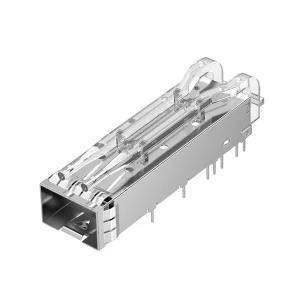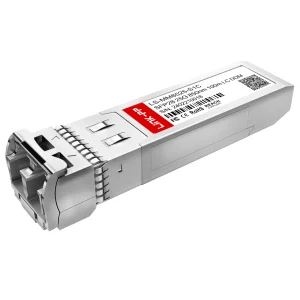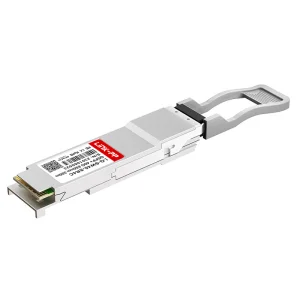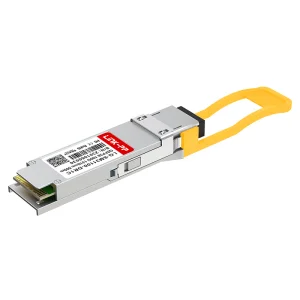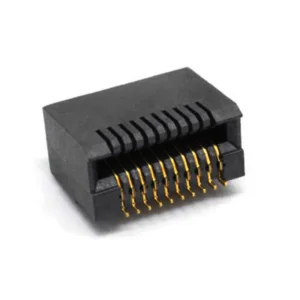
5GB/S SMT SFP
 Lumetra
High-reliability optical components optimized for critical metropolitan telecom loops and high-density network switches in Lagos and Abuja data hubs.
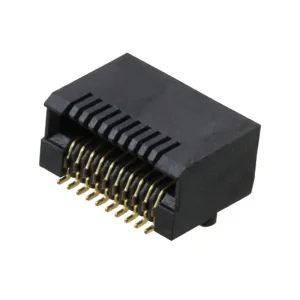
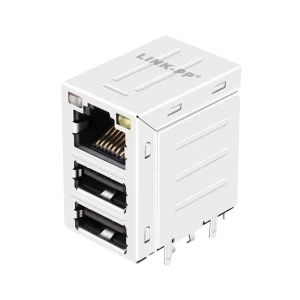
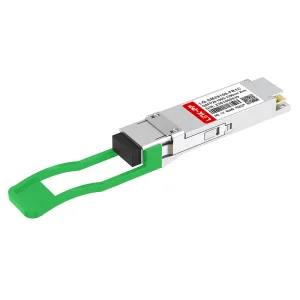
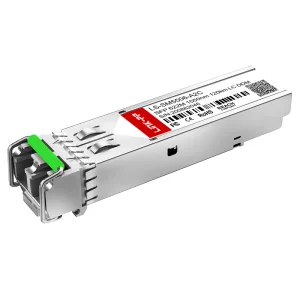
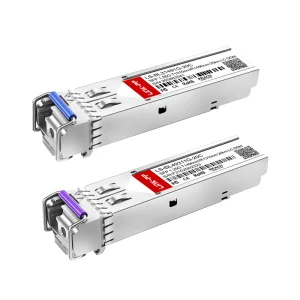
As Africa's largest economy accelerates its digital transformation, the Nigerian telecommunications sector has transitioned from legacy copper backhauls to massive fiber-optic network deployments. With the launch of 5G networks in urban centers such as Lagos, Abuja, Kano, and Port Harcourt, telecommunication providers are facing a monumental challenge: managing unprecedented data throughput with zero structural latency. At the core of this upgrade lies the requirement for high-reliability components, specifically Small Form-Factor Pluggable (SFP) connectors, optical transceivers, and magnetic jacks.
The Nigerian climate poses extreme challenges for optical networking hardware. In coastal regions like Lagos and the Niger Delta, ambient relative humidity frequently exceeds 85%, which, when combined with salt-laden sea air, accelerates metal oxidation and contact degradation. Conversely, in northern hubs like Kaduna and Kano, high temperatures and airborne dust from the Sahel require robust sealing and EMI shielding. Standard-grade SFP cages quickly fail under these conditions, causing transmission drops, impedance mismatch, and packet loss. As a result, network engineers and telecom procurement teams are actively sourcing high-specification components, particularly 30u" gold-plated SFP connectors, through-hole press-fit cages, and fully EMI-shielded modules designed to survive challenging operational environments.
Historically, Nigerian network integrators and telecom distributors relied on European or Middle Eastern distributors to source critical network accessories. However, this multi-tiered supply chain introduces high markups, extended lead times, and lack of technical support. With the volatility of the Naira and tight timelines on network expansion contracts, direct procurement from top-tier SFP manufacturers in China has become the industry standard for optimizing capital expenditure (CAPEX).
Purchasing directly from established manufacturers like Lumetra Optoelectronics allows local operators to ensure cross-platform compatibility, customize parameters (such as optical wavelengths, power budgets, and mechanical design), and obtain international certifications (CE, FCC, RoHS) required for compliance with the Nigerian Communications Commission (NCC). By eliminating middlemen, network developers can secure reliable fiber connectivity solutions with significant cost efficiency.
Up to 30u" gold plating on contact points prevents oxidation in high-humidity zones like Lekki and Victoria Island.
Integrated EMI metal shielding cages minimize electromagnetic noise in dense server rooms and cellular towers.
Direct manufacturer pricing allows local companies to hedge against forex fluctuations and minimize freight-forwarding overheads.
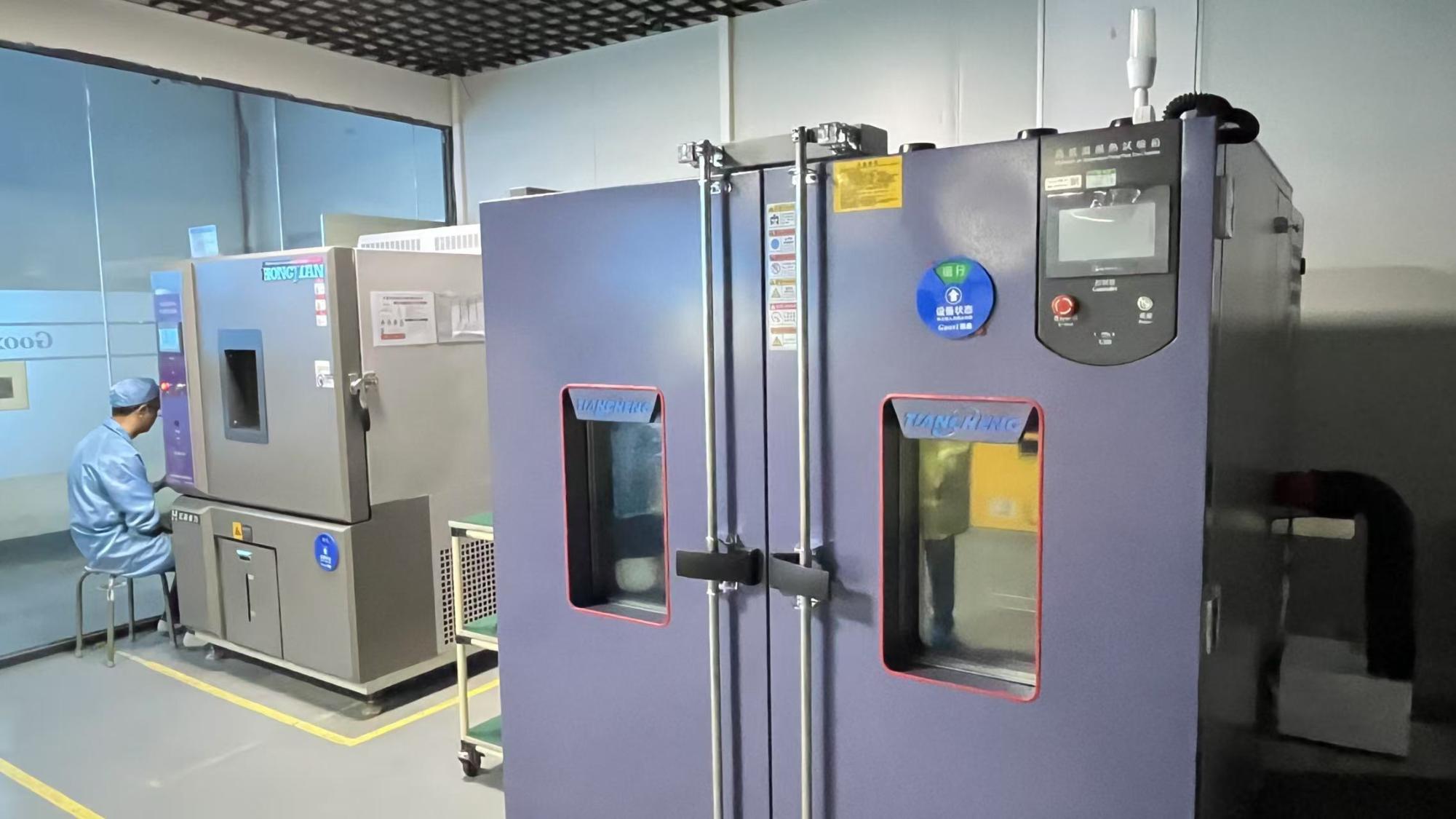
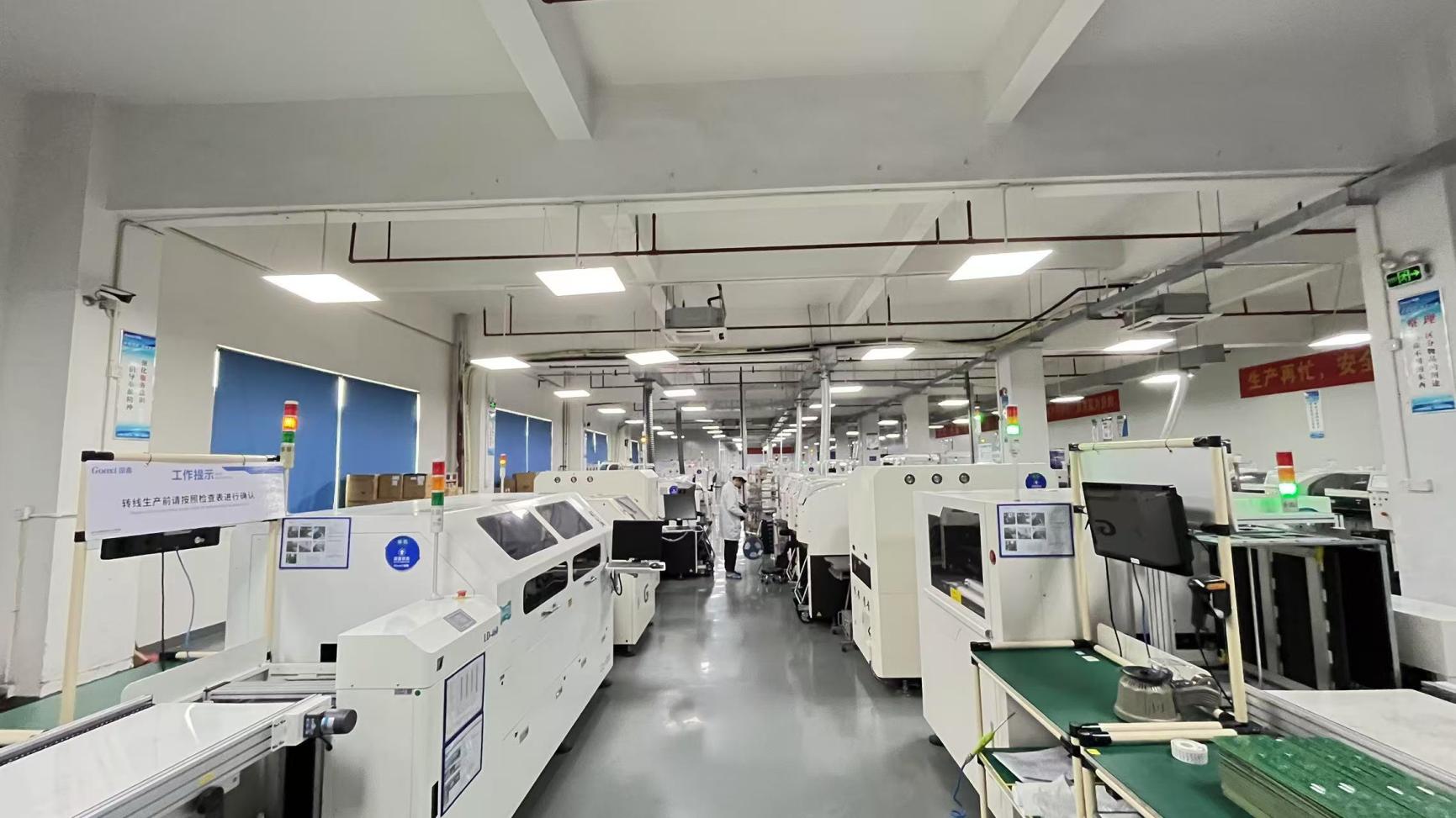
The global demand for high-speed connectivity components is subject to rapid technological cycles. Meeting this demand requires advanced manufacturing capabilities. China's Industry 4.0 factories integrate automated assembly lines, high-speed Surface Mount Technology (SMT), automated optical inspection (AOI), and environmental stress testing. This ensures that every SFP cage and optical transceiver conforms to strict tolerance parameters, minimizing hardware failures once deployed in the field.
For the Nigerian market, where maintenance and replacements in remote locations (such as cell towers in the Niger Delta or oil platforms in Port Harcourt) are costly and logistically challenging, component reliability is crucial. Lumetra Optoelectronics addresses this by utilizing automated fabrication processes that virtually eliminate human error during critical assembly stages—such as wire bonding and optical sub-assembly alignment. Backed by a vast network of over 1,200 supply chain partners, Lumetra ensures stable component sourcing even during periods of global silicon and raw material shortages.
Standard network interfaces do not always meet the diverse requirements of legacy infrastructure. Lumetra's engineering division supports customized OEM and ODM projects, offering flexibility across several technical specifications:
A trusted manufacturing partner for optical networking, high-speed fiber interfaces, and electronic component manufacturing.
Lumetra Optoelectronics Technologies Co., Ltd. is a professional manufacturer specializing in high-speed optical transceivers and fiber optic communication solutions for datacom, telecom, and cloud infrastructure applications. Founded in 2016, the company has developed into a reliable supplier with strong engineering capabilities and global export experience.
The company operates a production facility covering approximately 8,500㎡, supporting efficient manufacturing and quality-controlled assembly processes. With annual export revenue reaching around USD 18 million, Lumetra has built stable international business channels and accumulated 7 years of export experience, backed by 11 years of overall industry expertise.
Quality assurance is maintained through a combination of automated optical performance testing, environmental stress screening, and manual inspection processes. The quality control team consists of 48 trained inspectors ensuring strict compliance with international standards.
Lumetra maintains a diversified trade background with strong presence in OEM and ODM markets. Its primary markets include North America, Europe, Southeast Asia, and the Middle East, serving telecom operators, data center integrators, and network equipment distributors.
The company collaborates with over 1,200 supply chain partners to ensure stable component sourcing and manufacturing efficiency. Its customer base mainly includes telecom carriers, hyperscale data centers, system integrators, and optical network equipment brands.
With strong R&D capability, Lumetra supports advanced customization including protocol compatibility, wavelength tuning, form factor adaptation, and power optimization. The company employs 86 R&D engineers focused on optical design, hardware development, and signal integrity optimization.
In the past year, Lumetra launched approximately 220 new products, reflecting its continuous innovation in high-speed optical communication technologies.


High-performance cages, discrete magnetic transformers, and transceivers engineered to meet the structural demands of ISPs, corporate intranets, and FTTH networks across Nigeria.
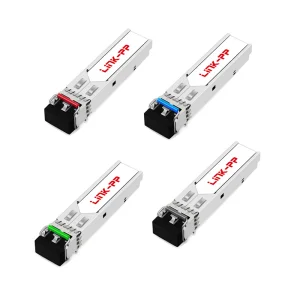
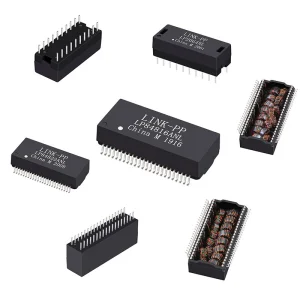
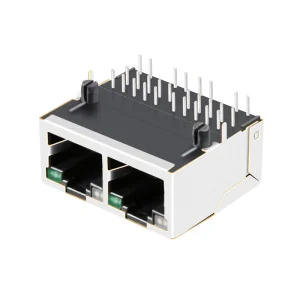
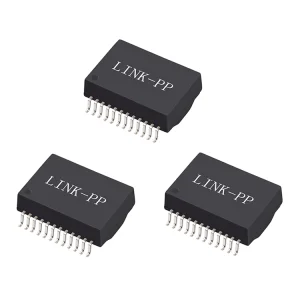
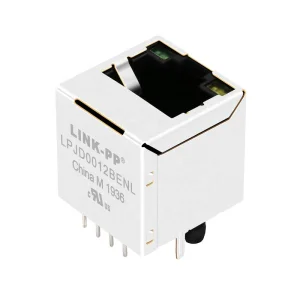
In high-speed networking, signal attenuation is a critical performance factor. For 25G and 100G channels, high return loss and insertion loss can cause high Bit Error Rates (BER), resulting in intermittent packet drops. SFP connectors act as mechanical bridges where mismatched impedance can lead to signal degradation.
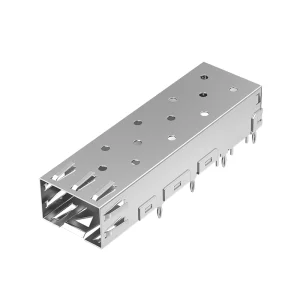
To prevent this, our production processes utilize advanced signal integrity simulations and high-precision stamp molding. Our through-hole press-fit SFP cages are engineered for consistent contact pressure, reducing mechanical stress on host PCBs. Dual-shielding elements suppress EMI leakage, enabling dense board configurations without channel-to-channel crosstalk—a critical feature for compact access switches deployed in metro cabinets.
Many generic components use flash gold or 15u" plating. However, in regions with high relative humidity and salinity like Lagos, thin coatings can wear down over multiple mating cycles. Lumetra's 30u" gold plating provides a durable barrier against oxidation, maintaining low contact resistance and reliable signaling over years of deployment.
Our networking solutions are designed for specific operational scenarios across key sectors of the Nigerian economy:
Technical and logistical insights for procurement managers, system integrators, and network engineers in the Nigerian telecom sector.
Our connectors are designed for challenging climates. By utilizing up to 30u" gold plating on contacts and corrosion-resistant alloys in SFP cages, our components prevent contact oxidation. This minimizes signal attenuation and impedance mismatch even in high-humidity coastal zones like Lagos.
Yes, we provide compatibility options for major hardware vendors, including Cisco, Huawei, Juniper, Nokia, and Mikrotik. Our engineering team modifies the EEPROM chip protocol in our optical modules to match your network equipment's firmware requirements.
For standardized high-volume orders, production lead time ranges from 10 to 15 working days. We work with experienced air and sea freight carriers to coordinate customs documentation and logistics, facilitating clearance through ports in Lagos (Apapa/Tin Can Island) or Abuja.
Yes. Backed by 86 R&D engineers, we offer custom design services covering structural variations, lightpipe configurations, EMI gasket materials, and high-frequency pin layouts. Contact our technical department to discuss your project requirements.
Our facility features 48 quality inspectors and utilizes automated optical alignment systems, eye diagram analyzers, bit error rate testing, and thermal testing. This ensures that every production batch meets international quality standards before export.
Connect with our technical sales division to request technical specifications, custom design options, or a volume pricing quotation tailored to the Nigerian market.
Send Inquiry Now