Lumetra
Lumetra
Lumetra
High-density vertical network interfaces custom-tailored for Japanese telecommunication distribution cabinets and edge-computing racks.
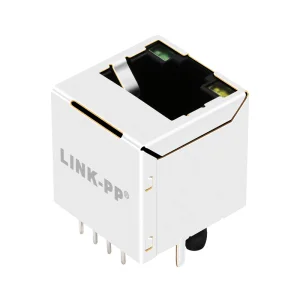
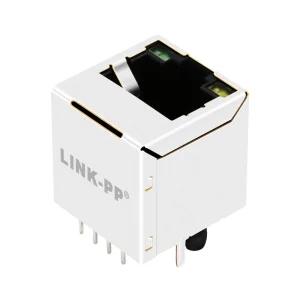
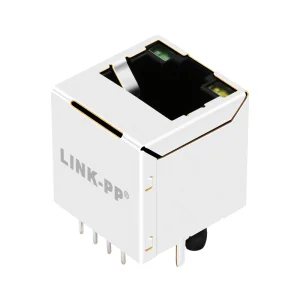
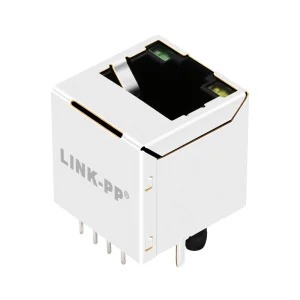
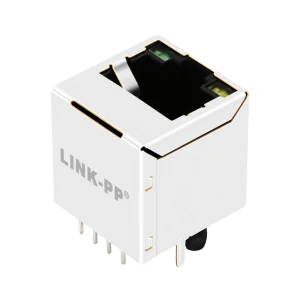
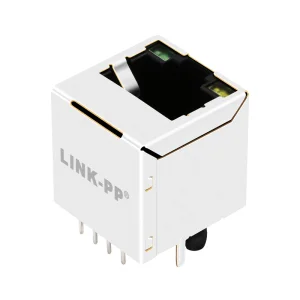
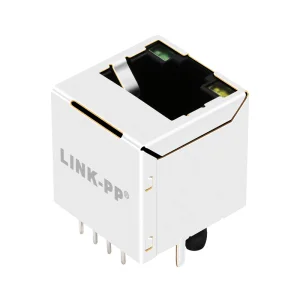
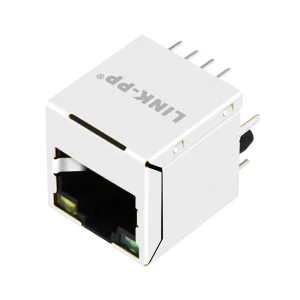
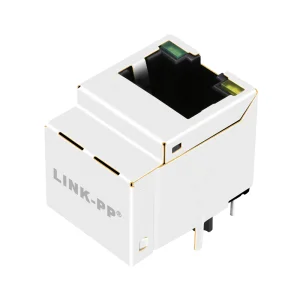
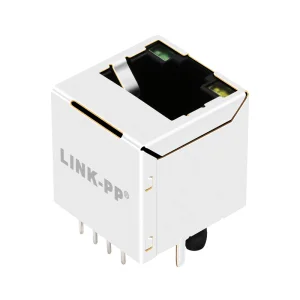
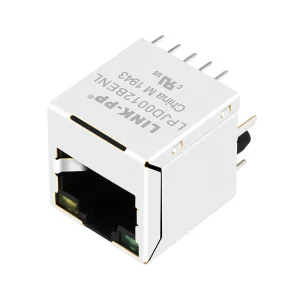
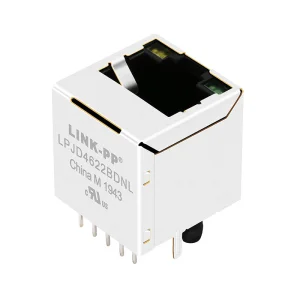
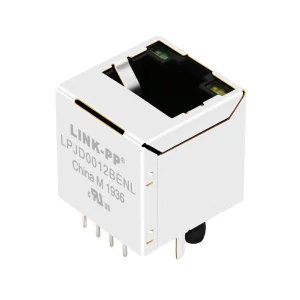
Japan’s high-tech manufacturing sector, known globally for its adherence to Monozukuri (the art of state-of-the-art manufacturing), places extreme performance and dimensional demands on electronic components. In areas such as Factory Automation (FA), high-speed rail systems, medical electronics, and dense urban optical telecommunication networks, space on printed circuit boards (PCBs) is highly restricted. This constraint makes the Vertical RJ45 Connector a highly sought-after component across industrial hubs in Tokyo, Nagoya, Osaka, and Fukuoka.
Unlike standard right-angle layouts, vertical or top-entry RJ45 connectors route signals perpendicular to the board. This design saves valuable PCB surface area and allows designers to fit more processing chips, discrete filters, and power components. Additionally, Japanese telecom hubs demands component longevity that matches strict 5G and fiber-to-the-home (FTTH) infrastructure schedules, which typically span over 10-15 years of uninterrupted deployment.
Noise mitigation is another major engineering challenge in Japan. Japanese electronics manufacturers must comply with strict VCCI (Voluntary Control Council for Interference) Class A and B standards to prevent electromagnetic disturbances. Integrated magnetic vertical RJ45 connectors (often referred to as MagJacks) incorporate internal isolation transformers, common-mode chokes, and decoupling capacitors. This integration provides superior common-mode noise suppression and ESD protection directly at the port, saving engineers from having to design complex external filtering circuits.
Bridging advanced optoelectronic engineering with robust physical copper interconnect production.
To support high-reliability environments in Japan and global markets, Lumetra Optoelectronics Technologies Co., Ltd. offers a robust engineering and manufacturing foundation. Founded in 2016, our business has evolved into a key supplier of high-speed transceiver interfaces and copper connection systems. Combining 11 years of structural industry experience with 7 years of global export compliance, we understand the technical specifications required by overseas system integrators.
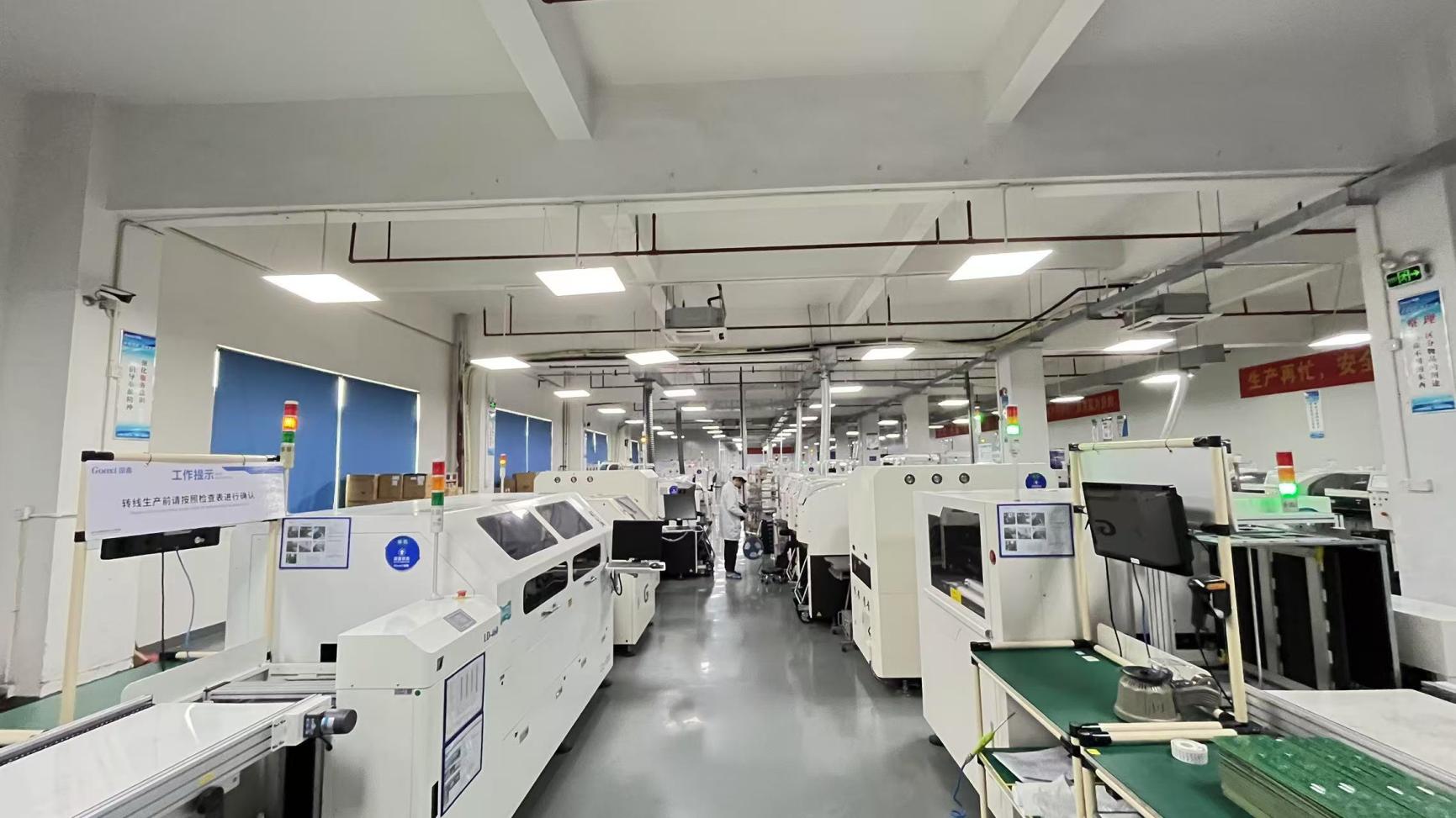
Our manufacturing facility spans over 8,500 square meters, allowing us to maintain stable, scale-ready production lines for both optical and copper components. Because we support high-speed networks, our 86 R&D engineers focus heavily on signal integrity, thermal dissipation, and structural reliability. Whether it’s optimizing contact gold plating thickness to survive high mating cycles, or developing custom PoE (Power over Ethernet) configurations, our engineers design each component to exceed global standards.
Optimized configurations that solve actual hardware limitations on Japanese factory floors and edge installations.
Designed with high-retention housing and robust shielding to resist heavy mechanical vibrations and electromagnetic interference on Japanese CNC and robotic controller boards.
Supports Gigabit and 10-Gigabit optical-to-copper bridges, with vertical footprints that save critical faceplate area in space-constrained Japanese city datacenters.
Engineered with heavy-gauge phosphor bronze contacts to carry up to 90W of PoE++ power (IEEE 802.3bt) without generating thermal bottlenecks inside dense cabinets.
We recognize that Japanese procurement departments follow strict environmental regulations. All vertical RJ45 products shipped to Japan strictly conform to RoHS (Restriction of Hazardous Substances) and REACH regulations. Additionally, we provide documentation to help our clients complete Green Procurement audits, which are required by leading Japanese brands like Sony, Panasonic, and Mitsubishi. Our logistics network supports JIT (Just-In-Time) inventory schemes, helping distributors minimize warehousing costs while maintaining reliable supply lines.
As networks migrate from 1G and 2.5G to 10G and beyond, RJ45 design is evolving to address higher frequencies. At 500 MHz (Cat 6a specification) and above, vertical copper leads can act as antennas, radiating energy and causing near-end crosstalk (NEXT) issues. Lumetra’s R&D engineering division is actively mitigating these issues through three primary innovations:
Expert answers on mechanical tolerances, signal integrity, and environmental standards for the Japanese market.
Select from our certified range of high-performance vertical data sockets, magnetic connectors, and ruggedized outdoor interfaces.
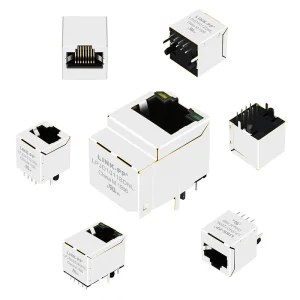
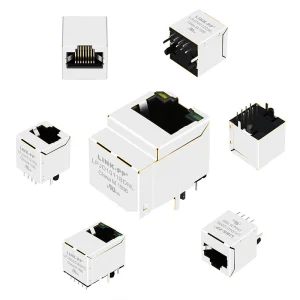
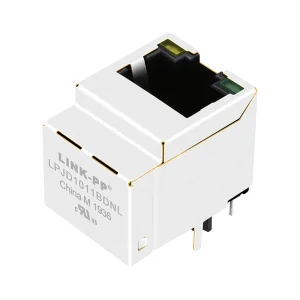
Additional high-frequency, MagJack, and multi-port vertical configurations optimized for telecom networks and specialized PCB routing.
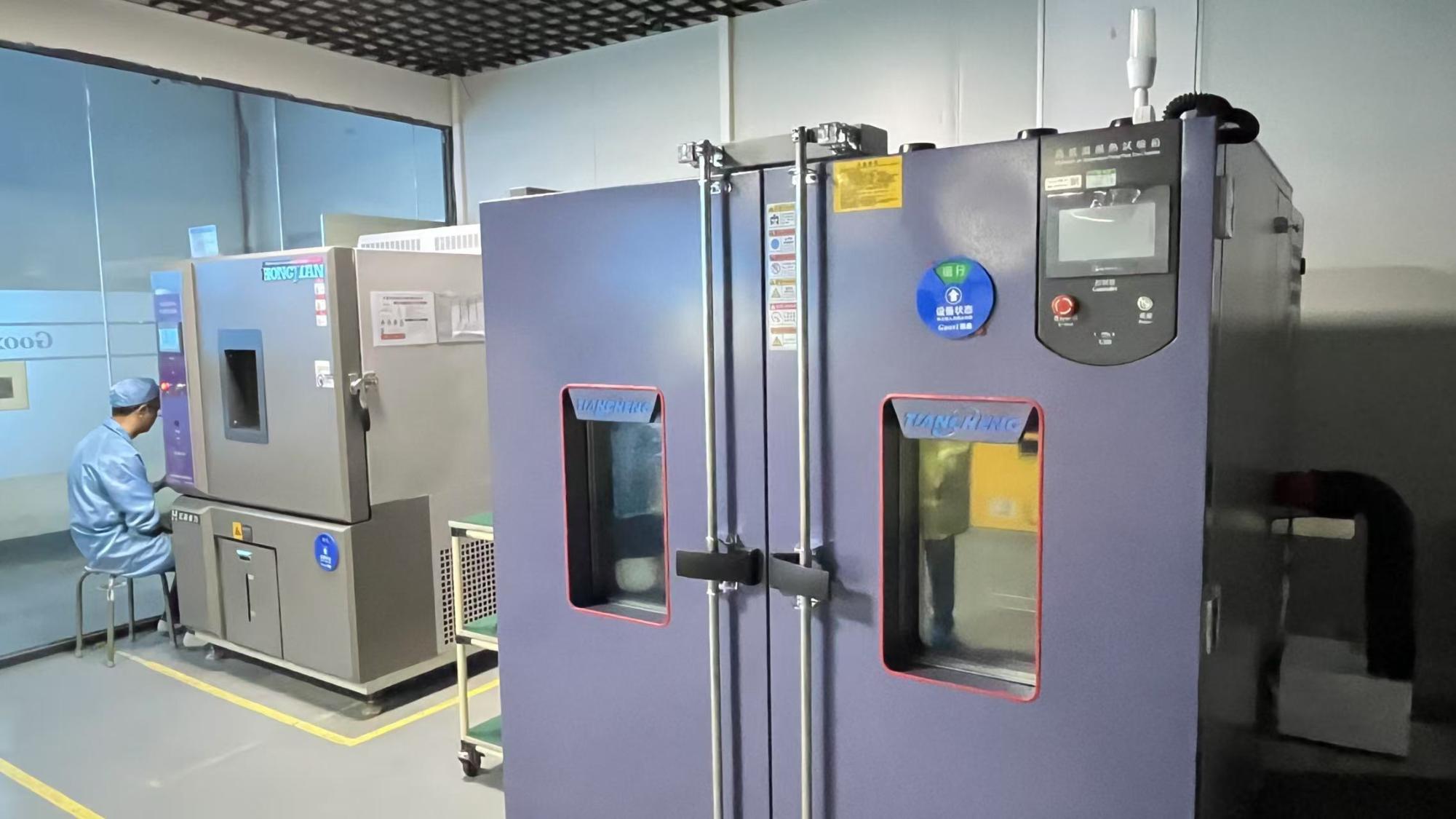
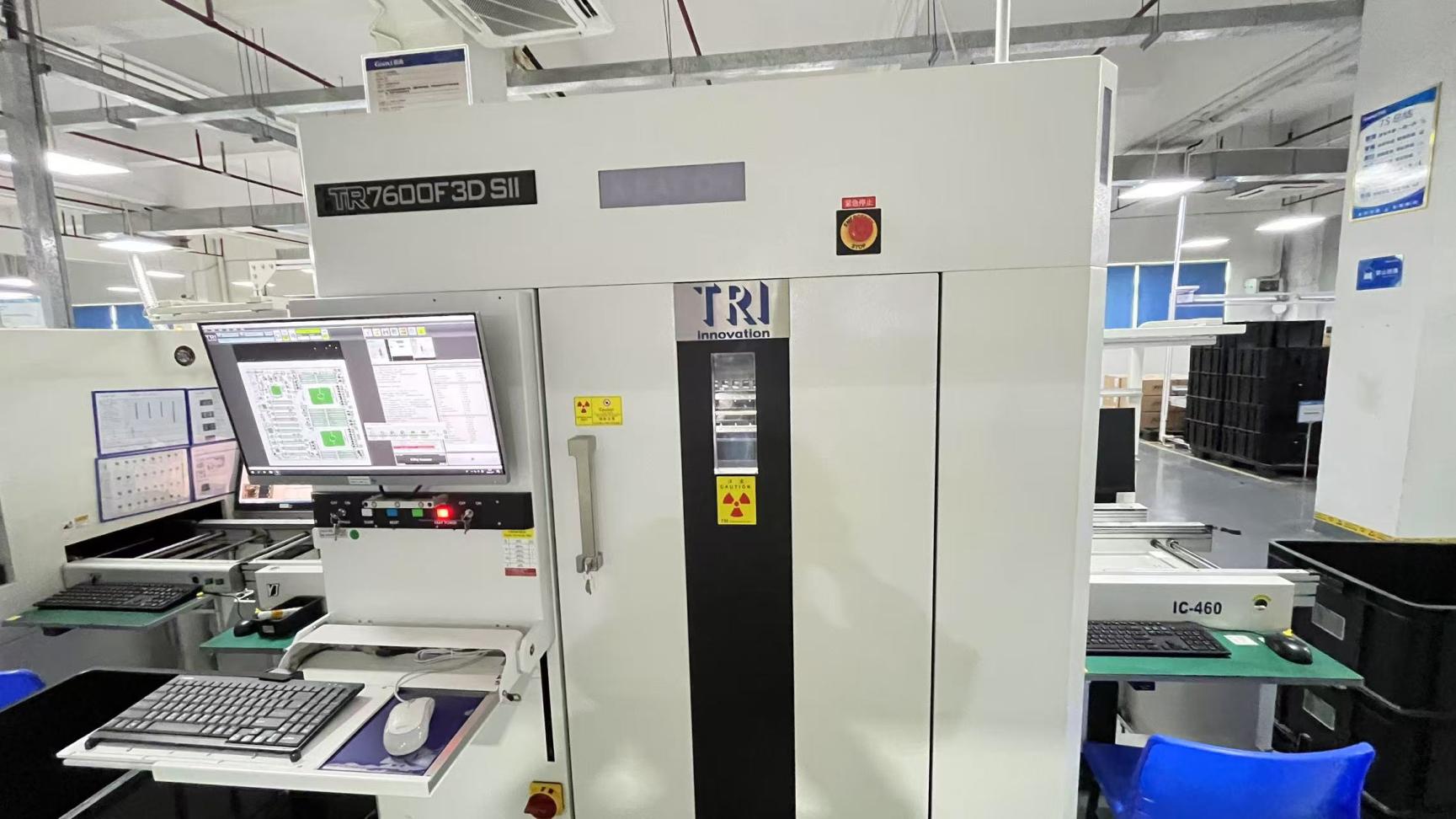
Take a look inside our 8,500㎡ facility where automated optical verification, environmental stress testing, and hardware assembly are performed.