Lumetra
Lumetra
Lumetra
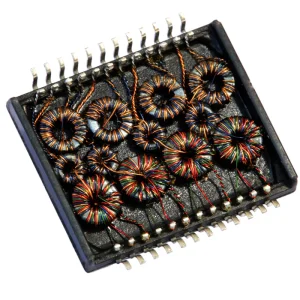
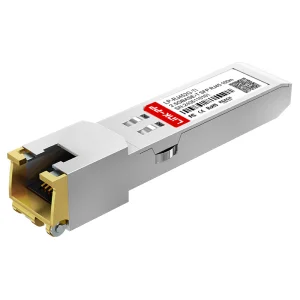
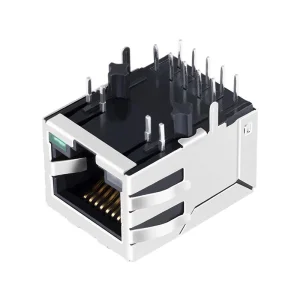
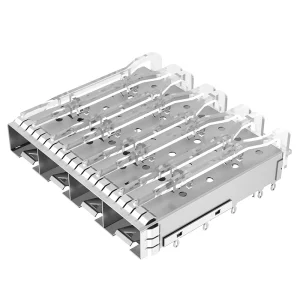
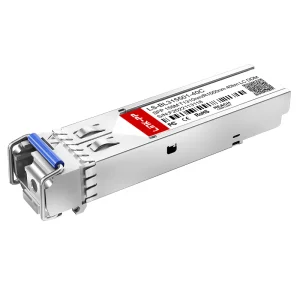
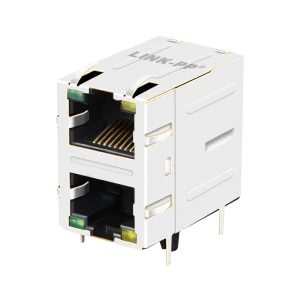
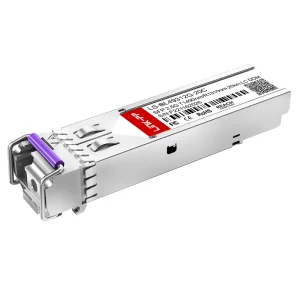
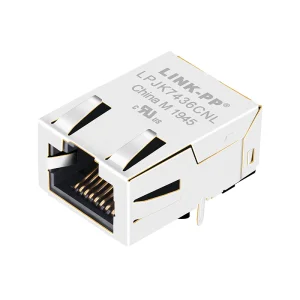
Explore our elite selection of high-speed optical transceivers, magnetic RJ45 connectors, and structured network testing modules.
In modern datacom infrastructure, network diagnostics form the core of operational security and efficiency. An Ethernet loopback connector acts as a fundamental hardware diagnostic tool used to test network interface integrity, detect physical layer faults, and trace signal routes. By routing transmitter outputs directly into receiver ports, these specialized components simulate live data links without requiring connection to distant remote servers. This loopback loop lets network engineers, field technicians, and automated test environments isolate issues inside NICs (Network Interface Cards), switch ports, and optical transceivers.
Historically, loopback connections relied on simple copper RJ45 plugs wired with specific pin crossings (Pins 1 to 3, and 2 to 6). However, the massive expansion of optical transport standards (such as SFP, SFP+, QSFP28, and QSFP-DD) has driven the evolution of loopbacks into sophisticated optoelectronic assemblies. Today's industrial networks process high gigabit speeds, necessitating shielded loopbacks capable of mitigating Near-End Crosstalk (NEXT) and Far-End Crosstalk (FEXT) while maintaining mechanical tolerances required by strict telecom standards.
As data center infrastructures shift from 10G/40G toward 100G, 400G, and even 800G Ethernet, the loopback device has adapted. Key trends shaping the global development of loopback solutions include:
B2B network procurement directors, system integrators, and telecom infrastructure buyers face high stakes when selecting component partners. A faulty loopback connector or structural jack can generate false diagnostic positives, delaying multi-million dollar data center deployments. Enterprises demand manufacturers that deliver strict compliance, high mechanical durability (minimum 750 mating cycles for RJ45 connectors), and certified signal performance.
Procurement processes are no longer based purely on price per unit. Key requirements include compliance with the Restriction of Hazardous Substances (RoHS) directive, REACH compliance, and UL safety ratings. Furthermore, as global supply chains face disruption, buyers prioritize manufacturer partnerships with established raw material channels and reliable logistics links to guarantee continuous production flows.
Deploying loopbacks in high-interference areas demands EMI shielded housings to block external noise from compromising loop test data.
Industrial testing demands components with heavy-duty gold plating (up to 50μ") on contact pins, ensuring consistent mating cycles.
Optical transceivers and modular jacks must be pre-coded or configured to ensure seamless hardware handshakes with Tier-1 OEM systems.
Leveraging state-of-the-art production systems, stringent quality assurance, and high R&D capacity for global datacom operations.
Production Facility
R&D Engineers
Quality Inspectors
Supply Chain Partners
Founded in 2016, Lumetra Optoelectronics Technologies Co., Ltd. is a professional manufacturer specializing in high-speed optical transceivers and fiber optic communication solutions for datacom, telecom, and cloud infrastructure applications. With 7 years of export experience backed by 11 years of overall industry expertise, Lumetra has built stable international business channels and developed into a reliable partner for global enterprises.
Operating an advanced 8,500㎡ production facility, Lumetra focuses on precision manufacturing, clean-room assembly, and rigorous physical design testing. Quality assurance is maintained through a combination of automated optical performance testing, environmental stress screening, and manual inspection processes. Our 48-inspector QC team ensures strict compliance with international standards, helping us achieve an annual export revenue of approximately USD 18 million.
Lumetra’s strong engineering capability supports advanced OEM/ODM customization, including protocol compatibility tuning, specific optical wavelength selection, form factor adaptations, and electrical power budget optimization. Over the past year alone, Lumetra launched approximately 220 new products, proving our capacity for continuous innovation in high-speed optical communications.
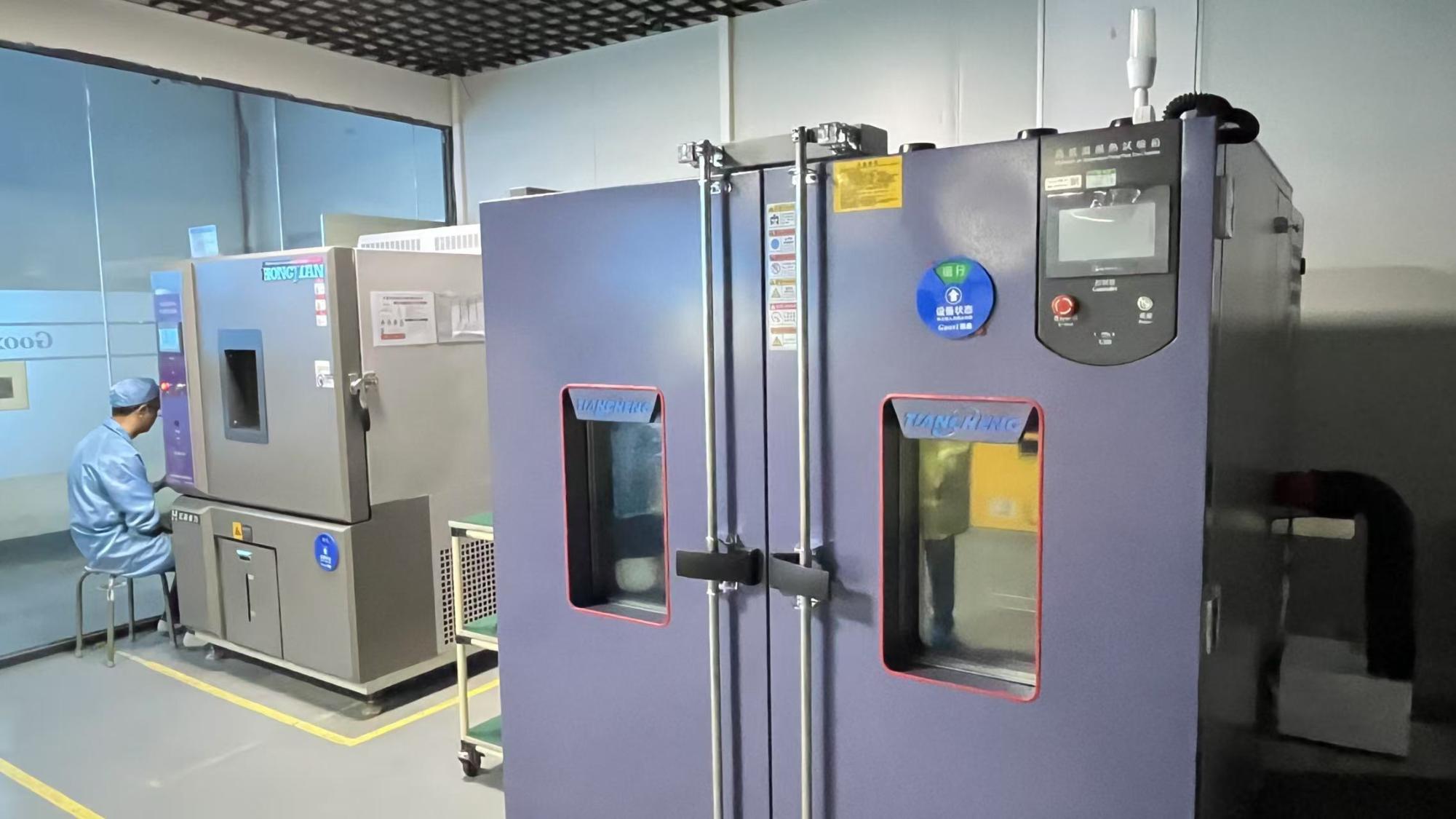
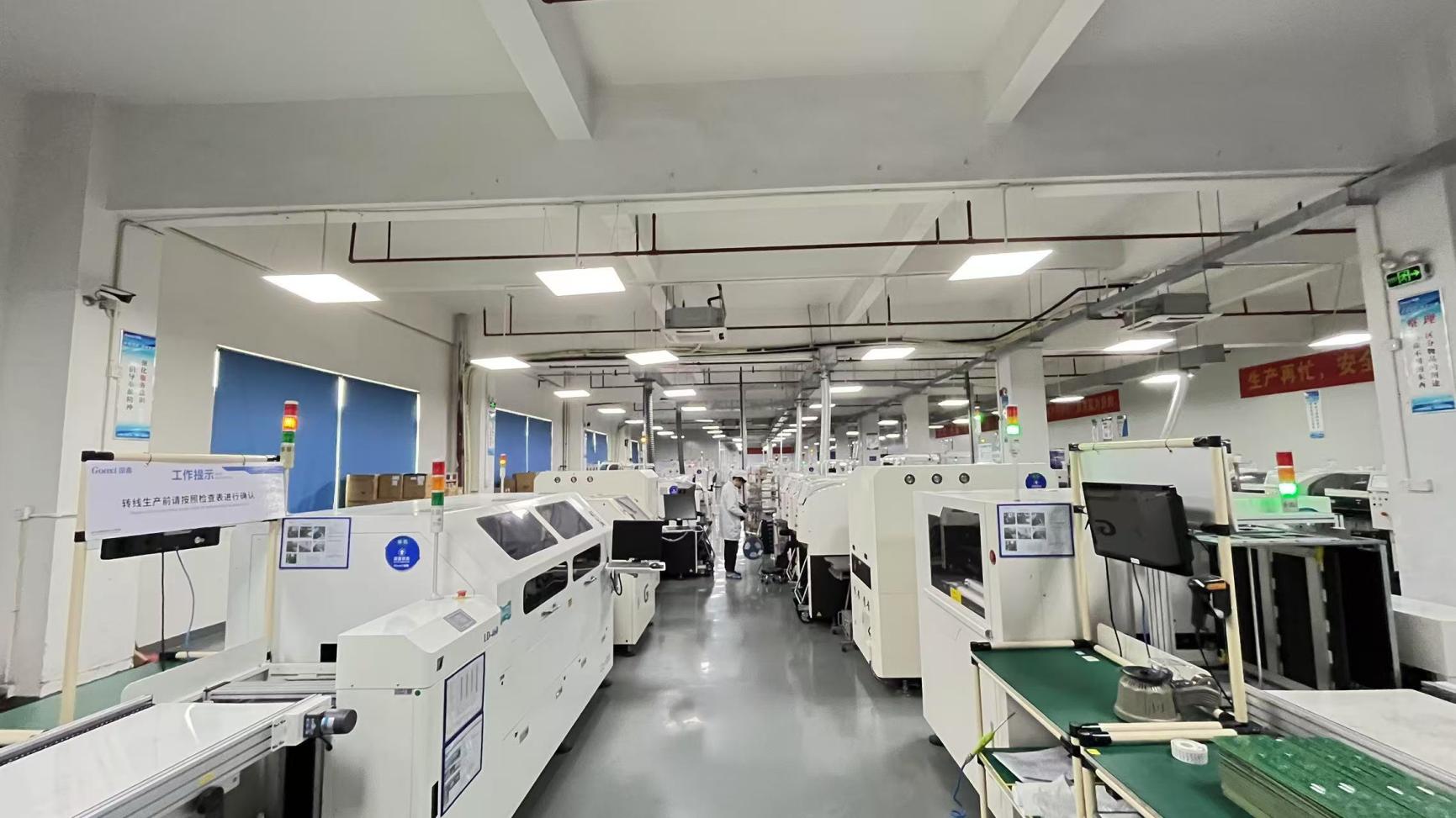
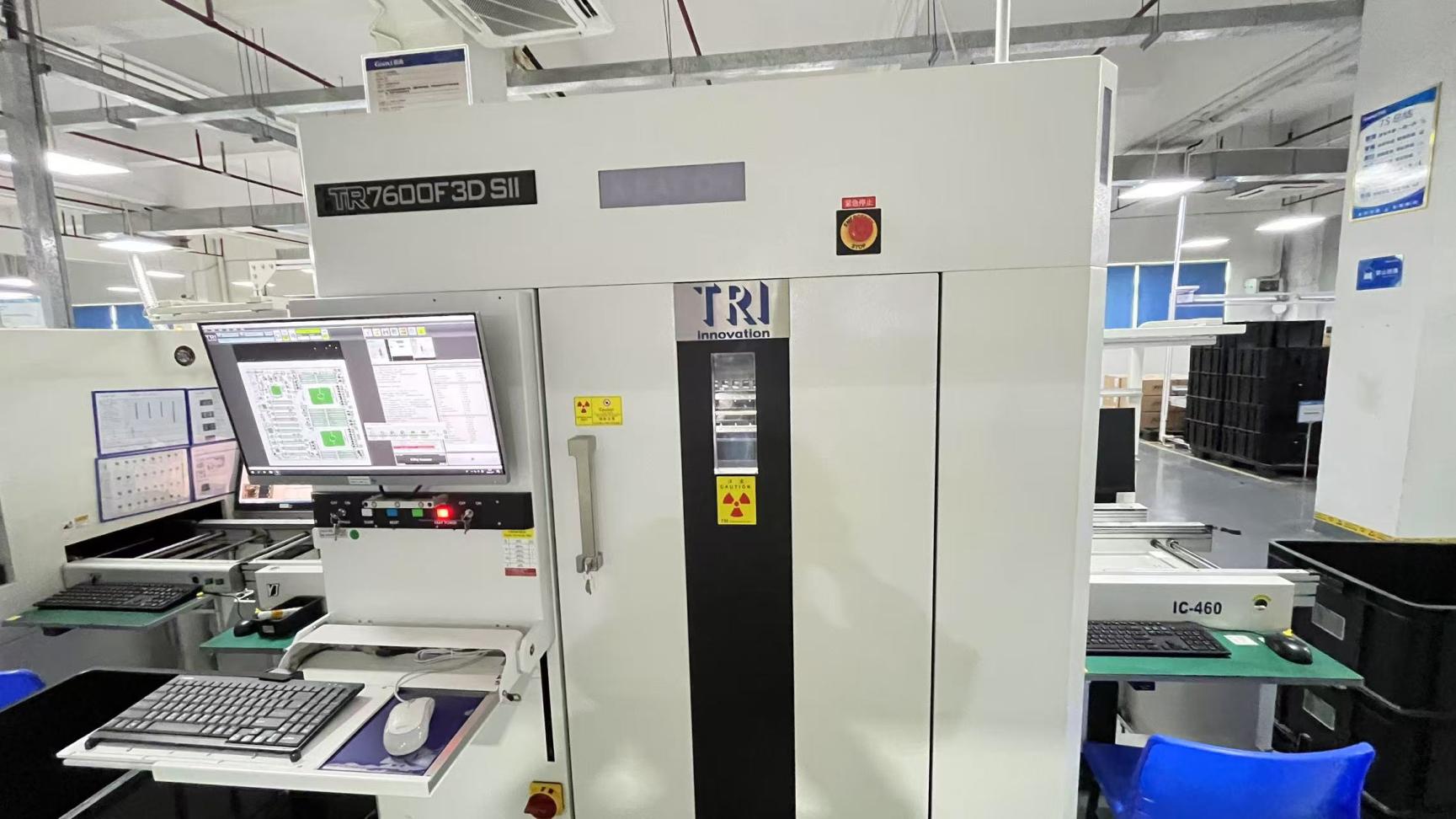

Ethernet loopback connectors and magnetic modules are vital components in a range of communication setups, each presenting distinct environmental and performance challenges:
In modern data center deployments, engineers use loopbacks for pre-commissioning active ports. Passive or active optical SFP/QSFP loopbacks are inserted into switch matrices to verify line cards, run Bit Error Rate (BER) tests, and check backplane paths before connecting live fiber cables.
Industrial control systems operate in environments with high EMI from heavy machinery. Here, shielded RJ45 magnetic connectors and robust loopbacks with integrated EMI gaskets prevent signal degradation. These connectors link PLCs, industrial sensors, and field controllers, securing communication loops against external noise.
Telecom carriers rely on high-reliability optical transceiver loopback modules to verify connection integrity across long fiber spans. When troubleshooting networks up to 60km, loopbacks assist technicians in separating central office transceiver faults from issues in external optical distribution cables.
Clear answers to complex technical and logistical questions for B2B engineering and procurement teams.
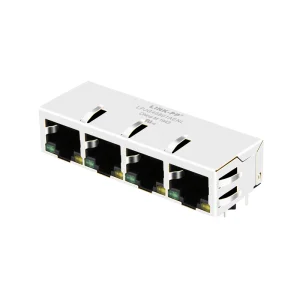
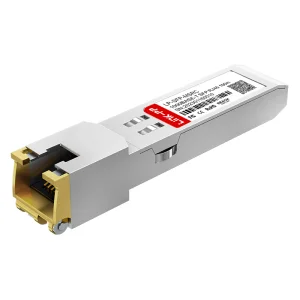
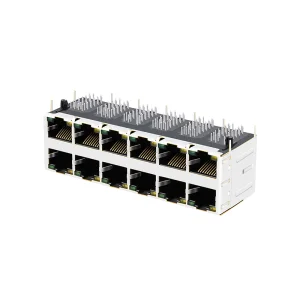
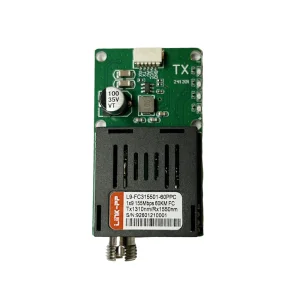
Our comprehensive portfolio features Single Mode, BiDi, Multi-port, and Low-Profile connectivity solutions built to global datacom standards.