Lumetra
Lumetra
Lumetra
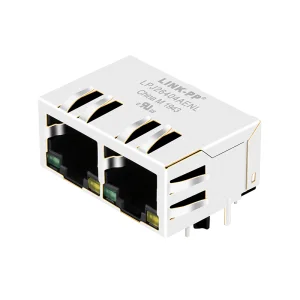
In the era of 5G infrastructure, edge computing architectures, and Artificial Intelligence (AI) pipelines, high-power RJ45 interfaces have transcended their conventional status as simple hardware plugs to become vital thermal-electrical signaling nodes.
Modern telecommunication networks and enterprise servers require infrastructure that can handle intense data workloads alongside power transmission. The transition from legacy PoE (IEEE 802.3af) to advanced standard PoE++ (IEEE 802.3bt Type 4) has introduced significant design challenges. Delivering up to 90W-100W of electrical power across standard twisted-pair Ethernet cables generates thermal dissipation challenges at the contact interface, while demanding robust signal integrity at frequencies exceeding 250 MHz.
Consequently, sourcing high-performance RJ45 connectors with integrated magnetics, advanced EMI shielding, and high-spec internal transformers is essential. Product designs must proactively counteract the threats of return loss, insertion loss, and contact degradation due to electric arcing under load.
Unpacking the material sciences, precision geometries, and magnetic configurations that separate high-grade industrial-strength jacks from standard commodities.
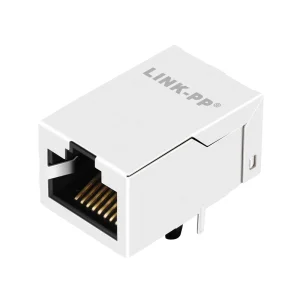
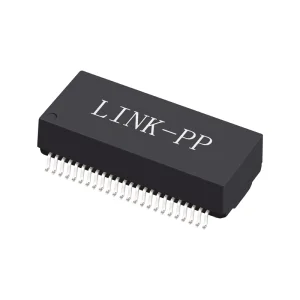
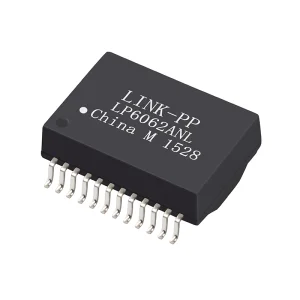
Integrating the LAN transformer module inside the metal shield of the RJ45 housing provides isolation and suppresses electromagnetic interference (EMI). Devices like the PoE+ Lan Magnetic Transformer H6062NL suppress common-mode noise while allowing clean high-frequency data throughput up to multi-gigabit speeds.
Under PoE++ currents (up to 960mA per pair), standard contacts risk thermal degradation. High-power RJ45 connectors feature phosphor bronze pins plated with 50 micro-inches of gold over nickel. This minimizes contact resistance, mitigates arcing during hot-unplugging, and maintains mechanical reliability over 750 mating cycles.
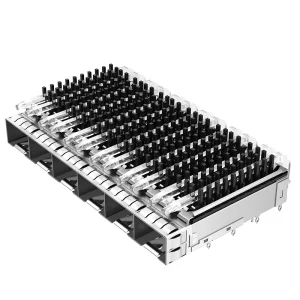
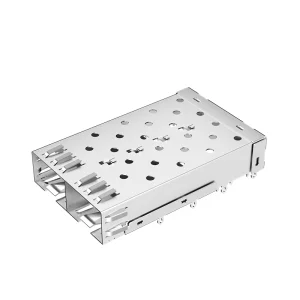
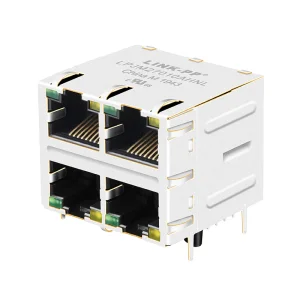
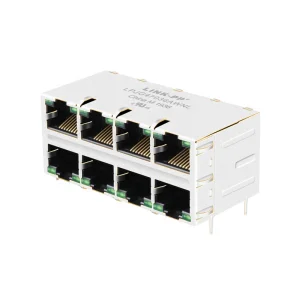
Heavy brass plating, multiple grounding tabs, and robust spring fingers ensure optimal chassis ground contact. Configurations like 2x2, 2x4, and 1x6 port arrays (e.g., TE Replacement Press-fit SFP+ Cage With Heatsink) provide structural stability and heat dissipation for high-density applications.
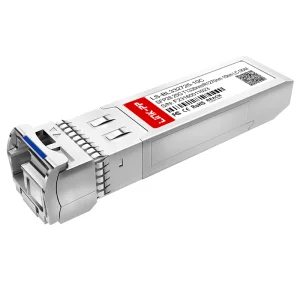
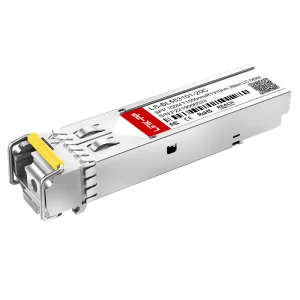
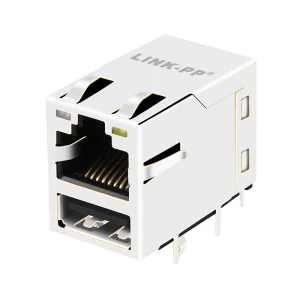
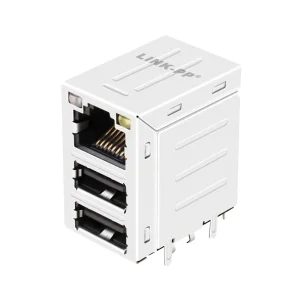
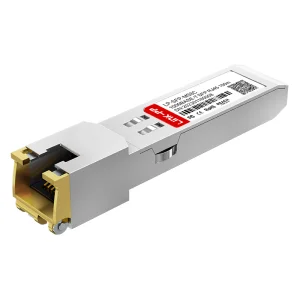
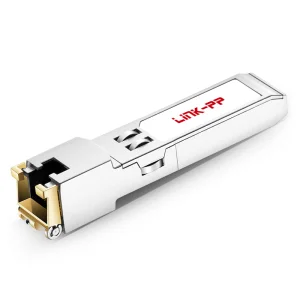
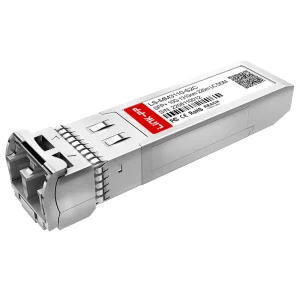
For high-density networking switches and routers, space utilization is critical. Engineers often face choices between traditional RJ45 footprints and high-speed SFP/SFP+ copper cages. By deploying integrated components, such as the Gigabit RJ45 With Dual USB 3.0 Connector or the Shielded 2x2 2.5G Magnetic Jack, hardware designs save PCB board space and simplify manufacturing lines. Additionally, using transceivers like the Cisco SFP-10G-T-100 Compatible 10G Copper SFP+ RJ45 Module helps system integrators transition smoothly between high-density fiber networks and legacy copper infrastructures without requiring entirely new systems.
How these robust connection systems perform under the demanding environmental, electrical, and mechanical workloads of distinct local markets.
In industrial zones throughout Europe and North America, harsh environments expose networking gear to vibration, dust, and electrical transients. Shielded modular jacks are widely used here to link high-definition, PoE-powered machine vision cameras, robotic arms, and PLCs back to central control systems.
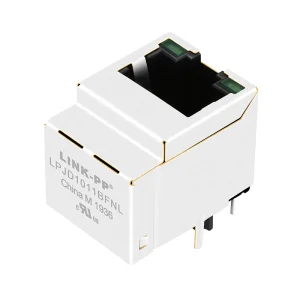
With server rack densities increasing globally, cooling and cabling have become key bottlenecks. Integrated SFP cages and vertical RJ45 jacks with built-in LEDs help optimize ventilation routing while allowing technician-level port diagnostics at a glance.
Deployments of 5G small cells and outdoor municipal Wi-Fi 6/7 access points rely on high-power PoE++ transmission to bypass local power wiring. High-power RJ45 jacks with thermal insulation coatings resist climate swings from winter freezes to high summer temperatures.
Lumetra Optoelectronics Technologies Co., Ltd. demonstrates how China's integrated electronics clusters enable reliable lead times, high quality, and deep customization.
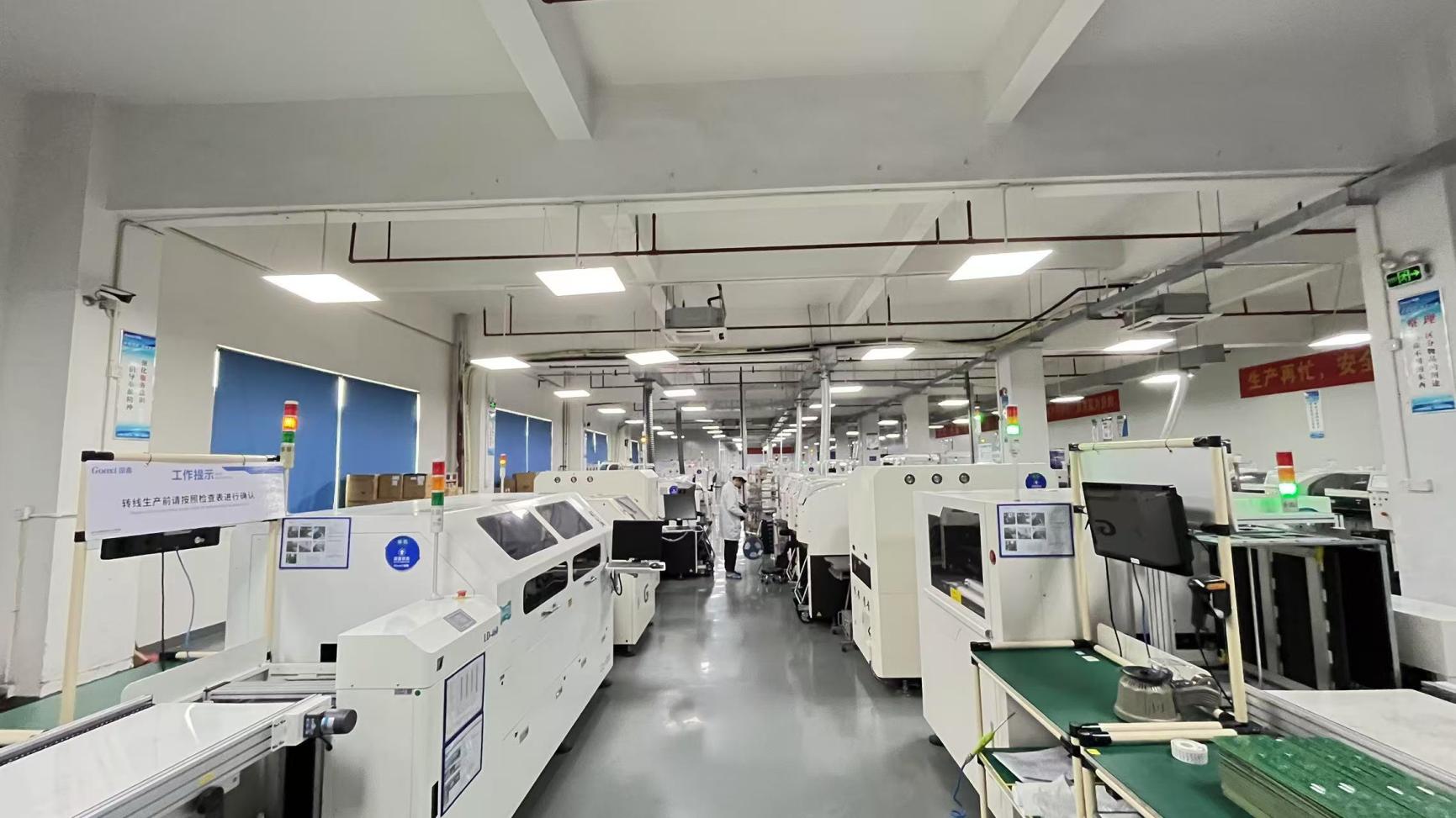
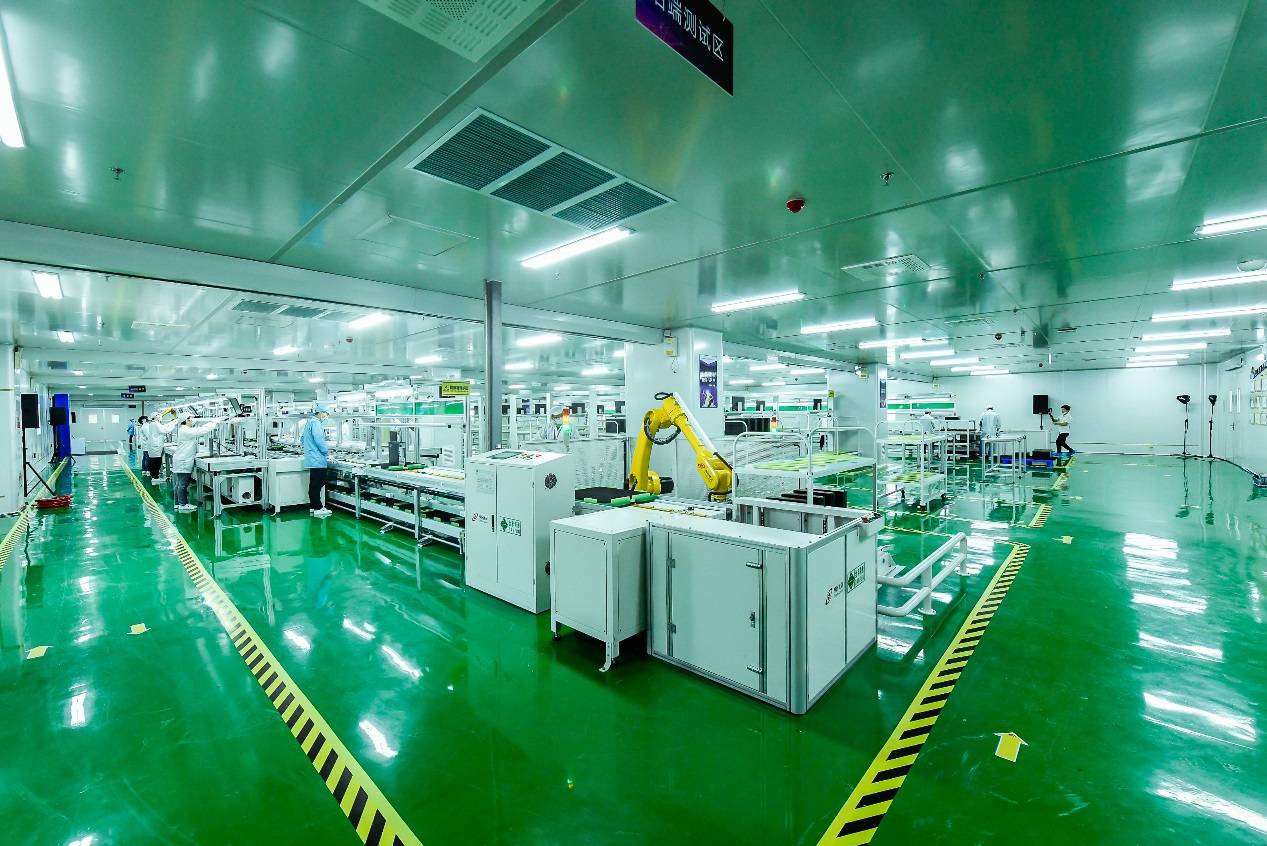
Operating out of an 8,500㎡ facility, Lumetra maintains modern production environments, including dust-free assembly zones, high-speed automated pin-insertion stations, and multi-stage testing setups. While many companies struggle with component shortages, Lumetra partners with over 1,200 supply chain suppliers. This extensive base secures reliable raw materials, including high-temperature plastics (LCP/PA9T), precision-milled copper alloys, and high-permeability magnetic cores, even during peak global demand periods.
By operating inside China's Pearl River Delta manufacturing region, Lumetra draws on a deep local ecosystem of plating providers, stamping toolmakers, and freight networks. This proximity allows the company to transition new designs from prototype to mass production in weeks. Lumetra continues to expand its reach, achieving an annual export revenue of approximately USD 18 million across active routes in North America, Europe, Southeast Asia, and the Middle East.
Our engineering support handles diverse OEM and ODM requirements, including customized pinouts, custom LEDs, specialized EMI tab configurations, and custom housing dimensions. Lumetra manages these adaptations internally, drawing on the experience of an 86-member R&D engineering team focused on high-speed circuit simulation, structural design, and signal integrity testing.
In the past year alone, Lumetra introduced approximately 220 new products, demonstrating a commitment to technological development that keeps pace with emerging network equipment standards.
Understanding how Ethernet connector standards, fiber transceiver speeds, and IoT deployments will evolve over the next decade.
Scaling standard copper infrastructure to support 2.5G/5G and 10G Base-T data speeds, while integrating reliable PoE+ (IEEE 802.3at) and PoE++ (IEEE 802.3bt) power transmission to support next-generation enterprise access points.
Designing hybrid copper-fiber networking gear using compact SFP+ cages and copper transceivers to bridge localized high-power copper loops with long-haul, high-bandwidth single-mode fiber systems.
Advancing Single Pair Ethernet (SPE) and Power over Data Lines (PoDL) designs to replace multi-wire layouts in industrial IoT, reducing overall cabling weight and simplifying automation layouts.
Developing high-density optical transceiver modules (including 25G BiDi and 100G+ Form Factors) that sit closer to the ASIC, reducing parasitics and power losses at the board interface.
Our manufacturing, assembly, and testing processes follow strict quality standards to ensure reliable long-term field performance.
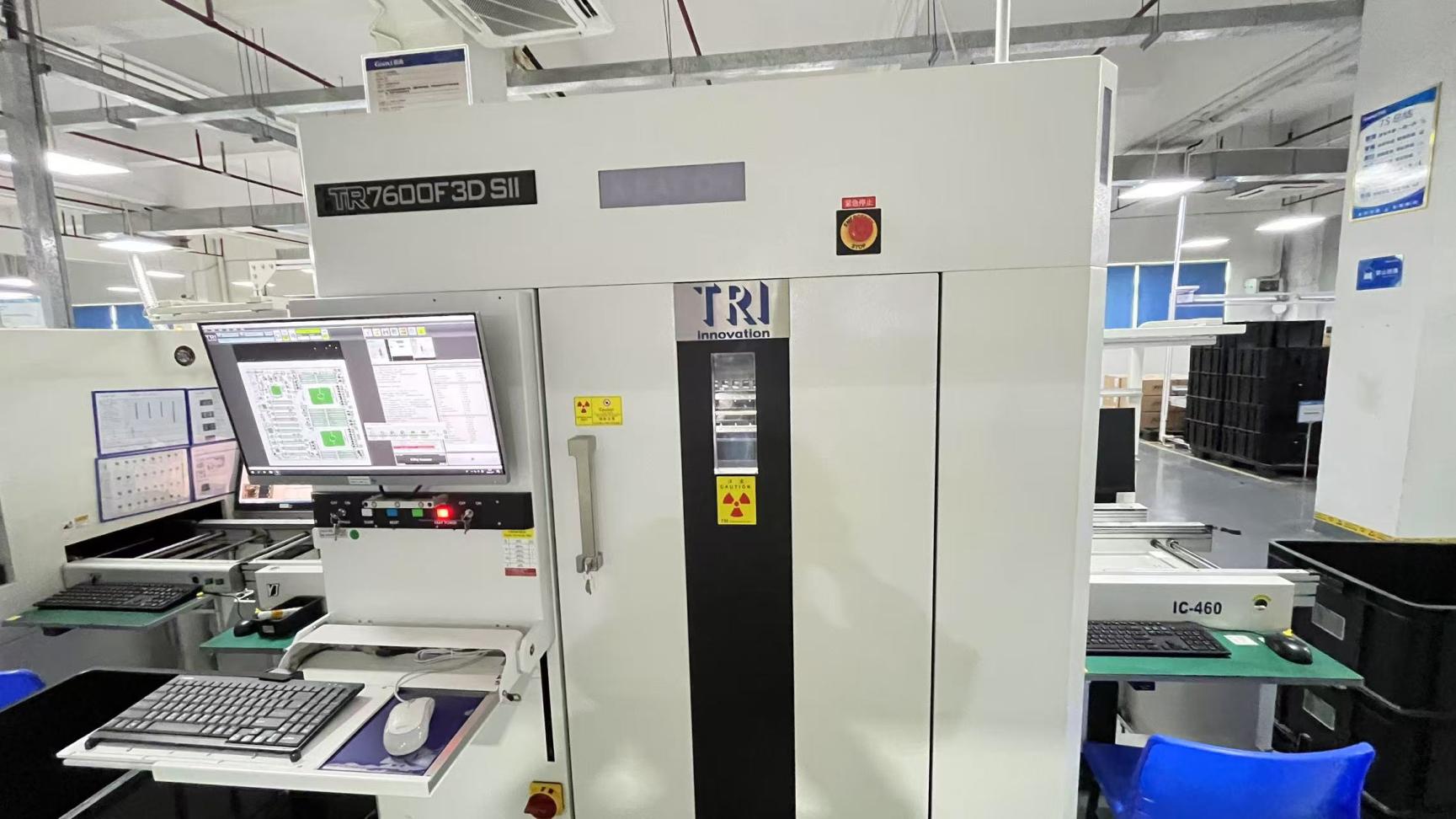
Lumetra maintains its quality standards through a combination of automated optical performance testing, environmental stress screening, and manual inspection steps. Our quality control team includes 48 trained inspectors who ensure every product conforms to specifications before leaving the factory.
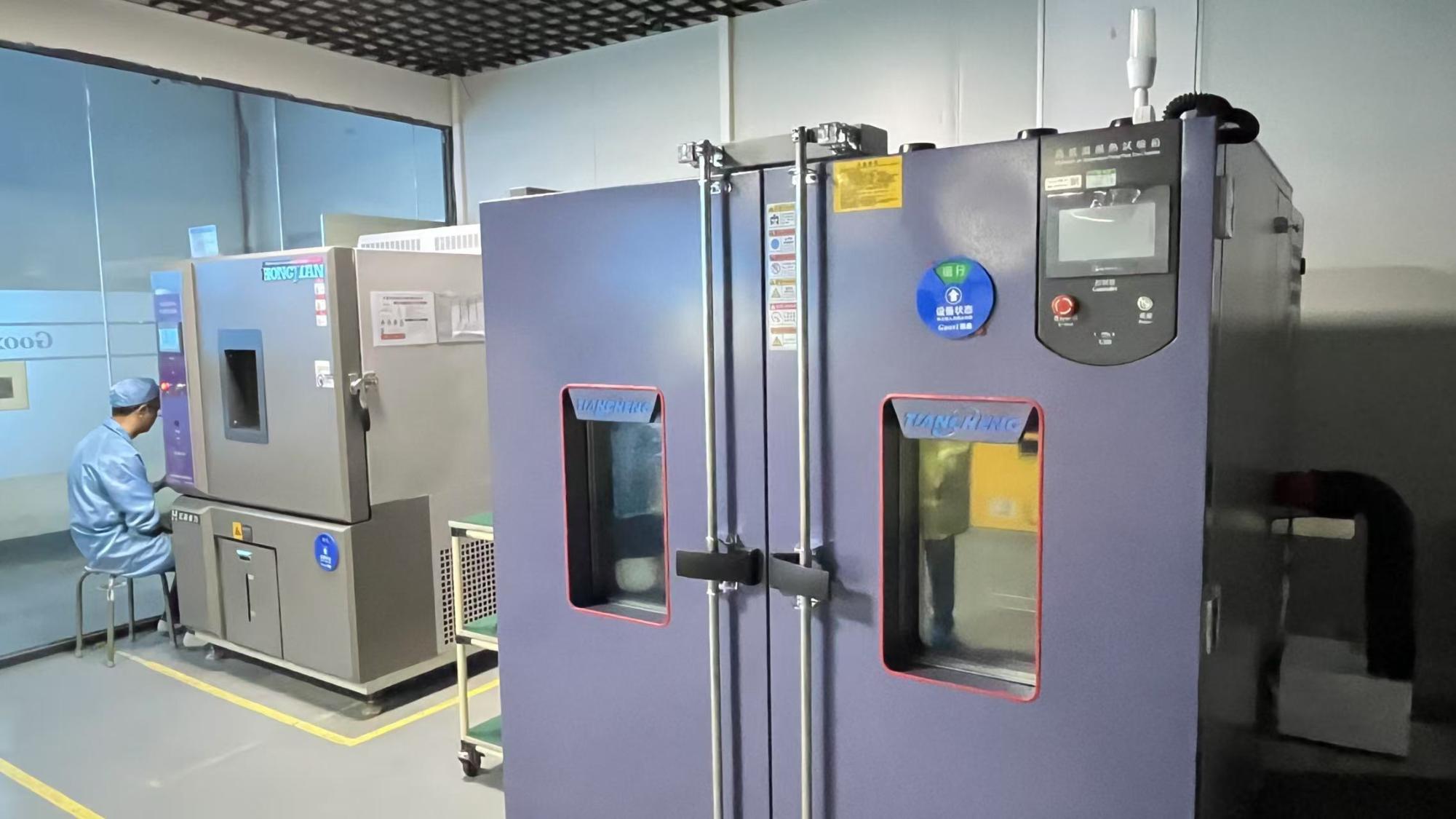
Product lines undergo regular stress testing, including high-temperature aging, humidity cycles, vibration screening, and salt spray exposure. These procedures ensure the structural components, LED elements, and transformers resist atmospheric corrosion and physical wear over extended lifetimes.
Exporting to major international markets requires adherence to industry standard specifications:
A look inside our manufacturing processes, including high-speed optical testing labs and automated modular connector assembly lines.
Clear, technical answers to common questions about PoE++ specifications, shielding choices, and optical-copper integration.