Lumetra
Lumetra
Lumetra
Select component configurations matching global enterprise standards for high-frequency attenuation, EMI containment, and physical durability.
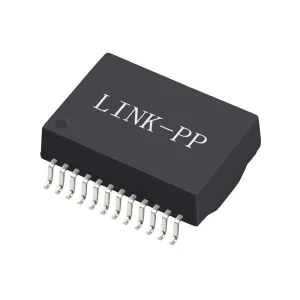
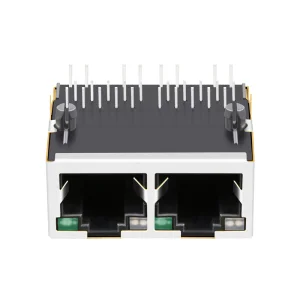
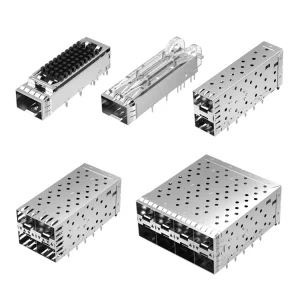
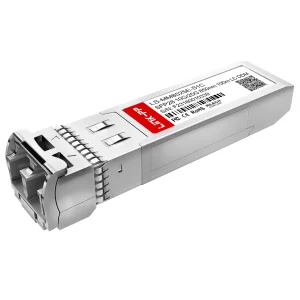
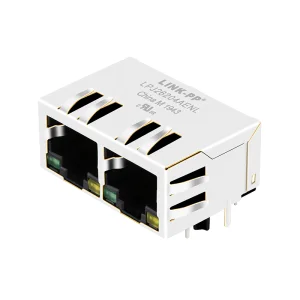
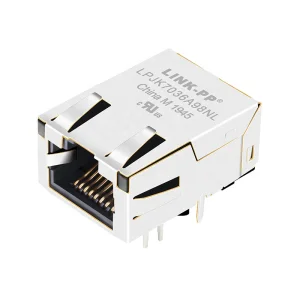
In high-density local area networks (LANs), enterprise telecom frameworks, and hyperscale processing clusters, the RJ45 connector housing acts as the critical physical and electromagnetic barrier protecting sensitive signaling layers. Choosing high-integrity housings directly affects structural durability, contact impedance matching, and electromagnetic interference (EMI) containment.
With the deployment of 5G networks, Edge Computing Nodes, and high-wattage Power over Ethernet (PoE++ / IEEE 802.3bt), standard plastic modular jacks are no longer sufficient. Connectors must now handle continuous thermal loads, mechanical stress, and complex electromagnetic environments. Professional China manufacturers and exporters focus on optimizing the three core elements of connector assembly:
High-performance housings use tin-plated brass, nickel-plated copper alloys, or stainless steel shield cages. Integrated grounding tabs connect directly to the PCB chassis to redirect high-frequency electromagnetic noise, preserving differential signal integrity.
Using engineering plastics like Liquid Crystal Polymer (LCP), Polybutylene Terephthalate (PBT), or Polyamide (PA9T) rated at UL94-V0. These materials prevent structural warping during high-temperature reflow soldering processes up to 260°C.
Using phosphor bronze bases finished with selective gold plating (ranging from gold flash to 50 micro-inches). This provides consistent contact resistance values (typically < 20mΩ) across more than 750 mechanical mating cycles.
Understanding standard industry specifications is key to choosing the right components. Below is a comparison of typical specifications for high-performance RJ45 connector housings used in industrial and telecom systems:
| Specification Category | Standard Housing (Commercial) | Industrial Shielded Housing | High-Speed SFP/QSFP Cage Systems |
|---|---|---|---|
| Material Base | PA66 / PBT Polyester (standard) | High-temp LCP / PA9T (UL94-V0) | Stainless Steel / Zinc-Nickel Alloys |
| EMI Shielding | None or basic 0.20mm brass wrap | Full copper-nickel shell with EMI tabs | Inner/Outer EMI gaskets, SMT solder pins |
| Operating Temp | -40°C to +85°C | -40°C to +125°C | -40°C to +105°C (High airflow optimized) |
| Max Bandwidth | Cat5e (up to 100 MHz) | Cat6A / Cat8 (up to 2000 MHz) | 10G / 25G / 100G Multi-mode channels |
| Mating Force / Life | Min 750 insertion cycles, 20N pull | Min 1500 insertion cycles, 50N lock | N/A (Cages leverage lever locking clamps) |
South China's electronic industrial clusters (in Dongguan, Shenzhen, and Suzhou) contain the world's most dense concentrations of high-speed connector manufacturing. These regions consolidate every step of the production process:
Top Chinese manufacturers comply with international trade and safety frameworks. They maintain certifications like ISO 9001:2015 for quality management, ISO 14001 for environmental protection, and safety credentials such as UL (Underwriters Laboratories) testing.
To serve markets in the EU, North America, and Japan, every connector housing batch undergoes testing for chemical hazards, hazardous substances, and heavy metals. This ensures full compliance with RoHS (Restriction of Hazardous Substances) and REACH requirements.
Founded in 2016, Lumetra Optoelectronics Technologies Co., Ltd. is a professional manufacturer specializing in high-speed optical transceivers and fiber optic communication solutions for datacom, telecom, and cloud infrastructure applications. Over the years, the company has developed into a reliable supplier with strong engineering capabilities and global export experience.
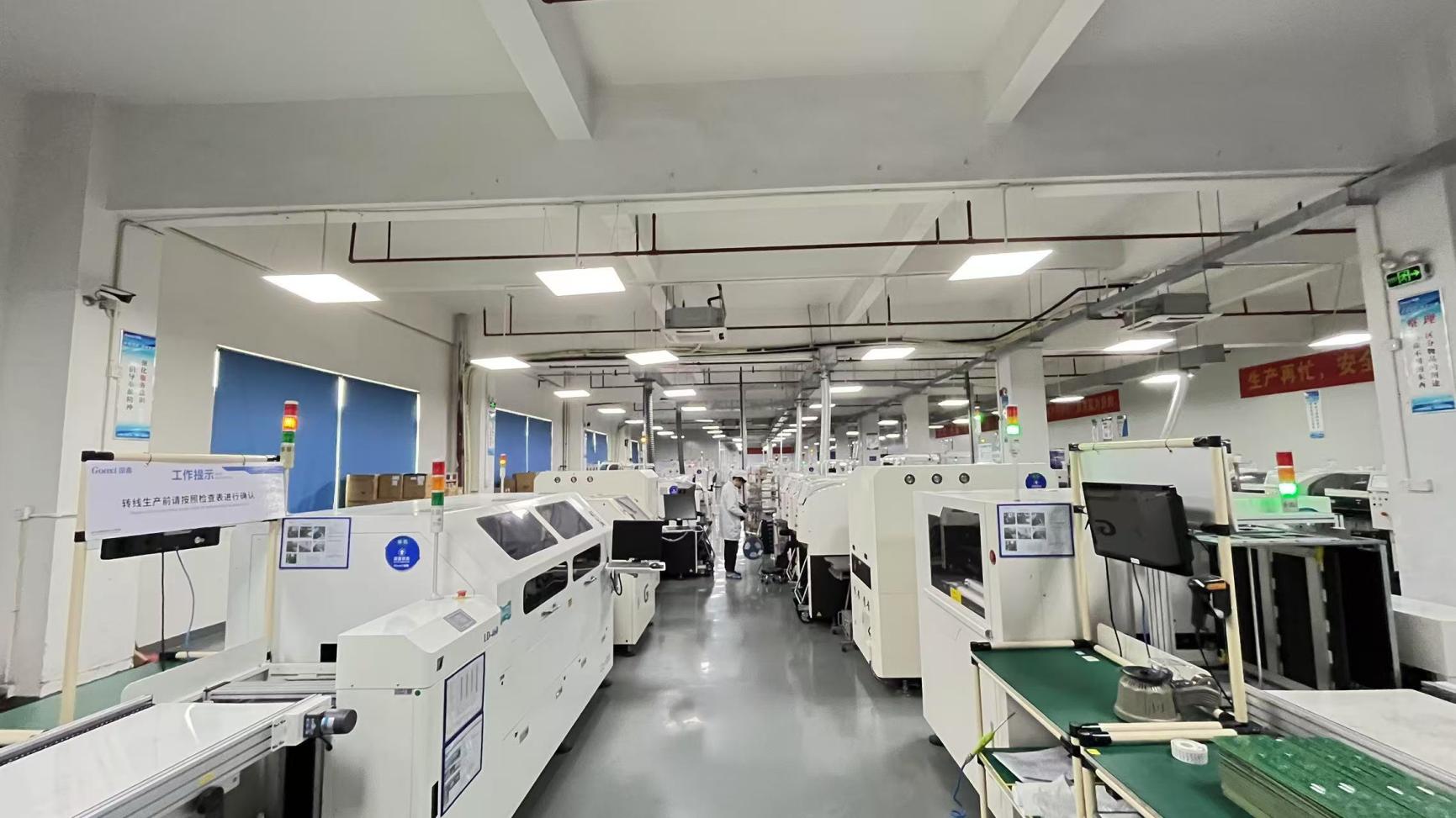
Lumetra operates a production facility covering approximately 8,500㎡, supporting efficient manufacturing and quality-controlled assembly processes. With annual export revenue reaching around USD 18 million, Lumetra has built stable international business channels and accumulated 7 years of export experience, backed by 11 years of overall industry expertise.
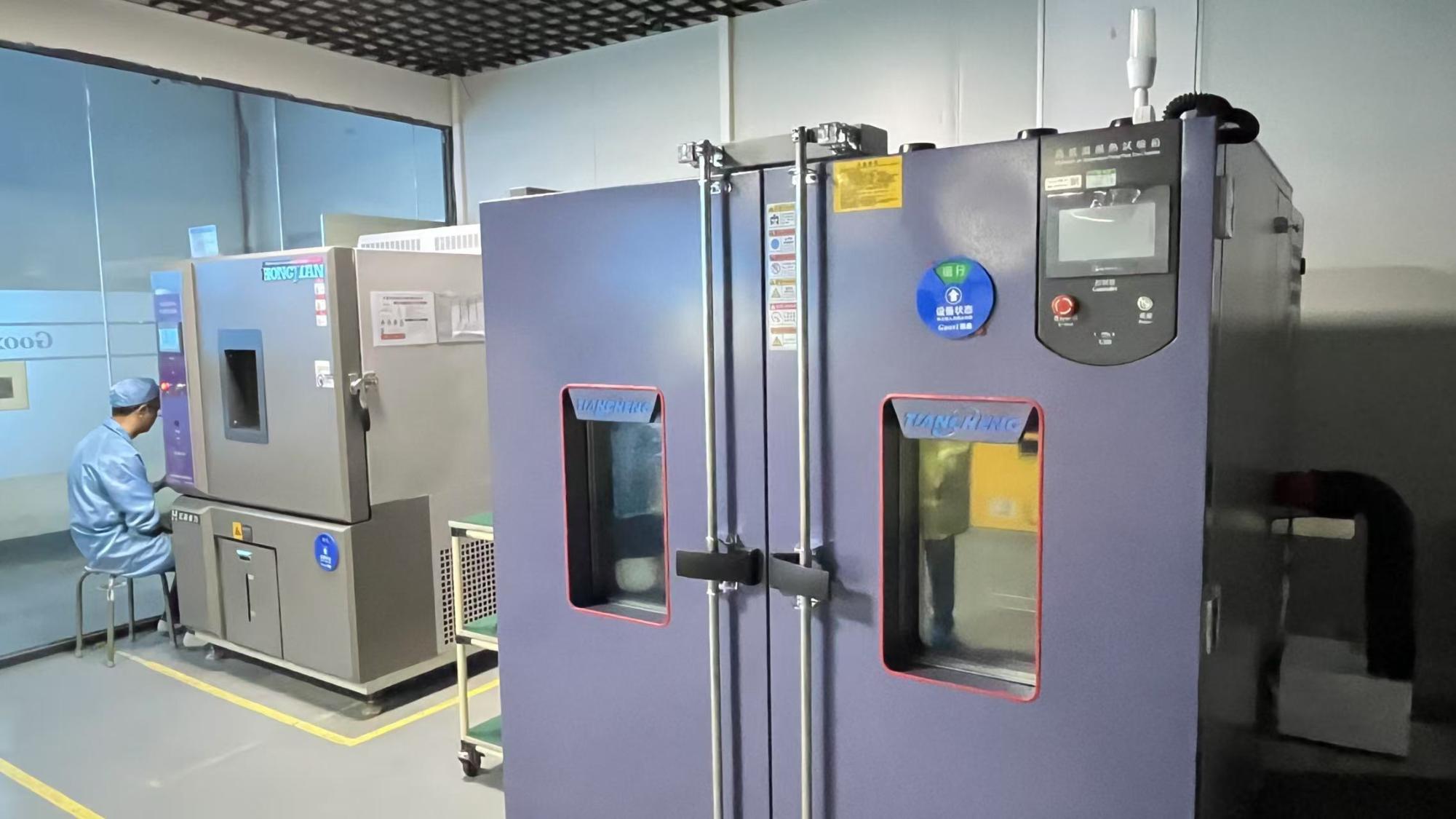
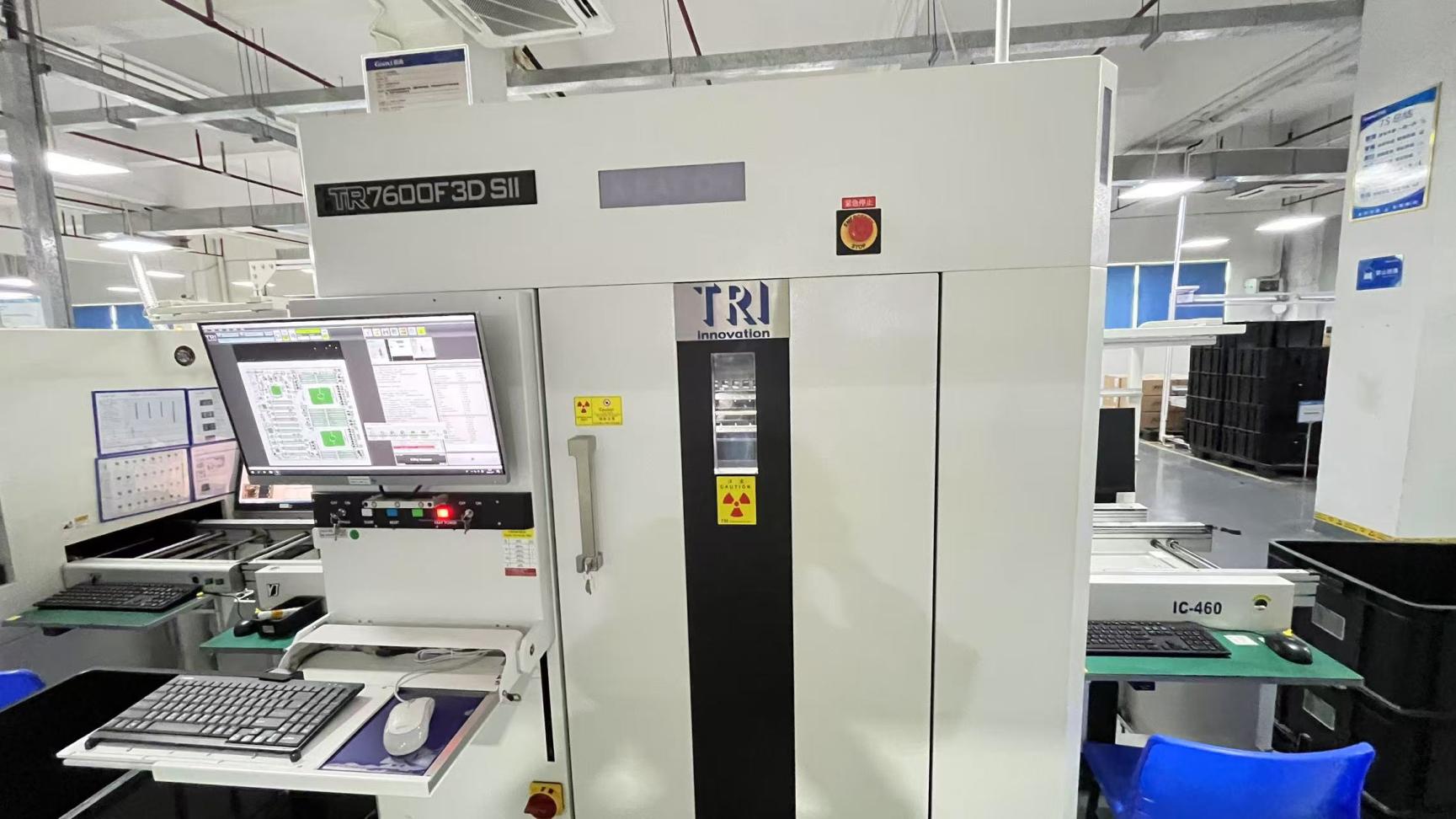
Quality assurance is maintained through a combination of automated optical performance testing, environmental stress screening, and manual inspection processes. The quality control team consists of 48 trained inspectors ensuring strict compliance with international standards.
Lumetra maintains a diversified trade background with strong presence in OEM and ODM markets. Its primary markets include North America, Europe, Southeast Asia, and the Middle East, serving telecom operators, data center integrators, and network equipment distributors. The company collaborates with over 1,200 supply chain partners to ensure stable component sourcing and manufacturing efficiency. Its customer base mainly includes telecom carriers, hyperscale data centers, system integrators, and optical network equipment brands.
With strong R&D capability, Lumetra supports advanced customization including protocol compatibility, wavelength tuning, form factor adaptation, and power optimization. The company employs 86 R&D engineers focused on optical design, hardware development, and signal integrity optimization. In the past year, Lumetra launched approximately 220 new products, reflecting its continuous innovation in high-speed optical communication technologies.

Modern networking trends are changing the design requirements for RJ45 connectors. The transition to cloud computing and smart industrial infrastructure is driving several key developments:
High-power Power over Ethernet (PoE) installations send electricity and data down the same copper strands. This can generate heat in connector bundles, causing standard plastic housings to degrade. Industrial-grade LCP housing structures dissipate heat more effectively and resist thermal degradation, preventing mechanical failure over years of continuous operation.
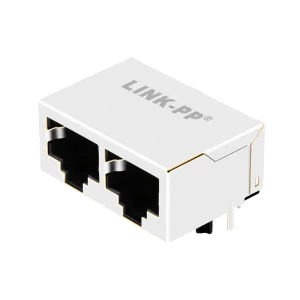
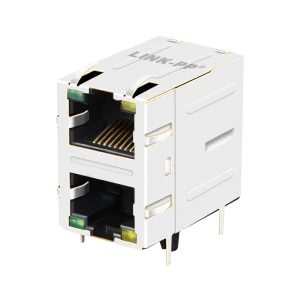
To save PCB space in switches and routers, designers are moving from single ports to multi-port "Harmonica" designs (like 1x2, 2x4, and 2x8 stacked configurations). These compact shapes require thin, highly uniform plastic walls. Stamping technologies must also keep alignment precise across all pins to prevent cross-talk.
Whether deployed in municipal smart grids or private networks, localized requirements vary by region:
Crucial integration and sourcing details for technical buyers and hardware designers.
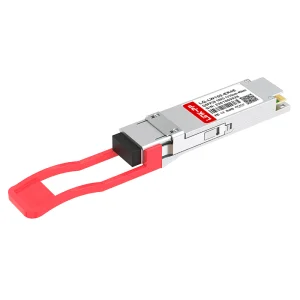
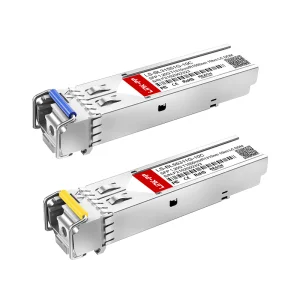
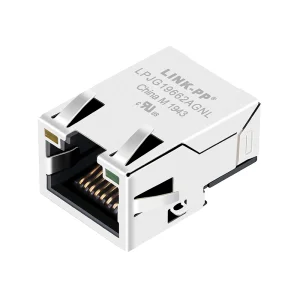
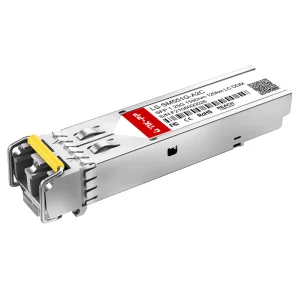
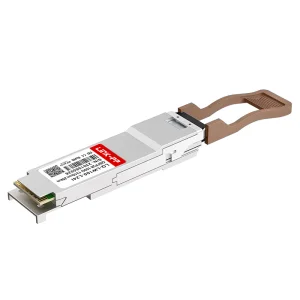
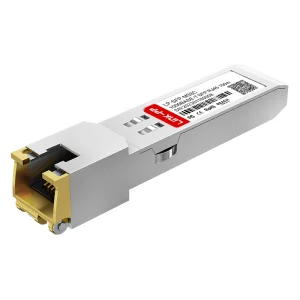
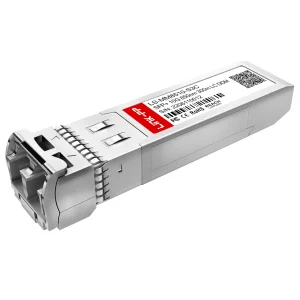
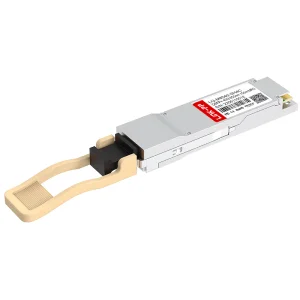
Review our active transceivers, standard magnetic jacks, and high-frequency SFP cages designed for robust telecom infrastructure.