Lumetra
Lumetra
Lumetra
Engineered for high signal integrity, optical precision, and robust electrical distribution in telecommunications and enterprise networking.
Analysing the intersection of high-speed copper networking and auxiliary power transport in harsh industrial environments.
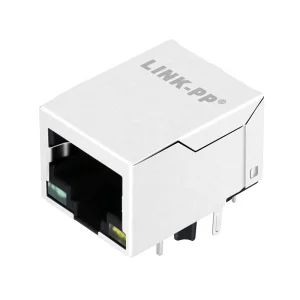
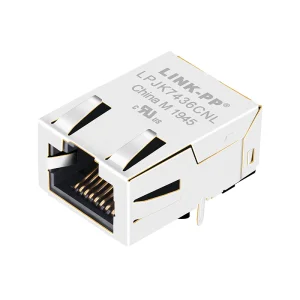
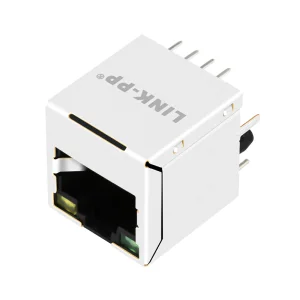
In the era of hyper-connected manufacturing and distributed computing, standard data-only interfaces no longer suffice. The RJ45 Hybrid Connector represents a critical evolutionary leap in physical-layer infrastructure. By combining traditional Ethernet copper pairs (utilised for signal transmissions up to 10G Base-T) with dedicated power pins or fiber-optic waveguides within a unified mechanical enclosure, hybrid connectors streamline installation, reduce points of failure, and maximize spatial efficiency on PCBs and terminal interfaces.
From a hardware design standpoint, integrating high-voltage power paths in close proximity to sensitive data lines introduces significant electromagnetic compatibility (EMC) hurdles. Industrial signals are inherently vulnerable to near-end crosstalk (NEXT) and electromagnetic interference (EMI) originating from transient current surges. High-quality RJ45 hybrid designs overcome this through advanced shielding architectures (S/FTP, F/UTP), isolating data conductors with individual foil wraps and robust external metal housings. This ensures clean differential signaling even when operating alongside AC/DC power lines inside the same sleeve.
Advanced internal die-cast Faraday cages isolate high-speed copper differentials from adjacent high-amperage power circuits.
Fully compliant with IEEE 802.3 standards, supporting backward compatibility with Legacy Ethernet and PoE++ (Type 4) applications.
Engineered using high-temp LCP insulators that tolerate elevated internal temperatures without structural or dielectric breakdown.
Why procurement teams must look beyond piece-part pricing to prioritize signal integrity, regulatory compliance, and total lifecycle value.
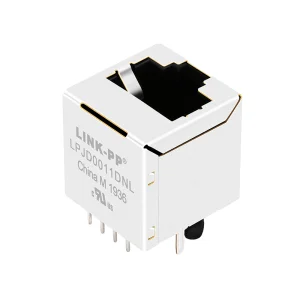
In the procurement lifecycle of telecommunications and datacom equipment, selecting interconnect solutions is a high-stakes decision. Buyers for telecom operators, hyperscale cloud data centers, and system integrators face dual pressures: maintaining ultra-low latency metrics and avoiding costly field failures. The demand for RJ45 Stacked Jacks and Hybrid Connectors has surged because these components directly impact system-level density. When a single modular assembly can house both high-speed transceivers and robust power channels, rack space utilization increases, and cable complexity drops by up to 40%.
However, global compliance and reliable supply lines are non-negotiable. Procurement officers look for factories that demonstrate deep engineering expertise (such as automated optical performance verification and environmental stress screening) and hold internationally recognized certifications (UL, RoHS, REACH). The total cost of ownership (TCO) calculation for an RJ45 connector must factor in contact plating thickness (e.g., 50 micro-inches of gold over nickel to prevent oxidation), insertion cycle lifetime (guaranteed >750 matings), and physical shell durability under thermal cycling. Partnering with a manufacturer capable of offering tailored engineering adaptations—such as variable LED layouts, custom pin lengths, and optimized footprint configurations—removes downstream integration bottlenecks.
How state-of-the-art production floors and deep regional component ecosystems guarantee quality and rapid scale-up.
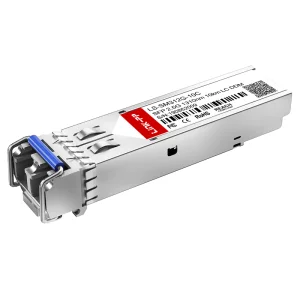
At the center of global electronics manufacturing, Chinese factories are undergoing a rapid Industry 4.0 transition. For high-precision components like Stacked RJ45 Jacks and high-speed optical transceivers, this means moving away from manual labor toward highly automated, software-driven production environments. Modern assembly lines integrate automated optical inspection (AOI), real-time signal integrity testing, and high-frequency vector network analysis (VNA) directly into the manufacturing flow. This automated loop minimizes defect rates to single-digit PPM levels, matching or exceeding stringent global standards.
This efficiency is further strengthened by localized supply chain integration. A typical premium Chinese manufacturing hub provides immediate proximity to specialized raw materials, high-speed plating vendors, precision stamping facilities, and specialized plastic injection moulders. By collaborating with a broad array of component suppliers, a manufacturer can buffer against geopolitical volatility, sudden raw material shortages, and logistics spikes. For international partners, this translates to stable pricing, shorter lead times, and the agility to scale production from prototype runs to millions of units in response to market demands.
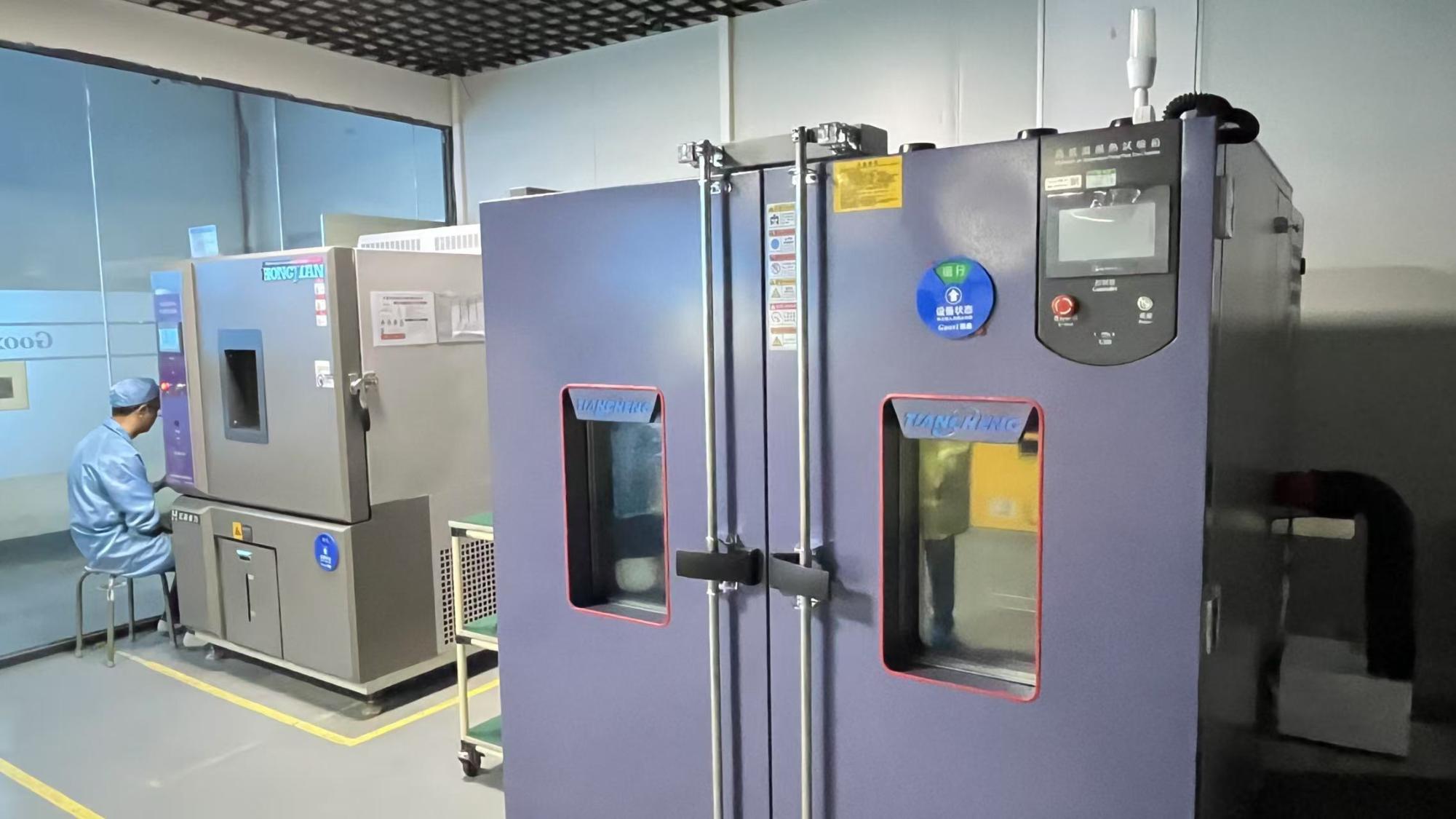
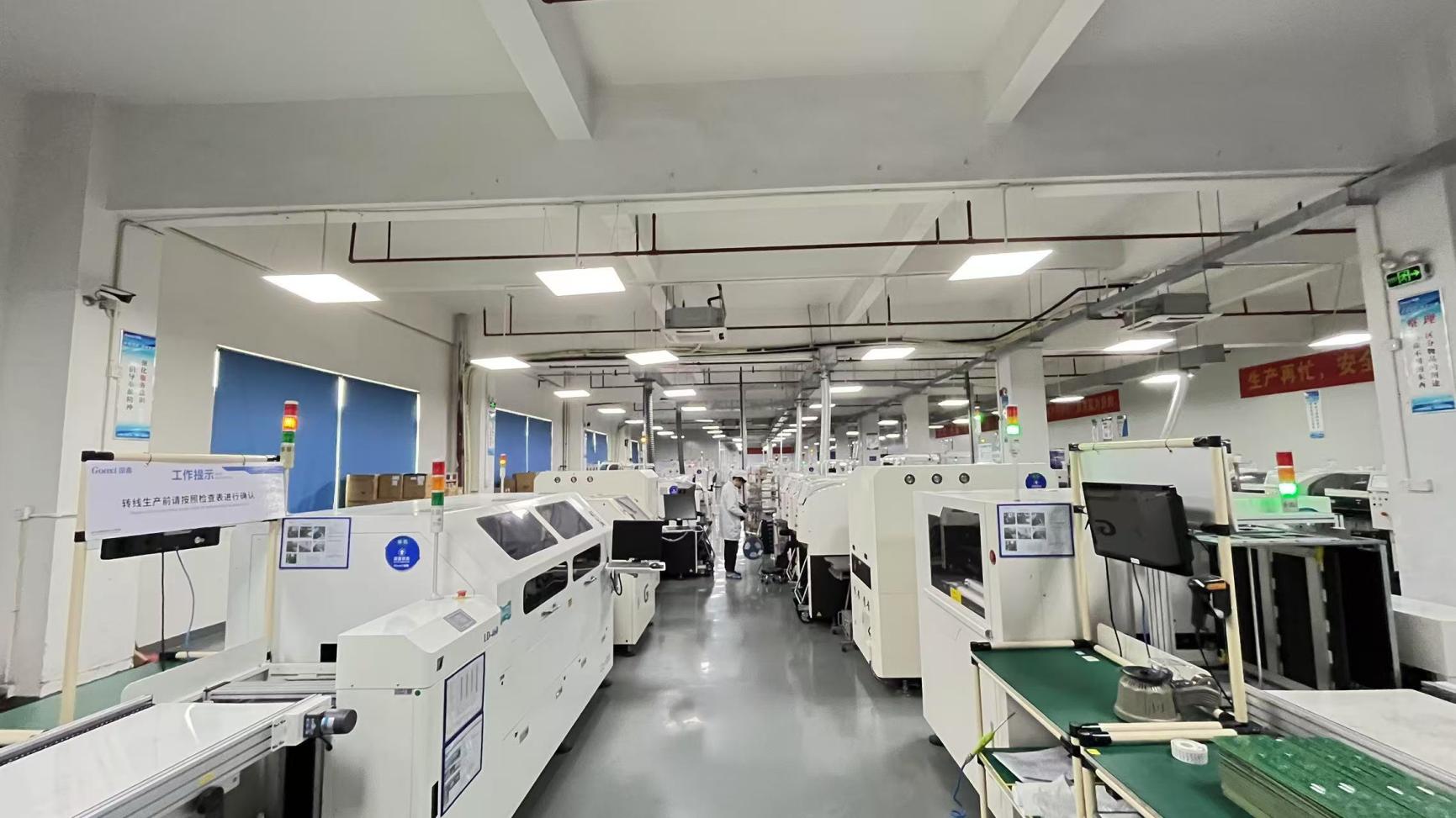
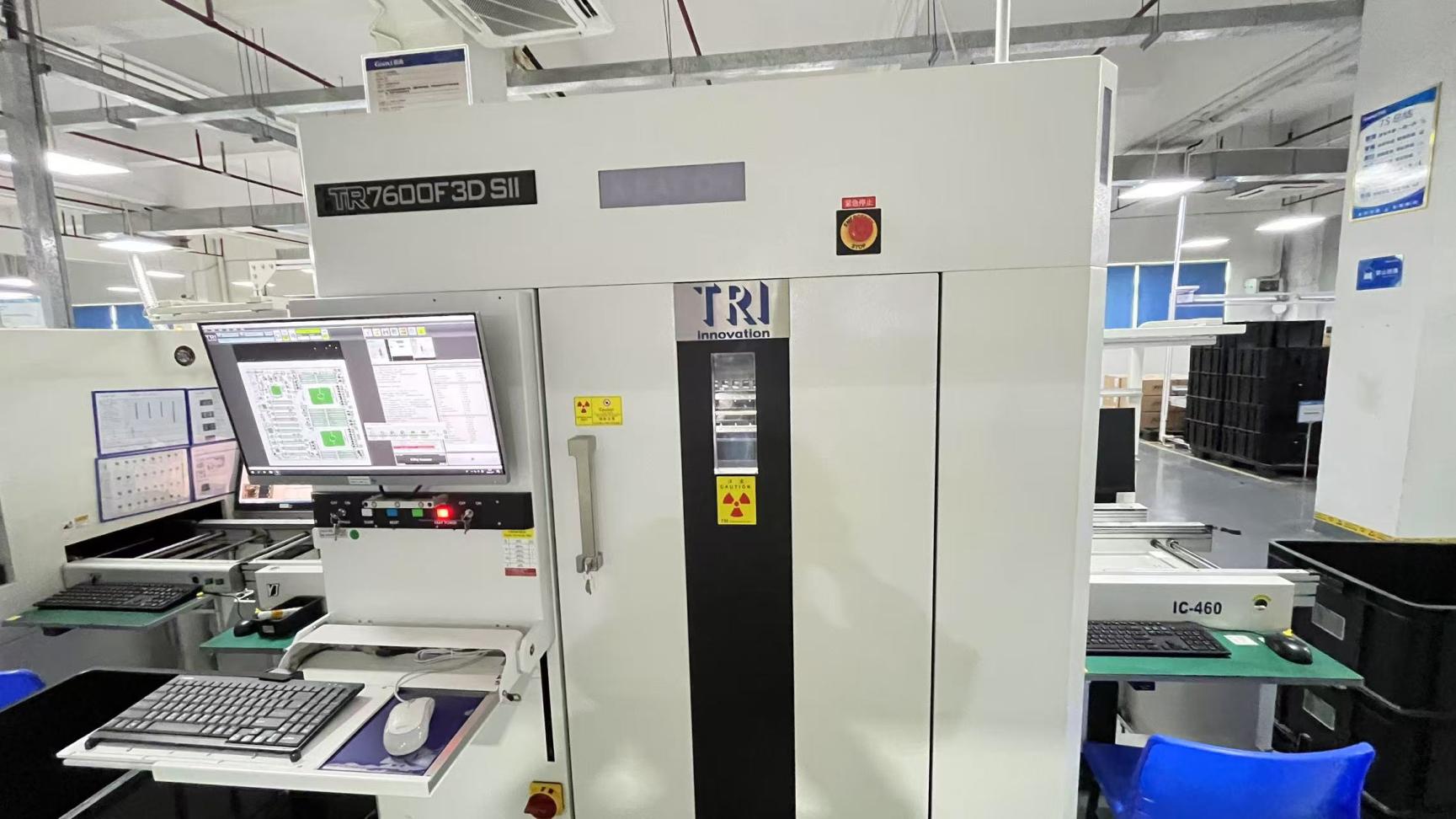

Leveraging 11 years of deep industry expertise to engineer next-generation optical communication and custom interconnect systems.
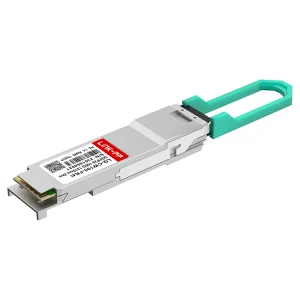
Founded in 2016, Lumetra Optoelectronics Technologies Co., Ltd. is a professional manufacturer specializing in high-speed optical transceivers and fiber optic communication solutions for datacom, telecom, and cloud infrastructure applications. Over a decade of industry expertise, combined with 7 years of focused international export experience, has positioned Lumetra as a reliable, high-tier supplier for demanding markets in North America, Europe, Southeast Asia, and the Middle East.
Lumetra operates an advanced 8,500㎡ production facility, housing cleanrooms optimized for high-speed optical assembly and packaging. Quality assurance is maintained at every level through a combination of automated optical performance testing, environmental stress screening (ESS), and manual inspection protocols. A dedicated quality control team comprising 48 trained inspectors oversees compliance with international metrics, ensuring that every shipped transceiver and connector meets the strict requirements of network operators and data center systems. With a robust engineering workforce of 86 R&D specialists focused on optical design, high-frequency hardware layout, and signal integrity optimization, Lumetra launched approximately 220 new products over the past year alone.
As a seasoned provider in OEM and ODM markets, Lumetra offers custom adjustments including protocol compatibility across diverse routing architectures, wavelength tuning, form factor modifications, and thermal-power footprint optimizations. Supported by a collaborative network of more than 1,200 supply chain partners, the company provides network equipment distributors and hyperscale cloud providers with consistent supply, rapid custom development, and reliable volume production.
Where high-performance data processing meets specialized power delivery across modern digital ecosystems.
The practical applications for hybrid connectors and high-speed modules span several demanding industrial verticals:
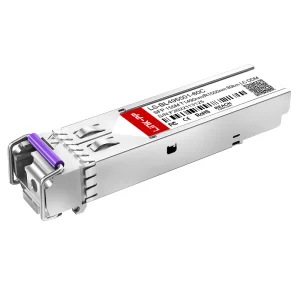
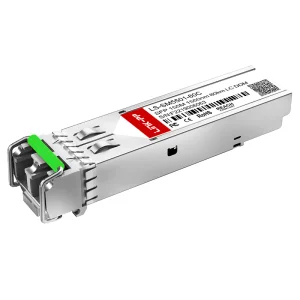
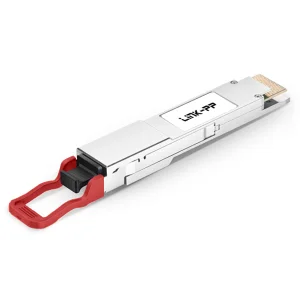
High-reliability designs tailored for long-reach networks, PoE setups, and dense network switches.
Answering key engineering and integration questions asked by hardware designers and global procurement managers.
A standard Power-over-Ethernet (PoE) setup transmits current over the same twisted copper pairs used for differential data. In contrast, an RJ45 Hybrid Connector features physical separation on the PCB, dedicating independent metal contacts or optical channels for high-voltage power delivery (up to 30A or more) alongside standard RJ45 networking lines inside a single shielded shell. This design isolates sensitive high-frequency signal lines from noise-prone power feeds.
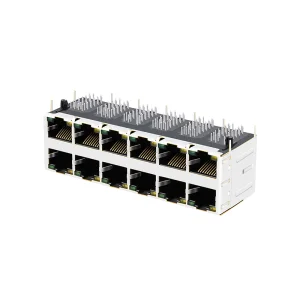
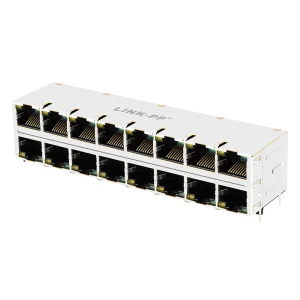
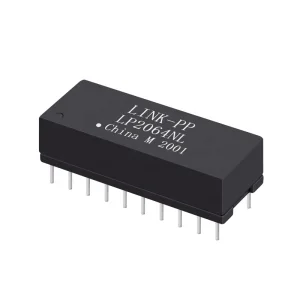
We minimize EMI using internal Faraday shields, selective ground planes, and specialized spatial separations. By keeping power pins electrically isolated from high-speed copper differentials, we reduce near-end crosstalk (NEXT) and maintain reliable signal-to-noise ratios, even in dense configurations like our 2x6 and 2x8 stacked modular jacks.
With an R&D engineering team of 86 specialists, Lumetra supports custom layouts including specialized shell footprints, unique LED colors and configurations, variable gold plating thicknesses (from 15u" to 50u"), custom pin arrangements, optical wavelength tuning, and compatibility profiles for switches and routers from major networking brands.
Our quality control program includes automated optical alignment verification, high-frequency vector analysis, thermal cycling, and environmental stress screening (ESS). The quality department, staffed by 48 inspectors, monitors every stage of production to confirm compliance with regulatory frameworks including RoHS, CE, FCC, and UL requirements.
We work closely with more than 1,200 local and international material partners. This diverse component sourcing network buffers us against unexpected market shortages. Combined with our 8,500㎡ facility, it allows us to offer stable prices, predictable lead times, and reliable volume production for partners worldwide.