Lumetra
Lumetra
Lumetra
Explore our high-performance RJ45 modular jacks and optical SFP transceivers engineered for enterprise networking systems.
Analyzing key drivers of compact physical layer interconnects across global telecom and datacenter landscapes.
In the era of hyper-scale datacenters, edge computing installations, and industrial automation networks, the global demand for Compact Ethernet Connectors has shifted from basic standard component selection to complex signal integrity, thermal budget management, and space-saving optimization. Procurement managers and hardware systems designers are faced with the continuous challenge of maximizing board-level port density while ensuring that electromagnetic interference (EMI) and cross-talk are mitigated.
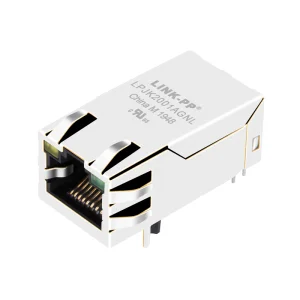
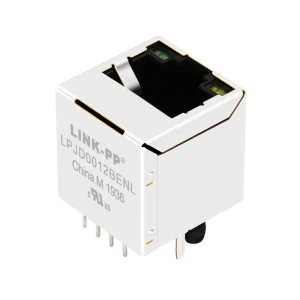
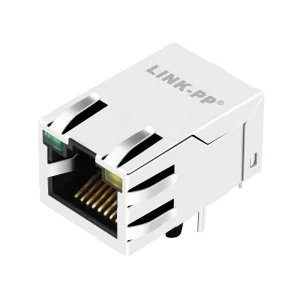
Modern networking hardware requires compact components capable of handling high bandwidth over copper and optical interfaces. The optimization of the physical layer (PHY) layout demands integrated magnetics—such as RJ45 jacks with built-in transformers—to save printed circuit board (PCB) real estate and improve electromagnetic compatibility (EMC). High-end procurement workflows prioritize suppliers that can deliver components compliant with strict IEEE standards (such as 802.3ab for Gigabit Ethernet and 802.3bt for high-power PoE++), ensuring interoperability with major PHY chipsets.
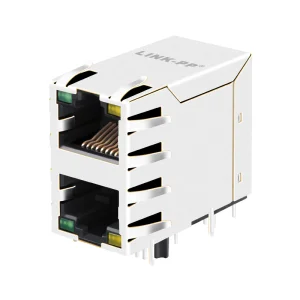
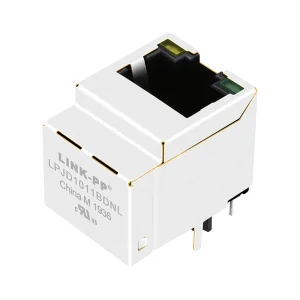
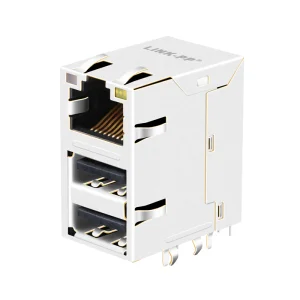
Multi-port stacked configurations and vertical entry RJ45 jacks save up to 40% of PCB layout space compared to conventional horizontal modules.
Ensuring compliance with IEEE 802.3af/at/bt specifications to deliver clean DC power concurrently with high-speed data transmission.
Advanced metal shielding with integrated common mode chokes prevents external electromagnetic interference (EMI) and guarantees stable links.
Architecting robust data routing links from enterprise cloud infrastructure to challenging industrial environments.
Different application verticals require unique physical configurations and data transmission speeds. In industrial settings, mechanical ruggedization and wide-temperature compatibility are mandatory. In datacenters, the priority is optical throughput, low latency, and low thermal emissions. A professional supplier must cover the entire spectrum of these requirements:
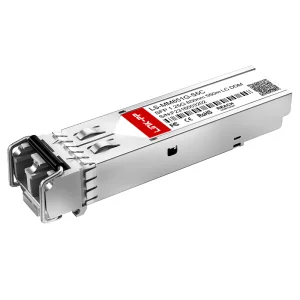
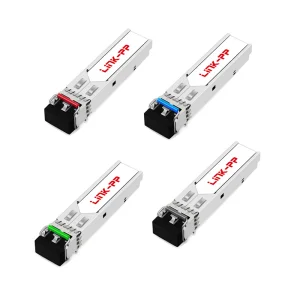
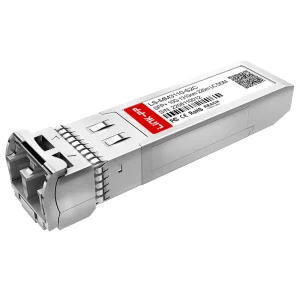
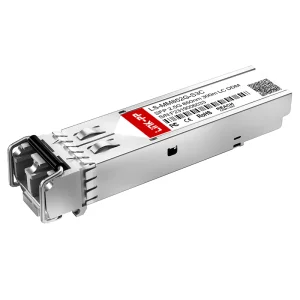
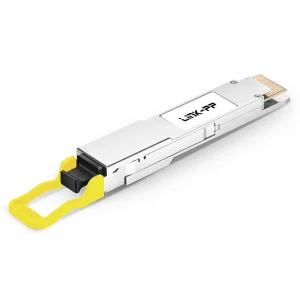
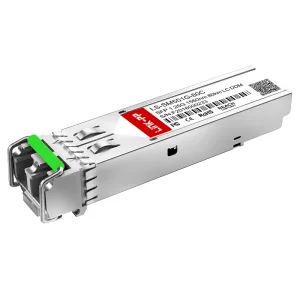
In high-speed, high-density computing clusters, traditional copper connections face physical length limitations. This is where optical transceivers, such as SFP, SFP+, and QSFP-DD form factors, become vital. Deploying components like the 400G DR4 QSFP-DD or 10G DWDM SFP+ transceivers allows networks to span distances up to 80km while keeping energy consumption low and throughput at maximum rates.
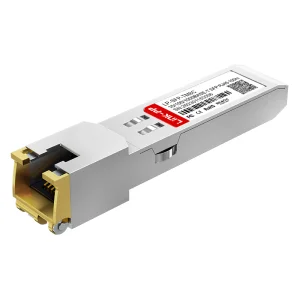
Factory environments are plagued by electrical noise, vibrations, and broad temperature fluctuations. Industrial-grade copper transceivers and modular jacks, such as the MOXA SFP-1GTXRJ45-T Compatible Copper Transceiver, are built to operate reliably within temperature envelopes from -40°C to +85°C. These components ensure that PLCs, robots, and HMI units maintain constant communication back to control systems.
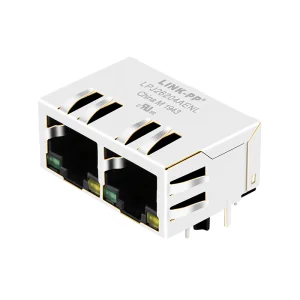
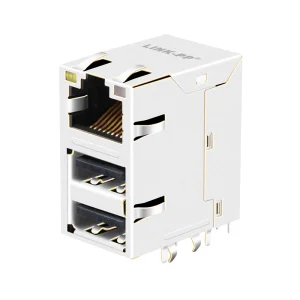
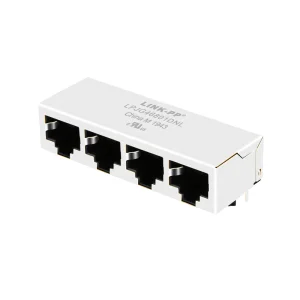
Carrier network nodes require highly standardized components to guarantee compliance and interoperability. Multi-port integrated RJ45 jacks with built-in status LEDs facilitate localized diagnostic capabilities and simplify maintenance on distributed switches and DSLAMs.
The path forward for next-generation physical interconnects and optical modules.
As networks scale beyond gigabit speeds towards 800G and 1.6T bandwidth architectures, the technical roadmap for Ethernet connectivity is marked by three primary vectors of innovation:
By investing heavily in these technical developments, manufacturers ensure that modern networks are prepared for upcoming bandwidth demands without requiring complete hardware overhauls.
An Authoritative Industry Manufacturer of Optical Transceivers and Fiber Optic Communication Solutions.
Founded in 2016, Lumetra Optoelectronics Technologies Co., Ltd. is a professional manufacturer specializing in high-speed optical transceivers and fiber optic communication solutions for datacom, telecom, and cloud infrastructure applications. With 7 years of export experience backed by 11 years of overall industry expertise, Lumetra has established itself as a reliable global supplier with robust engineering and design capabilities.
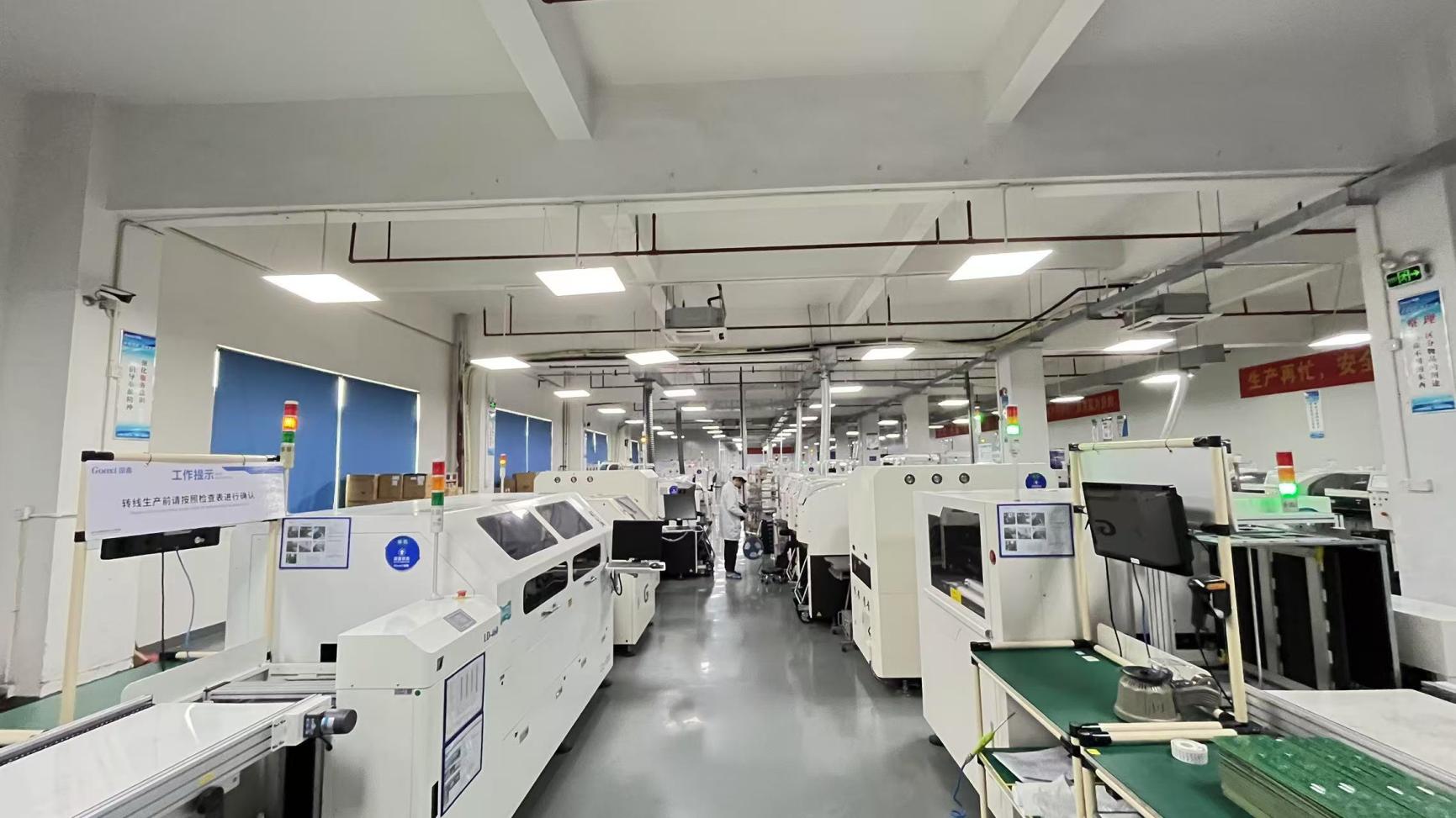
Lumetra operates a production facility covering approximately 8,500㎡, supporting efficient manufacturing and quality-controlled assembly processes. The company coordinates with over 1,200 supply chain partners to ensure component sourcing stability and production efficiency. Our products are exported globally, with a strong presence in OEM and ODM markets in North America, Europe, Southeast Asia, and the Middle East, serving telecom carriers, hyperscale data centers, system integrators, and optical network equipment brands.
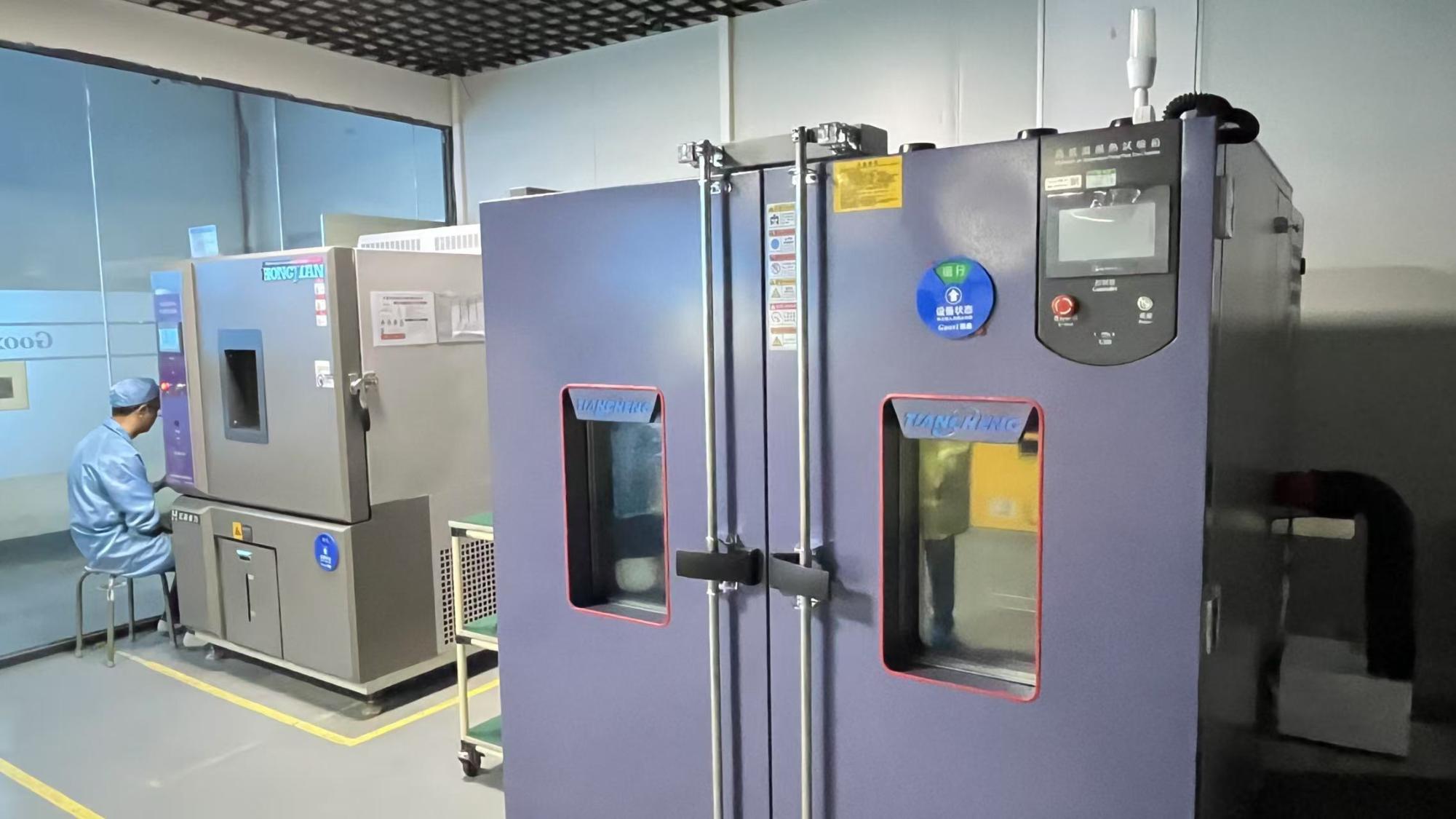
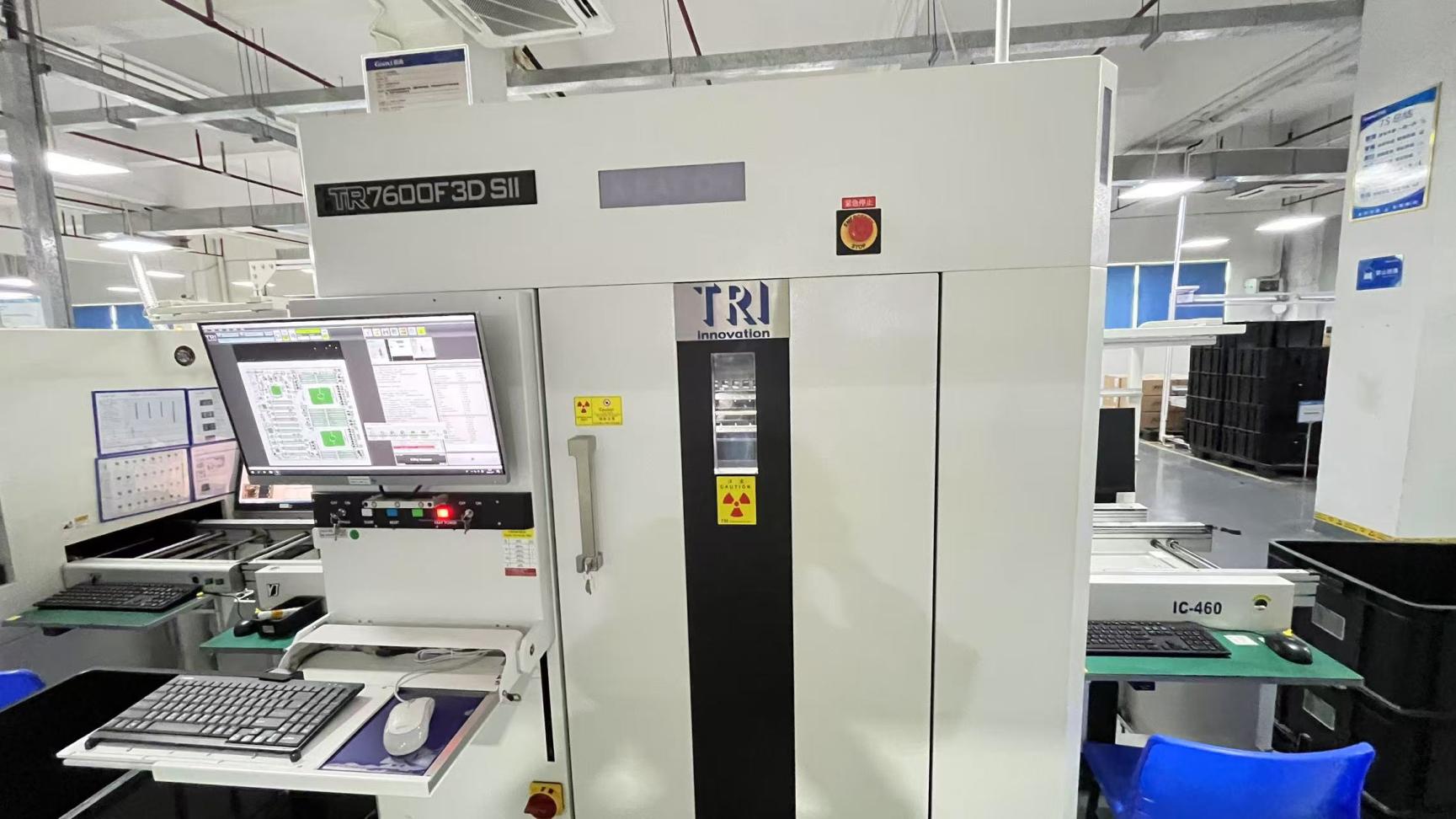
Quality assurance at Lumetra is maintained through a combination of automated optical performance testing, environmental stress screening, and manual inspection processes. A dedicated quality control team consists of 48 trained inspectors ensuring compliance with international quality standards. With 86 R&D engineers focused on optical design, hardware development, and signal integrity optimization, Lumetra launched approximately 220 new products in the past year, reflecting its continuous innovation in high-speed optical communication technologies.

Meeting international quality benchmarks to support seamless local integration and compliance.
Global procurement requires strict compliance with local regulations and international electronics standards. Lumetra's manufacturing processes and finished products comply with key international directives to ensure risk-free integration into consumer, industrial, and telecommunication hardware systems:
Expert answers to common engineering and procurement questions regarding RJ45 and SFP optical systems.
Integrated magnetics (often referred to as MagJacks) incorporate the necessary isolation transformers, common-mode chokes, and capacitors directly inside the RJ45 housing. This saves board space, reduces EMI emission, provides electrical isolation to prevent ESD damage, and simplifies PCB design compared to discrete components.
Lumetra maintains compatibility through a detailed EEPROM coding process. The firmware of each transceiver is configured to match the specific vendor handshake requirements, and performance is verified against the targeted host systems in our testing labs before dispatch.
Crucial parameters include current-carrying capacity (up to 1A per pin for PoE++ / IEEE 802.3bt), contact resistance (typically < 20mΩ), and heat dissipation capacity. Proper contact plating thickness (such as 50 micro-inches of gold) is required to prevent electrical degradation from repeated hot-plugging.
MMF modules (such as 1000BASE-SX or 2.5GBASE-SX) utilize a larger fiber core (50/125µm) and are optimized for shorter distances (typically up to 550m) using 850nm wavelengths. SMF modules (such as 1000BASE-ZX or 10G DWDM) utilize a narrower core (9/125µm) and are designed for long-distance transmissions up to 80km or more using 1310nm/1550nm wavelengths.
Yes. Our R&D division, consisting of 86 engineers, can customize connector pinouts, LED indicators, housing dimensions, vertical/top-entry styles, and shielding tabs to fit custom customer PCBs.
We execute strict incoming material inspections (IQC), periodically audit our raw material partners, and utilize trace codes. Production batches undergo automated testing, environmental stress screening, and manual inspection by our team of 48 quality control specialists.
Secure link performance with our modular ethernet interfaces and high-speed fiber transceivers.