Lumetra
Lumetra
Lumetra
Explore our leading selection of fiber-optic modules and interconnect solutions, designed to minimize insertion loss, optimize electrical-optical conversion, and guarantee 100% multi-vendor hardware compatibility.
The global optical communications landscape is experiencing rapid paradigm shifts driven by massive bandwidth expansion demands, AI processing cluster growth, and energy efficiency constraints.
Modern network configurations are transitioning from legacy 1G and 10G models to high-capacity 25G SFP28, 100G QSFP28, and next-generation coherent architectures. Higher optical spectrum efficiency is critical to supporting cloud scaling requirements without expanding hardware footprints.
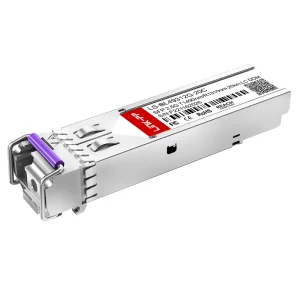
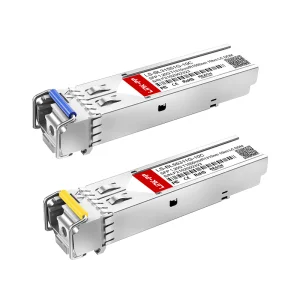
Bidirectional (BiDi) transceiver architectures use Wavelength Division Multiplexing (WDM) to transmit and receive signals over a single strand of fiber (typically pairing 1310nm/1550nm or 1270nm/1330nm). This cuts fiber cabling infrastructure costs by up to 50%.
Modern transceivers prioritize minimizing power consumption per bit. Deploying Silicon Photonics integrations and Linear-drive Pluggable Optics (LPO) allows modern modules to operate with significantly lower thermal dissipation, improving datacenter PUE ratings.
Lumetra Optoelectronics Technologies Co., Ltd. is a dedicated manufacturer specializing in high-speed optical transceivers and advanced fiber optic communication solutions for datacom, telecom, and cloud infrastructure applications. Founded in 2016, our operations are built on a solid foundation of 11 years of industry experience, combined with 7 years of international export execution.
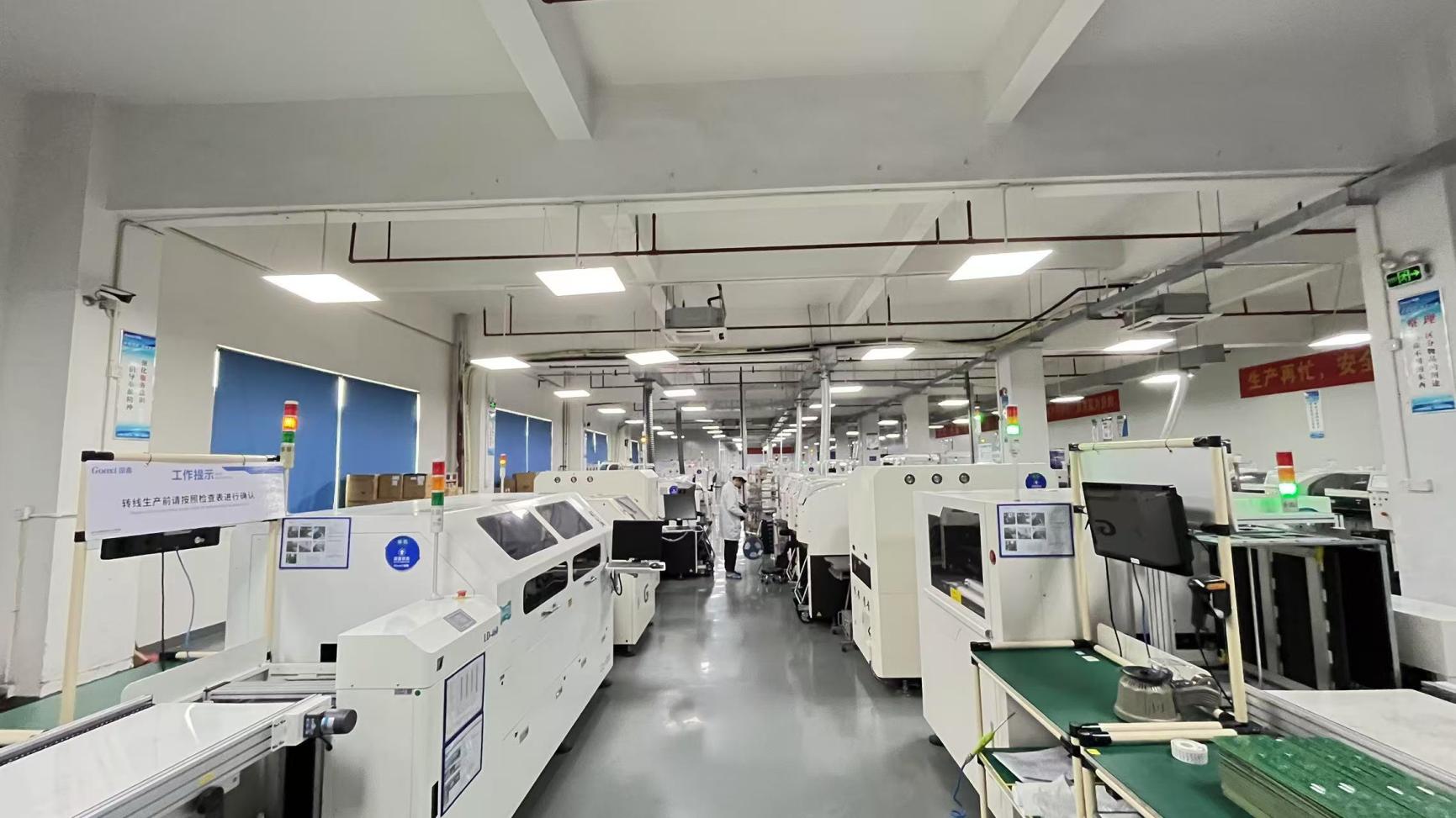
Operating out of our state-of-the-art, ISO-certified 8,500㎡ production facility, we manage the entire manufacturing cycle. This spans optical sub-assembly (TOSA/ROSA) optical coupling, high-precision surface-mount technology (SMT), automated firmware flashing, and comprehensive quality inspections. Our annual export revenue has reached approximately USD 18 million, highlighting our strong position as an international supplier.
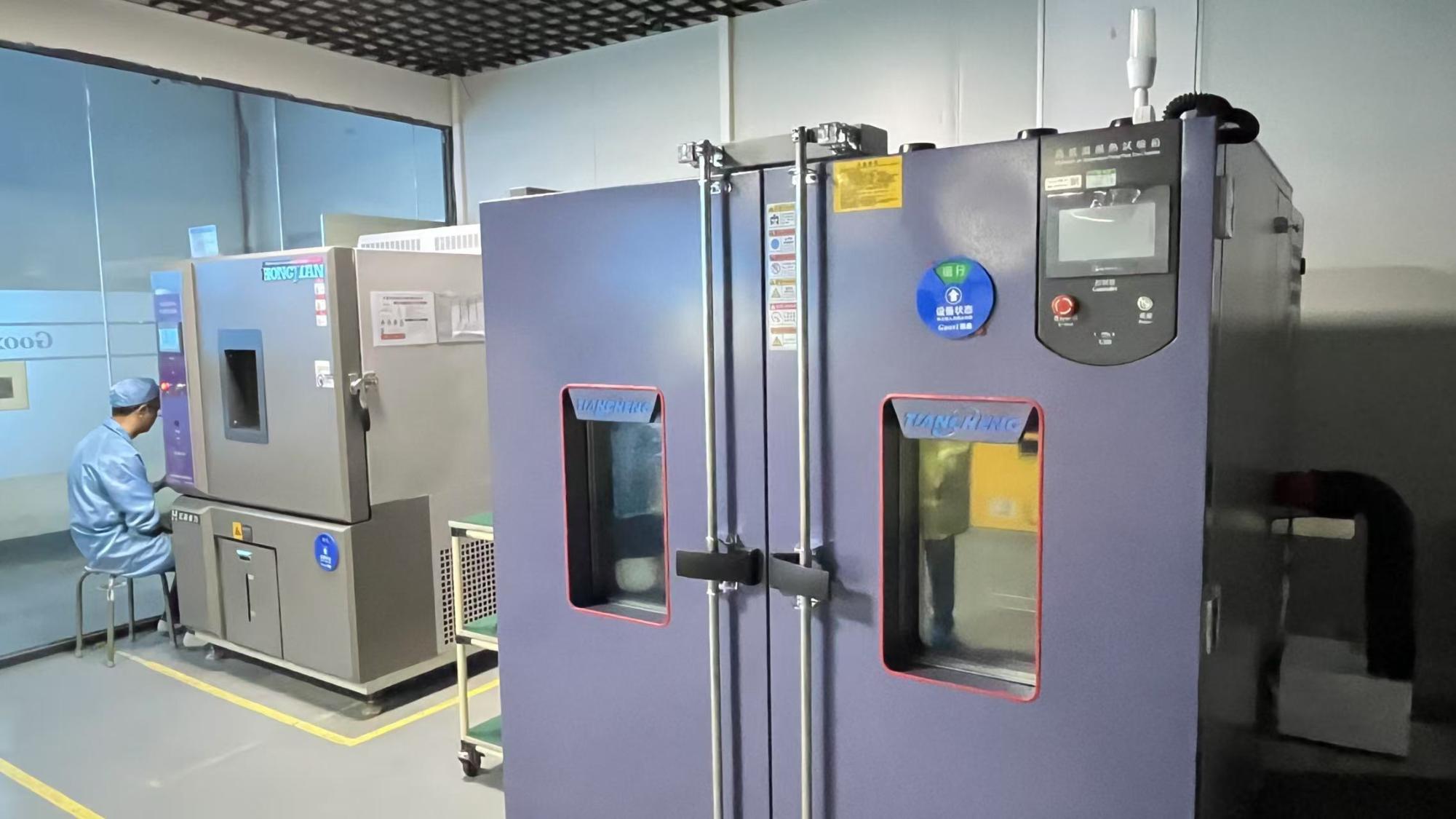
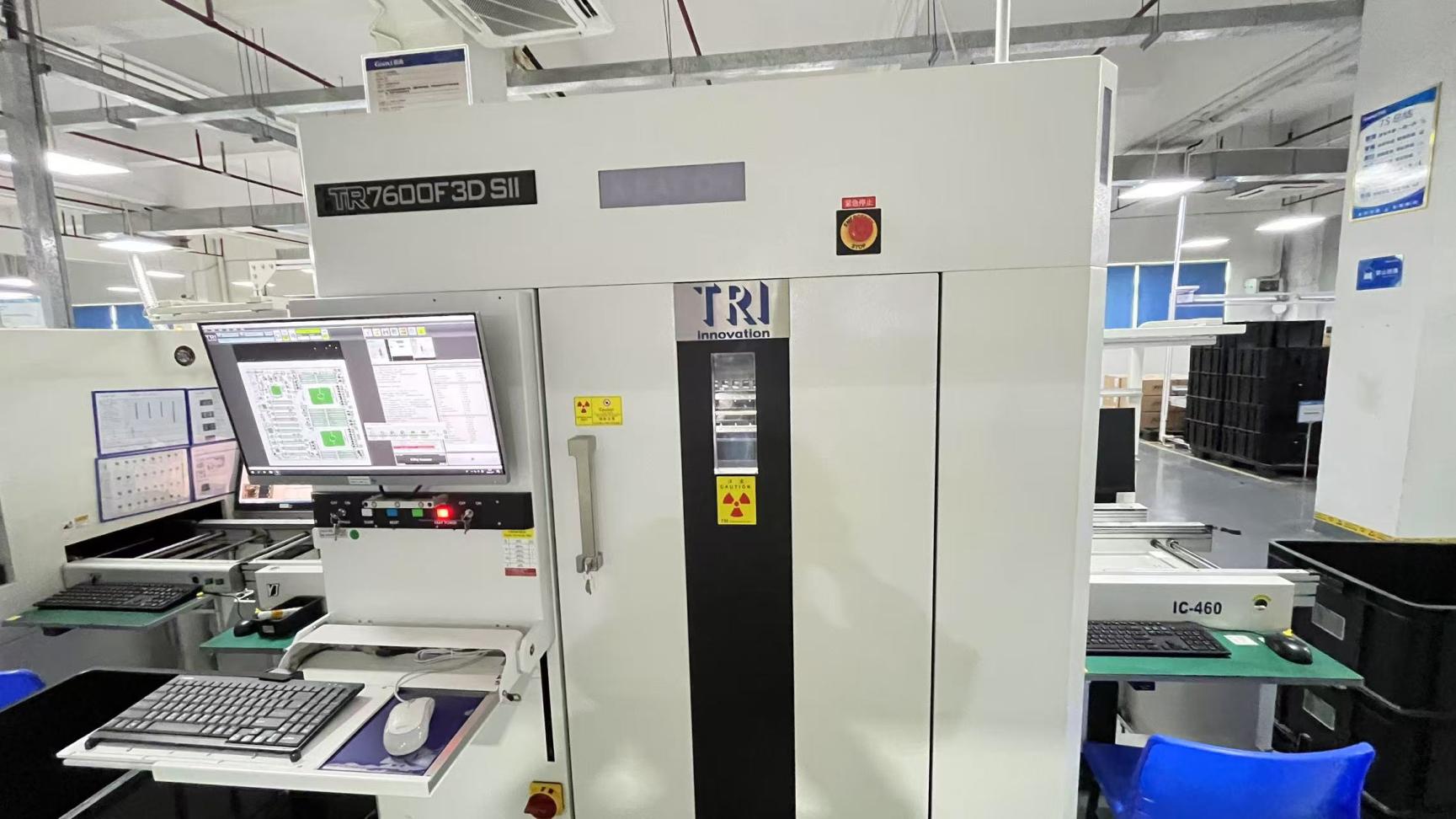
Our commitment to quality is driven by our team of 48 professional quality control inspectors. We enforce strict test profiles including environmental stress screening (ESS), Automated Optical Inspections (AOI), high-temperature aging chambers, and strict bit-error-rate (BER) validation, ensuring zero-defect deployments for our clients.

Enterprise network architects and wholesale distributors operate under demanding specifications. We align our manufacturing processes to meet these key metrics:
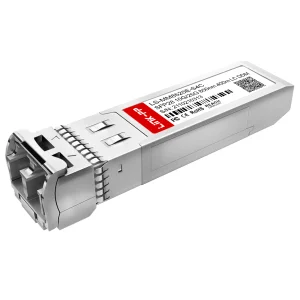
Hardware incompatibility is a major driver of operational disruptions. We utilize a proprietary EEPROM programming database to write vendor-specific matching codes (e.g., Cisco, Moxa, Juniper, Arista, and HP compatibility), ensuring seamless plug-and-play operation with your switch architectures.
Standard network setups typically require commercial temperature ranges (0°C to 70°C). For edge applications, base stations, and industrial environments, we manufacture modules with industrial-grade operating temperatures (-40°C to 85°C) to prevent performance degradation.
With an established network of 1,200+ partner suppliers, we secure high-performance lasers (VCSEL, DFB, EML) and advanced photodetectors (PIN, APD) at stable price points. This integration allows us to keep lead times predictable and competitive.
Our optical transceivers are engineered for integration into high-performance networks across multiple verticals.
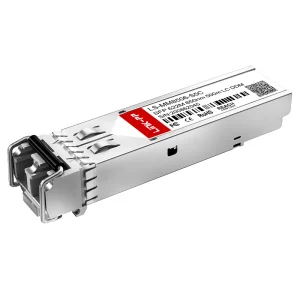
Designed for spine-leaf architectures demanding low latency and high density. By pairing our 25G SFP28 links and 100G QSFP28 modules, operators can scale bandwidth across switches, routers, and storage area networks (SAN) while minimizing fiber clutter and thermal loads.
For mobile backhaul, fronthaul, and midhaul infrastructures. Our BiDi single-mode solutions allow carrier networks to double bandwidth capacity over existing single-fiber connections. This reduces optical plant leasing costs and simplifies physical network expansion.
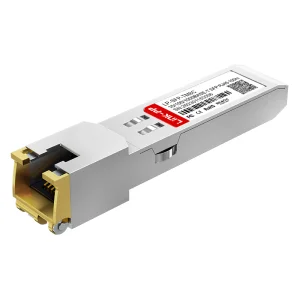
Designed for smart grids, intelligent transportation networks, and maritime systems. These deployments rely on our ruggedized copper SFP modules (compatible with Moxa and other industrial manufacturers), engineered to handle vibration, electromagnetic interference, and extreme thermal fluctuations.
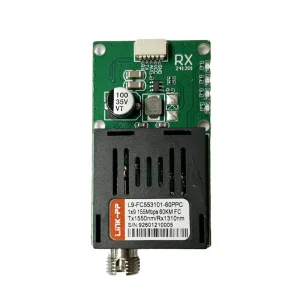
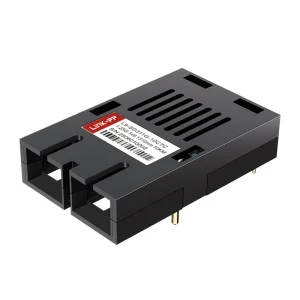
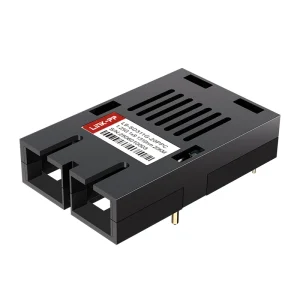
Providing high-performance GPON/EPON OLT/ONU transceivers and legacy 1x9 optical modules. We supply telecom operators and regional ISPs with cost-effective, high-reliability products to support growing residential and corporate fiber deployments.
Navigating global trade requirements demands strict operational compliance and localization services. We protect your imports through complete regulatory alignment.
Our entire catalog of transceiver modules is compliant with international regulatory frameworks, including CE, FCC, RoHS, and REACH, ensuring seamless customs clearances and regulatory approval inside North American and European markets.
We build our transceivers to strict Multi-Source Agreement (MSA) specifications. This governs our products' physical dimensions, pin configurations, electrical interfaces, and optical characteristics, guaranteeing drop-in compatibility across brands.
Supported by 86 R&D engineers, we offer deep custom services. These cover tailored software configurations, specialized wavelength tunability, custom distance calibrations, and unique laser pairings (such as specialized DFB/APD configurations).
As high-speed networking trends towards 800G and 1.6T systems, Lumetra continues to develop new form factors and optical interfaces to stay ahead of market demands.
| Parameter Class | Current Product Line | Next-Generation (R&D Stage) | Target Applications |
|---|---|---|---|
| Data Transmission Speeds | 1.25G, 10G, 25G SFP28, 100G QSFP28 | 200G, 400G QSFP-DD, 800G, 1.6T | AI compute clusters, Hyperscale Interconnects |
| Laser Sources | VCSEL (850nm), DFB (1310/1550nm) | EML (Electro-absorption Modulated), Silicon Photonics | Long-haul transmission, Low-power data centers |
| Form Factors | SFP, SFP+, SFP28, QSFP28, 1x9 | QSFP-DD, OSFP, Co-Packaged Optics (CPO) | High-density network configurations |
| Power Dissipation | Typical 1.0W - 1.5W per SFP28 module | Sub 1.0W (Optimized through LPO technologies) | Green data center infrastructures |
Get authoritative answers to technical and procurement questions about SFP transceiver modules.
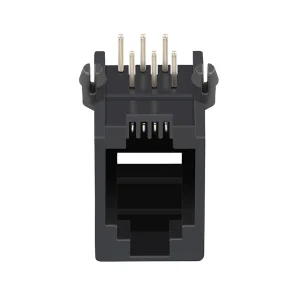
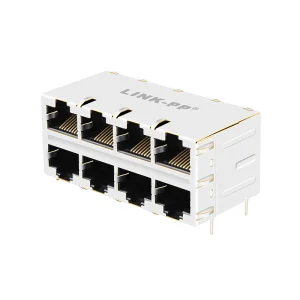
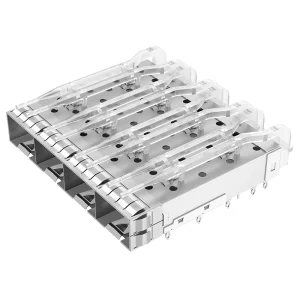
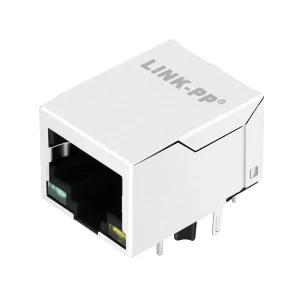
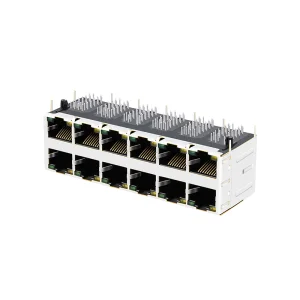
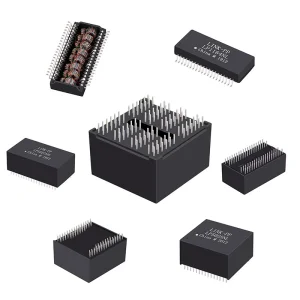
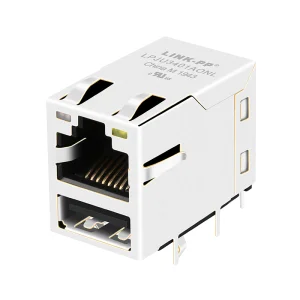
We also manufacture a wide range of network connectors, SFP cages, and LAN components to support your deployment needs.