Lumetra
Lumetra
Lumetra
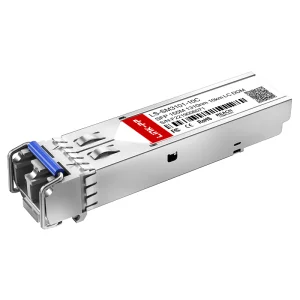
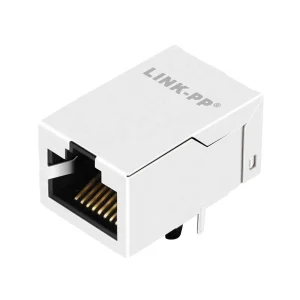
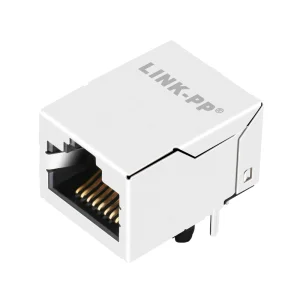
Crucial physical layer modules, SFP optical transceivers, and multi-gigabit RJ45 integrated connectors ensuring high-throughput backhauls for enterprise access points.
Analyzing the physical constraints, backhaul bottlenecks, and RF performance factors in Wi-Fi 6E, Wi-Fi 7, and next-generation WAP designs.
With Wi-Fi 7 (IEEE 802.11be) delivering theoretical PHY rates exceeding 40 Gbps, legacy 1 Gbps copper uplinks create massive bottlenecks. Access point manufacturers are transitioning to 2.5 Gbps, 5 Gbps, and 10 Gbps interfaces.
High-performance APs operate with MIMO arrays (4x4, 8x8) and powerful network processors, requiring high PoE levels (802.3bt PoE++ up to 90W) which elevates system operating temperatures.
MLO allows Wi-Fi 7 WAPs to aggregate 2.4 GHz, 5 GHz, and 6 GHz spectrum bands concurrently. This dramatically lowers latency but requires sub-nanosecond processing synchronization across interfaces.
SEO Insight & Information Gain: When sourcing Wireless Access Points, focusing solely on the internal system-on-chip (SoC) misses a major point of failure. The physical interconnect components—specifically the RJ45 connectors, PoE-rated LAN magnetics, and SFP transceiver interfaces—determine actual network uptime, thermal safety limits, and transmission integrity.
Founded in 2016, Lumetra Optoelectronics has emerged as a premier manufacturer specializing in high-speed optical transceivers, fiber optic communication systems, and physical layer interconnect components for datacom, telecom, and enterprise cloud networks. Leveraging 11 years of deep industry expertise, the company delivers engineering solutions designed to support modern high-throughput wireless architectures.
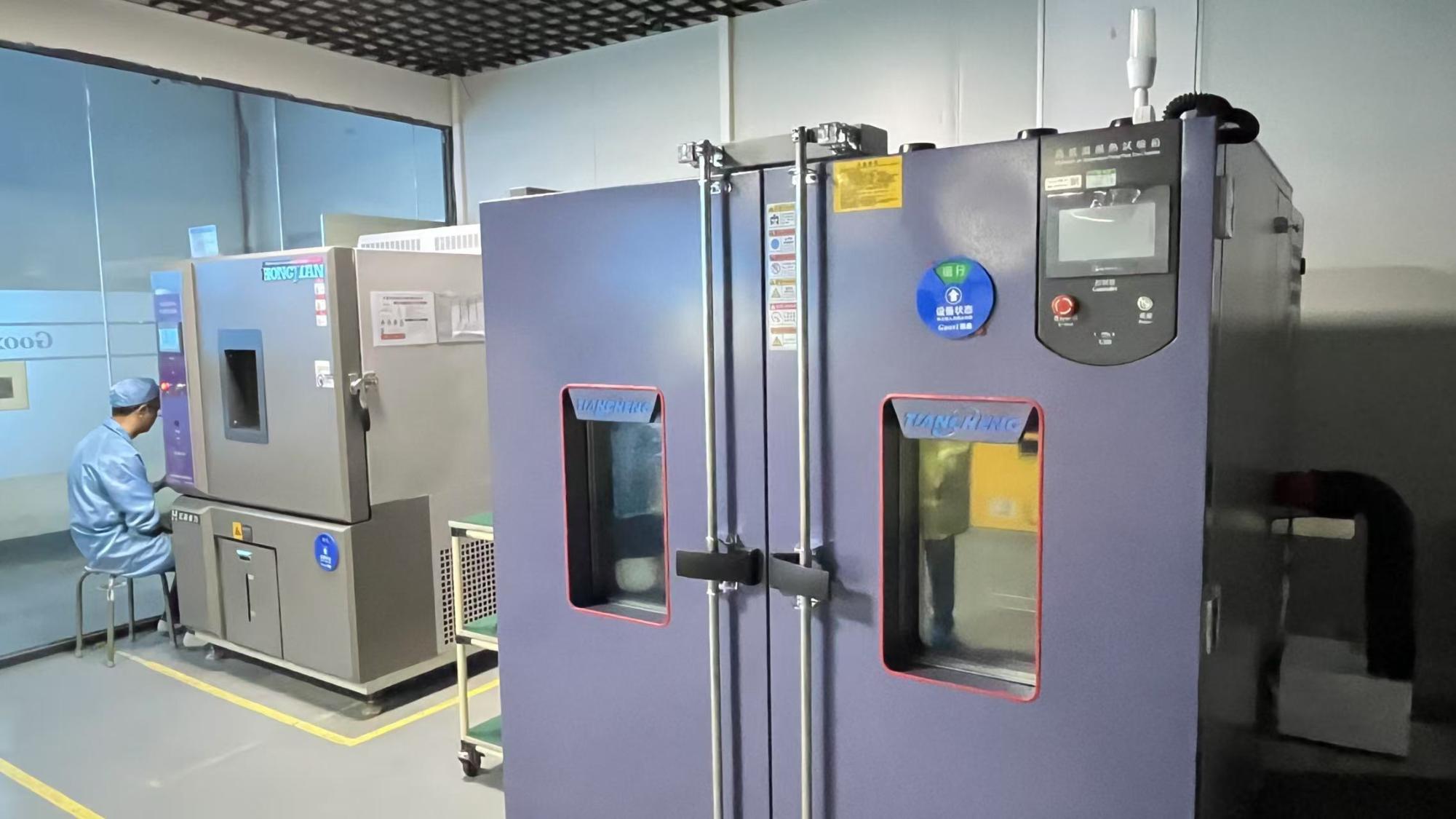
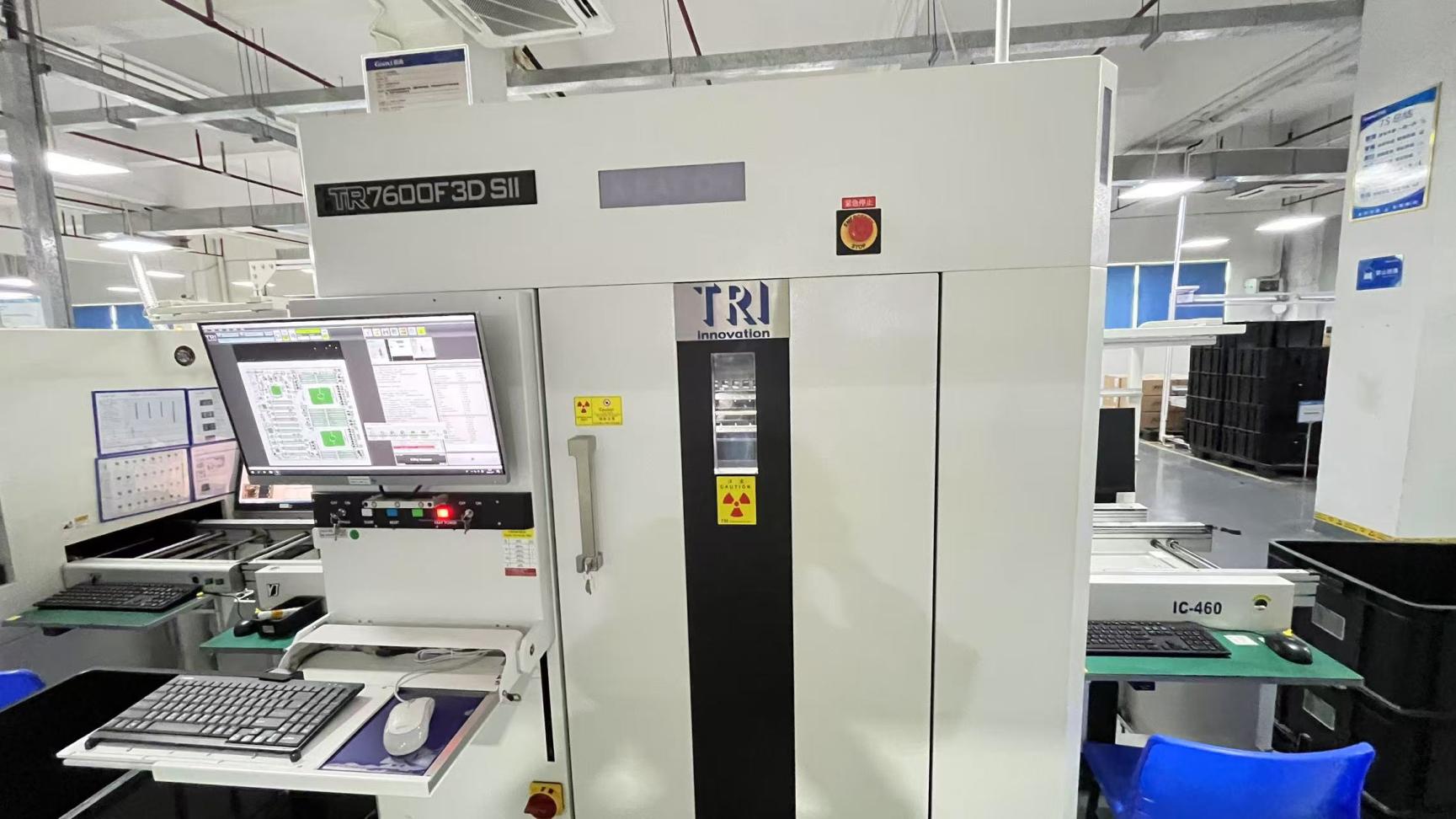
Operating a modernized, quality-controlled facility spanning 8,500 square meters, Lumetra manages high-mix, high-precision assembly lines. These lines incorporate automated optical alignment, environmental stress screening, and validation equipment. Backed by 7 years of global export experience and a network of over 1,200 supply chain partners, Lumetra ensures stable sourcing and delivery for large-scale enterprise rollouts.


Why sourcing WAPs and underlying component matrices from modern Chinese clusters reduces lead times, controls costs, and ensures long-term operational consistency.
By localizing raw materials, metal stamping, mold injection, magnetic winding, and optoelectronic alignment within single-province industrial ecosystems, China manufacturers mitigate logistics volatility.
To eliminate variable human error, modern China factories rely heavily on automated visual inspection (AOI), automated test equipment (ATE) for RF circuits, and high-volume eye-diagram calibration systems.
With R&D divisions (such as Lumetra's 86-engineer design team) running CAD/CAE simulations adjacent to production machinery, customized prototyping phases are compressed from months to weeks.
An engineering comparison detailing how different interface choices impact the performance, physical distance, and deployment cost of Wireless Access Point backhauls.
| Interface Type | Common Components | Bandwidth Capability | Max Distance | Key Technical Considerations |
|---|---|---|---|---|
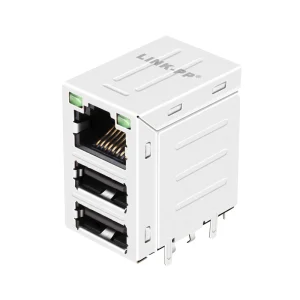
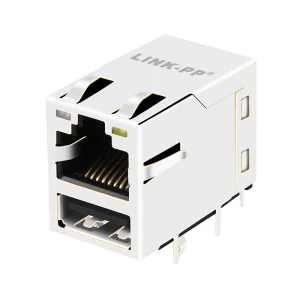
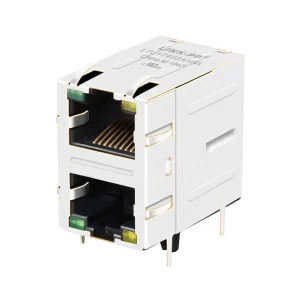
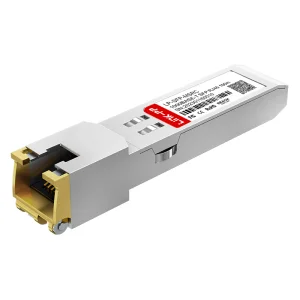
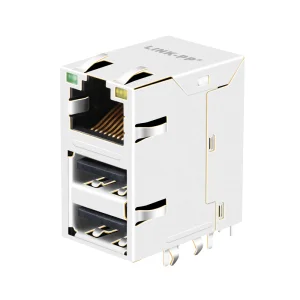
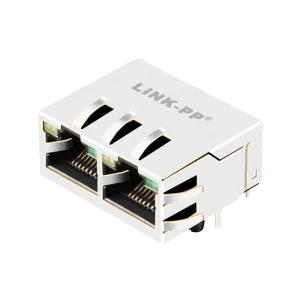
| Copper RJ45 Modular Jack | 1x2/1x3 Stacked Jacks, USB/RJ45 Combo, Magnetic Transformers | 10/100/1000 Mbps, up to 10G Base-T | 100 meters (Cat6a/Cat7) | Susceptible to EMI; requires integrated magnetics; supports Power over Ethernet (PoE). |
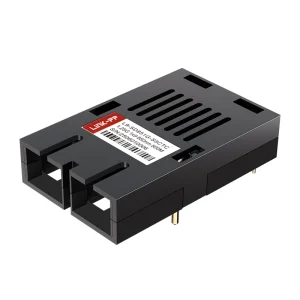
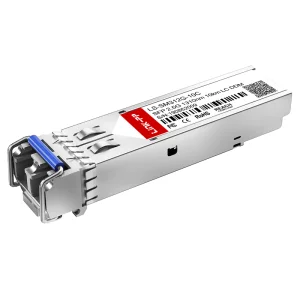
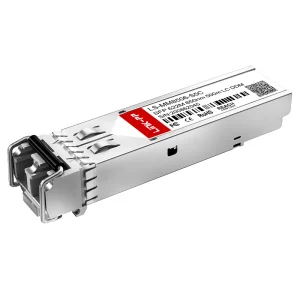
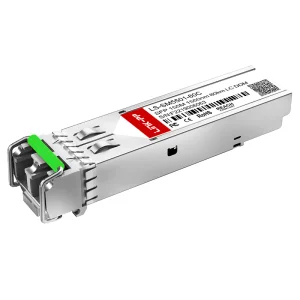
| Multimode Fiber SFP | 1.25G 850nm Duplex SC, 622M Duplex LC SFP Transceiver | 1.25 Gbps to 10 Gbps | 500 meters (OM2/OM3) | Low latency; immune to EMI; ideal for campus networks and localized switches. |
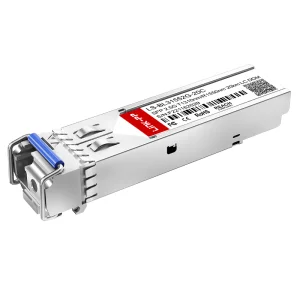
| Single Mode Fiber SFP | 1310nm/1550nm Bidirectional LC, 100BASE-LX Duplex LC SFP | 1.25 Gbps to 25 Gbps+ | 10km to 80km | Requires Digital Diagnostic Monitoring (DDM); critical for wide-area telecom infrastructure. |
Critical verification checkpoints for procurement managers, network integrators, and telecom engineering teams when selecting components.
SFP transceivers require matching EEPROM code configuration to register correctly with proprietary switches (e.g., Cisco, HPE, Juniper, Huawei).
Hardware must comply with regional environmental and emission frameworks to ensure clearance and operational legality in enterprise zones.
Verify that components undergo rigorous thermal cycling, salt spray testing, and drop evaluations to ensure longevity under extreme field conditions.
Navigating cross-border customs regulations, firmware security requirements, and localized technical support protocols.
Enterprise access points operate at the edge of the corporate security perimeter. Ensuring that transceivers and modular components do not introduce supply-chain vulnerabilities is paramount.
To reduce post-sale troubleshooting loops, Lumetra and specialized China suppliers offer dedicated engineering interfaces directly linking clients with physical designers.
Utilizing bonded warehouses, optimized port dispatch networks, and pre-cleared customs lanes keeps global project timelines on schedule.
Answering high-level technical and operational questions regarding backhaul modules, transceiver compatibility, and manufacturing protocols.
Lumetra runs an in-house compatibility validation center featuring over 50 mainstream switch fabrics from brands like Cisco, Juniper, HPE, and Arista. Transceiver EEPROMs are custom-coded with precise OEM parameter structures, including serial number mappings and checksum data. This prevents standard warnings or port blocking during high-density installations.
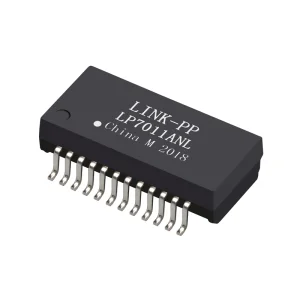
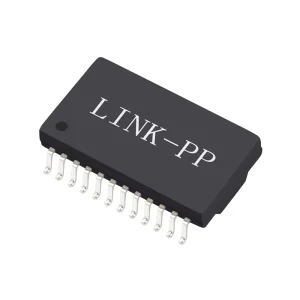
Wi-Fi 7 access points require up to 10 Gbps uplinks and consume significant power under multi-band operation (PoE++ up to 90W). Standard connectors can face magnetic saturation or excessive heating under high DC bias currents. 10G Base-T PoE magnetic transformers (such as the XF-GH-002) isolate the physical line, suppress high-frequency EMI, and prevent core saturation, ensuring clean signal paths.
Traditional transceivers require duplex optical fibers (one for transmit, one for receive). Bidirectional SFP modules (like the 1310nm-TX/1550nm-RX 2.5G Bidi) utilize wavelength-division multiplexing (WDM) to transmit and receive over a single fiber core. This halves fiber cabling costs and simplifies patching in long-distance runs (up to 20km).
By transitioning away from manual assembly to automated stamping, automatic wire-winding, and robotized optoelectronic alignment, the Defective Parts Per Million (DPPM) rate drops from over 5,000 to below 100. Lumetra's 48 trained quality inspectors oversee automated testing setups that flag minor electrical or optical deviations before shipping.
Lumetra offers comprehensive ODM support, including customized wavelength matching, protocol-tuning for uncommon vendor environments, physical PCB form factor modifications, power consumption optimization down to sub-watt levels, and custom product labeling and packaging configurations.
Additional physical layers, copper RJ45 modular jacks, and high-distance optical transceiver modules supporting stable enterprise backhauls.