Lumetra
Lumetra
Lumetra
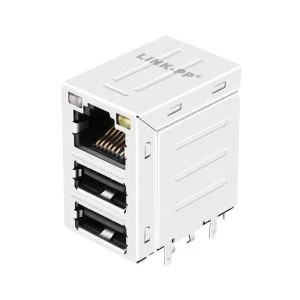
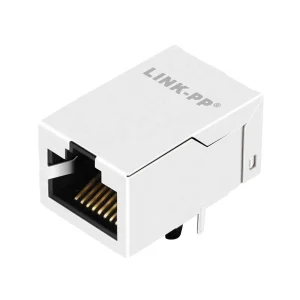
In high-bandwidth enterprise network architectures, structural cabling relies heavily on high-integrity physical interfaces. The Inline RJ45 Connector is far more than a simple coupling mechanism; it is the cornerstone of structural flexibility in Gigabit Ethernet, 10-Gigabit edge switches, and industrial control environments. Maintaining impedance matching, minimizing cross-talk, and preventing attenuation at high frequencies are vital requirements for modern physical layer connectivity.
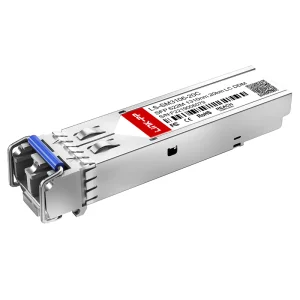
Lumetra Optoelectronics Technologies Co., Ltd. (established in 2016) has pioneered the engineering convergence of copper connections and high-speed fiber optoelectronics. Over the last 11 years of deep industry presence, we have optimized the performance parameters of RJ45 modular jacks, integrated LAN transformers, and optical transceiver modules to deliver reliable throughput under extreme environmental conditions.
As businesses migrate to cloud infrastructures, edge computing, and real-time automation, the demand for fast, reliable physical layer systems has expanded. Enterprise architectures rely on Category-grade (Cat5e, Cat6, Cat6A, and Cat8) cabling standards. At the center of this structural network framework is the Inline RJ45 Connector. The global market is transitioning from simple connection points to smart, shielded, and integrated magnetic jacks that prevent data degradation at high frequencies.
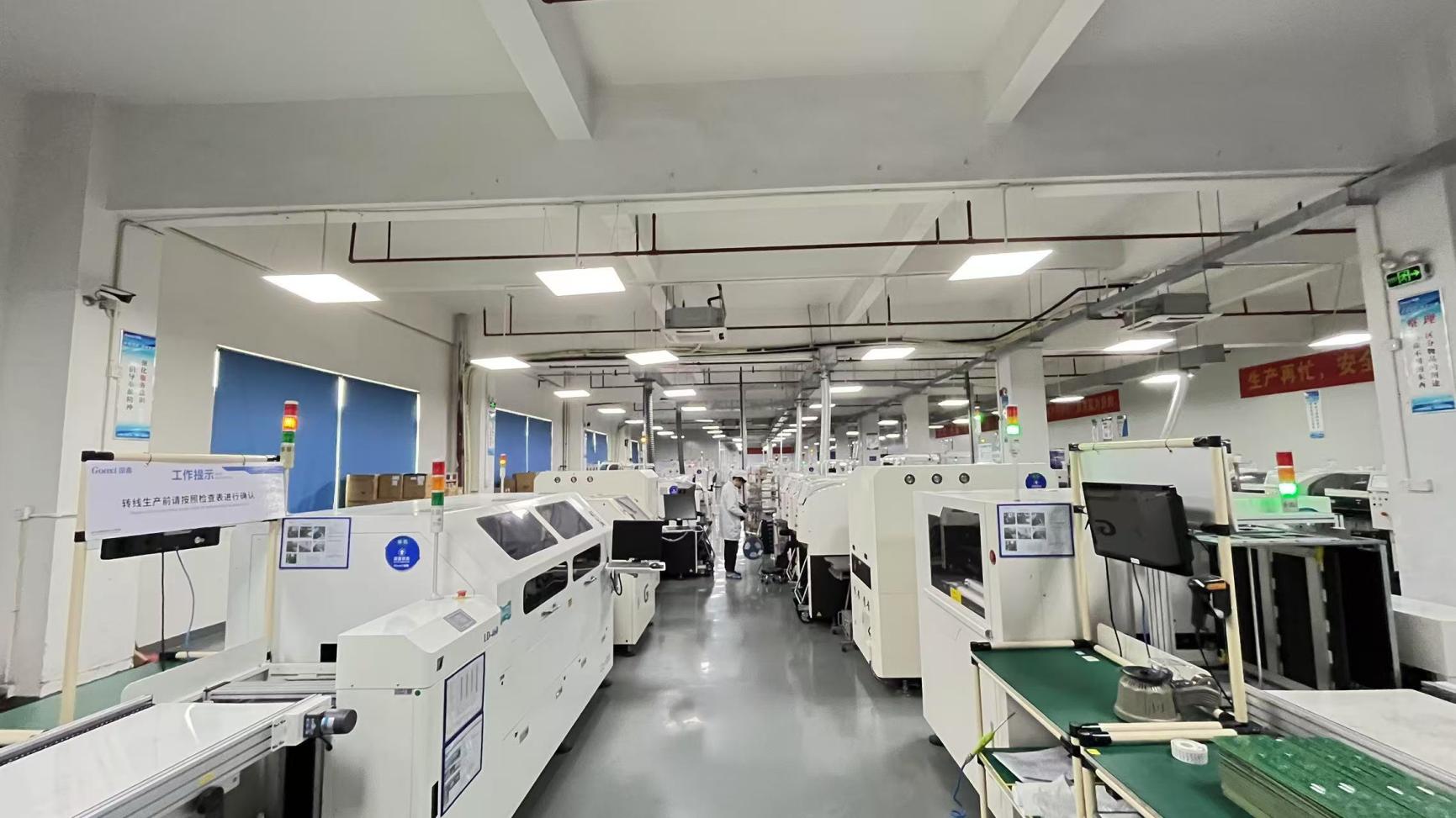
In response to this evolution, Lumetra has built an export network delivering certified interconnect solutions across North America, Europe, Southeast Asia, and the Middle East. Producing USD 18 million in annual export revenue, our manufacturing infrastructure is built to address bulk OEM/ODM demands with high quality, precision, and reliable delivery times.
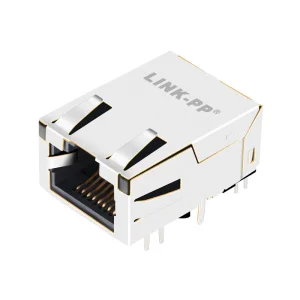
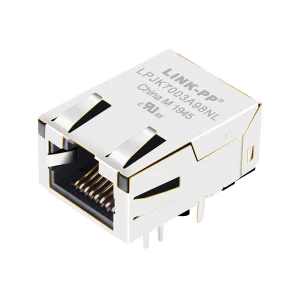
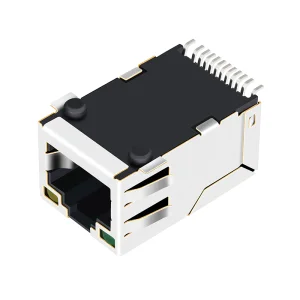
In high-speed copper networks, signal attenuation, Near-End Crosstalk (NEXT), and Far-End Crosstalk (FEXT) can lead to packet loss and network downtime. Achieving reliable performance requires focusing on contact geometry and shielding. Lumetra’s line of low-profile RJ45 connectors features 50-microinch gold-plated contact pins over phosphor bronze substrates. This ensures low contact resistance, resistance to oxidation, and durability for over 750 mating cycles.
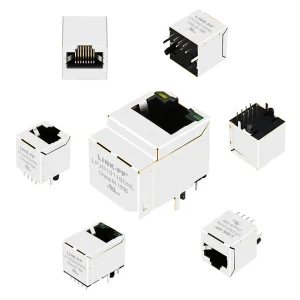
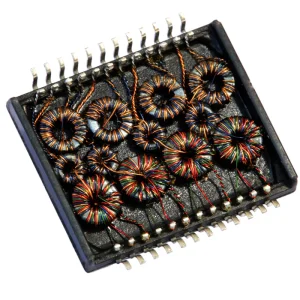
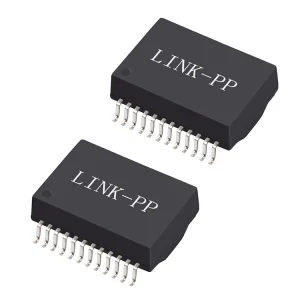
Our magnetic RJ45 connectors feature integrated LAN transformers to decouple electromagnetic noise, isolate high voltage, and suppress common-mode currents. This design maintains differential signal integrity and helps systems comply with FCC Part 15 and EN 55022 EMC standards.
Constructed with nickel-plated brass or copper alloy shielding, preventing external noise from interfering with critical high-frequency signals.
Built-in common-mode chokes and autotransformers protect connected silicon chips from voltage transients and electrostatic discharge.
Engineered to support Power over Ethernet (up to 90W) without contact degradation from thermal buildup or electric arcing.

Connectivity solutions must perform reliably across a wide range of industries and environmental conditions. Our components are deployed in key global sectors:
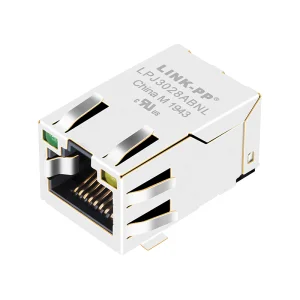
North American Telecom & Datacenters: Lumetra supports high-density server rack installations where low-profile RJ45 jacks with integrated LEDs help technicians quickly identify status links in complex network closets.
European Factory Automation & Industrial IoT: Designed for reliability in harsh industrial environments, our connectors are built to withstand high vibration, temperature changes, and electromagnetic interference on factory floors.
Infrastructure Projects in Southeast Asia & Middle East: Our components are integrated into outdoor telecommunications hubs, smart city street nodes, and FTTH network cabinets, designed to handle high humidity and heat.
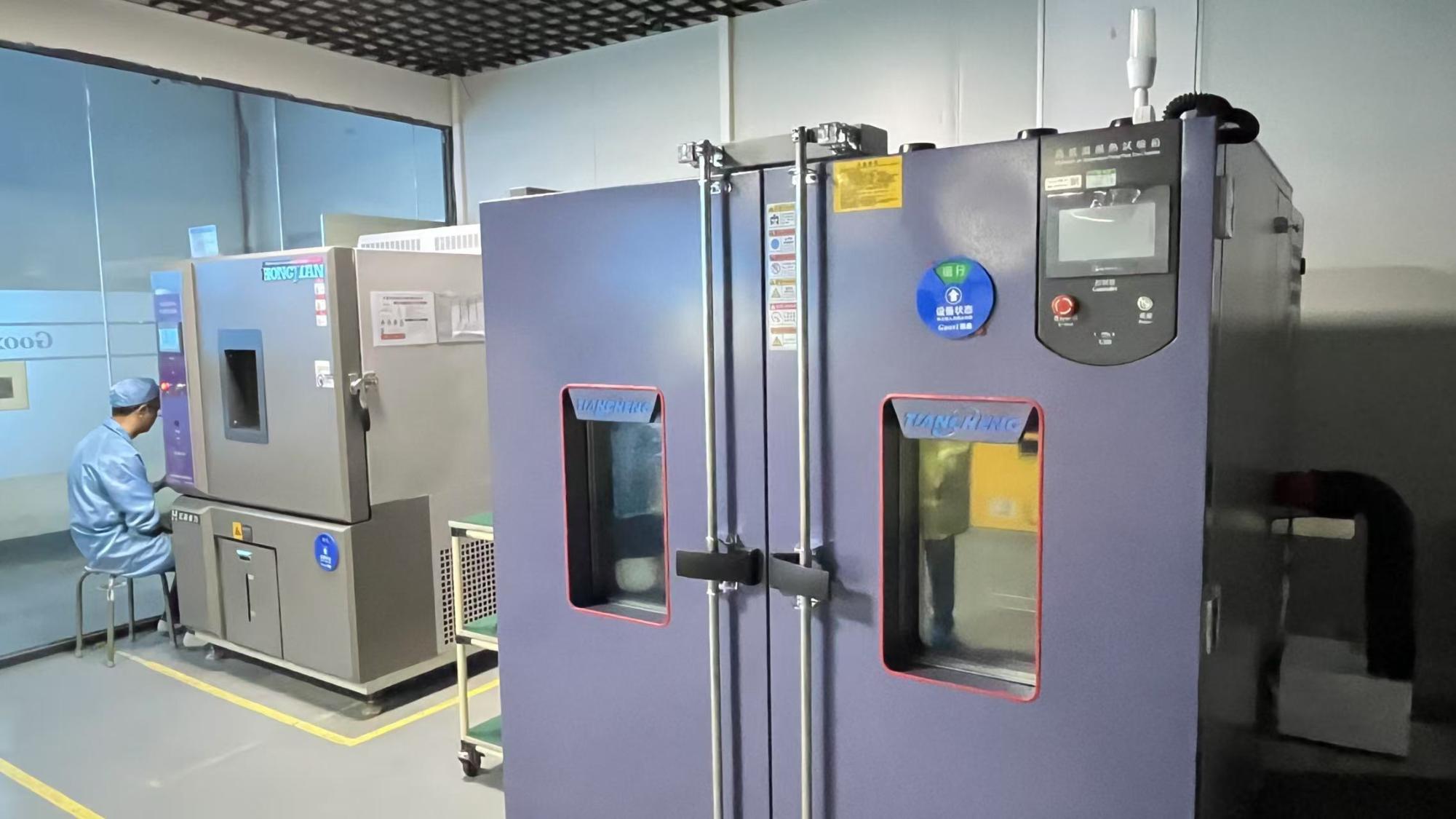
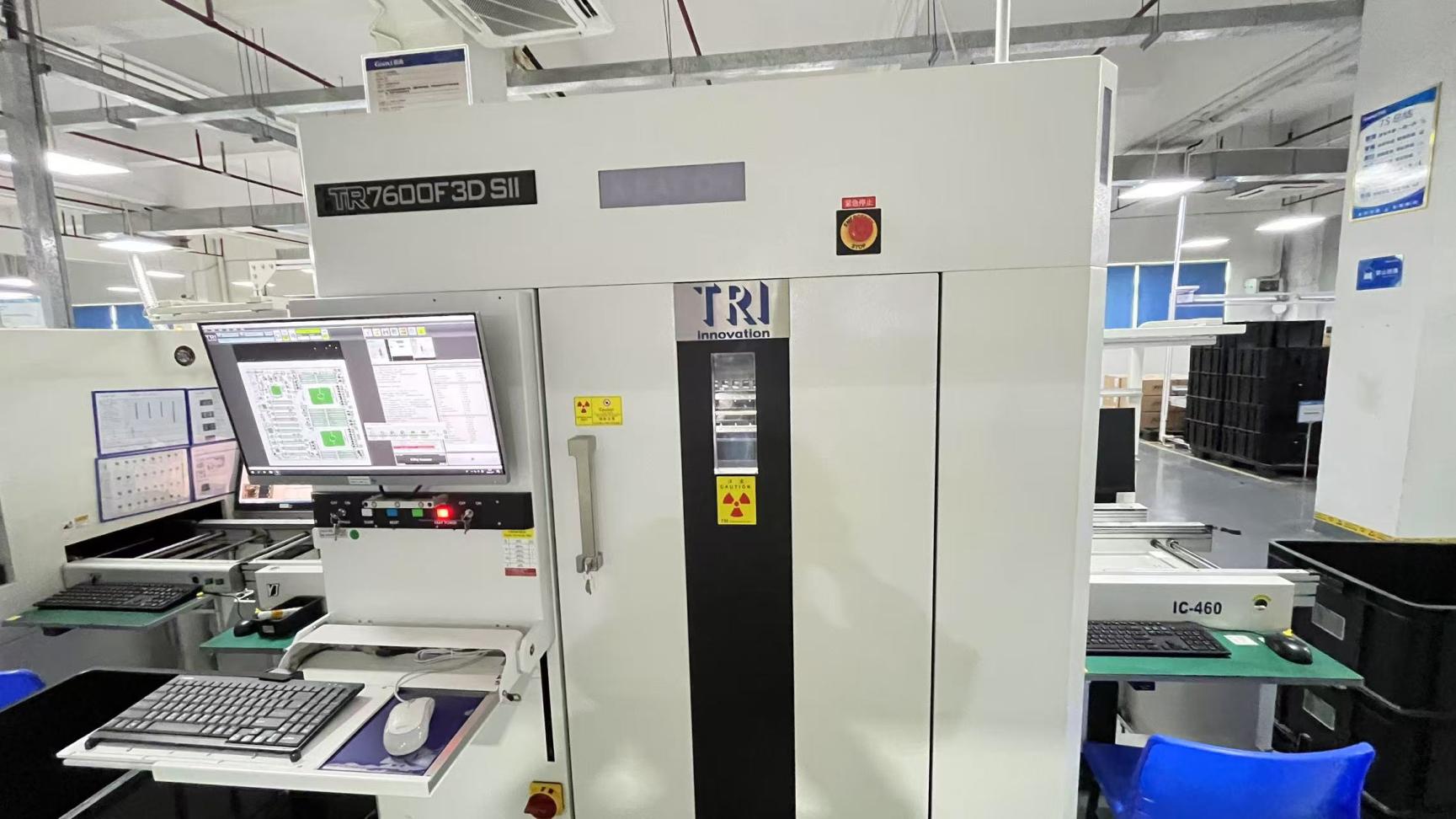
To support these diverse installations, we maintain strict quality control. Our team of 48 QC inspectors performs automated optical inspections (AOI), environmental thermal cycling testing, and signal analysis to ensure every component complies with international standards, including RoHS, REACH, CE, and FCC guidelines.
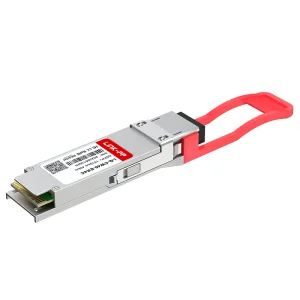
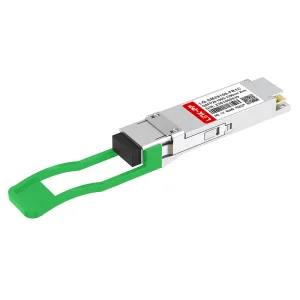
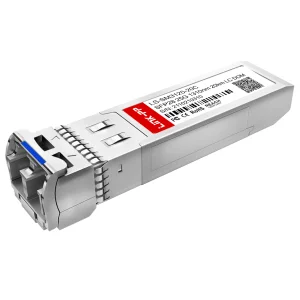
The boundary between traditional copper-based Ethernet interfaces and optical fiber transceivers is changing. With the growth of 2.5G/5G/10G Base-T networks and 100G/200G/400G optical lines, modern network cards and switches must balance both connection types. As an experienced designer and manufacturer, Lumetra is positioned at this technology convergence.
Our R&D roadmap focuses on developing components that support these changing demands:
An inline RJ45 coupler introduces an additional connection point, which can cause insertion loss and return loss. To maintain Cat6A channel compliance (up to 500 MHz), the coupler's internal PCB traces must feature precise impedance matching (100 Ohms) and contact geometry that minimizes crosstalk. Lumetra's Cat6A couplers are engineered to exceed ANSI/TIA-568-C.2 standards, keeping cumulative channel crosstalk within safe margins.
An RJ45 Magjack integrates internal magnetic components, including transformers and common-mode chokes. This provides galvanic isolation, isolates noise from the physical wire, and prevents electromagnetic interference (EMI) from reaching the PHY transceiver chip. This design saves valuable space on the system PCB and helps ensure compliance with local EMC regulations.
We use a rigorous multi-stage verification process. This includes bit error rate testing (BERT), optical eye pattern analysis, and real-world switch compatibility tests across major network equipment brands. Environmental stress screening (ESS) is also performed to verify long-term signal stability across specified temperature ranges.
Yes. PoE applications run power and data over the same twisted copper pairs. To support this safely, our connectors are designed to handle currents up to 1A per pin under PoE, PoE+, and PoE++ (IEEE 802.3bt) configurations. The 50u" gold-plated contacts help prevent micro-arcing and resist thermal wear during connect and disconnect cycles.