 Lumetra
Lumetra
Lumetra
High-performance LAN magnetic filters and PoE transformers optimized for immediate delivery to System Integrators in the Hamburg Metro Area.
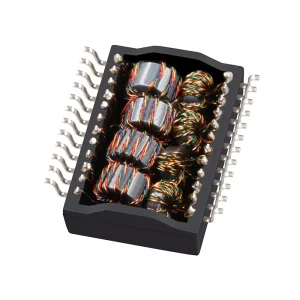
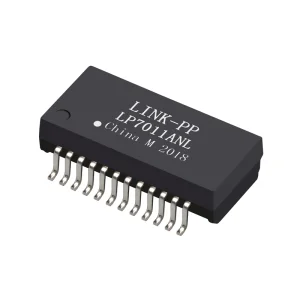
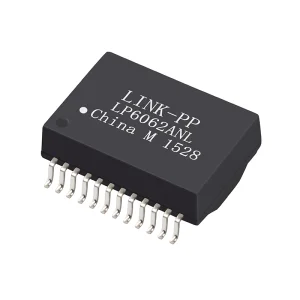
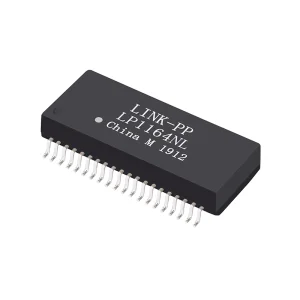
As the primary logistics gateway of Northern Europe, Hamburg houses one of the world's most advanced automated maritime ports. The integration of SmartPort initiatives, IoT-driven container terminals, and complex metropolitan rail networks demands a highly reliable communications framework. In these environments, legacy and high-reliability transport technologies such as SDH/SONET systems employing 155M/622M SFP transceivers operate alongside state-of-the-art gigabit and 10G networks.
Industrial operations in the Hamburg port area are continuously exposed to severe environmental stressors—including high humidity, saltwater corrosion, and high electromagnetic interference (EMI) from heavy-duty cargo handling machinery. Standard commercial-grade networking equipment is highly susceptible to failure under these conditions. Consequently, hardware designed for Hamburg’s industrial ecosystem requires high-grade electromagnetic isolation, robust physical layering, and reliable components such as specialized LAN Transformers and ruggedized SFP modules.
Every copper-based network interface running across container terminals and railway networks relies on LAN transformers to provide at least 1500 Vrms isolation. This shields sensitive control units from voltage surges, lightning transients, and complex ground potential differences common in sprawling port infrastructures.
Fiber optic modules with 155M (OC-3/STM-1) and 622M (OC-12/STM-4) bandwidth profiles are deployed in offshore wind farms in the nearby North Sea and connected back to Hamburg dispatch centers, providing long-distance data transmission over single-mode fibers without the degradation risk of copper wires.
Understanding the micro-level engineering of optical transceivers and LAN transformers is essential for procurement managers specifying components for German municipal and private infrastructures. Let us break down the physical layer architecture of these vital networking elements:
These Small Form-Factor Pluggable modules operate at legacy optical carrier levels (OC-3/STM-1 and OC-12/STM-4). They are engineered with high-stability FP (Fabry-Perot) or DFB (Distributed Feedback) lasers, supporting transmission ranges from 2km to 120km. Integrated Digital Diagnostics Monitoring (DDM) allows Hamburg network administrators to monitor optical power levels, temperature, and bias currents in real time.
Using toroidal ferrite cores, these magnetic modules perform signal shaping, impedance matching (converting 100-ohm balanced twisted-pair lines to transceiver levels), and common-mode noise filtering. By employing advanced winding patterns, they maximize return loss and minimize cross-talk across extended operating temperature profiles (-40°C to +85°C).
With the expansion of modern IP-based security cameras and remote access points in the Hamburg harbor, LAN transformers must handle DC bias currents up to 720mA per pair (under IEEE 802.3at PoE+). This capability requires high-saturation core materials to prevent signal degradation and overheating during continuous current delivery.
| Component Category | Standard Parameters | Industrial Applications (Hamburg Focus) | Key Engineering Highlights |
|---|---|---|---|
| 155M SFP Transceivers | 1310nm/1550nm, SMF, LC Duplex, DDM | Industrial telemetry, Railway signaling, Legacy SDH transits | Extended laser life, Hot-pluggable, low power consumption (<1W) |
| 622M SFP Transceivers | STM-4/OC-12 Standard, BiDi & CWDM options | Offshore SCADA monitoring, metropolitan fiber rings | High dispersion tolerance, wide dynamic range receiver |
| LAN Transformers (1G/10G) | 1500Vrms isolation, SMT/THT footprints | Heavy industrial automation, Smart PLC networks, CCTV nodes | Low profile layout, superior common-mode rejection (CMRR) |
| PoE/PoE+ Magnetic Modules | 350uH Min OCL @ 8mA DC Bias, 24-Pin/48-Pin | Wireless access points, VoIP intercoms, perimeter security | High saturation current capacity, thermal run-away protection |
Supplying high-reliability hardware to German enterprise markets and critical infrastructure projects.
Lumetra Optoelectronics Technologies Co., Ltd. is a professional manufacturer specializing in high-speed optical transceivers and fiber optic communication solutions for datacom, telecom, and cloud infrastructure applications. Founded in 2016, the company has developed into a reliable supplier with strong engineering capabilities and global export experience.
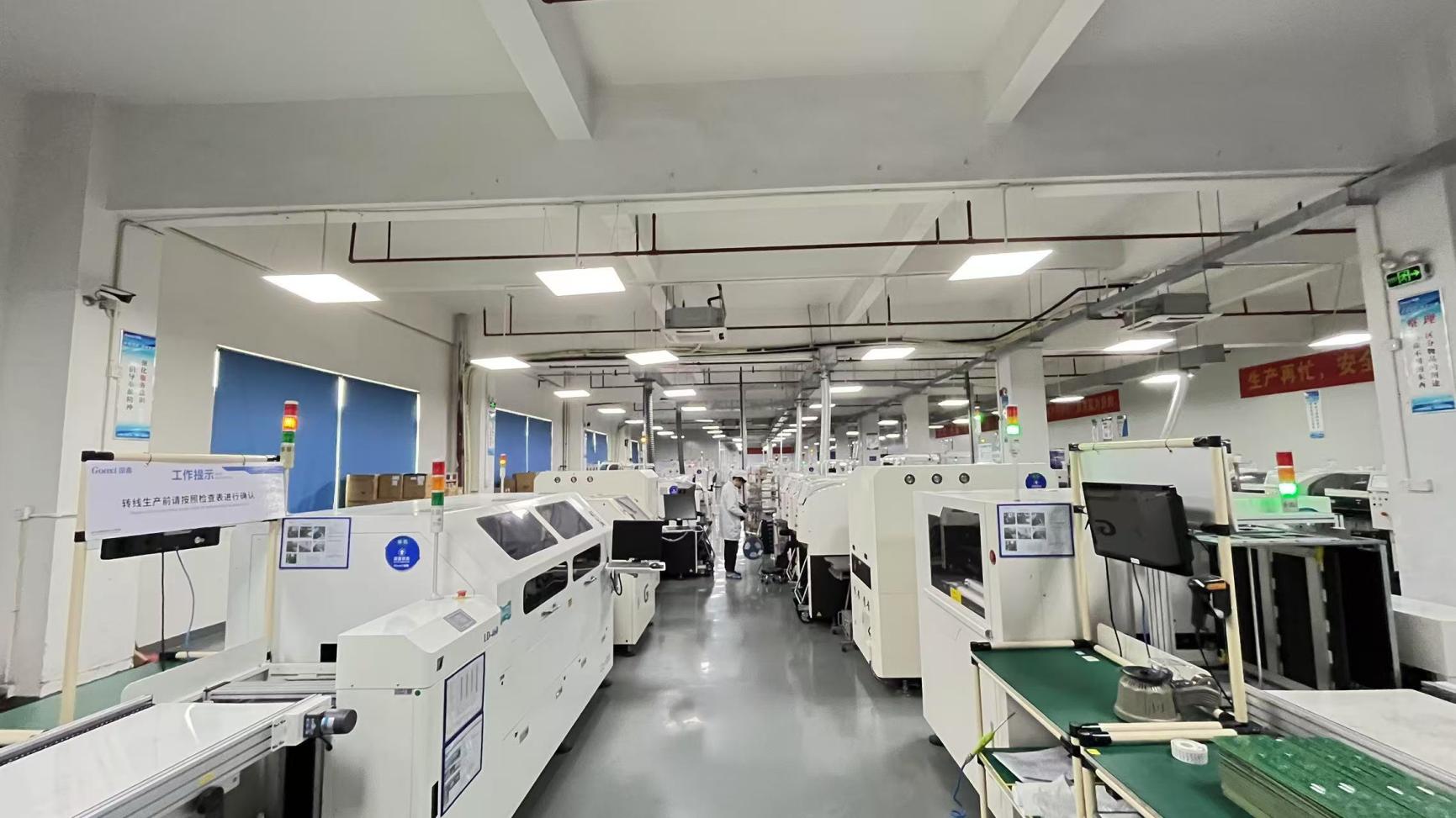
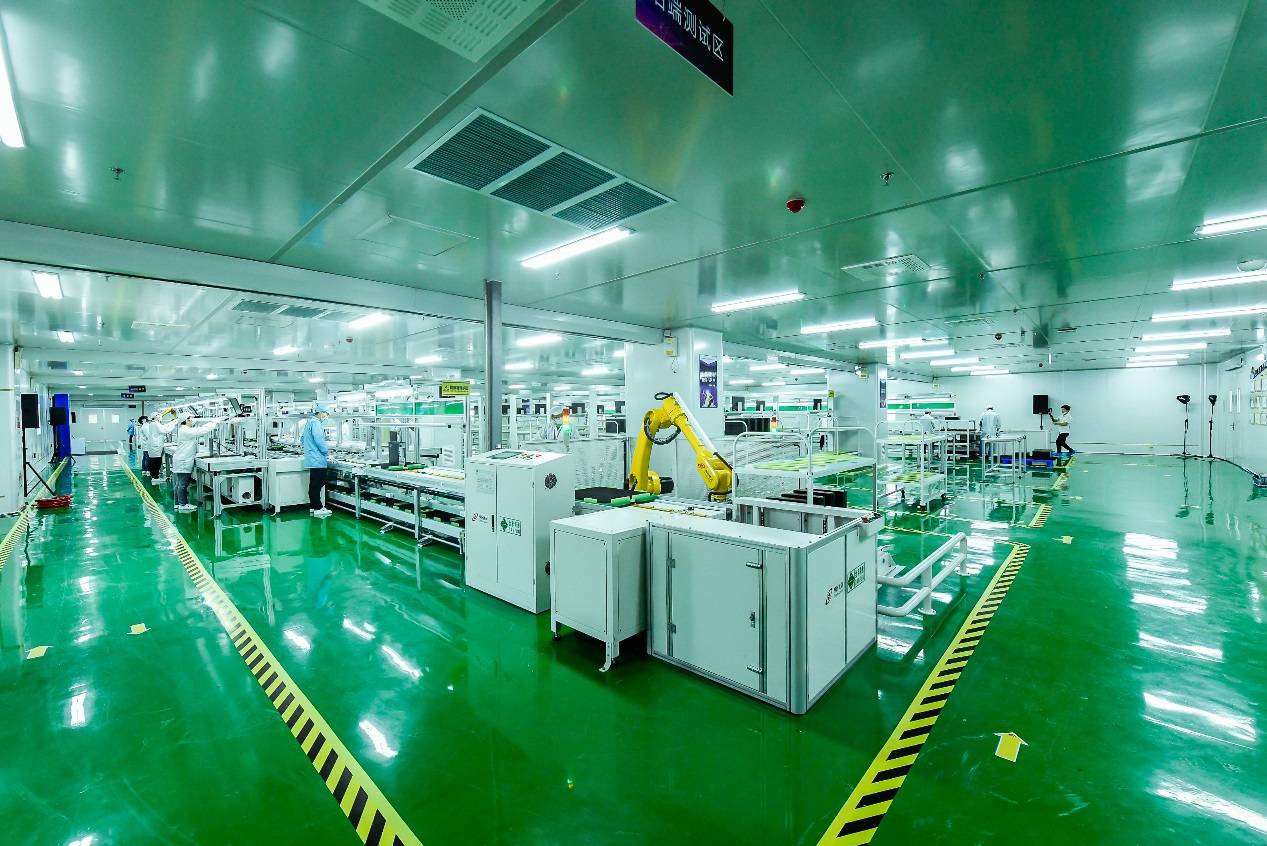
The company operates a production facility covering approximately 8,500㎡, supporting efficient manufacturing and quality-controlled assembly processes. With annual export revenue reaching around USD 18 million, Lumetra has built stable international business channels and accumulated 7 years of export experience, backed by 11 years of overall industry expertise.
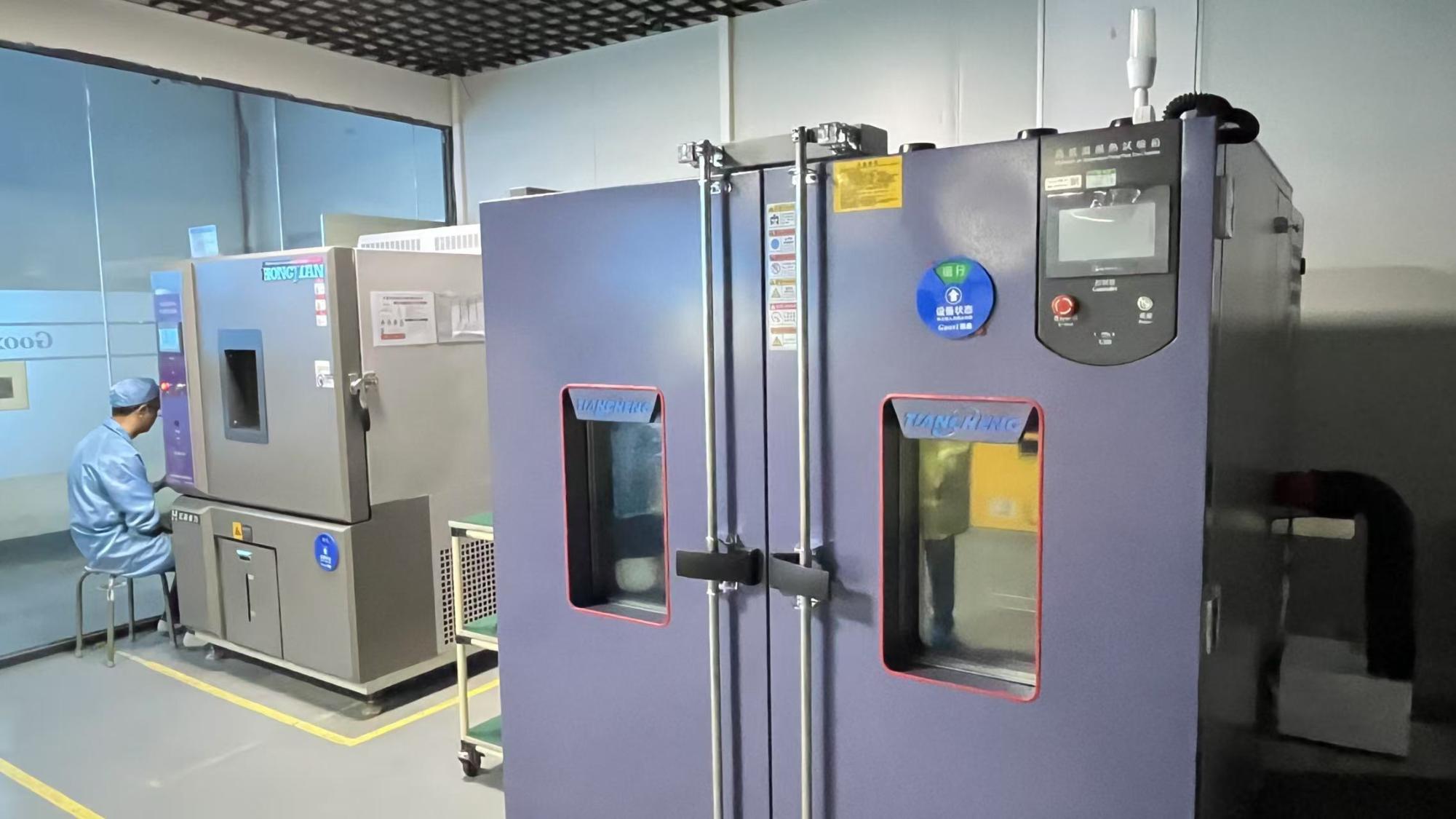
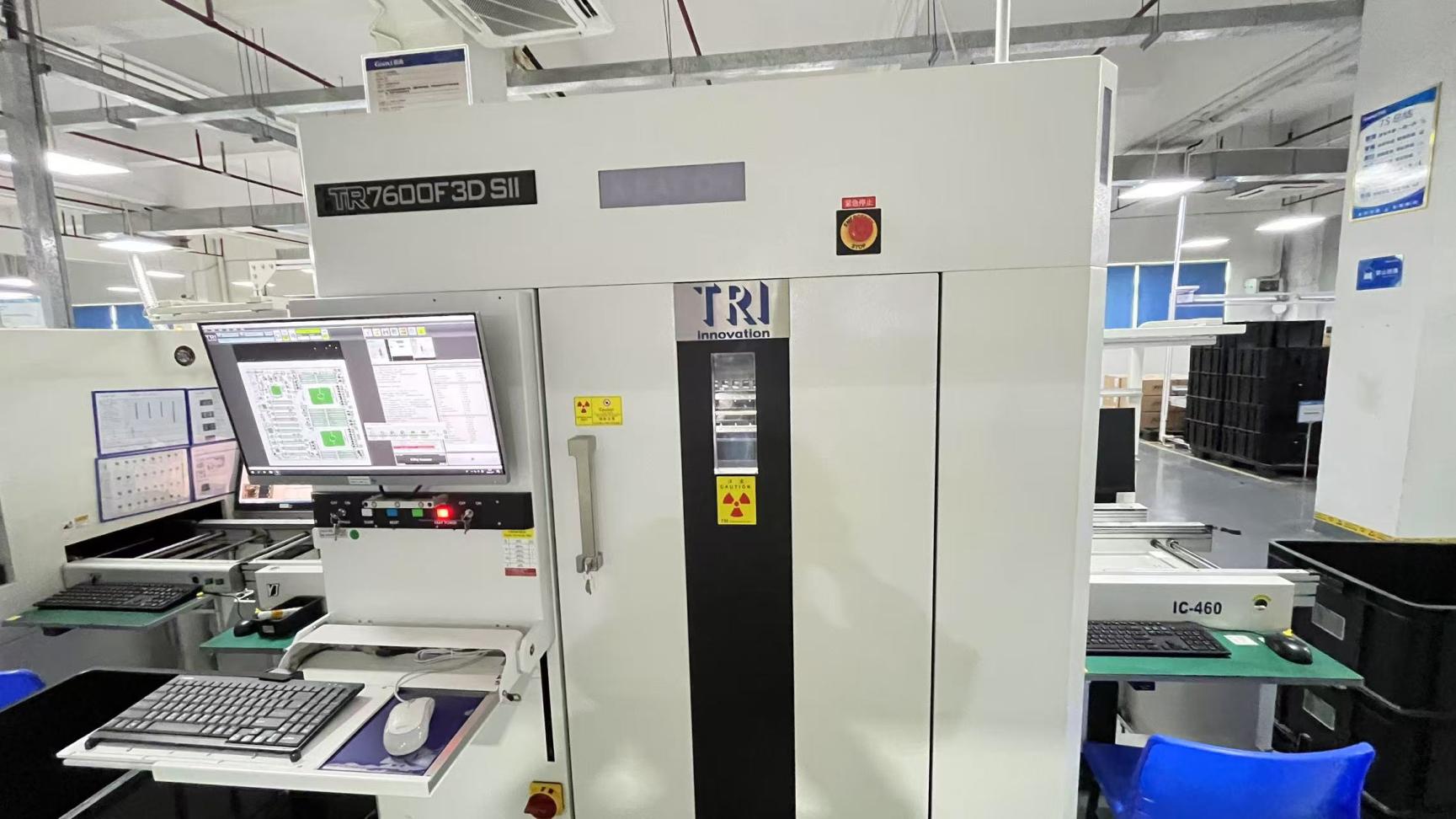
Quality assurance is maintained through a combination of automated optical performance testing, environmental stress screening, and manual inspection processes. The quality control team consists of 48 trained inspectors ensuring strict compliance with international standards. Lumetra maintains a diversified trade background with strong presence in OEM and ODM markets. Its primary markets include North America, Europe, Southeast Asia, and the Middle East, serving telecom operators, data center integrators, and network equipment distributors.
The company collaborates with over 1,200 supply chain partners to ensure stable component sourcing and manufacturing efficiency. Its customer base mainly includes telecom carriers, hyperscale data centers, system integrators, and optical network equipment brands. With strong R&D capability, Lumetra supports advanced customization including protocol compatibility, wavelength tuning, form factor adaptation, and power optimization. In the past year, Lumetra launched approximately 220 new products, reflecting its continuous innovation in high-speed optical communication technologies.
As the networking landscape shifts toward higher bandwidth and virtualization, the demand for high-reliability physical layers remains unchanged. Lumetra’s development roadmap aligns with European environmental guidelines and German industrial directives, ensuring that our products support future network layouts:
To reduce cable weight and space inside Automated Guided Vehicles (AGVs) operating at the Container Terminal Altenwerder (CTA) in Hamburg, Single-Pair Ethernet (SPE) is rapidly emerging as the new standard. Our engineering team is currently prototyping ultra-miniature LAN transformers specifically designed for IEEE 802.3cg (10Base-T1L) standards, offering long-reach communication up to 1000m with power delivery over the same single twisted pair (PoDL).
While Hamburg’s metropolitan railway and public utility networks are migrating toward IP-MPLS frameworks, legacy 155M and 622M SFP modules are still required to maintain backward compatibility with older communication racks. Lumetra supports these transition architectures by manufacturing multi-rate optical modules capable of auto-negotiating speeds between 100M and 1.25G, ensuring uninterrupted long-term maintenance cycles for utility networks.
Exporting to Germany requires strict adherence to environmental and electrical safety directives. Lumetra ensures all exported products meet European standards:
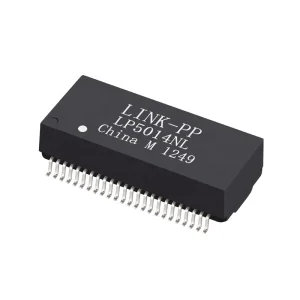
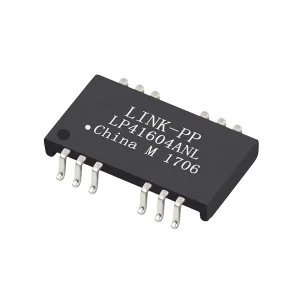
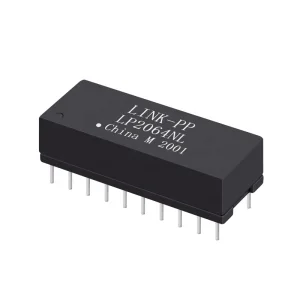
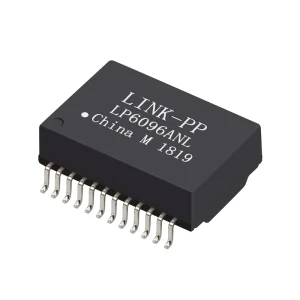
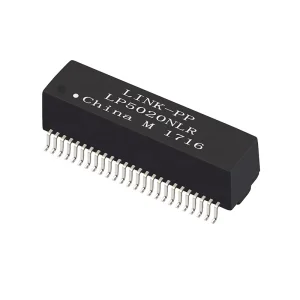
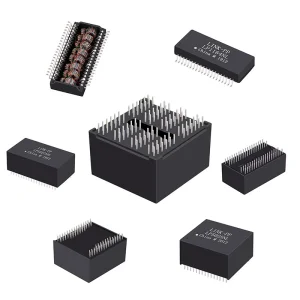
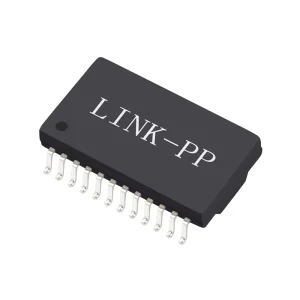
Browse our robust range of SMD & THT magnetic modules designed for high-density network cards and industrial switchboards.
Find expert answers to common engineering and sourcing questions related to optical transceivers and network isolation in Germany.