Lumetra
Lumetra
Lumetra
Engineered for immediate deployment across Australian municipal and regional network nodes.
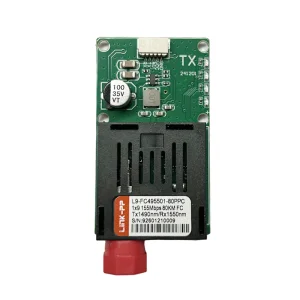
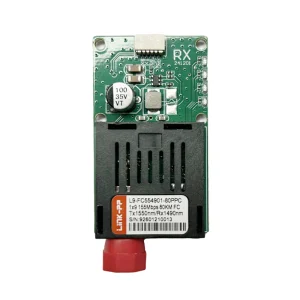
Australia presents one of the most demanding environmental and geographical challenges for optical communication networks. Spanning vast outback territories with extreme thermal variations—from below-freezing desert nights to scorching daytime temperatures exceeding 50°C—reliable industrial communications are non-negotiable. Lumetra's 1x9 optical transceivers are engineered precisely to conquer these operating parameters.
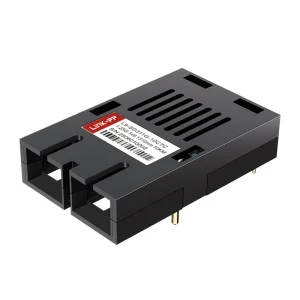
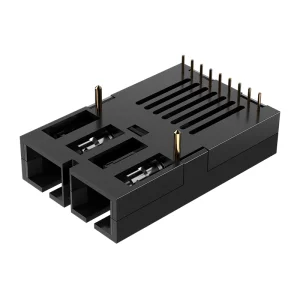
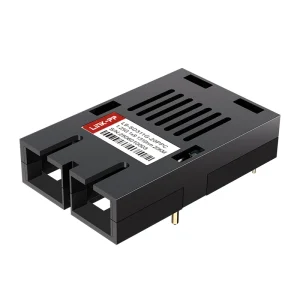
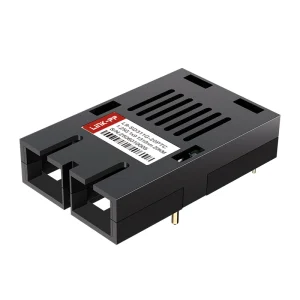
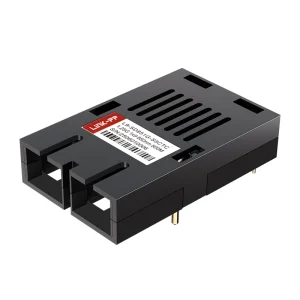
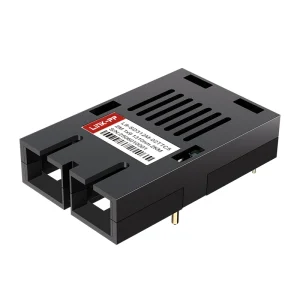
For key economic sectors such as the Pilbara mining region in Western Australia, electrical transmission utilities across Queensland and New South Wales, and regional railway signaling networks, legacy systems must run continuously without failure. The 1x9 transceiver form factor remains a foundation of these networks due to its physical stability. Pin-soldered directly to PCB motherboards, it provides superior resistance to mechanical vibration and shock compared to hot-swappable transceivers.
"Lumetra’s custom-engineered 1x9 optical modules are built to meet the rigorous standards demanded by Australian transport, energy distribution, and resource extraction operators."
Guaranteed performance from -40°C up to +85°C with active semiconductor thermal stabilization.
Excellent resistance to vibration, perfect for mineral haulage trains and heavy machinery networks.
Fully compliant with international substation electromagnetic compatibility requirements.
Proven manufacturing capabilities delivering millions of optical units to critical infrastructure operators worldwide.
Lumetra Optoelectronics Technologies Co., Ltd. is a professional manufacturer specializing in high-speed optical transceivers and fiber optic communication solutions for datacom, telecom, and cloud infrastructure applications. With over 11 years of overall industry expertise and 7 years of global export experience, we serve as a trusted OEM/ODM manufacturing partner for telecom carriers, system integrators, and industrial network brands across Australia, North America, Europe, and Asia.
While consumer-grade networking shifts rapidly toward 400G and 800G, the industrial control sector maintains a strong demand for 1x9 transceivers. Reliability, predictability, and multi-decade lifecycles are crucial here. Modern smart grids rely heavily on legacy fiber interfaces running over Ethernet or serial configurations to keep latency ultra-low and deterministic, safeguarding high-voltage transmission lines.
In high-voltage electrical substations across Australia, electromagnetic interference (EMI) is severe. Industrial 1x9 transceivers provide galvanic isolation and robust noise immunity. They are vital for terminal units, protection relays, and control panels communicating via IEC 61850 protocol standards over optical fiber networks.
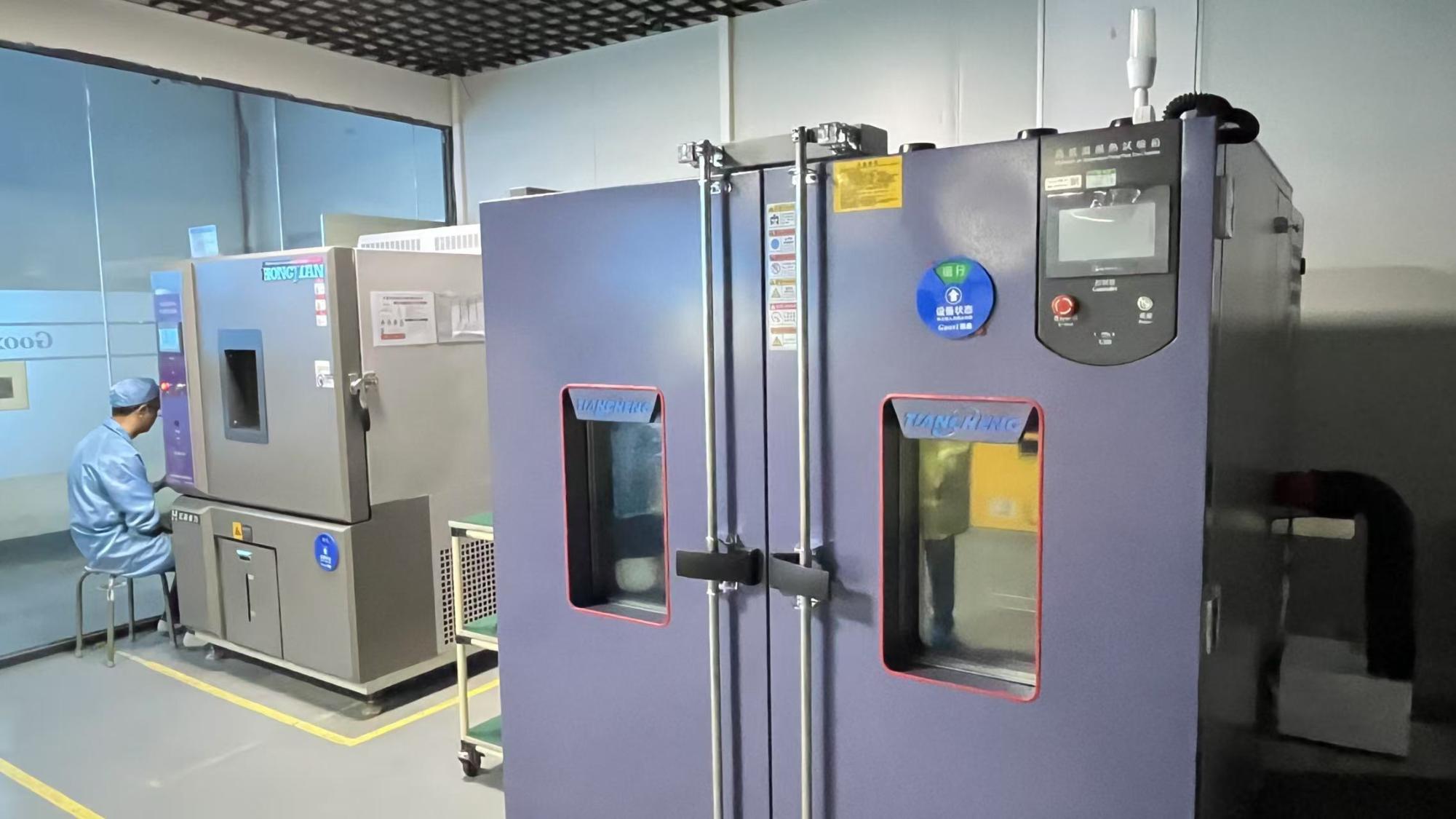
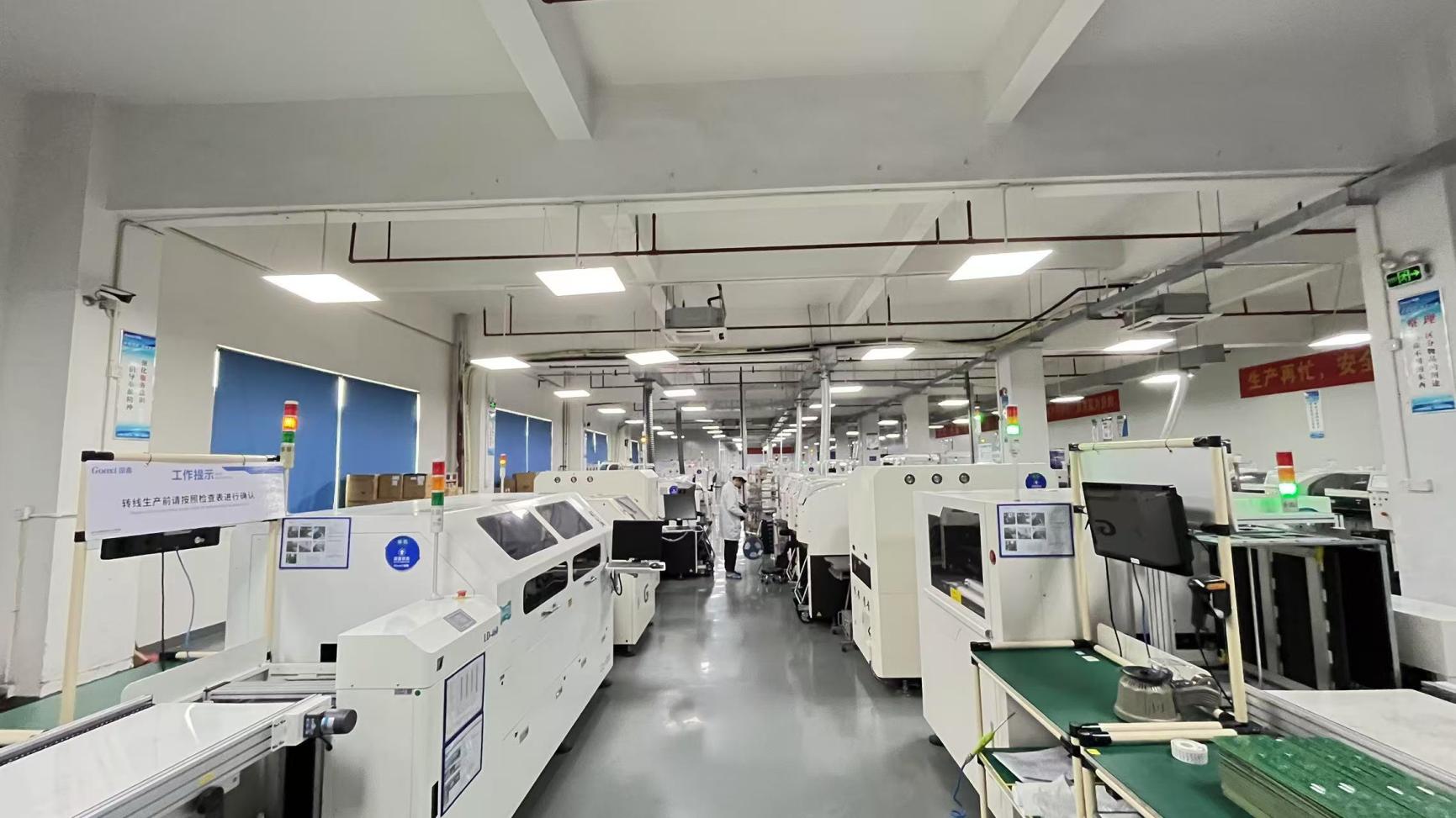
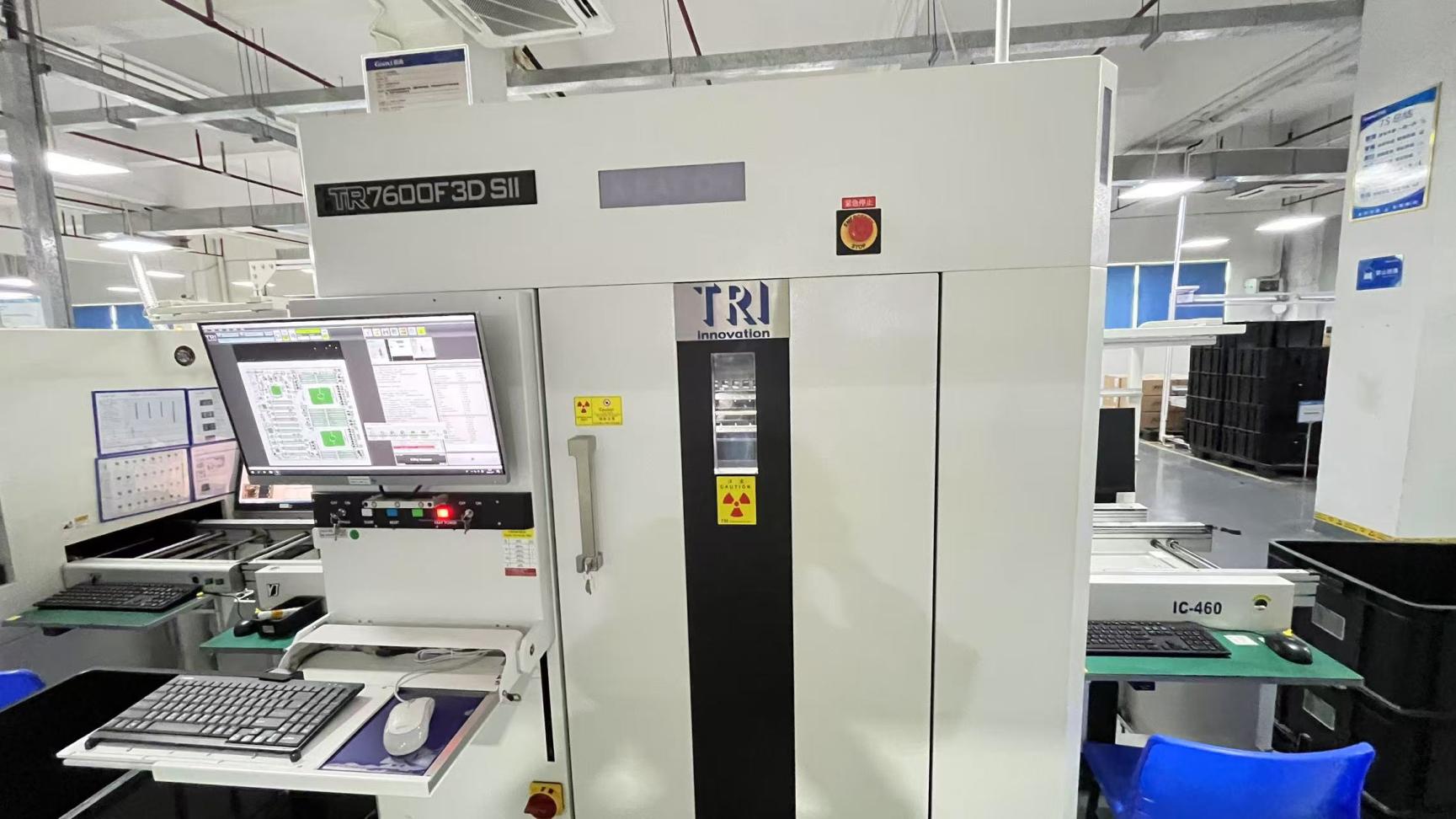
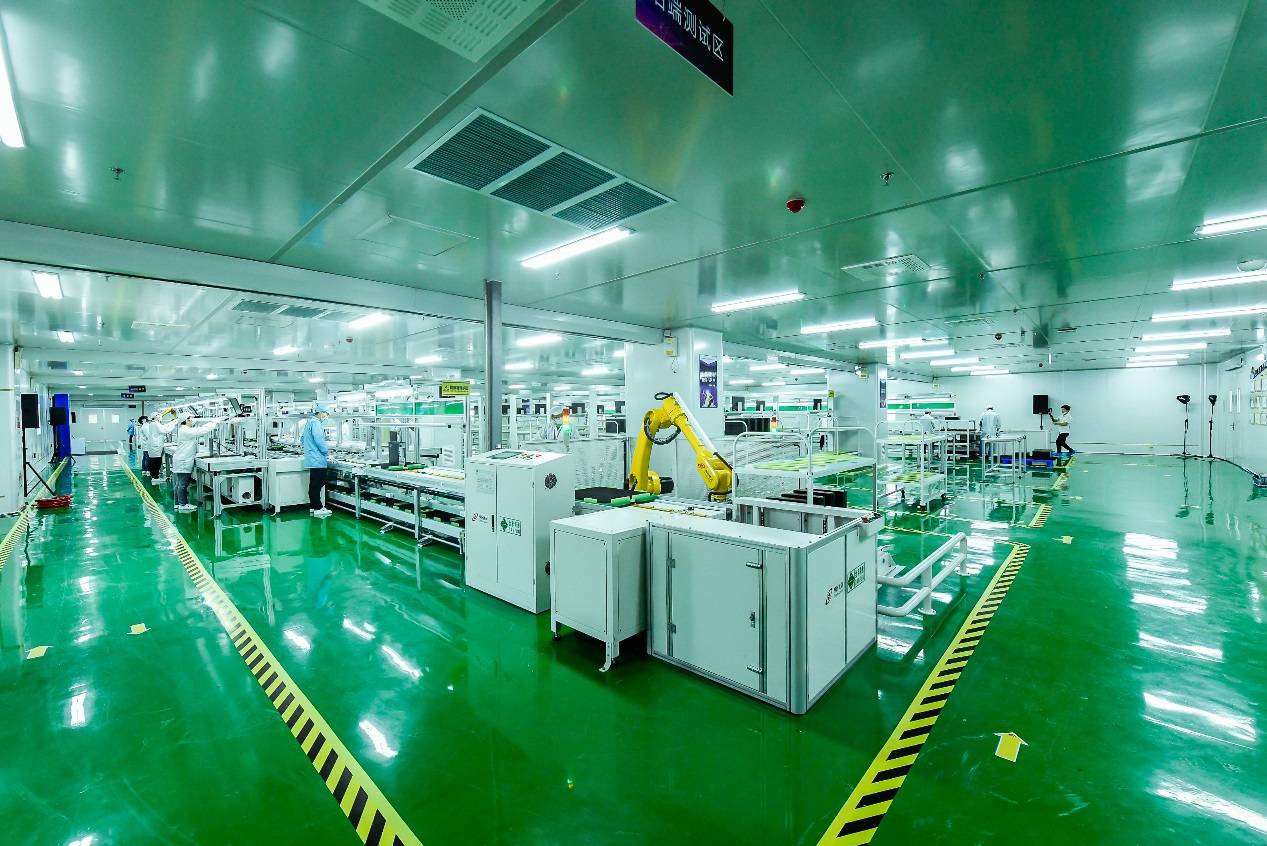
Quality control is maintained through automated optical performance testing, environmental stress screening, and manual inspection processes managed by our 48 trained QC inspectors. Our 86 R&D engineers design products to comply with international requirements, ensuring reliable deployment under RCM (C-Tick) frameworks.
Take a look inside our 8,500㎡ facility where we build and test our high-performance optical transceiver modules.
We understand that every industrial network has its own design challenges. Lumetra specializes in custom engineering, supported by a strong supply network of over 1,200 partners. Our team of 86 R&D engineers is ready to customize modules for specific projects in the Australian market.
We customize optical components for non-standard wavelengths (CWDM grids) and long distances of 40km, 60km, and 80km to connect distant regional locations.
We design custom PECL/TTL pinouts to ensure seamless compatibility when replacing legacy equipment from old vendors.
We provide heavy-duty metal housing options designed to protect internal components from dust, humidity, and chemical exposure.
Queensland Remote SCADA Upgrade: An electricity utility upgraded their substations using Lumetra's 1x9 BiDi transceivers. By upgrading to single-fiber bi-directional communication, they doubled their fiber capacity without laying new cables, saving substantial installation costs.
Western Australian Mining Rail Networks: Haulage locomotives operating in highly vibrative environments were fitted with our direct-solder 1.25G 1x9 SC modules. The soldered pins eliminated connection dropouts, ensuring continuous telemetry reporting back to control centers.
Regional Water Treatment Plants: Decentralized water treatment facilities in New South Wales deployed our multimode 1310nm 2km 1x9 modules to run secure control signals between pump stations and centralized management terminals.
Everything you need to know about technical specifications, ordering, and deployment.
1x9 transceivers are soldered directly to the system board, making them physically secure. Unlike SFP modules, which can slide in and out of cages, the soldered pins on a 1x9 module prevent loose connections caused by vibrations, thermal expansion, or physical impacts, making them highly reliable for harsh industrial setups.
Yes. We offer commercial (0°C to 70°C) and industrial-grade (-40°C to +85°C) versions. For Australian outback installations, we recommend our industrial-grade modules, which feature temperature compensation to keep performance stable across extreme temperature swings.
We support various electrical configurations. You can select either +3.3V or +5.0V power supplies, along with TTL or PECL signal interfaces. Our engineers can also customize the physical pin lengths and positions to match your legacy circuit board layouts.
Our optical transceivers are designed to comply with CE, FCC, RoHS, and Australian EMC frameworks. We work closely with import partners to ensure all documentation is ready for smooth compliance verification in Australia.
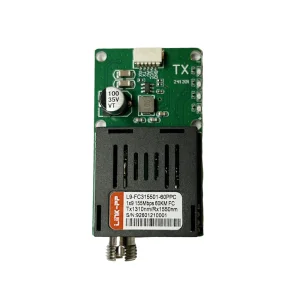
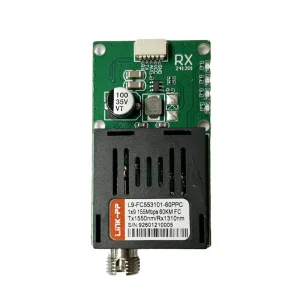
Absolutely. Our BiDi 1x9 transceivers use complementary wavelengths (e.g., 1310nm TX/1550nm RX and vice versa) to transmit and receive data over a single strand of single-mode fiber. This effectively doubles your existing fiber capacity, saving you the expense of installing new fiber cables.
For standard models, production takes 1-2 weeks. Custom designs or large-volume orders typically take 3-4 weeks. We ship directly from our quality-controlled factory to Australian logistics hubs (Sydney, Melbourne, Brisbane, Fremantle) using reliable air and sea freight services.
Explore our full line of industrial network connectors, converters, and high-speed modules for comprehensive system integrations.
High-speed hardware engineered to support data backbone scaling and network interfaces.