Lumetra
Lumetra
Lumetra
Optimized hardware designed to prevent light pipe leakage and maximize electromagnetic interference (EMI) containment.
Customizing protocol compatibility, wavelength tuning, form factor, or density for Toronto datacenters?
Send Inquiry NowThe Greater Toronto Area (GTA) has established itself as the leading data center market in Canada and the third-largest in North America. With the concentration of major financial institutions, hyperscalers, global cloud service providers, and a booming technological corridor stretching from Waterloo to Toronto, network density requirements are growing exponentially. In these high-performance computation environments, physical interconnect hardware like SFP, SFP28, QSFP28, and OSFP cages represent the structural backbone of reliable network transmission.
As transmission speeds evolve from 10G to 100G and 400G configurations, maintaining signal integrity and containing electromagnetic radiation becomes highly critical. High-speed signals suffer from attenuation, and switching components run hot, which causes packet loss or hardware failure if the underlying cages are not engineered to precision standards. Designing SFP enclosures requires managing physical shielding, airflow, insertion vectors, and mechanical tolerances.
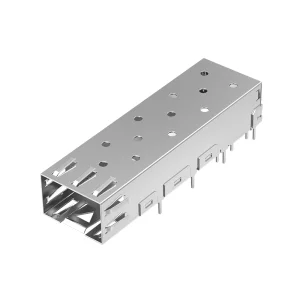
At multi-gigabit speeds, SFP modules emit substantial high-frequency electromagnetic interference (EMI). Without effective shielding, this interference compromises adjacent channels and corrupts transmission pathways. Our press-fit SFP cages utilize advanced EMI spring fingers and elastomeric gaskets that create a continuous conductive path to the system chassis ground, keeping leakage within acceptable limits.
Additionally, system architectures must handle different assembly methods. While wave-soldered Through-Hole Technology (THT) is reliable for standard legacy systems, high-density, multi-port architectures rely heavily on press-fit compliant pins. These pins require no soldering, avoiding thermal stress on the host printed circuit board (PCB) and establishing high-retention electrical contact capable of handling structural vibration.
In highly packed Toronto data centers, optical transceivers operate under constant thermal load, frequently exceeding 85°C. High operational temperatures accelerate laser degradation and skew optical wavelengths. SFP cages integrated with custom copper or aluminum heat sinks and thermal interface materials (TIM) facilitate rapid heat transfer from the module housing to the exhaust airflow.
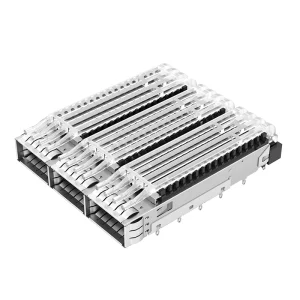
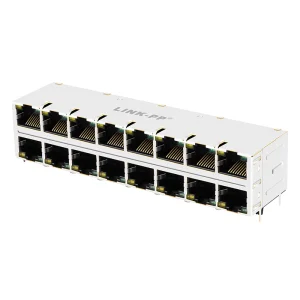
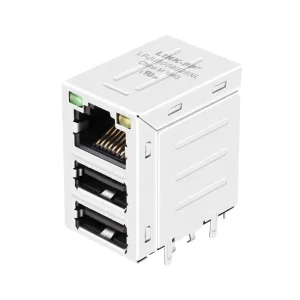
Our multi-port modules, such as the 1x3 and stacked configurations, feature integrated light pipes and heat sinks engineered to balance cooling requirements and space limits. The mechanical structure enables low insertion force, protecting delicate transceiver contact interfaces during maintenance and field updates.
Meeting requirements for installation across Canadian telecommunication infrastructure, and data enterprise networks.
| Regulatory Standard / Compliance | Target Parameters | Application Scope in Toronto Networks |
|---|---|---|
| CSA C22.2 No. 62368-1 | Electrical product safety standards for ICT equipment. | Mandatory certification for public telecommunications networks and multi-tenant data centers. |
| UL 94 V-0 Flammability | Plastic/housing self-extinguishing within 10 seconds. | Applicable to optical transceivers, light pipes, and connectors in high-density rack systems. |
| FCC Part 15 / ICES-003 Class B | Strict containment of high-frequency radiated emissions. | Essential for cages handling transmission speeds above 10Gbps near local networks. |
| RoHS 3 / REACH | Restriction of hazardous substances in components. | Standard compliance validation required by institutional buyers and Canadian government installations. |
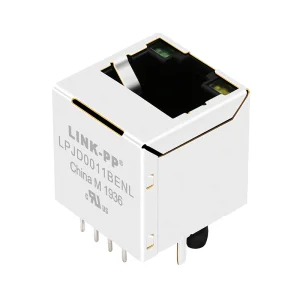
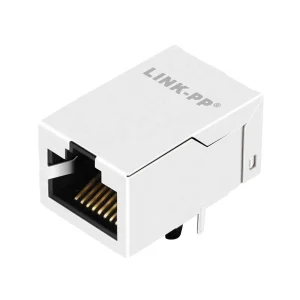
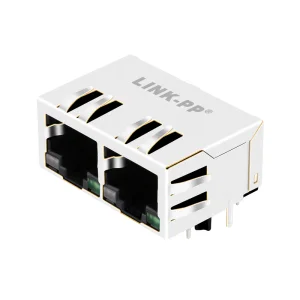
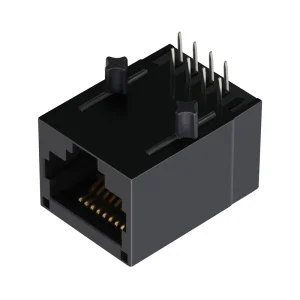
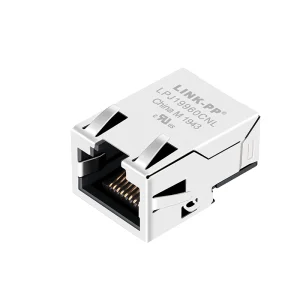
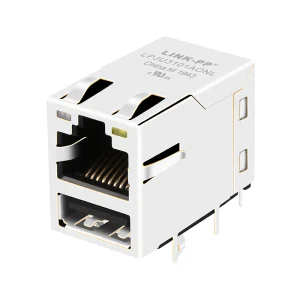
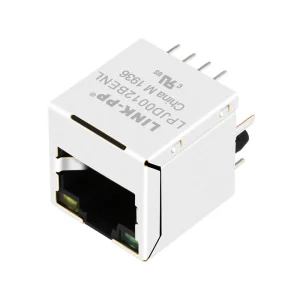
Improving board performance up to Cat6 and shielded RJ45 modules with integrated magnetics to handle noise in hybrid copper networks.
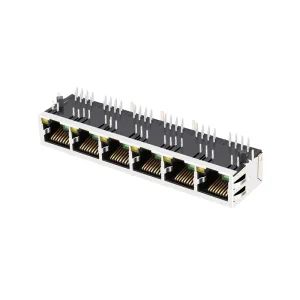
Deploying press-fit EMI-shielded 100G cages with multi-port architectures (1x3, 1x6) to maximize spatial capacity on local switches.
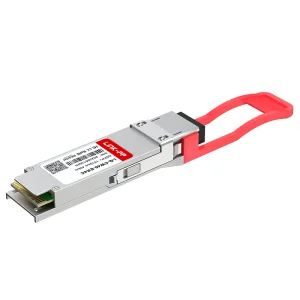
Incorporating Co-Packaged Optics, thermal dissipating heat sinks, and dense QSFP-DD formats to support AI workloads in Toronto datacenters.
Inside Lumetra's 8,500㎡ facility. Producing high-performance optical communication equipment.
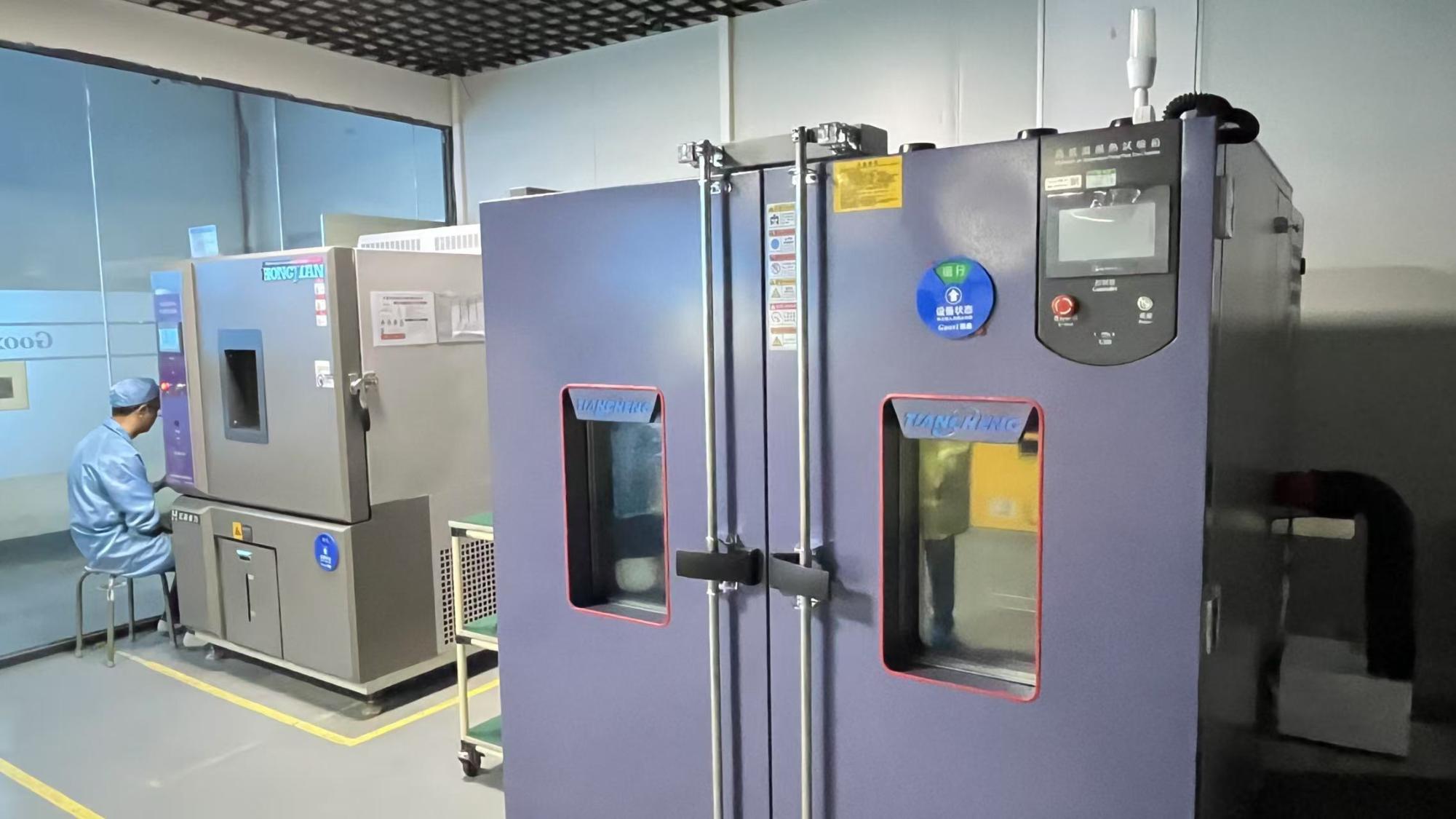
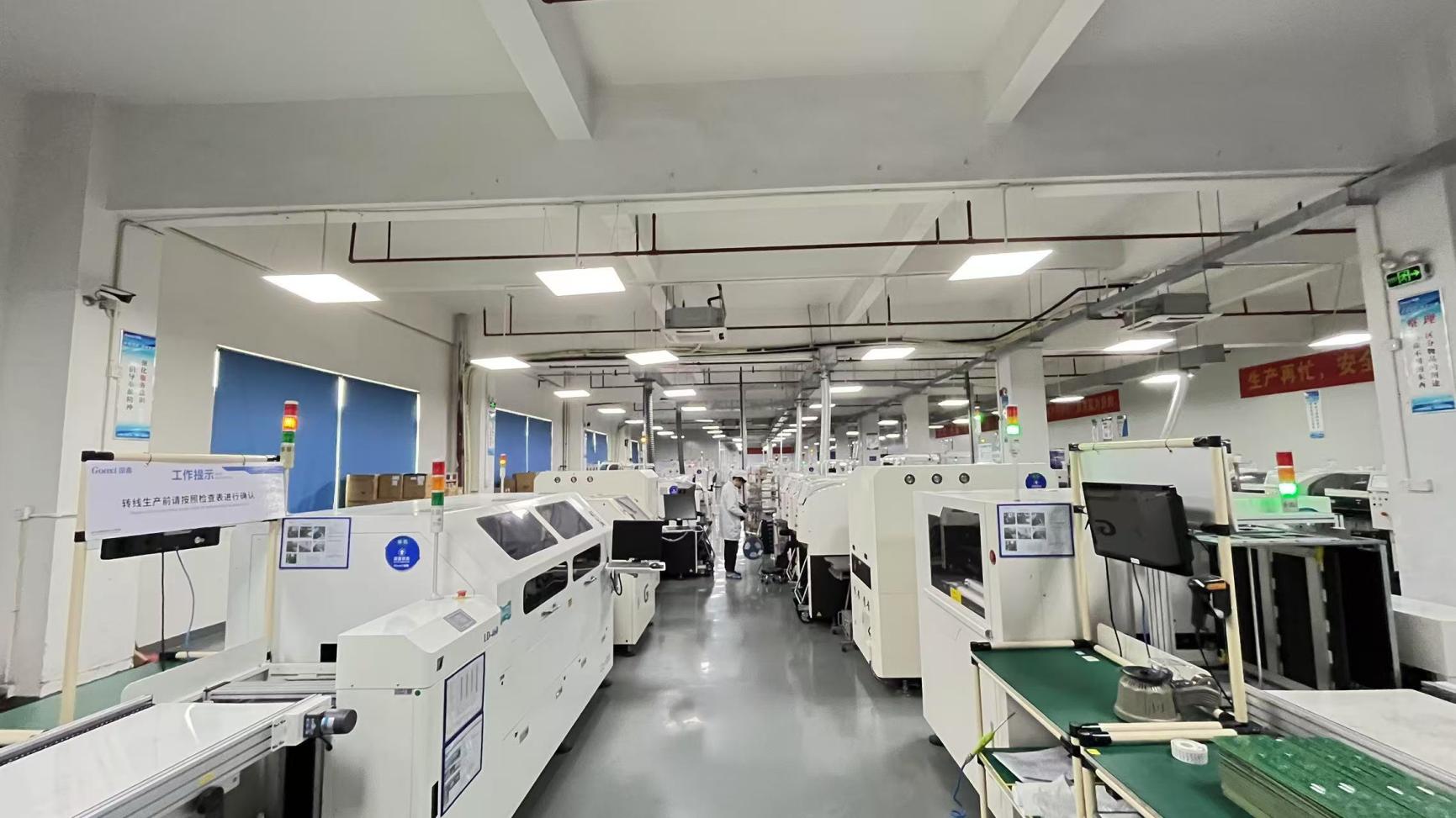
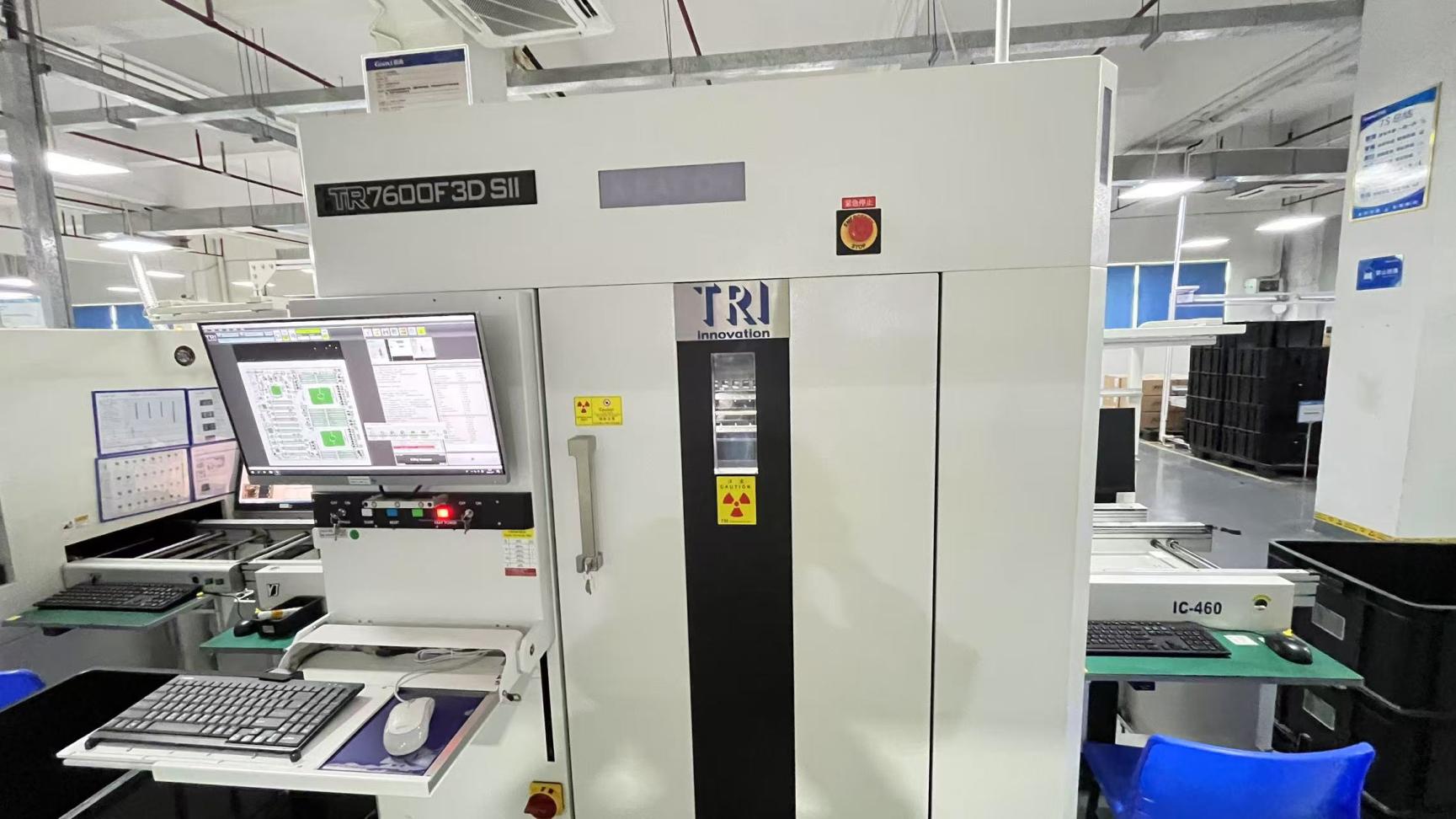

Equipped with modern high-speed surface mount technology (SMT) lines, mechanical press equipment, and comprehensive automated optical inspection (AOI), Lumetra controls manufacturing tolerances closely. In the past fiscal year, we introduced 220 new products, ensuring our clients receive high-frequency network solutions matching current industry requirements.
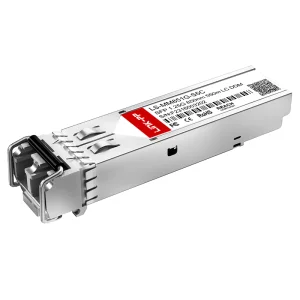
Browse our complete product range, including modular jacks, multi-port connectors, and long-range optical transceivers.
Require custom design validation, prototype samples, or bulk order delivery schedules for Toronto?
Send Inquiry NowTechnical answers to key implementation questions from network engineers and system integrators.