Lumetra
Lumetra
Lumetra
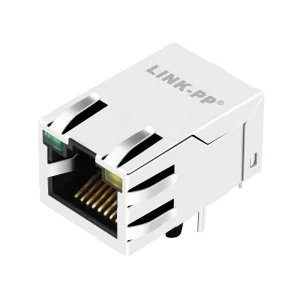
Explore our leading selection of CE certified optical modules, RJ45 jacks, and magnetic transformers designed for rigorous industrial & telecom architectures.
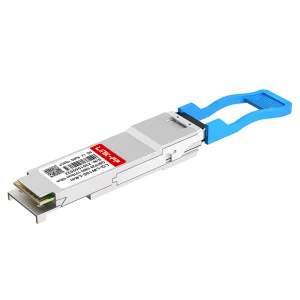
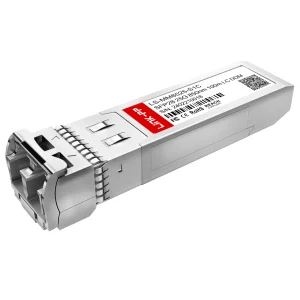
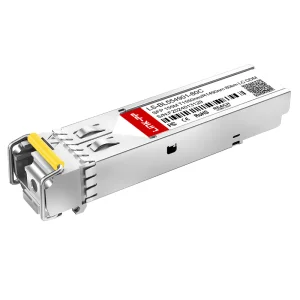
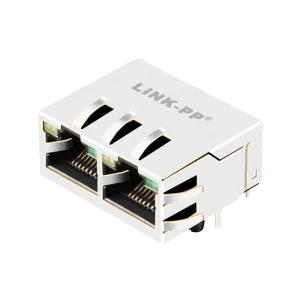
Unpacking the strategic value of CE certified Ethernet interconnect solutions in modern cloud architecture, industrial networks, and telecommunication systems.
In today's hyper-connected landscape, physical layers like Ethernet interface connectors act as critical nodes determining signal integrity and system resilience. Industrial automation, telecom networks, and high-frequency datacenters require components that eliminate latency bottlenecks. Global procurement teams prioritize suppliers offering CE certified connectors that guarantee electromagnetic compliance and environmental sustainability.
Whether deploying high-speed transceivers (like 100G QSFP28 modules) or robust modular jacks for industrial control cabinets, components must endure thermal variations, vibration, and EMI noise. Enterprise networks rely on standardized testing to guarantee compatibility and prevent downtime, translating directly to substantial cost savings.
"Procurement is no longer just about selecting a connector. It is about identifying engineering partners who understand data rates, crosstalk prevention, and compliance paths like CE, RoHS, and REACH. Lumetra addresses this through strict mechanical tolerances and optimized signal lines."
Minimizing Total Cost of Ownership through rugged durability, low contact resistance, and predictable lifecycle management in high-density environments.
Support for IEEE 802.3bt (PoE++) standards, supplying up to 90W-100W of power alongside gigabit speeds without thermal degradation in the conductor contacts.
Utilizing high-grade metal shielding (such as copper-alloy or nickel-plated shells) and integrated magnetic modules to prevent signal degradation from electromagnetic interference.
Deep dive into Lumetra Optoelectronics' state-of-the-art facility, R&D team, and international quality management infrastructure.
Lumetra Optoelectronics Technologies Co., Ltd. is a professional manufacturer specializing in high-speed optical transceivers and fiber optic communication solutions for datacom, telecom, and cloud infrastructure applications. Founded in 2016, the company has developed into a reliable supplier with strong engineering capabilities and global export experience.
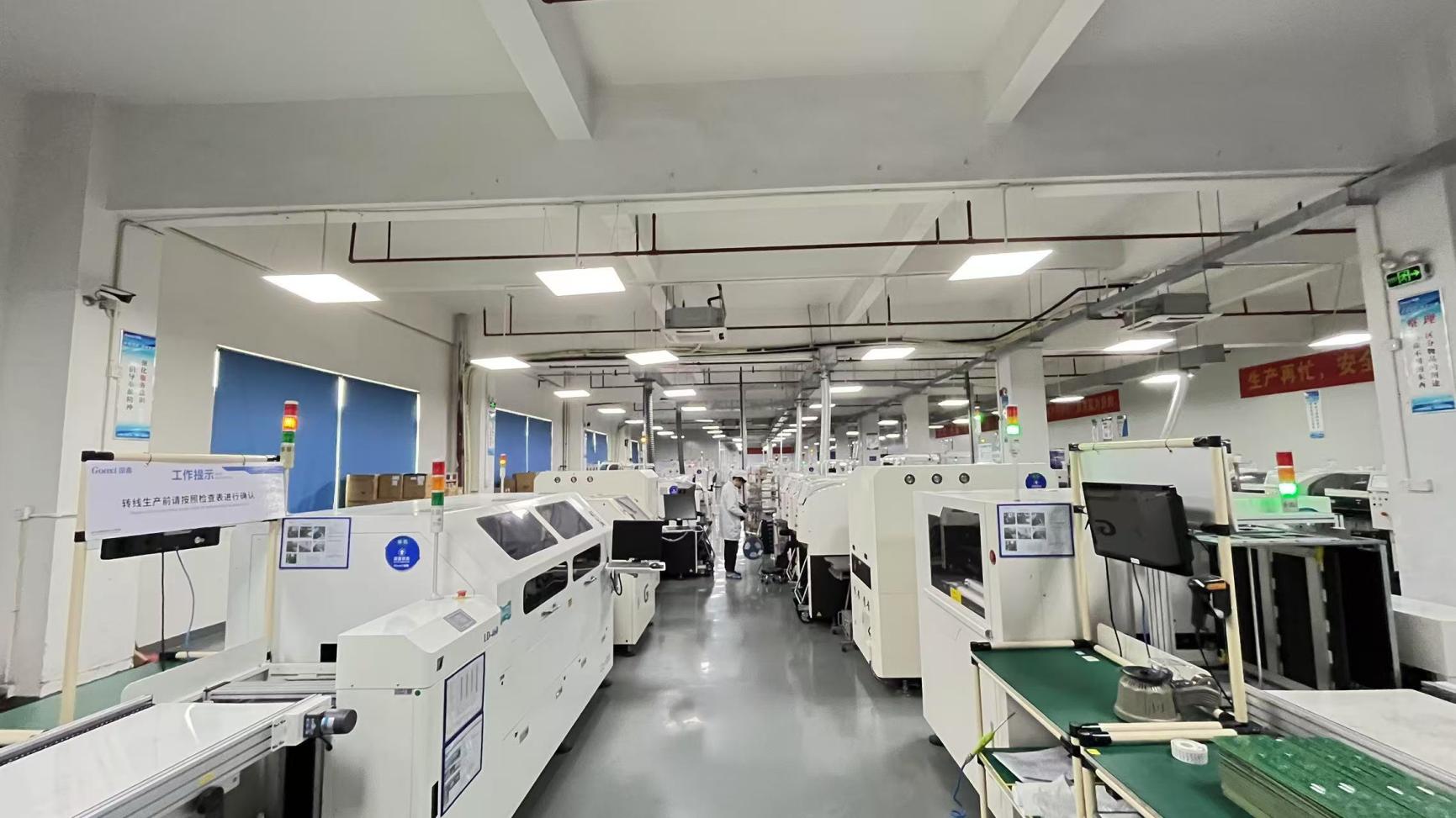
The company operates a production facility covering approximately 8,500㎡, supporting efficient manufacturing and quality-controlled assembly processes. With annual export revenue reaching around USD 18 million, Lumetra has built stable international business channels and accumulated 7 years of export experience, backed by 11 years of overall industry expertise.
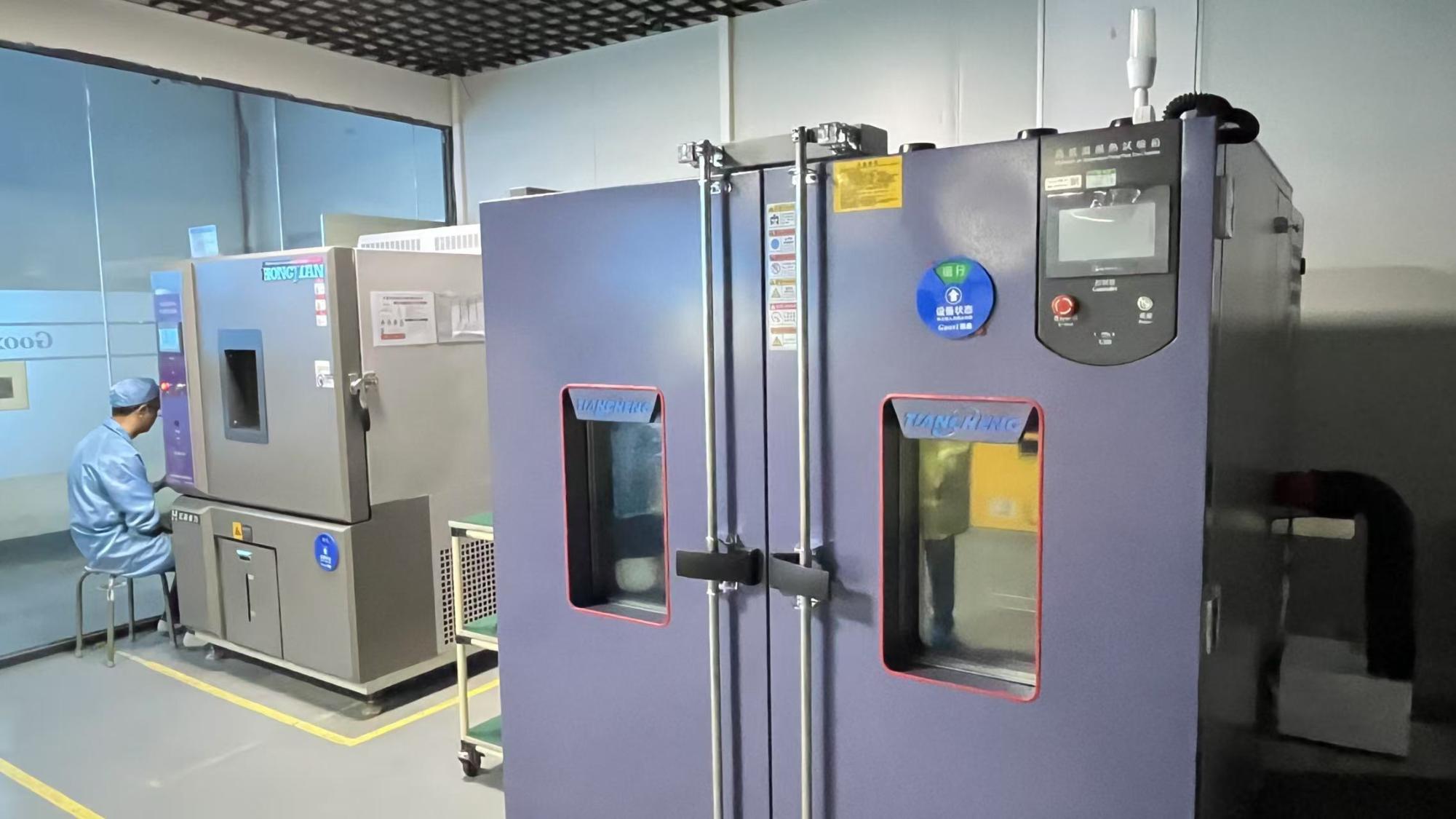
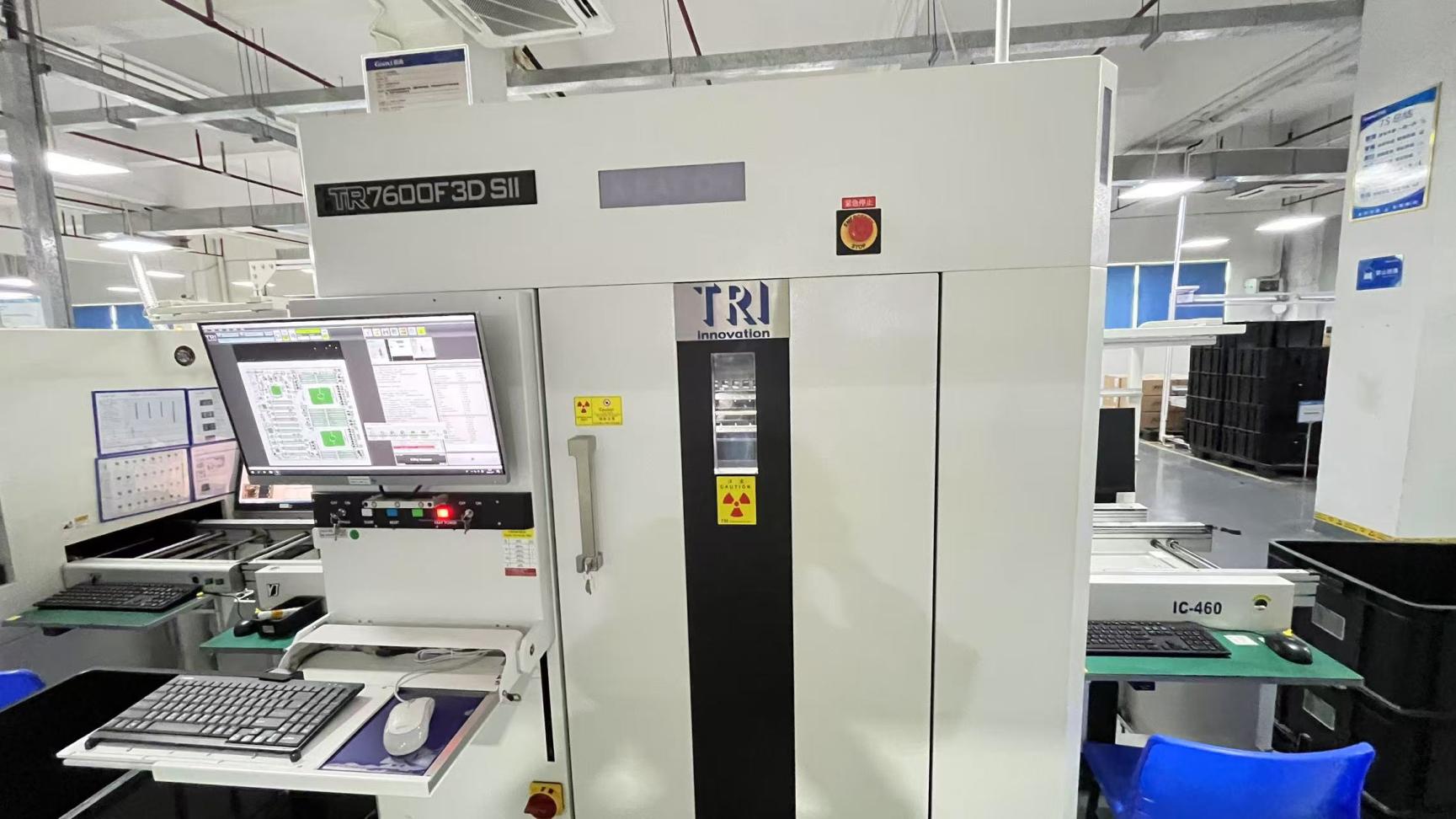
Quality assurance is maintained through a combination of automated optical performance testing, environmental stress screening, and manual inspection processes. The quality control team consists of 48 trained inspectors ensuring strict compliance with international standards.
Lumetra maintains a diversified trade background with strong presence in OEM and ODM markets. Its primary markets include North America, Europe, Southeast Asia, and the Middle East, serving telecom operators, data center integrators, and network equipment distributors.
The company collaborates with over 1,200 supply chain partners to ensure stable component sourcing and manufacturing efficiency. Its customer base mainly includes telecom carriers, hyperscale data centers, system integrators, and optical network equipment brands.
With strong R&D capability, Lumetra supports advanced customization including protocol compatibility, wavelength tuning, form factor adaptation, and power optimization. The company employs 86 R&D engineers focused on optical design, hardware development, and signal integrity optimization. In the past year, Lumetra launched approximately 220 new products, reflecting its continuous innovation in high-speed optical communication technologies.

Production Facility
Annual Export Value
R&D Engineers
New Products Annually
Analyzing electrical parameter boundaries, EMI shielding physics, and European conformance directives for high-speed network components.
Ethernet connectors transmit signals at frequencies up to hundreds of megahertz (for Cat6/Cat6A) and gigahertz (for fiber transceivers). Minimizing Insertion Loss (attenuation of the signal) and Return Loss (signal reflections) is critical. Under CE compliance frameworks (specifically the Low Voltage Directive 2014/35/EU and EMC Directive 2014/30/EU), manufacturers must design contact interfaces that guarantee low contact resistance (< 20mΩ) over their operating lifespans.
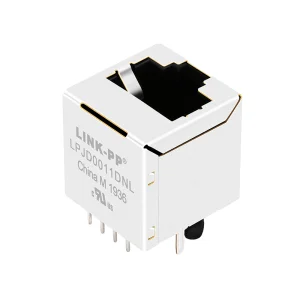
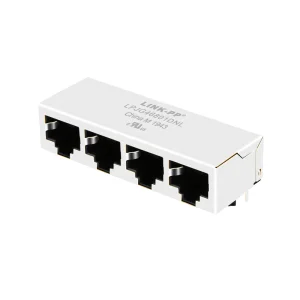
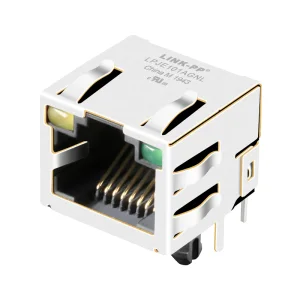
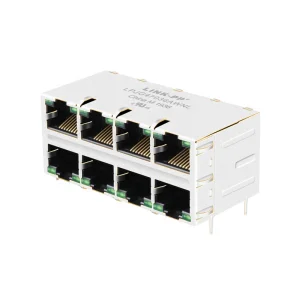
To eliminate Near-End Crosstalk (NEXT) and Far-End Crosstalk (FEXT) in copper connectors, such as multi-port RJ45 jacks, differential pairs must be carefully routed. Lumetra's PCB-mount modular jacks incorporate internal wire patterns that match impedance characteristics (typically 100Ω differential), eliminating reflection spikes in gigabit and 10-gigabit data streams.
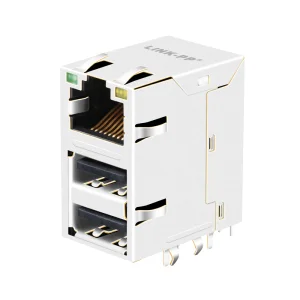
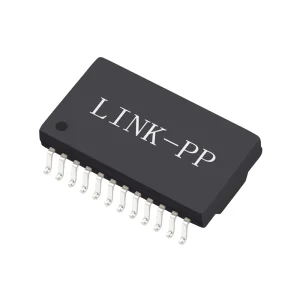
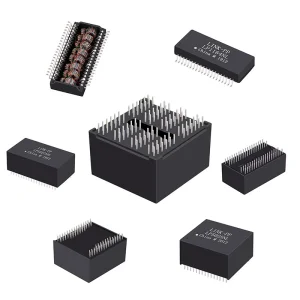
Integrated Connector Modules (ICMs) include built-in magnetic components—isolation transformers and common-mode chokes. These components provide dielectric isolation (typically 1500V AC rms, meeting IEEE 802.3 standards) protecting downstream PHY silicon chips from high-voltage surges on the line. Additionally, the integrated chokes suppress common-mode electromagnetic noise, acting as a low-pass filter to pass only differential data signals.
For high-frequency applications, selecting the correct core material (ferrite chemistry) is essential. High-permeability ferrites ensure stable inductance profiles across extreme temperature ranges (-40°C to +85°C), which is a prerequisite for industrial and automotive Ethernet interfaces.
For electronic connectors sold in the European Economic Area (EEA), the CE mark certifies compliance with:
1. EMC Directive 2014/30/EU: Regulates electromagnetic emission limit controls and immunity levels to ensure no interference with other nearby equipment.
2. Low Voltage Directive 2014/35/EU: Applied to components operating within specific voltage ranges, dictating safety and isolation distances.
3. RoHS Directive 2011/65/EU: Limits hazardous substances (lead, mercury, cadmium, hexavalent chromium, PBBs, PBDEs) in connector housings, pins, and solders.
Tailored interconnect frameworks across distinct deployment verticals and upcoming trends in Ethernet interface architecture.
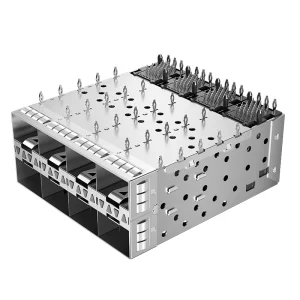
Data centers demand high-density SFP/QSFP structures to optimize rack space. Interconnect systems must handle high thermal output and support extreme data rates. Lumetra's 100G QSFP28 modules and TE-compatible EMI shielded SFP cages prevent packet loss at 100Gbps rates, with low-power layouts below 3.5W per port to reduce cooling demands.
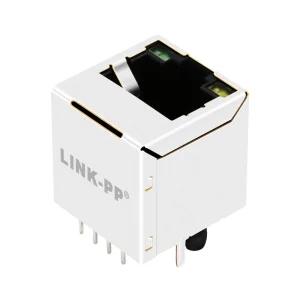
Industrial settings expose connectors to dust, humidity, chemical agents, and vibration. Heavy machinery generates substantial EMI. CE-certified RJ45 jacks with robust gold-plated contact layers (up to 50 micro-inches of gold plating) maintain link integrity, while integrated magnetic transformers block voltage spikes from electric motors.
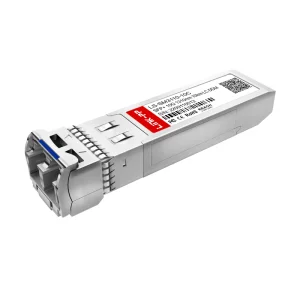
Telecommunications operators require long-haul stability and reliable outdoor connections. Lumetra's Bidi SFP transceivers utilize WDM (Wavelength Division Multiplexing) to transmit and receive data over a single fiber strand up to 80km, reducing optical fiber deployment costs by 50% for modern regional telecom providers.
As the industry advances, several key paradigms are shaping the development of future Ethernet interface connectors:
Engineering answers regarding CE specifications, shielding topologies, PoE limits, and transceivers compatibility.
Explore more RJ45 sockets, SFP cages, power connectors, and specialty networking interface jacks.