Lumetra
Lumetra
Lumetra
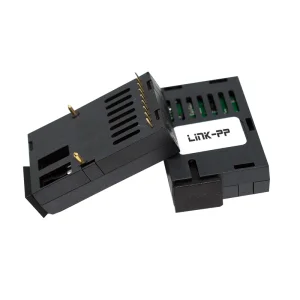
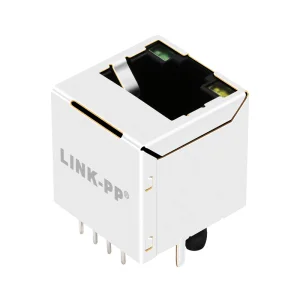
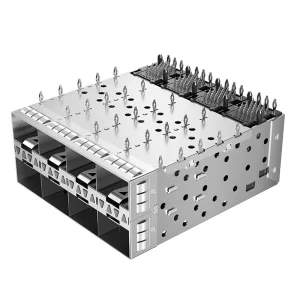
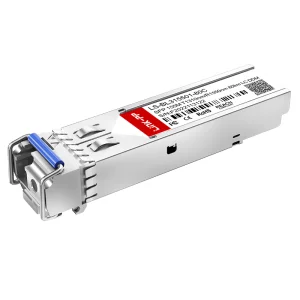
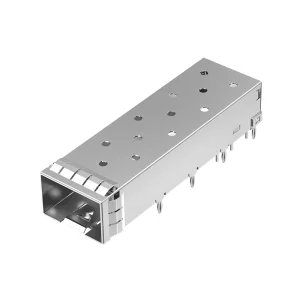
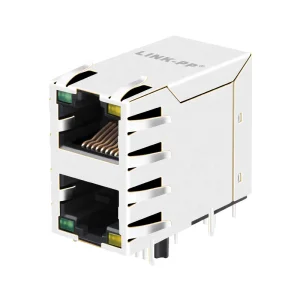
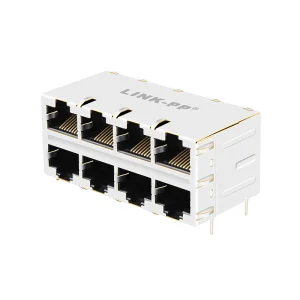
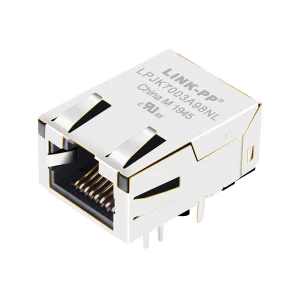
A technical whitepaper examining structural paradigm shifts in high-speed, high-density physical layer transmission.
In the modern telecom and industrial networking landscape, the demand for rugged, high-bandwidth, and electromagnetic-compatible (EMC) physical layer interfaces has reached unprecedented levels. The Twisted Pair Connector, historically defined by the ubiquitous RJ45 interface, has evolved into a highly engineered component capable of managing data rates up to 40 Gbps (Cat8) and accommodating the complex requirements of Single Pair Ethernet (SPE) for industrial Internet of Things (IIoT).
Today’s global digital infrastructure relies heavily on the co-existence of copper and optical fiber. While fiber dominates long-haul transport, copper twisted-pair structures remain the lifeline of LAN networks, edge devices, Power over Ethernet (PoE) terminal systems, and smart factory floor deployments. This endurance is due to copper's capacity to deliver both high-speed data and electrical power concurrently, avoiding the expensive hardware conversion layers associated with optical setups.
Exporting high-speed telecom products requires conforming to international standards:
How advanced domestic clusters and automation integration drive competitive advantages for global procurement.
From raw alloy smelting to precision insert-molding and gold-plating, leading Chinese industrial zones unify the supply chain. This minimizes transit times for tooling modifications and keeps production costs highly optimized.
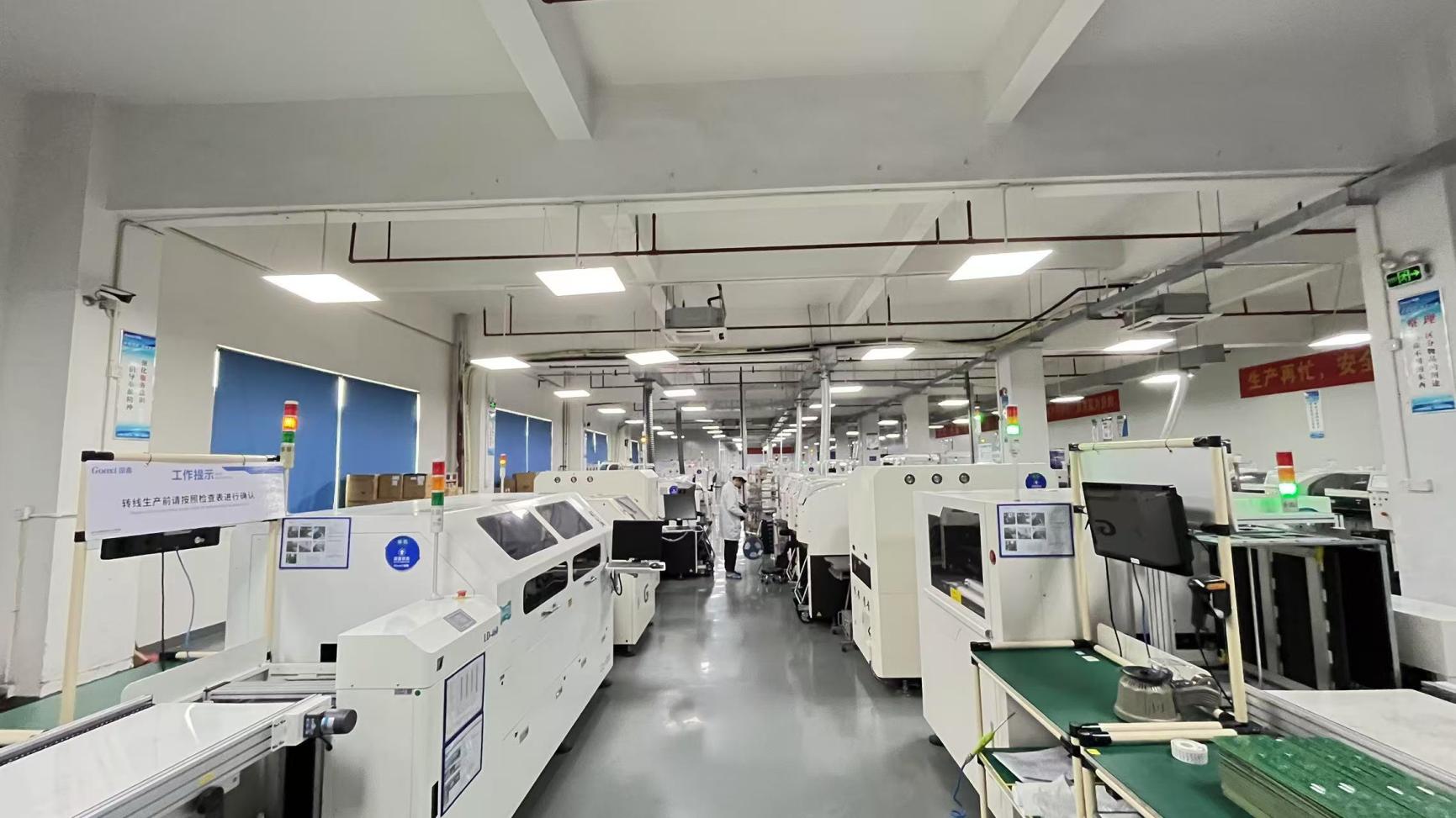
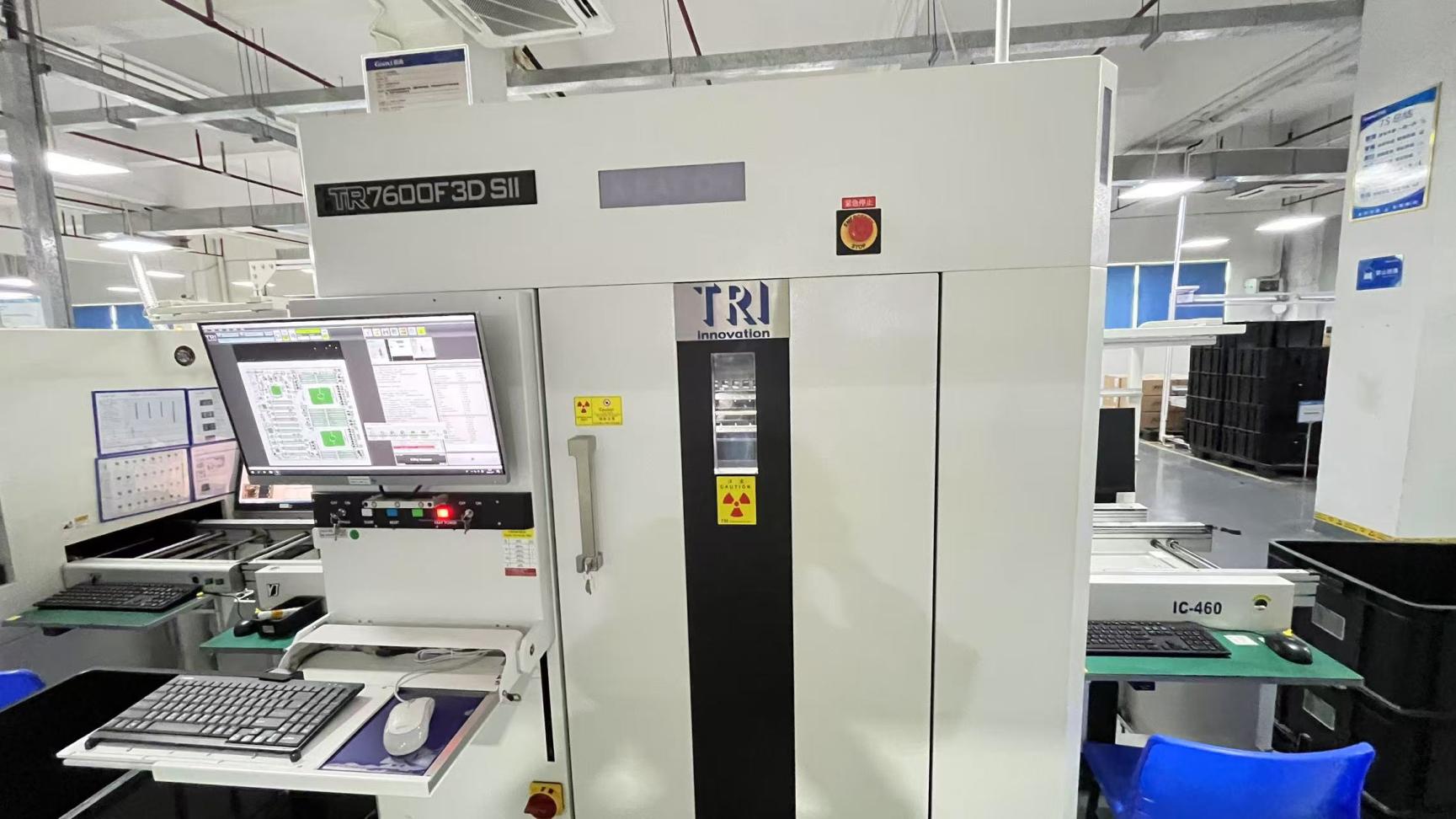
Modern manufacturing integrates multi-stage AOI systems and high-speed network analyzers (e.g., Keysight/Fluke testing rigs) to guarantee that insertion loss, return loss, and NEXT (Near-End Crosstalk) remain well within ANSI/TIA specified limits.
Chinese factories are equipped with rapid-prototyping 3D simulations, signal-integrity analysis tools, and custom molding facilities. This allows them to quickly tailor EMI shielding configurations and internal PCB routing to specific project demands.
Twisted pair connectivities are deployed across demanding fields, each requiring tailored mechanical and electrical specifications.
Operating environments with high levels of electromagnetic interference require STP (Shielded Twisted Pair) configurations. Connectors featuring robust 360-degree metallic wrap-around shielding isolate delicate data lines from high-voltage motor drives and welding equipment.
MRI, CT scanners, and real-time patient monitors require high signal-to-noise ratios. Precision copper connectors combined with low-loss optical transceivers provide clean signal isolation and protect against RF leakage.
The expansion of IoT-driven infrastructure demands High-Power PoE (up to 90W, IEEE 802.3bt). Connectors must handle localized heat generation, requiring high-temperature rated engineered plastics (UL 94V-0) and optimized thermal dissipation designs.
For short-reach server-to-switch patching where optical modules are cost-prohibitive, Category 8 RJ45 structures and high-speed SFP+ direct-attach copper interfaces provide a cost-effective, high-bandwidth connection.
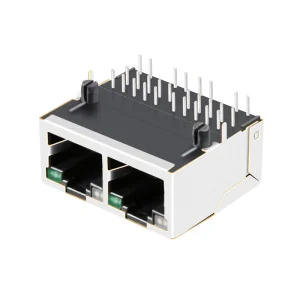
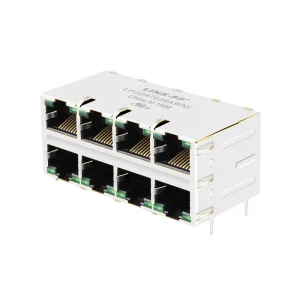
Telecom networks utilize high-density multi-port integrated magnetics (RJ45 jacks with built-in transformers) to maintain line balancing, protect sensitive physical-layer ICs from surge currents, and optimize chassis space.
Standardized under IEEE 802.3cg/bp, SPE reduces traditional 4-pair cabling down to a single pair. This simplifies connectivity, cuts weight by up to 60%, and shrinks connector sizes, making it ideal for automotive Ethernet and complex field bus networks.
With the rollout of Wi-Fi 6E/7 access points, access ports require 2.5G/5G/10G Ethernet speeds along with high-wattage power delivery. Connectors must prevent electrical arcing at the contact points during unmating under load, which is managed through spark-resistant contact geometry designs.
Next-generation connectors use integrated metal housings, die-cast zinc-alloy shells, and internal grounding clips to achieve superior alien crosstalk (ANEXT) suppression, enabling reliable transmission at higher operating frequencies.
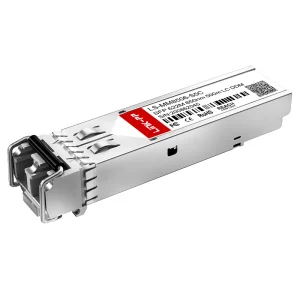
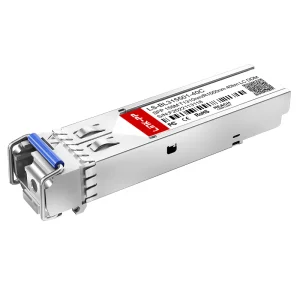
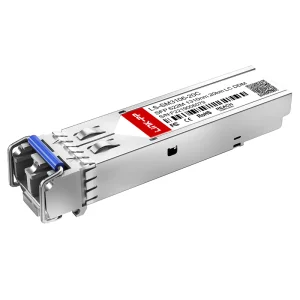
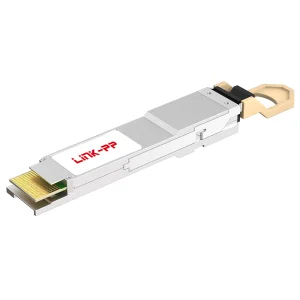
Optical transceivers (like SFP, QSFP-DD) are increasingly integrated with high-performance copper patch bays to balance bandwidth density and cost. This hybrid architecture utilizes the strength of each medium, using fiber for backhaul and copper for localized distribution.
Essential technical and operational parameters when auditing connector manufacturing partners.
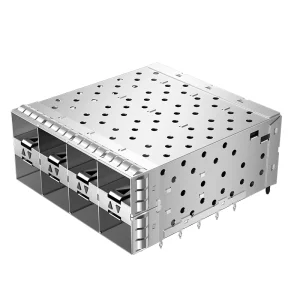
Ensure the gold plating on RJ45 contact blades or SFP receptacle interfaces matches the application's demands. While 3μ" to 15μ" gold-flashing suits light consumer use, critical industrial and telecom hardware requires 50μ" gold plating over nickel barriers to resist oxidation and withstand at least 750 insertion cycles.
Verify the connector body housing material is made of high-grade polycarbonate or LCP (Liquid Crystal Polymer) rated to UL 94V-0. This guarantees self-extinguishing behavior during a thermal overload or short circuit, preventing flame spread across network cabinets.
Demand native laboratory verification reports for Insulation Resistance (minimum 500MΩ at 500V DC), Contact Resistance (maximum 20mΩ change after environmental testing), and Dielectric Withstanding Voltage (1000V AC RMS, 60Hz for 60 seconds without breakdown).
Established in 2016, Lumetra has grown into a leading manufacturer and exporter of high-speed optical transceivers, SFP enclosures, and advanced copper-based connection interfaces. Our engineering team brings 11 years of deep industry expertise, supported by over 7 years of global export experience across North America, Europe, Southeast Asia, and the Middle East.
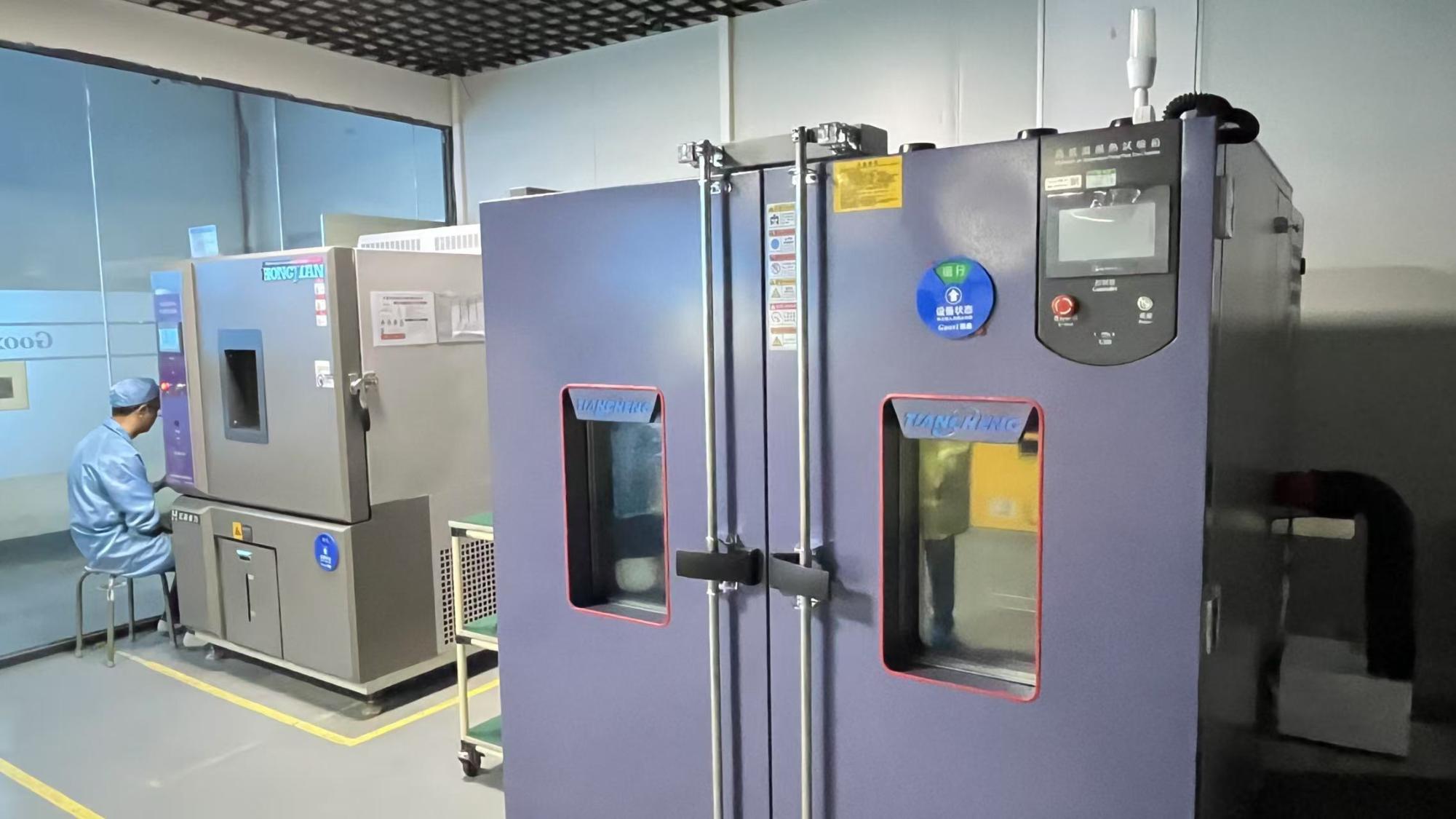
Operating from our specialized 8,500㎡ facility, we manage production workflows using automated optical testing, environmental stress screening, and rigorous multi-point physical inspections. Our supply network includes over 1,200 partners, ensuring stable sourcing of raw components even during tight global supply periods.
With 86 R&D engineers focused on optical performance, high-frequency design, and signal integrity, we support custom OEM/ODM designs. Our capacity for rapid innovation is shown by the release of 220 new designs over the past year.

Key insights into installation, compliance, performance margins, and customization options.